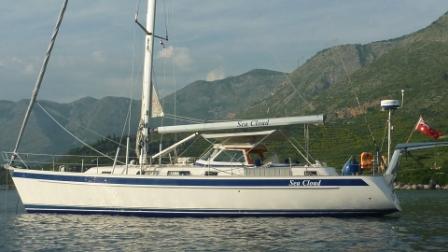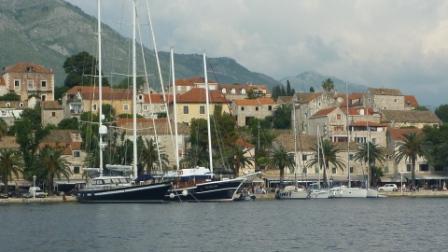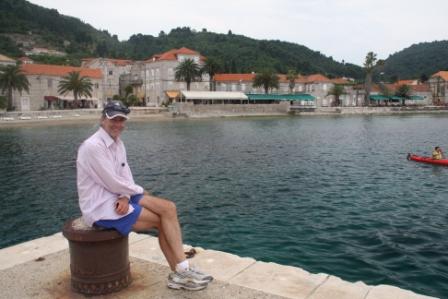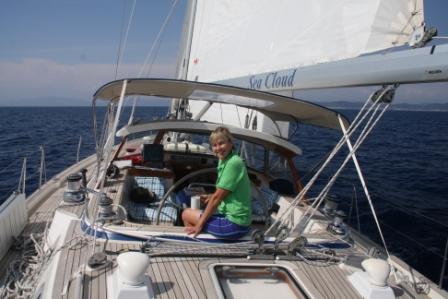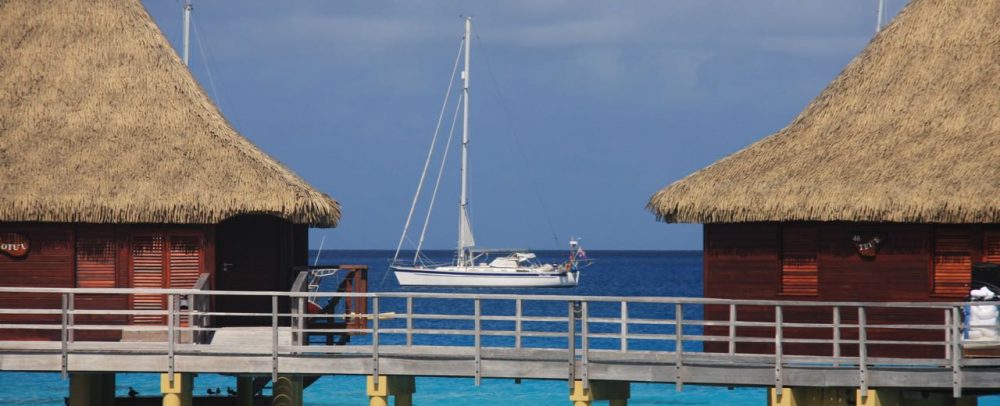
Sea Cloud – April 2012

Istanbul

April 6 – 17: The Dersaadet Hotel in Sultanamet, was a perfect base for our week of sightseeing in Istanbul as it was a few minutes walk from the major sites of Aya Sophia, the Blue Mosque and Topkapi Palace – all must sees in Istanbul. Breakfast in their rooftop restaurant was very pleasant, with views of the Blue Mosque and the wind howling over the Sea of Marmara.
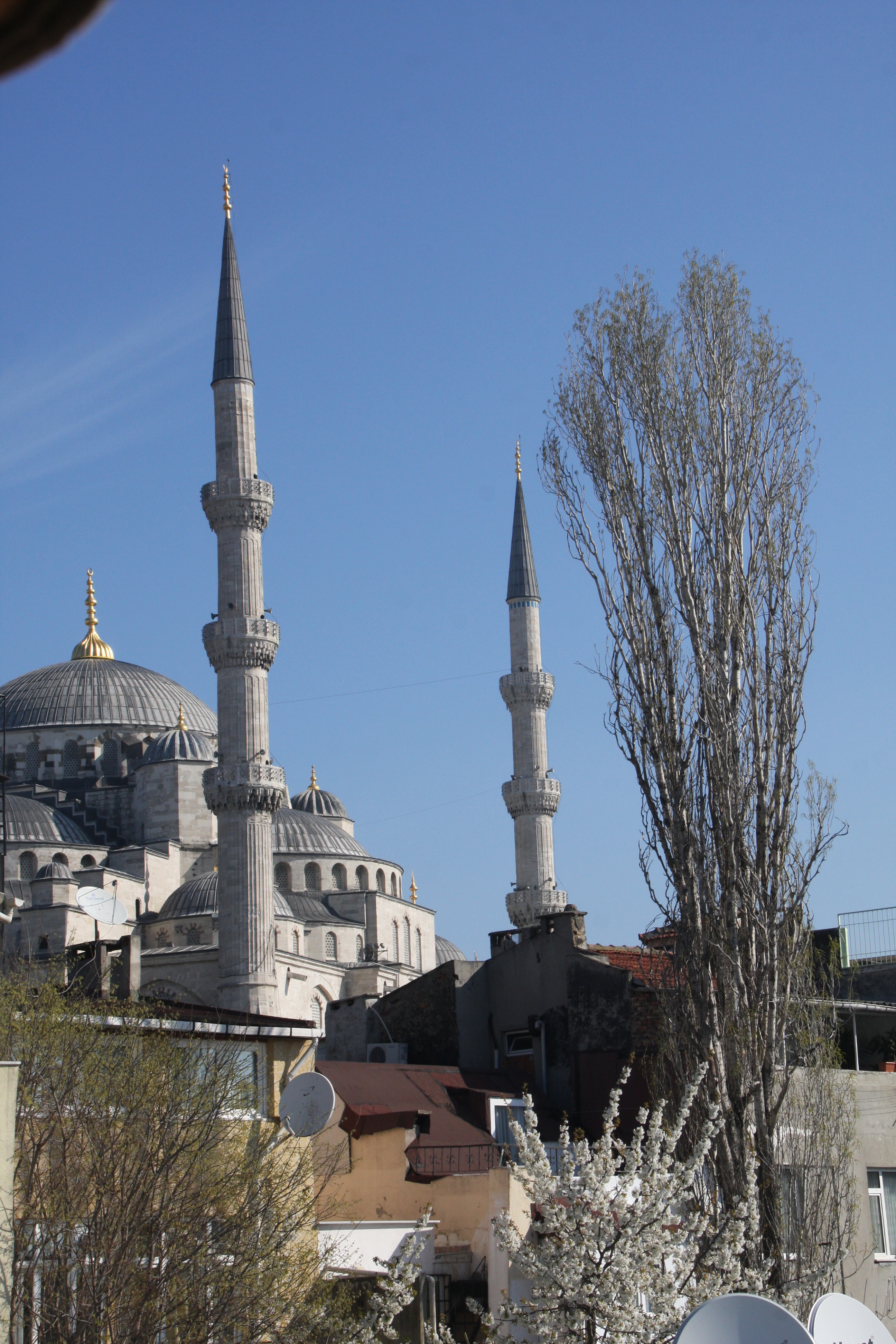
Image

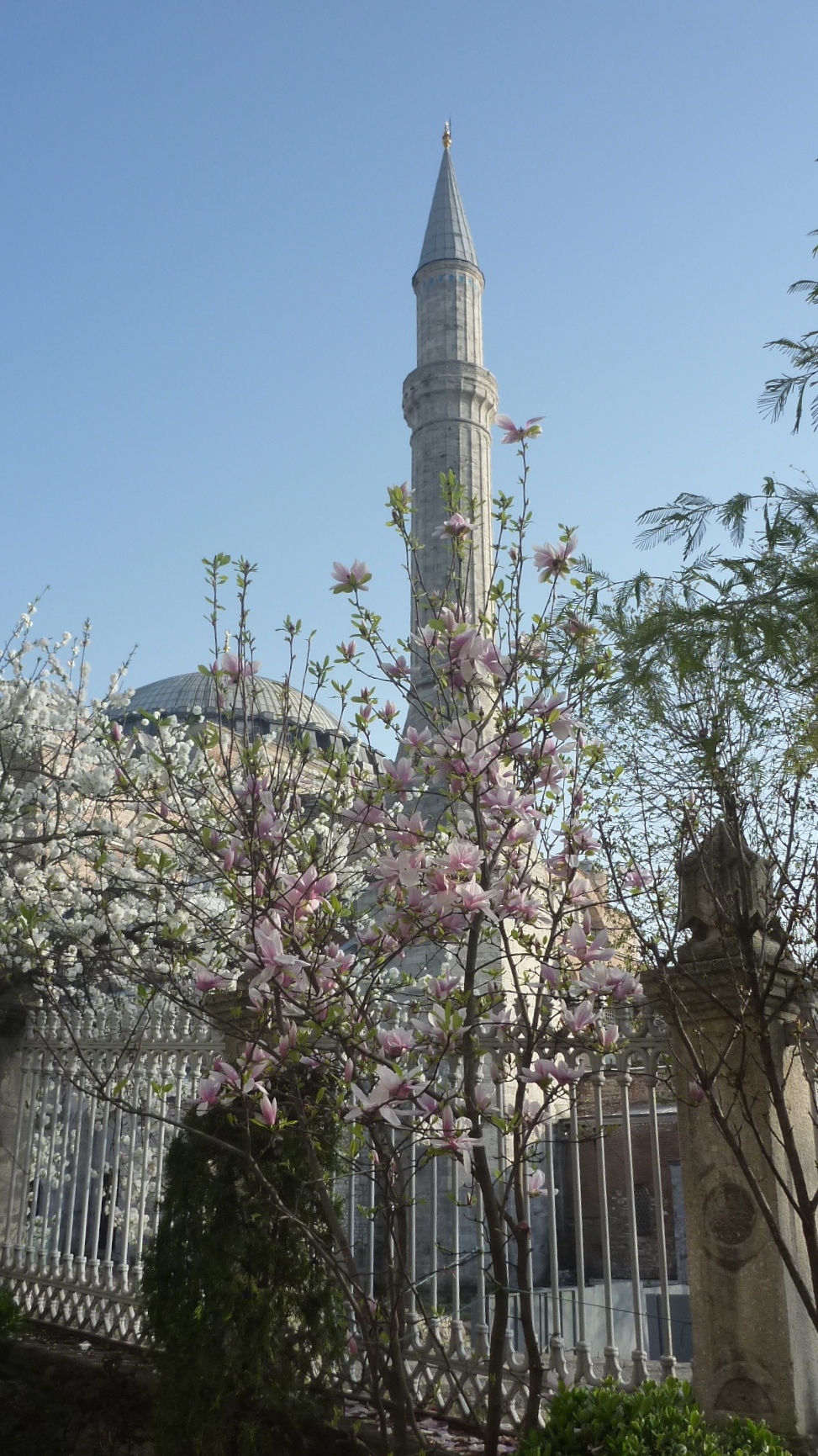
The spring flowers were out, tulip festival beginning, and the weather warming up, a lovely time to be wandering the sights.
Image

Unfortunately many others also realised this, with busloads of tourist descending on all sights by mid morning.  The Istanbul Museum Card (provides access to all museums for 3 days) enabled us to avoid the queues.
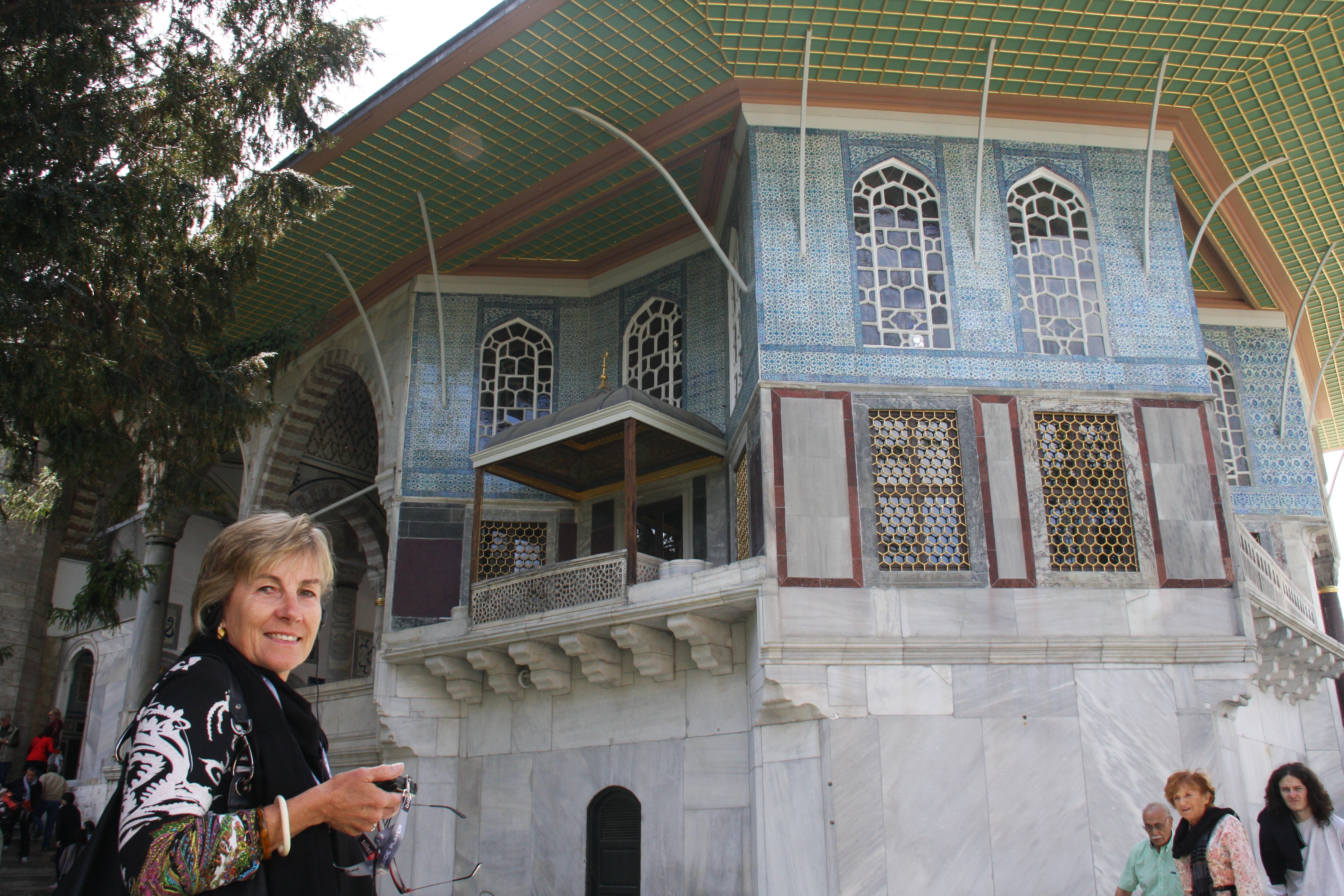
Topkapi Palace
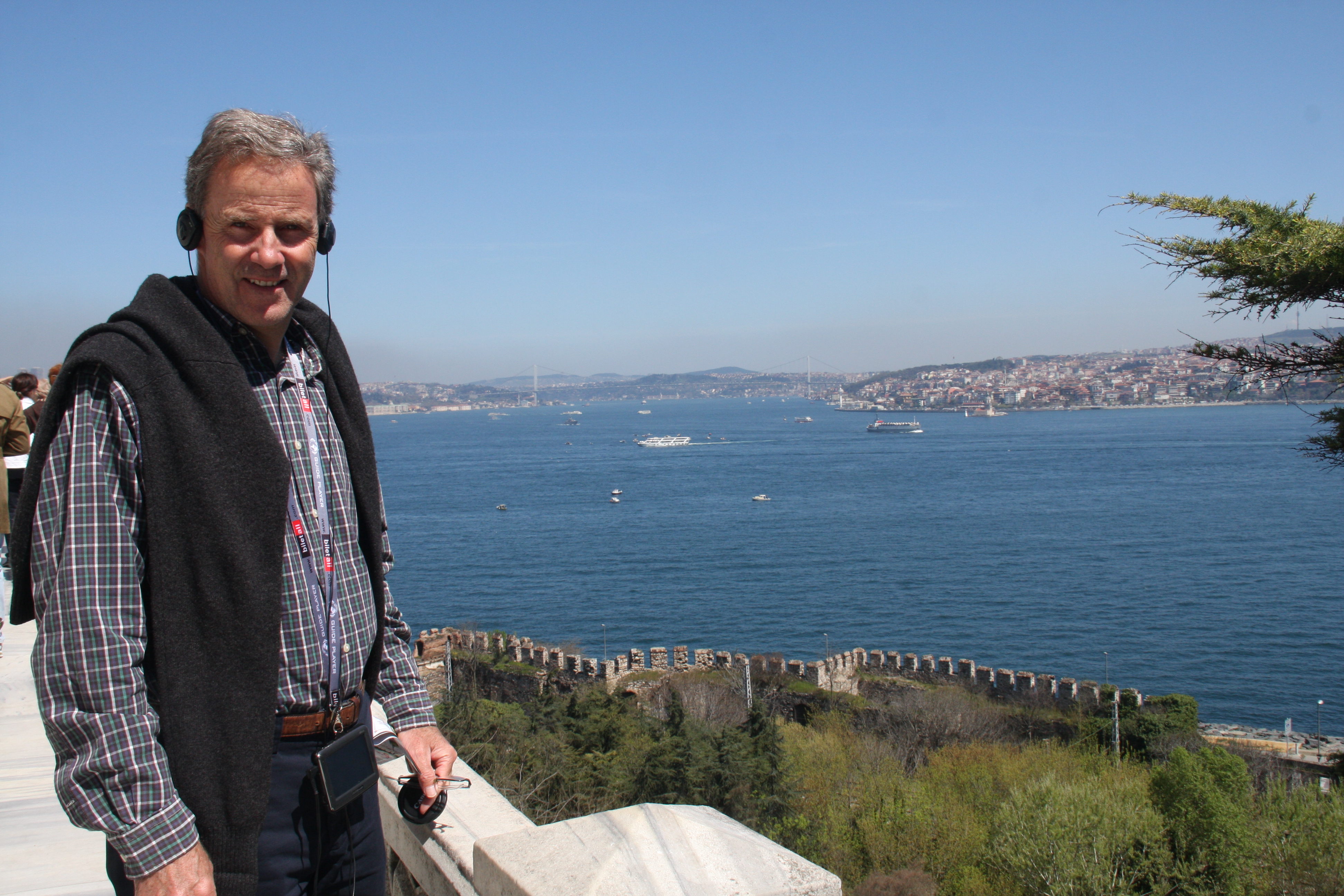
By evening, the crowds have disappeared.

Blue Mosque

Whirling Dervishes

Istanbul is a fascinating and vibrant city, the longer you spend, the more you see beyond the magnificent large mosques (plus the occasional church) busy markets and palaces.

Chora Church

Frescoes Chora Church

The people are friendly and helpful with a keen sense humour. The Grand Bazaar and Spice Bazaar ( below -where all sorts of weird and wonderful things are available) were a lot of fun, with not nearly as much hassle or pressure to buy as bazaars in other countries.

Additional must-see sights include the Archeological museum,  and the beautiful Sulimanye Mosque (and nearby Turkish bath at 14th century Sulimanye Hamam).

Sulimanye Mosque
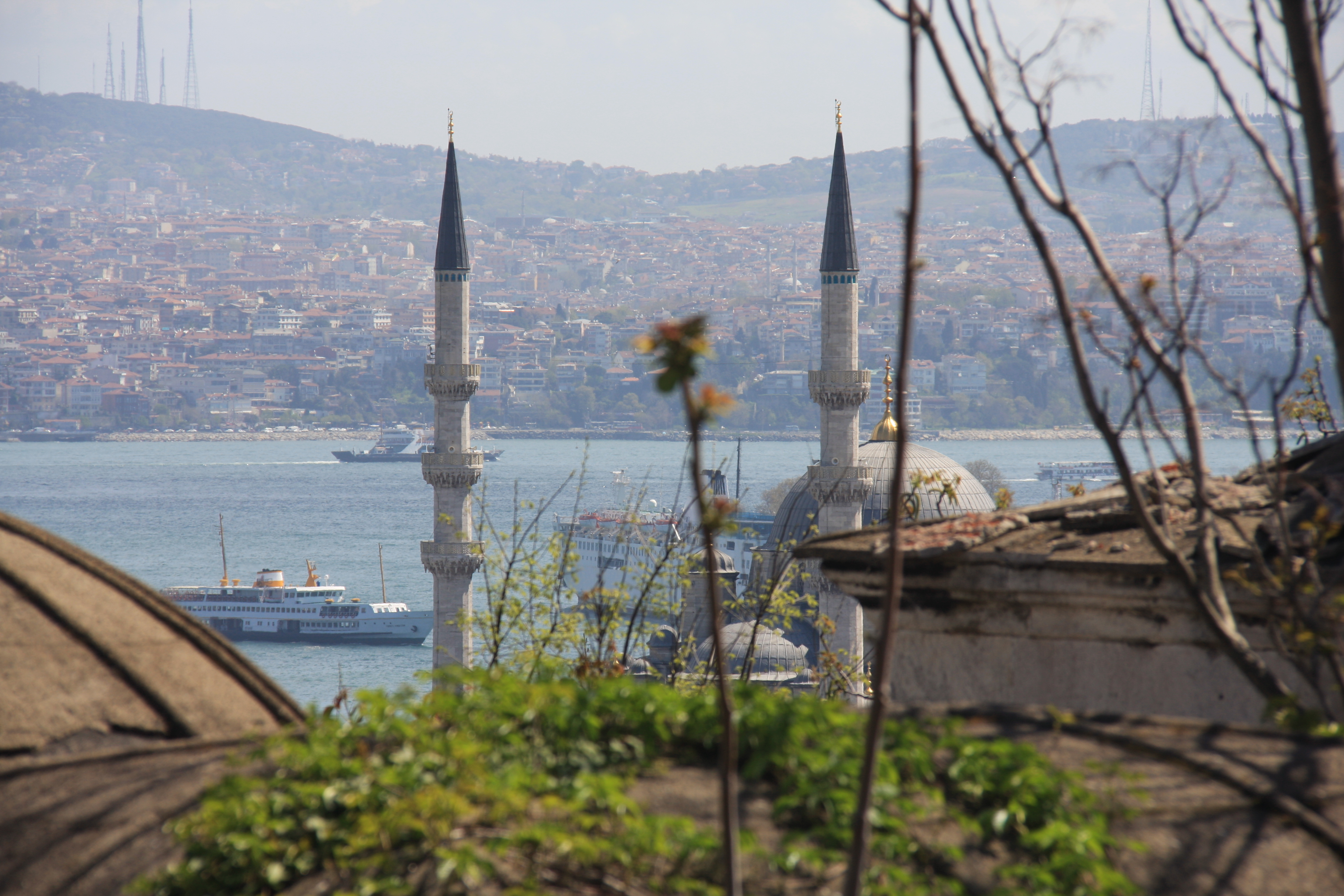
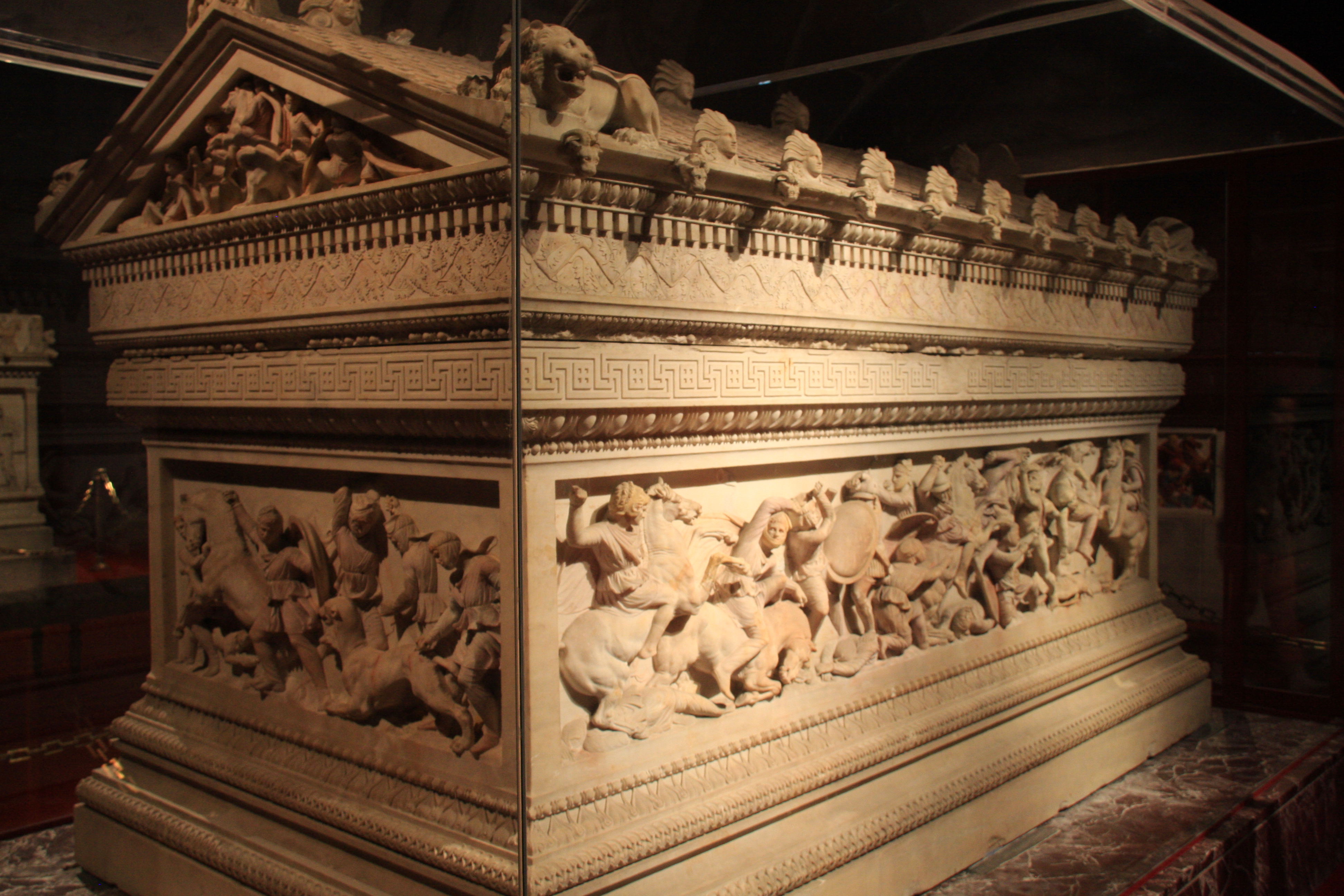
Alexander’s sarcophagus (scenes depicting Alexander the Great)

Gallipoli

Our pre-booked ‘Hassle Free’ tour to Gallipoli and Troy, left Istanbul early one morning and returned late the next day. Our knowledgeable & informative Turkish guide was excellent, giving the perspective of both the ANZACS and the Turkish in the Gallipoli campaign.  The preparation for the huge crowds expected for the Anzac day memorial services was very evident.

Anzac Cove, The Sphinx, The Nek, Lone Pine with their cemeteries – mandatory sights for Australians, were all very moving places to visit.  All the more so as Syd Cook fought and was wounded twice here, once at the horrific battle of Lone Pine.

Anzac Cove
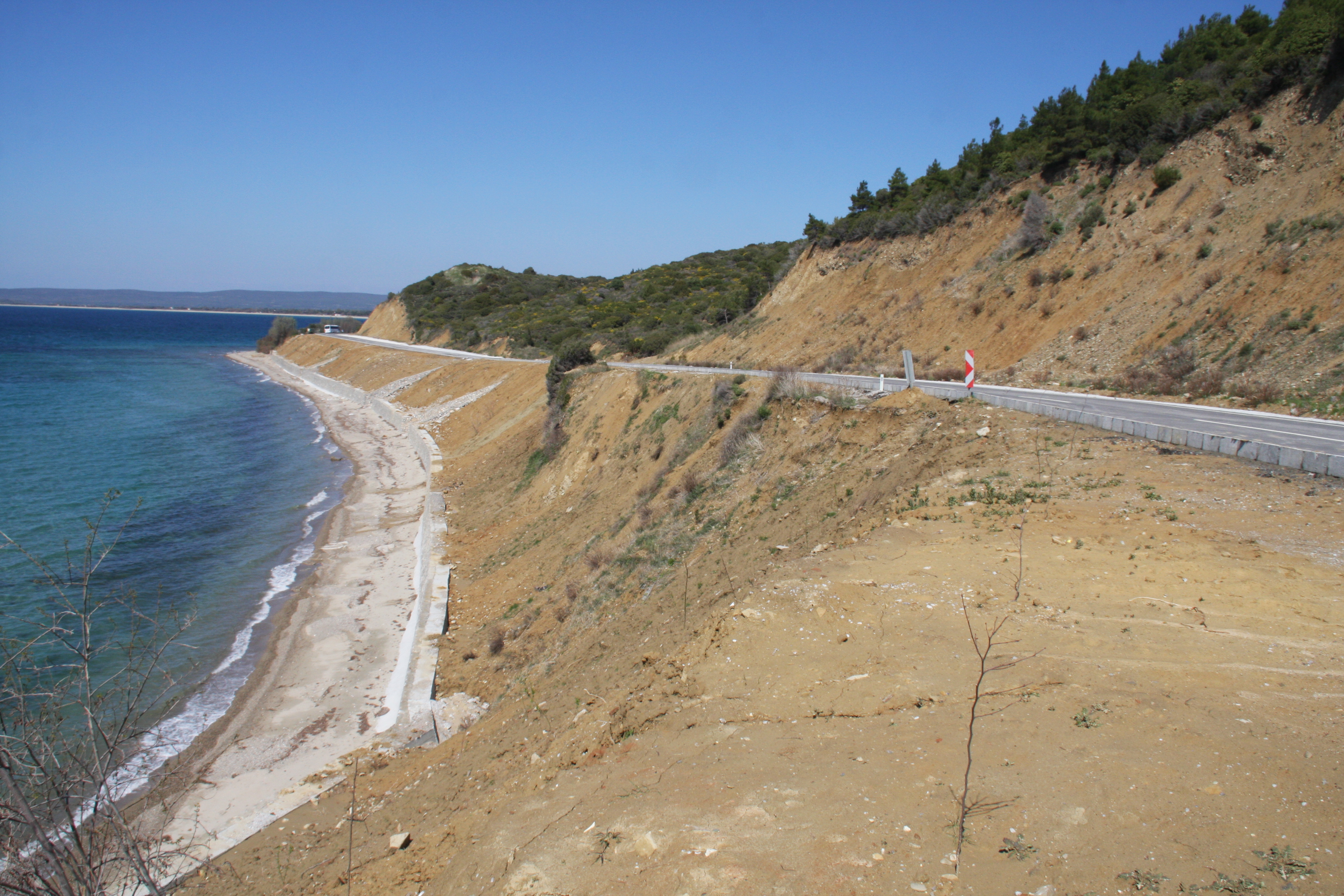
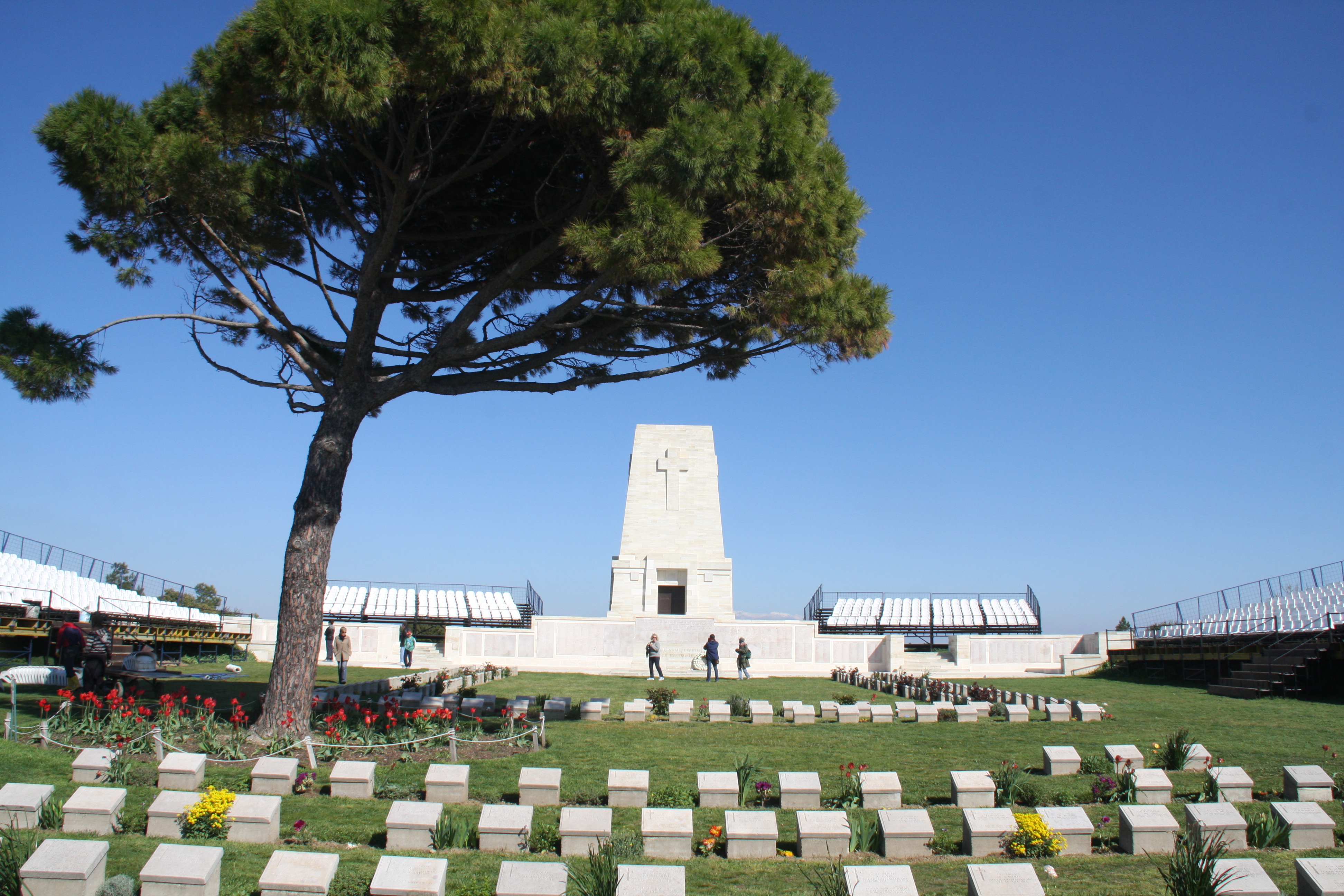
Lone Pine
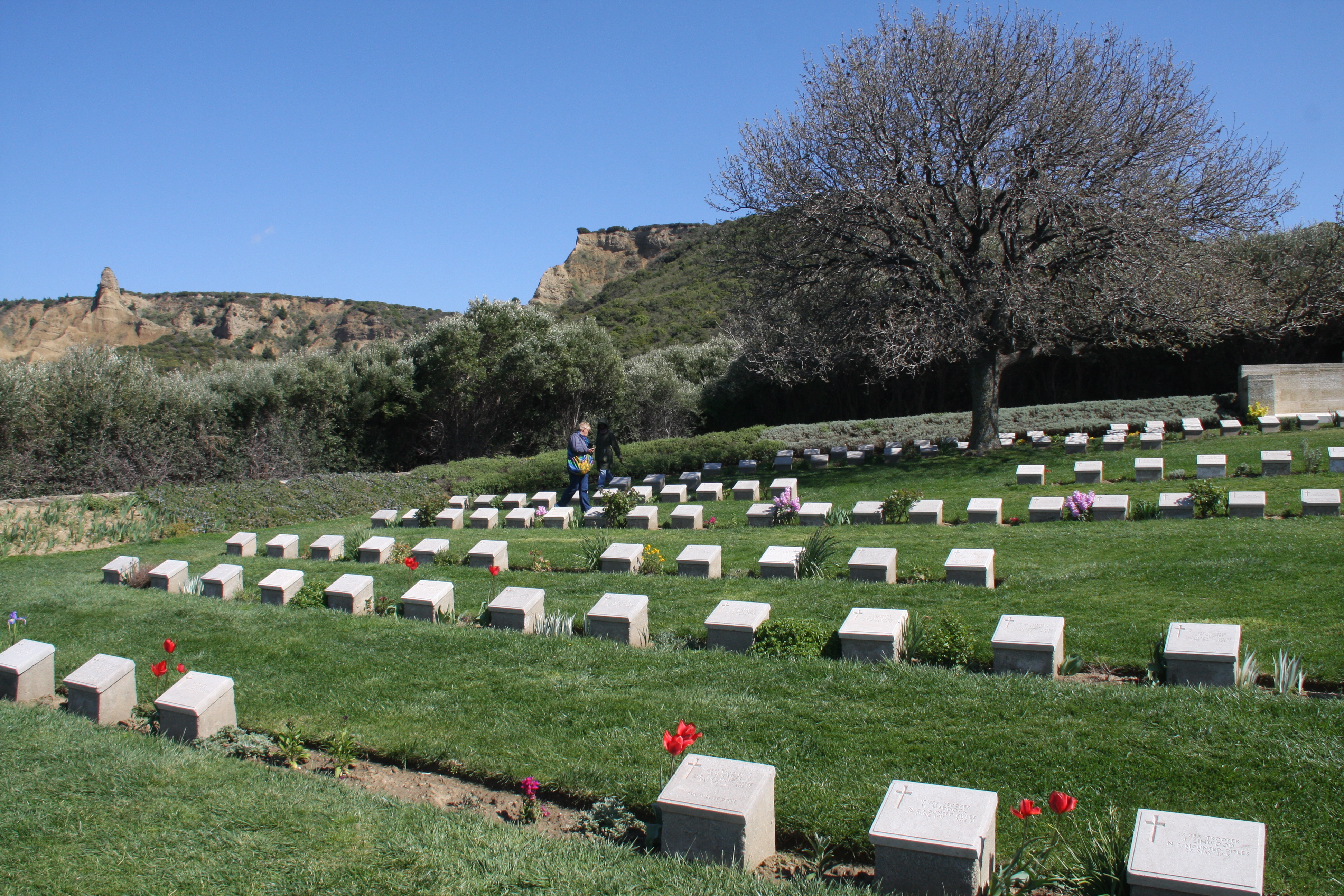
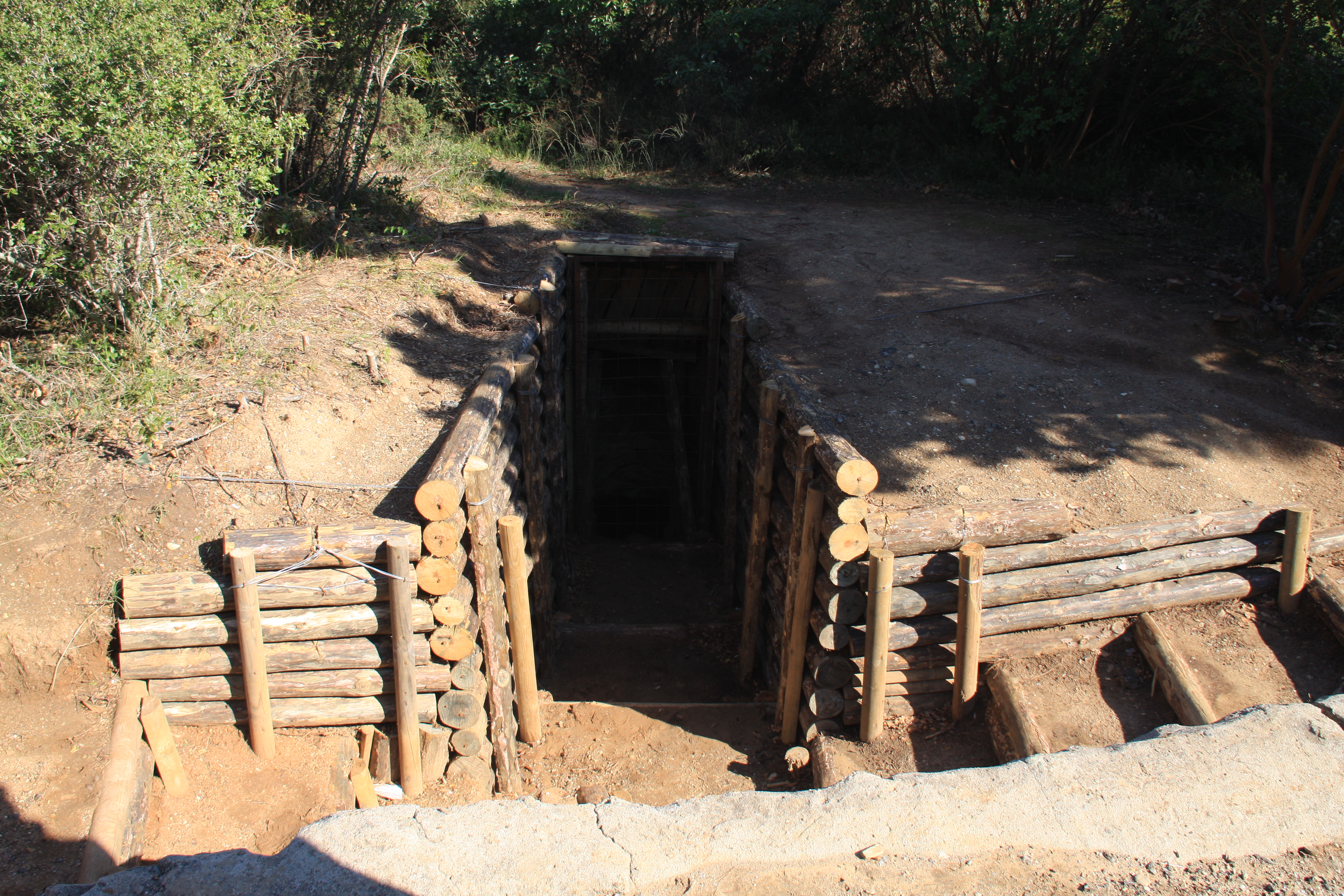
A landmark event for us to put the terrain, the distances from landing site to Chunuk Bair (main objective of campaign) as well as from Suvla Bay, all into perspective. Emphasised the proximity of opposing trenches and how little territory was actually gained in this 8 month campaign – futile and costly for both sides.
Suvla Bay from Chunuk Bair

It is clear that this campaign was a turning point towards nationhood for Australia and the soon to be unified Turkey (Mustafa Kemal “Ataturk” pivotal in defence of the Gallipoli peninsula and subsequent ousting of the Greeks, unification of Turkey. It is now apparent why he’s called the Father of Modern Turkey and his portraits and statues adorn every village, town and shop). We stayed overnight across the Dardanelles at Canakkale. The memorial below is visible across the straits from the town.
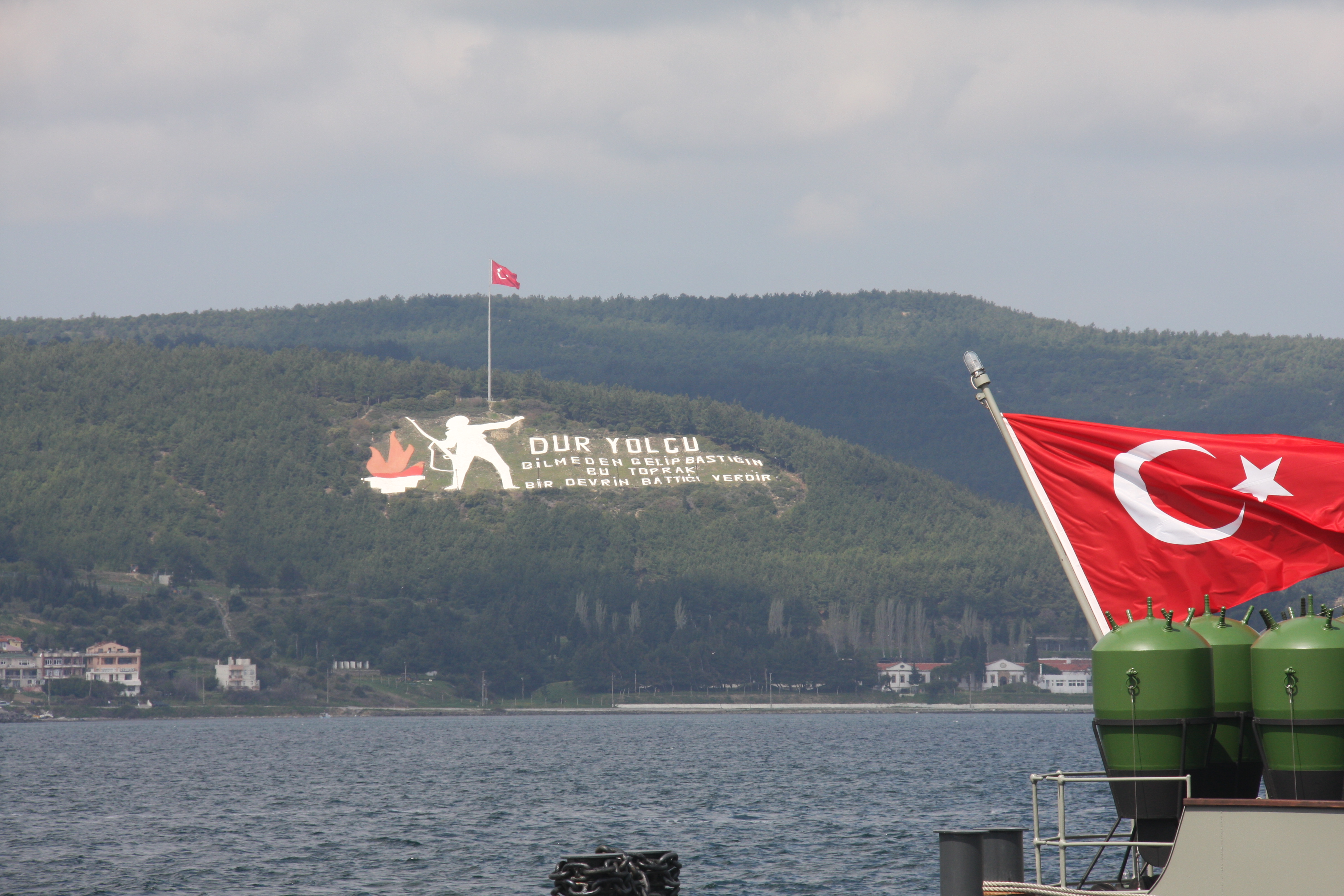
Traveller halt! The soil you tread once witnessed the end of an era. Listen, in this quiet mound there once beat the heart of a nation.

Gocek

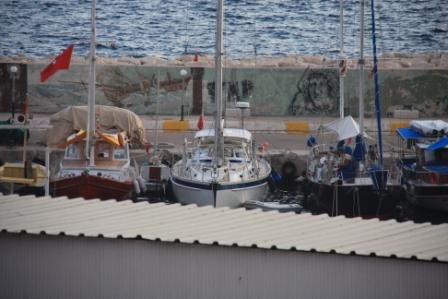
April 17: Flew to Dalaman, and 20min cab ride to Gocek, near Fethiye, where Sea Cloud had spent the winter.
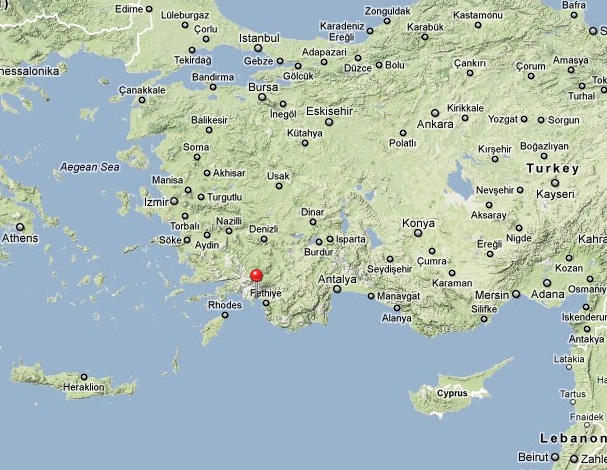
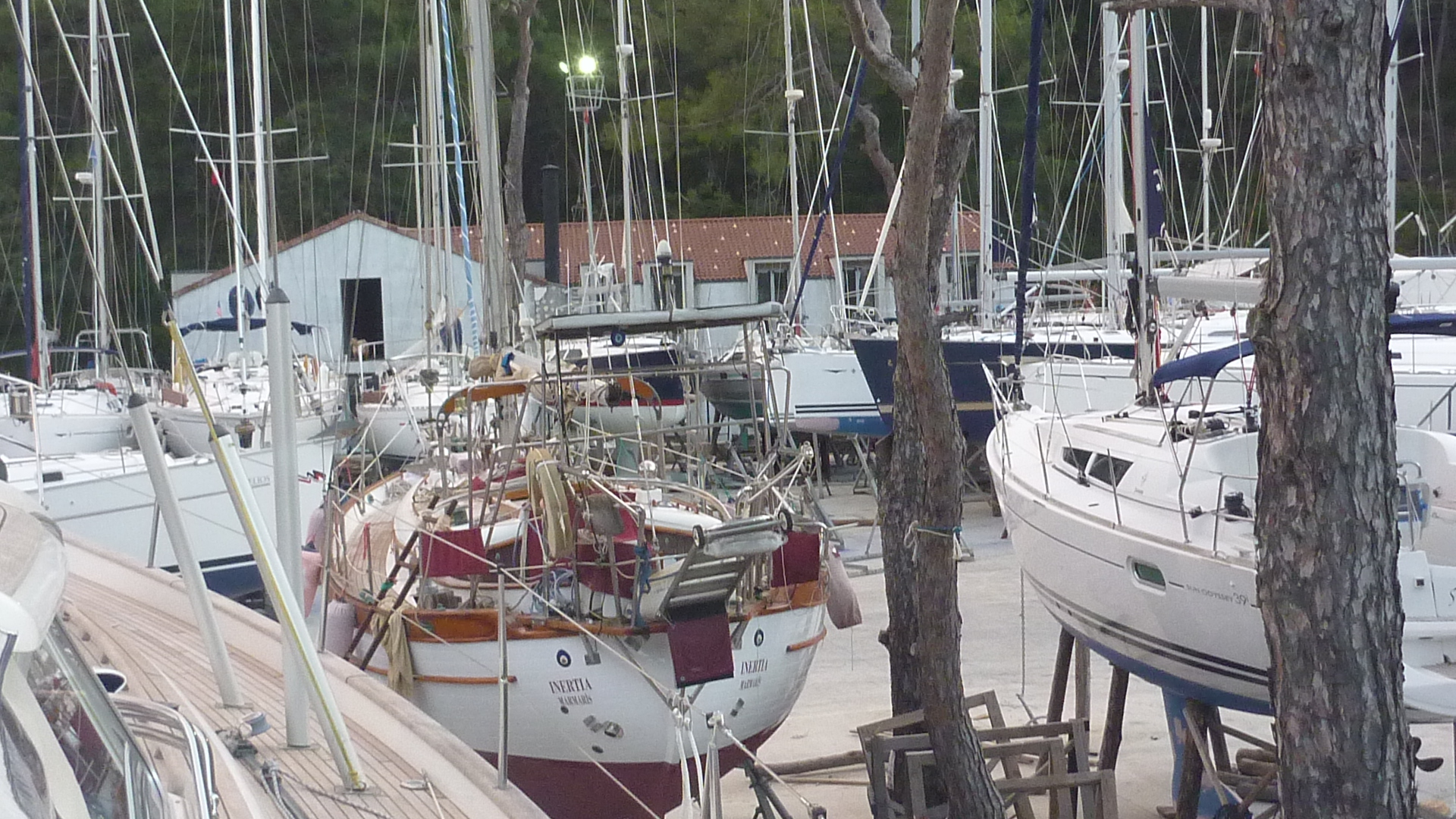
As  Sea Cloud was on the hard stand in Marinturk Marina, we stayed a few days at the lovely Pruva Hotel,  which was in the quiet backstreets of Gocek. We had the most wonderful breakfasts prepared by our delightful hosts Sel and Aylin. We were so happy that we were in the Hotel and Sea Cloud on the hard stand when the predicted April ‘firtina’ (gale or storm) ripped into south facing Gocek harbour mid week, bringing southerly winds with gusts up to 55+ knots hammering the few boats docked in the town’s marinas. According to Sel (and the Turkish Annual Storm calendar), this firtina comes each year mid April, lasts less than a day and then the weather settles down.

Obviously it was well predicted as the empty Gocek town wall filled up with gulets and other boats within 24hrs of the passing of the gale.  All but the inner berths of D-Marin Marina (eastern side) or nearby Club Marina (and perhaps Marinturk Exclsive marina) are untenable berthing options during southerly gales. If these options aren’t available, I’d anchor off Club Marine (western shore) or pick up a mooring in one of the sheltered bays around Fethiye Gulf (eg Pilloried Bay). The only marina that appeared protected in Gocek Bay was D Marin, and you would definitely not want to be on their (outer) H arm!

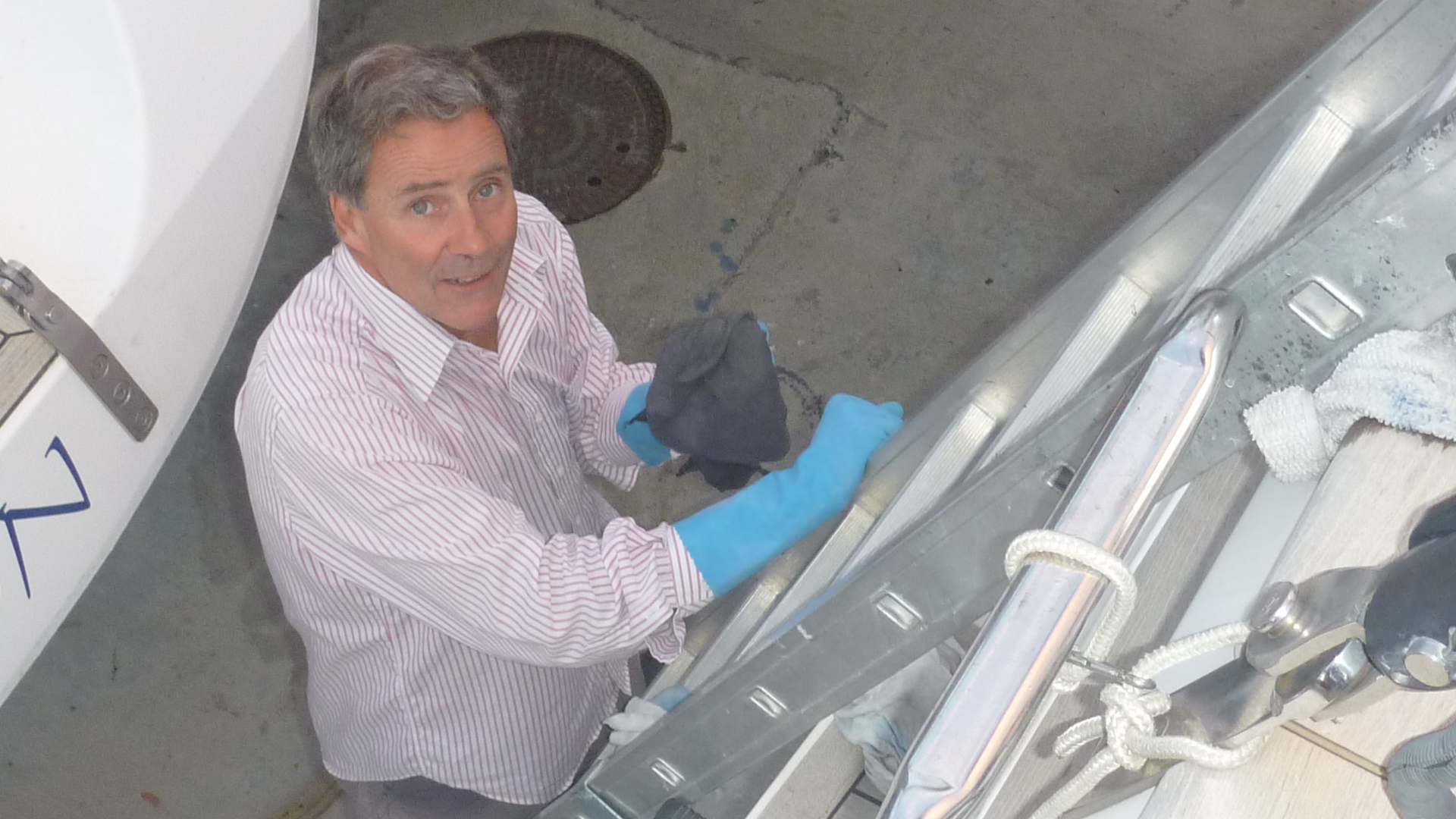
The next few days were spent organising repairs, polishing and cleaning during the day and enjoying the peace and quiet in Gocek, where we were one of the few tourists.
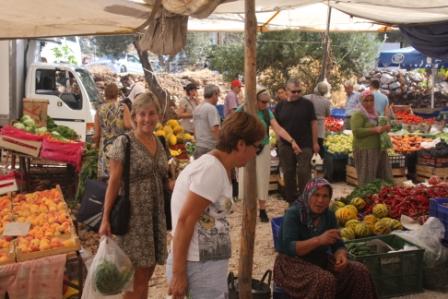
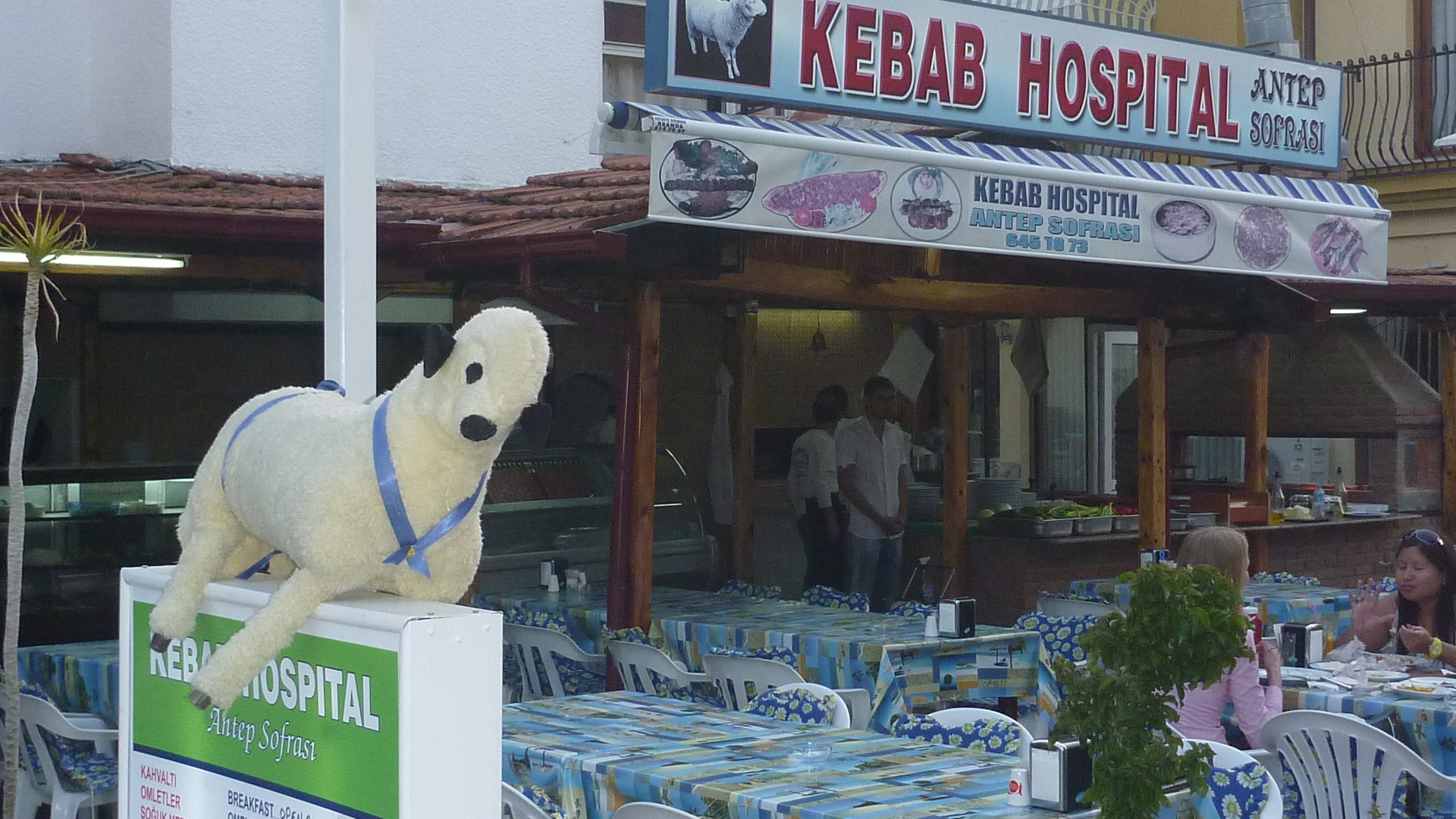
The restaurants here are great, with simple, inexpensive healthy food, much more appealing to us than the rather oily heavy meals we had in Istanbul. The Kebab Hospital(!) became one of our favourite haunts. The Gocek market each Sunday was also a favourite, with wonderful fresh local fruit and veg and the most delicious gozleme!
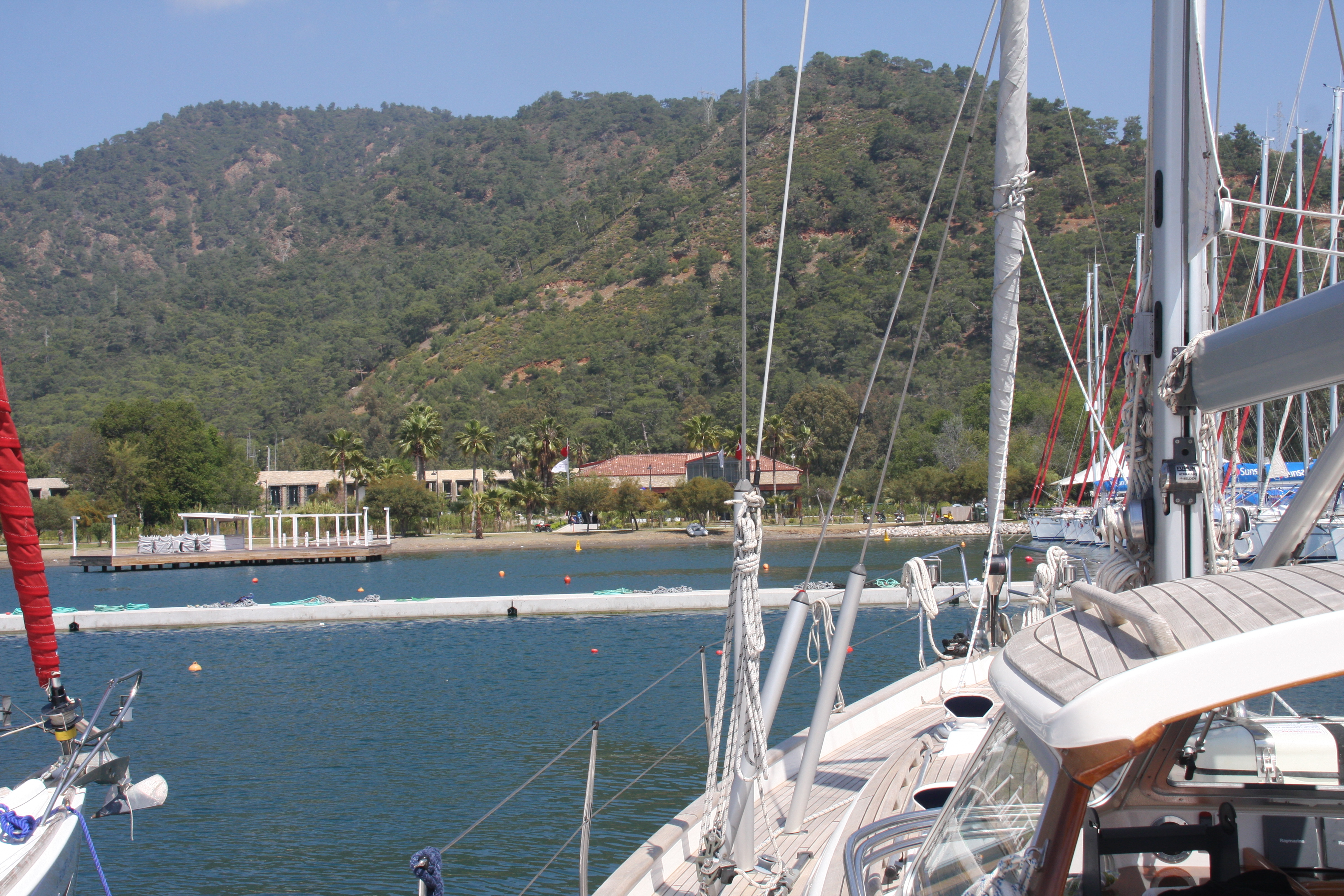
April 20: Once launched, Sea Cloud was in a great berth at Marinturk – we had wonderful views as no one in front or behind us. Unfortunately we found our 2 year old batteries were dead (after yacht services monthly charging, checking and report that they are fine!). Spent a few days waiting for new 8 x 6v Trojan gel batteries from Istanbul at great expense. Lets hope these ones last longer than the last lot! The inevitable repairs and spring maintenance works were completed in 2 weeks and we were ready to leave Gocek on Ian’s birthday 1st May. Just in time as the crowds have begun to descend on Gocek!
Apropos the new 90day stay on Turkish Visas, we paid a visit to Port Police and Customs in Fethiye to explore feasibility of a visa extension.  Bottom line – we have to stick to our original plans of spending no more than 90 days in Turkey. It seems that the new 90 out of any 180 day visa (similar to the Schengen Agreement) cannot be extended (as the Aussie Turkish consulate had indicated). The only way around it is to apply for a Residency permit (approx AUD700) in conjunction with a lengthy (costly) marina contract that we wouldn’t even use. So, after 90 days, Greece rather than Turkey will benefit from our dollars!
Finally cruising Turkey

July 2011– Arrival in Turkey
We arrived at Marti Marina near Orihanye with the main purpose of using their agent to check into Turkey. Apparently checking into Turkey without an agent is not longer possible. So although more expensive, the chekin process was very painless, all being done by remote control while we sat by the pool. It was a bit disconcerting to hand over our passports and boat papers, but all were returned safely within the day, with visas for us and a transit log for Sea Cloud.

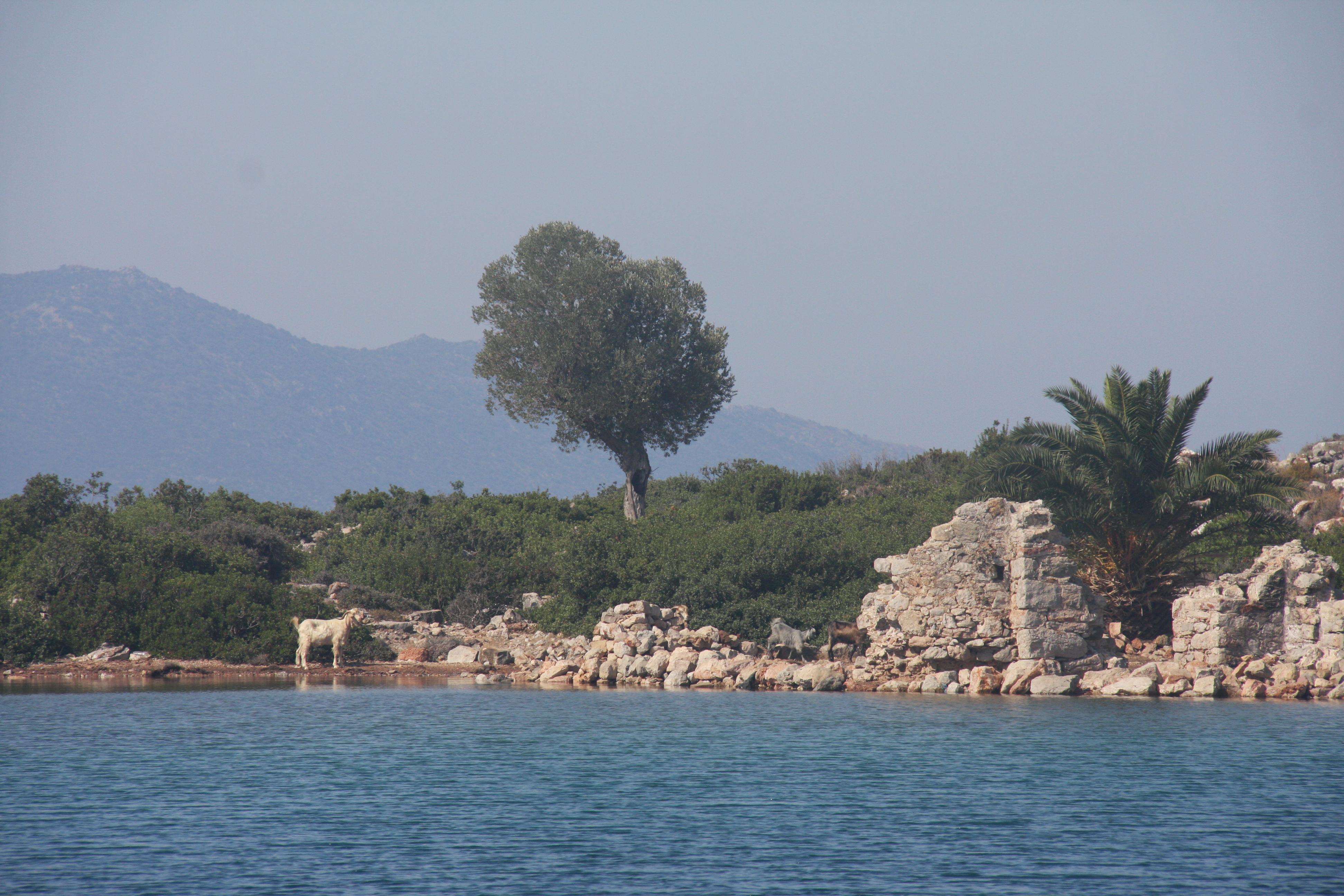
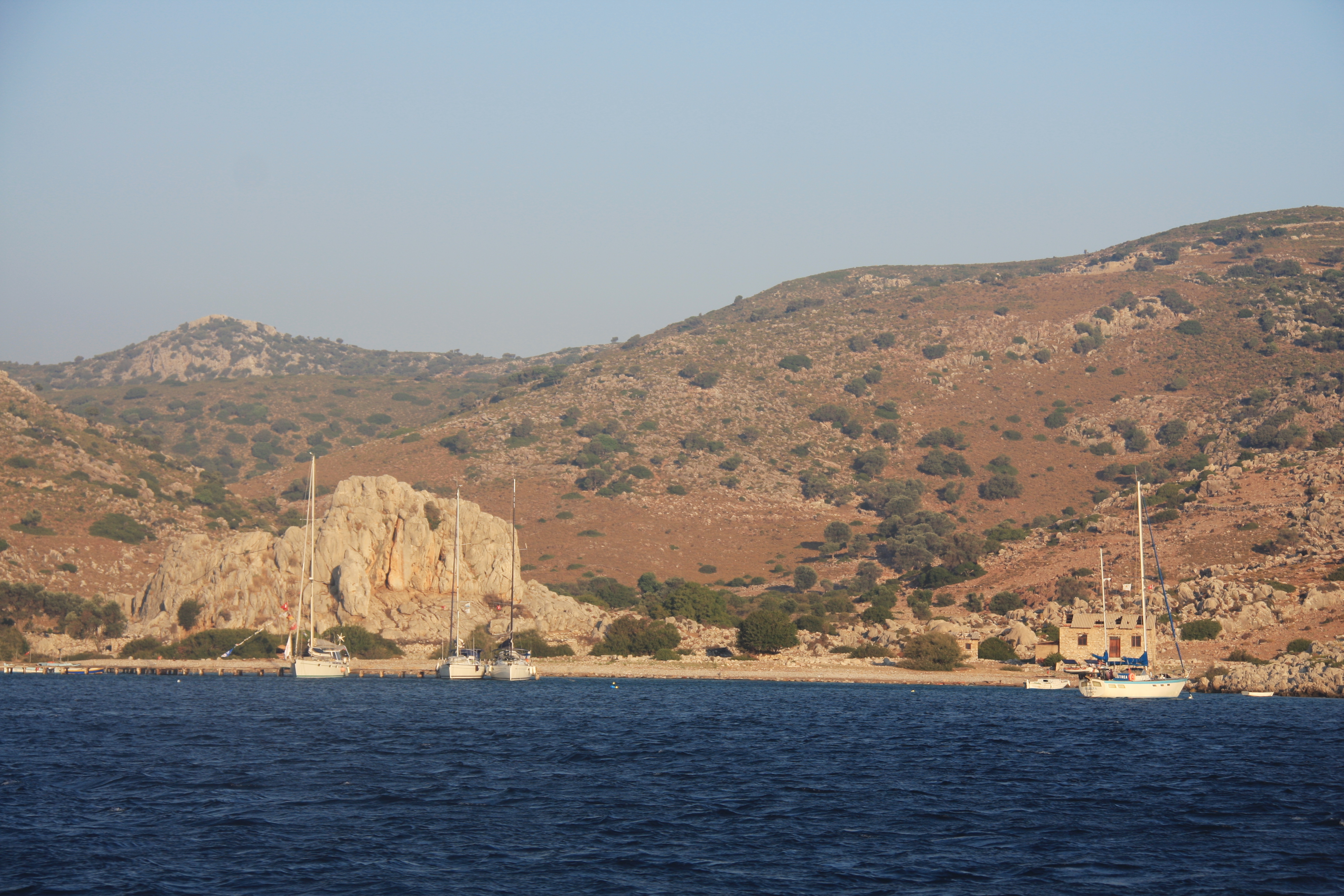
We spent a very pleasant week pottering around the lovely bays around the Hisaronu Korfezi and Bozburun. We were pleasantly surprised by the great variety of uncrowded anchorages where in most places, we could free anchor. We had a lovely taste of the Turkish hospitality and entrepreneurship, lots of friendly faces running little restaurants with the most dodgy looking, but seemingly sturdy piers where you can dock.

The crowds all seemed to be at Marmaris Yacht Marina where we had booked Sea Cloud for August. For a short anxious while we thought that we might not have a berth, but were ‘shoehorned’ into the tightest corner imaginable. Not great, but better than nothing. Most worrying was that we knew that Sea Cloud would have to be moved numerous times in our absence to enable other boats to get out.

September 2011, Marmaris and Rhodes
After a mad month working back in Sydney, we returned to find Sea Cloud still intact, with loose lines and a bent stanchion. Could have been worse. With little wind predicted, we took advantage of the marina berth in Marmaris, we headed to Rhodes which was only an hour away by ferry. We spent a wonderful few days, soaking up the history of this fabulous old town with buildings showing the influence of prior occupation by the Romans, the Knights of St John, the Turks, Italians, Germans and British before finally becoming Greek post WW2.

We had been advised not to sail as the harbour is so crowded in Rhodes, but found out that you can book a spot, so plan to return to this lovely island.

Marmaris to Kas
The rest of this month was to be one of sailing and visiting the some of the many ancient sites between Fethiye and Antalya. Great to be back sailing again, our first night out of Marmaris was at Ekincik where we were surprised to see 8 Aussie flags (a Mariner sailing charter fleet) at the restaurant dock.

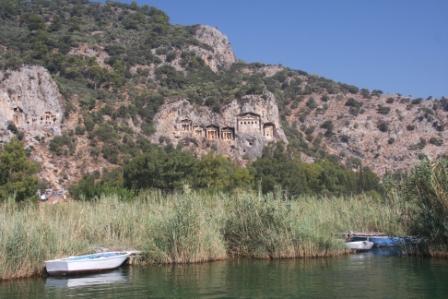
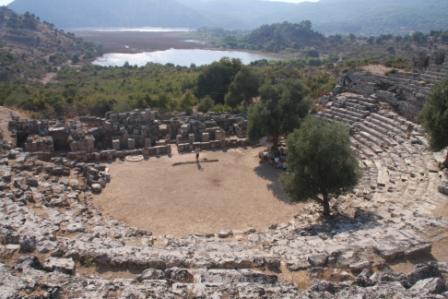
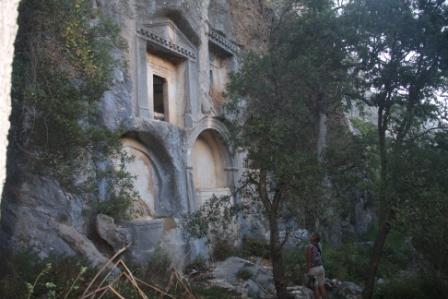
We joined the Mariner group on a boat tour to visit the ancient site of Kaunos, with its fabulous rock tombs set high above the Dalyan River.

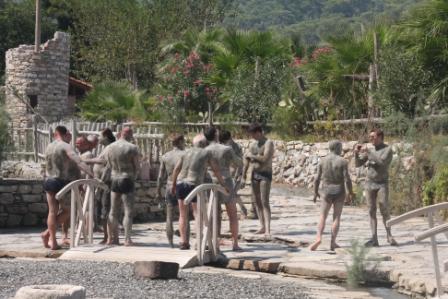
and its mud baths

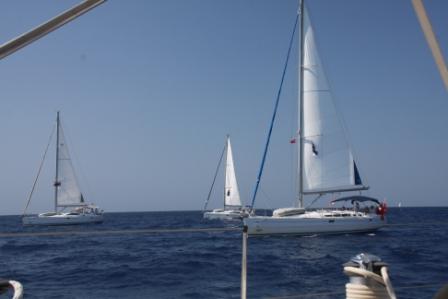
We joined the Mariner ‘Race’ to their next destination Sarsala in the Fethiye Gulf. We were very pleased with Sea Cloud’s performance, she held up admirably against the many lighter production boats sailed, some sailed by very serious racers.

Aftera long day of motorsailing, we arrived in Kas Harbour where Sea Cloud was squeezed in amongst the fishing boats.

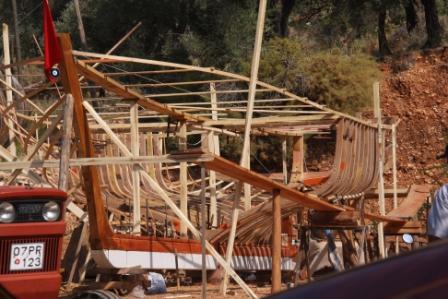
We really enjoyed the town of Kas, which was to be our base for a week as we took advantage of a very good deal at the lovely, brand new Kas Marina. The marina is in a great spot, a quiet bay a short walk from town, past the site of the Friday market and the local Gulet builder.

Exploring Ancient Lycia
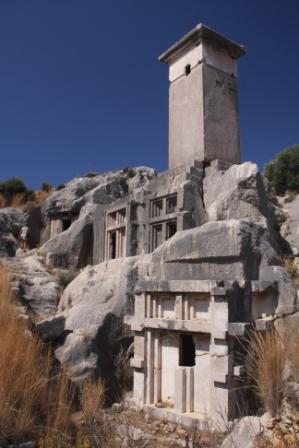
Xanthos, Letoon and Patara 3 Lycian cities within easy drive of either Kas, Fethiye or Kalkan are well worth visiting. Xanthos is a huge, previously important site with ruins of Lycian city and tombs (400 BC) a Roman amphitheatre, and village and a Byzantine church. It is said that the Lycians in Xanthos were fiercely independent people who twice in their history resorted to mass suicide by jumping off the cliffs to the river below, rather than succumb to occupation by invading forces.

The Saklikent Gorge and colourful Paradise cafe with its yummy baklava was a cool lunchtime spot as although it was late September, it was still 30+ in the middle of the day

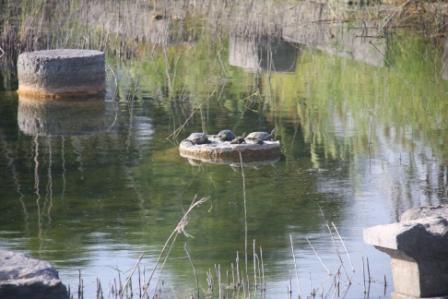
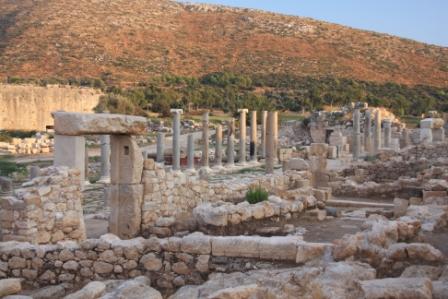
Letoon, is much smaller but beautiful site with a partially excavated amphitheatre and ruins of temples amongst the cornfields on the lowlands near Xanthos. In particular we loved the turtles basking on the rocks in the middle of the submerged ruins.

Patara, one of the oldest and most important Lycian cities lies partially covered in sand behind the long and lovely Patara Beach. Parts of the site are being reconstructed, while local farmers still occupy land around the ruins with their goats grazing along the edge of the amphitheatre.

Kas to Antalya

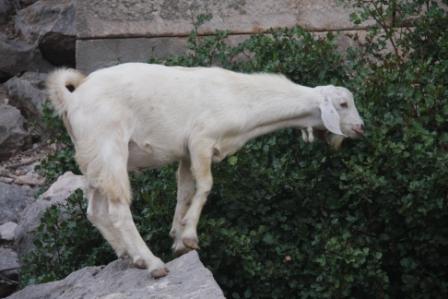
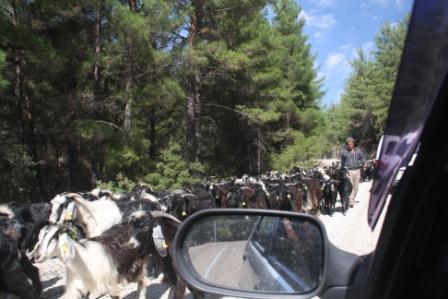
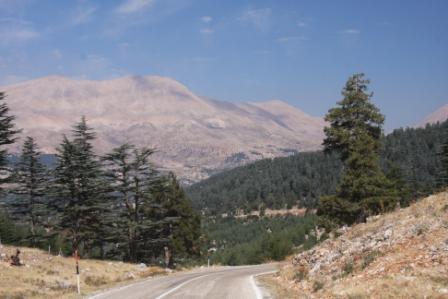
With Sea Cloud safely moored at Kas Marina, we drove to Anatalya. The inland road between Kas via Elimali and Termessos to Antalya is a spectacular, steep and winding mountain road. Obviously a great area for goats!
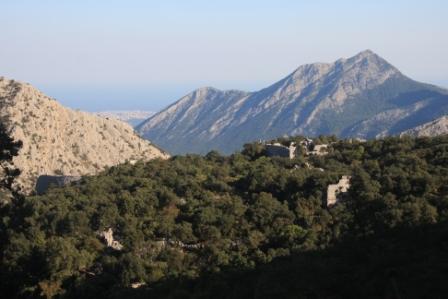
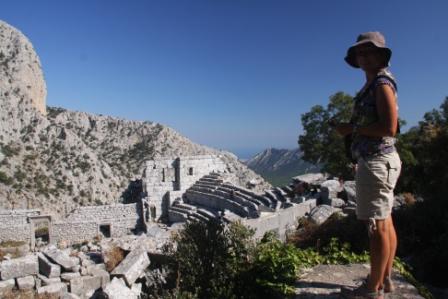
About 30 minutes out of Antalya is the ancient site of Termessos, set in a wonderful strategic location on a plateau high in the hills looking down to what is now Antalya. The ruins are quite overgrown, but wandering around the amphitheatre, the huge underground cistern, remains of temples, roman baths and rock tombs one can imagine life here in the hilltops. The remoteness of the site and the ferocity of its inhabitants meant that it was one of the few sites not overtaken by Alexander the Great in 334BC.

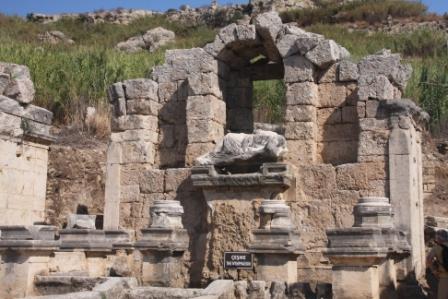
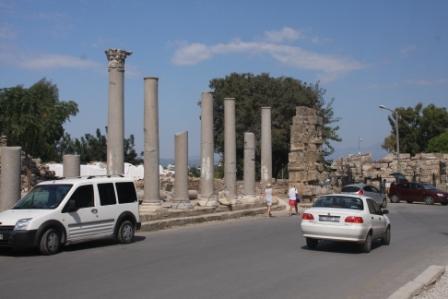
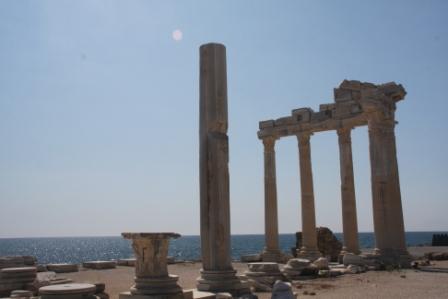
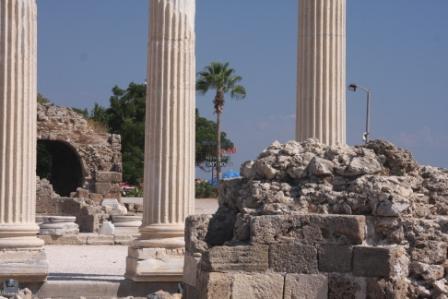
The old town of Antalya, Kaleici , is a wonderful place to stay, a great base for visiting the ancient sites of Perge, Aspendos and Side. In Kaleici, many of the old Ottoman style buildings with their lovely internal courtyards converted into small boutique hotels and restaurants. The small harbour, looked very crowded with local boats, not sure how easy it would be to get a spot here for Sea Cloud. Perge, which is about 15minutes from Antalya, was memorable for its fountain and water channel that ran down the middle of the main street, its huge Roman baths and stadium. Perge is one of the few sites in this part of Turkey which the Turks have excavated themselves, resulting in many wonderful statues and sarcophagi being collected and on view in the Antalya Archeological Museum.

Side is described by the Lonely Planet Guide as the “Turkish version of a carnival by the sea” and that “Entering the town is like entering a film set; glorious Roman and Hellenistic ruins mark out the road”. So true! We were informed by a Turkish rug salesman (so must be true) that UNESCO’s plan is to turn the site into an archaeological park. So, within 10 years the tacky town in the midst of the amazing ruins will be demolished. The best and worst of Side today.
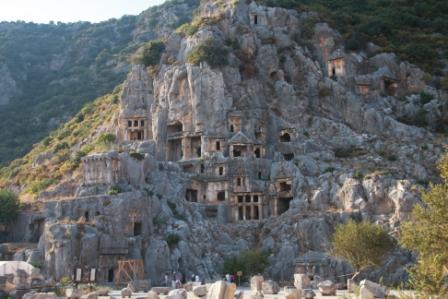
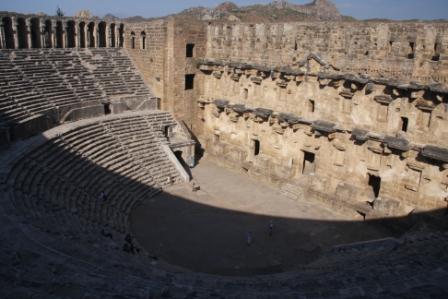
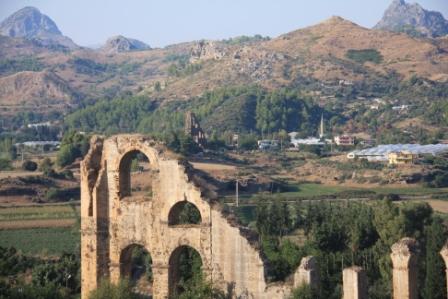
Between Side and Antalya is Aspendos, the site of one of the best preserved Roman theatres which is used for performances throughout the season. Other ruins include a wonderful aqueduct.

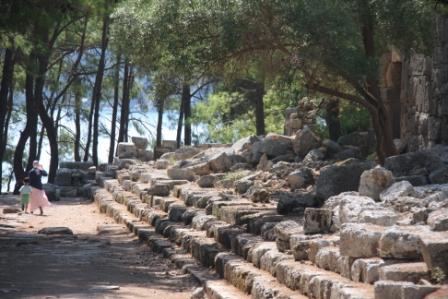
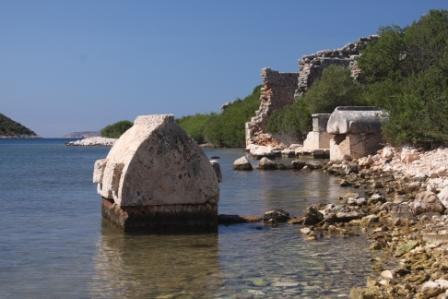
The coast road between Antalya and Kas is dotted with other spectacular ancient sites. The ruins of Phaselis , are located between 3 natural harbours. It is a beautiful site with people picnicking among the ruins and swimming next to sunken sarcophagi.

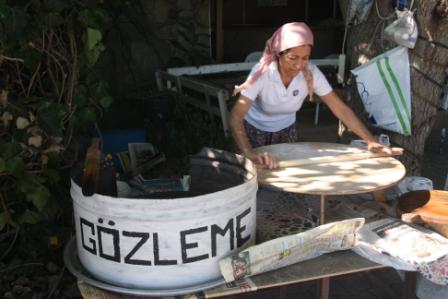
Lunch was a freshly made Gozleme (Turkish pancake) at one of the many small roadside stalls.

Myra is famous for its Lycian rock tombs and Roman theatre. Unfortunately we were too late to see the Church of St Nicholas (Santa Claus), but not too late for a fresh pomegranate juice.

As we were up to day 89 on our Schengen visa (90days in any 6 month period), we caught the ferry across from Kas to Kastellorizon, a 30minute trip across from Turkey.

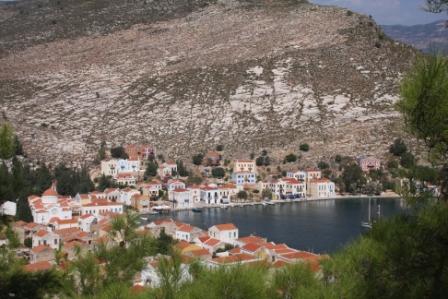
The town was destroyed following WW2 resulting in the departure of most of its inhabitants. The small township which has been beautifully restored now inhabited by only 400 people, many of Australian/Greek origin. It is hard to believe that this island had a population of 10,000 about 100 years ago. The walk to the monastery at the top was well worthwhile as the views over the harbour and town were fabulous.

Kas to Kekova
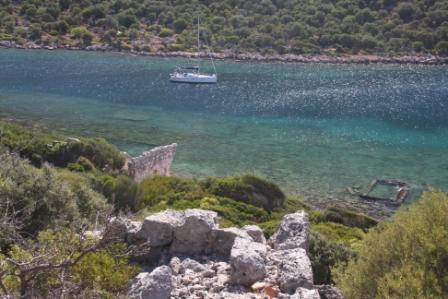
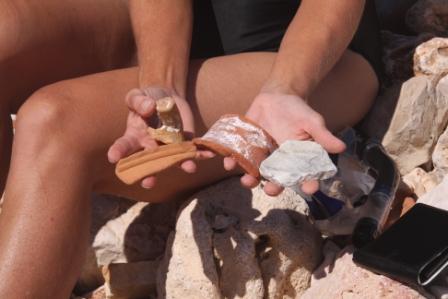
Finally back on board and a short sail to Kekova, where we anchored in the lovely quiet Polemos Boku, a short walk to ancient Aperlae. Luckily we were tipped off (by the local rather quirky cafe owner) that the best way to see this site is by snorkel and mask. Amazing to snorkel over what was once a colonnaded street and houses. The rocky shore was littered with broken pieces of clay pottery. It felt incredible to pick up and hold these ancient pieces then put them back on the beach for others to do the same.

The area of Kekova is spectacular for sailing. The fortress at Kalekoy and the ruins on and submerged around Kekova island and tombs around Ucagiz were wonderful to explore via ducky once Sea Cloud was anchored in the sheltered bay in front of Ucagiz. We now know why the waterway is termed ‘Kekova Roads’ after seeing about 20 gulets pass in about 15minutes.

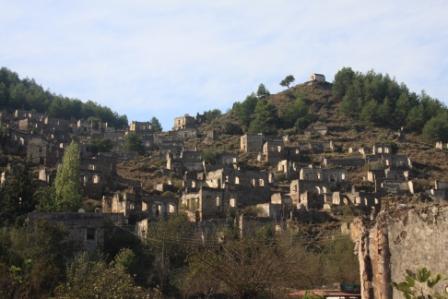
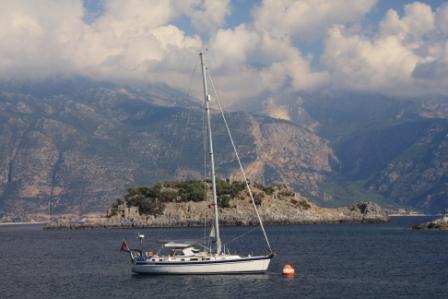
We took advantage of the right conditions and headed back past the Seven Capes (reputation as Turkey’s Cape Horn) in the calm, and moored at Karacoren Restaurant. This was a good safe site from which to visit the ruins on Gemiler Island and the town of Kaya. The novel Birds without Wings (a great read) is based on the story of this town which has been deserted since 1924 following the expulsion of its Greek inhabitants back to mainland Greece.

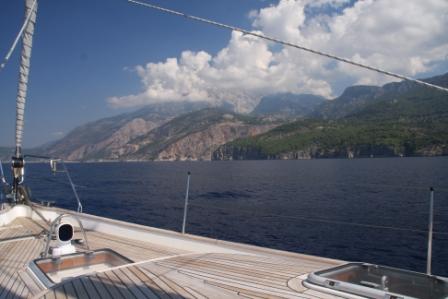
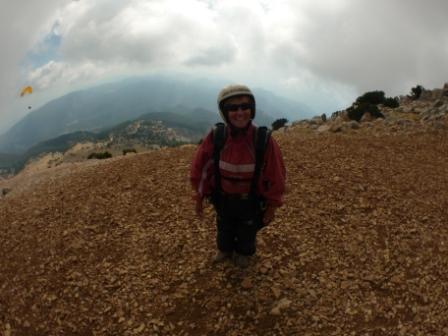
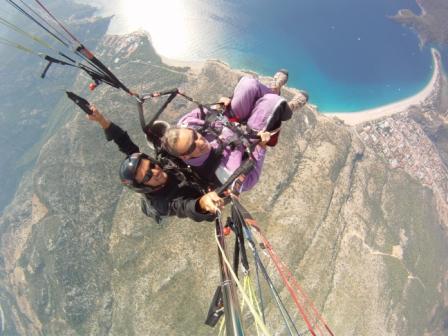
From Karacoren, we could also view the mountains above Olu Deniz, site of our planned paraglide. Olu Deniz is a beautiful beach (even by Aussie standards) and the 1820m high mountain above it is one of Europe’s most popular paragliding sites. It was an incredible experience, jumping off a cliff into the clouds then 30minutes of floating above stunning scenery, then landing on the beachfront in tandem with our rather “out there” Turkish ‘pilots’ Ali and Moustafa.

Gulf of Fethiye

By mid October, summer is almost over. Although the water is still warm, temperatures are in the low 20’s and the unsettled weather has arrived. We spent the last few days of the season sitting on a Turkish mooring buoy in a sheltered bay just out of Gocek. We spent the first day swimming and relaxing and then listened to pouring rain and 30knot winds shrieking in the rigging, whilst we prepare physically and mentally to take Sea Cloud out of the water and return to our ‘normal’ lives in Sydney.

Our first few months in Turkey has been great, with friendly hard working people, good food, a low cost of living,  wonderful sailing grounds and incredible ancient sites.

Sea Cloud is safe on the hardstand in Marinturk Marina until we return in April 2012 for more wonderful cruising.

Crossing the Aegean – July 2011

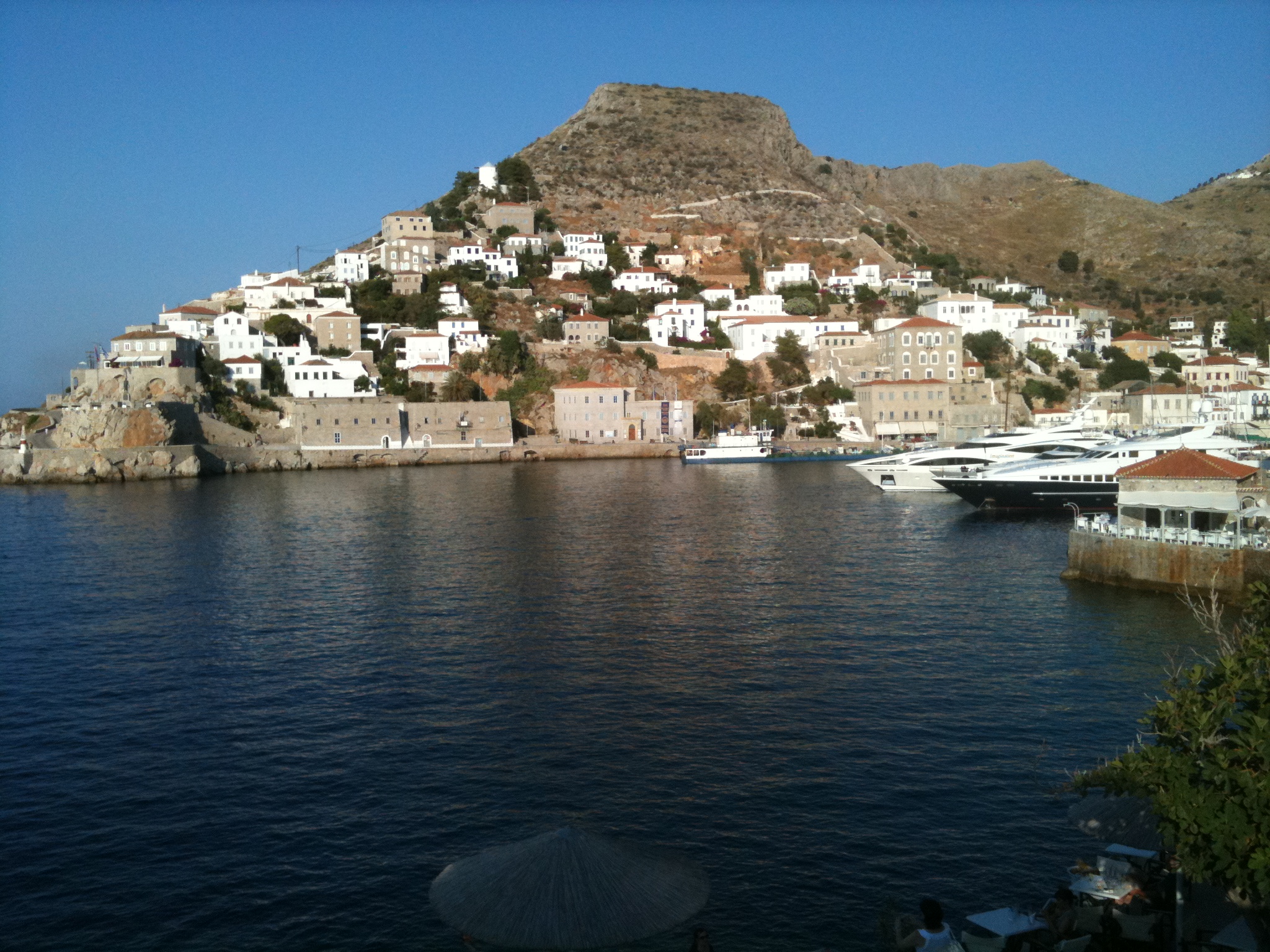
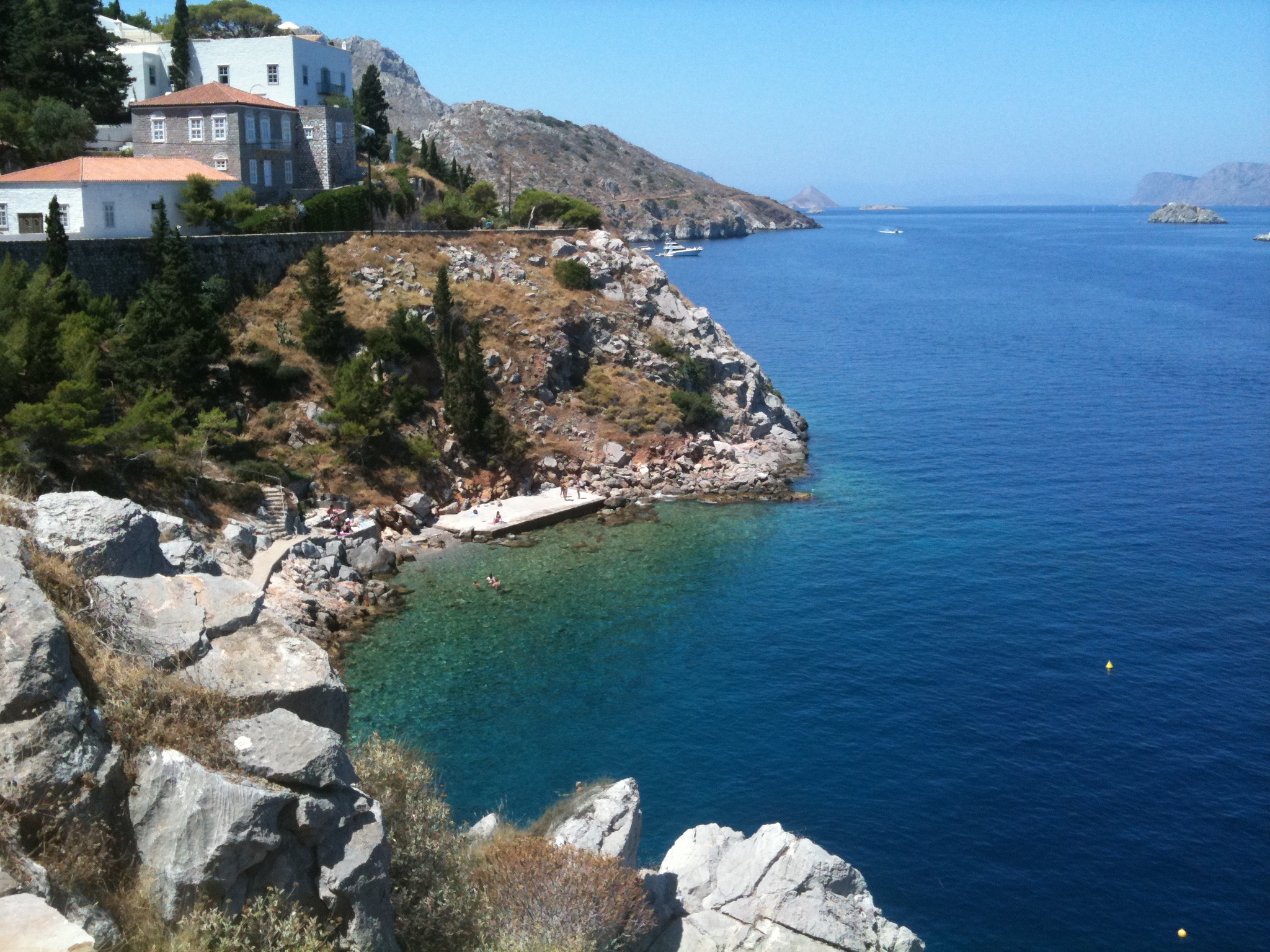
With southerlies (headwinds) predicted after dropping Suzy and Paul in Piraeus, we made a last minute decision to take a ferry to Hydra for the weekend. This is the way to see Hydra, a beautiful town, with a very small and very crowded harbour, with no room for Sea Cloud without rafting up 4 boats deep. After an energetic and hot walk to the monastery above the town we spent the afternoon sitting in one of the cafes on the cliff admiring the crystal clear bay below. Perfect for reading, swimming and relaxing.

We left Athens in light north westerly winds – first stop back at Sandbar Bay on Kithnos.


Great to be getting some more wind – most days now yield a predictable N NW 15 – 20kts as the pattern of the Meltimi sets in July/August. We sailed to Livadou harbour on Serifos, anchoring in the bay with the view of the spectacular chora (hill town) above us.

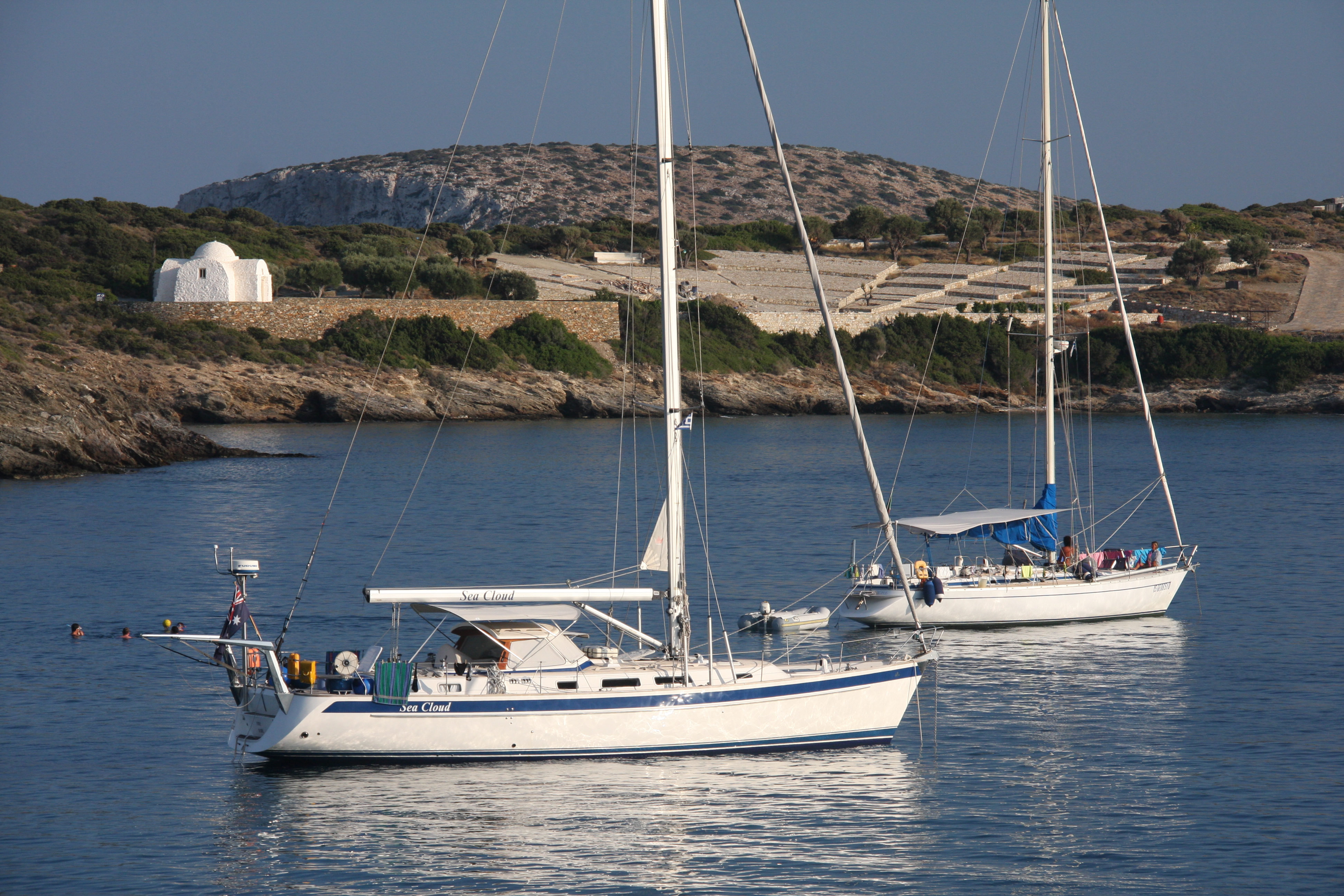
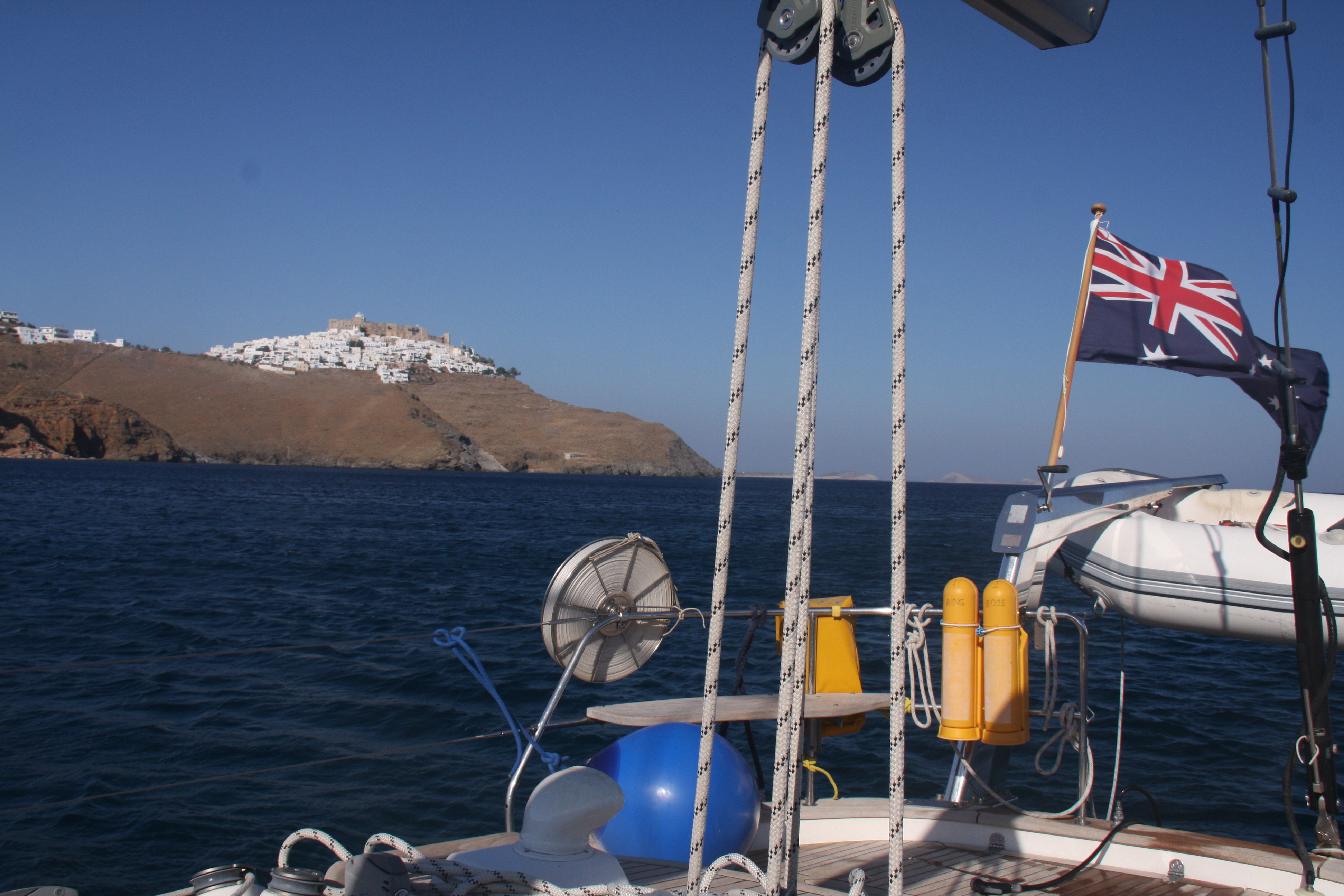
Another very hot walk to the top, a fabulous view over the Aegean and the boats in the bay. Note Sea Cloud framed in the right arch of the belltower dwarfed by the 120ft ketch seen through the left!


Next anchorage was Naoussa Bay on northern tip of Paros, a beautiful, relatively calm bay despite moderately strong Meltimi. Paros town was almost deserted, such a contrast to our last visit in 2009.


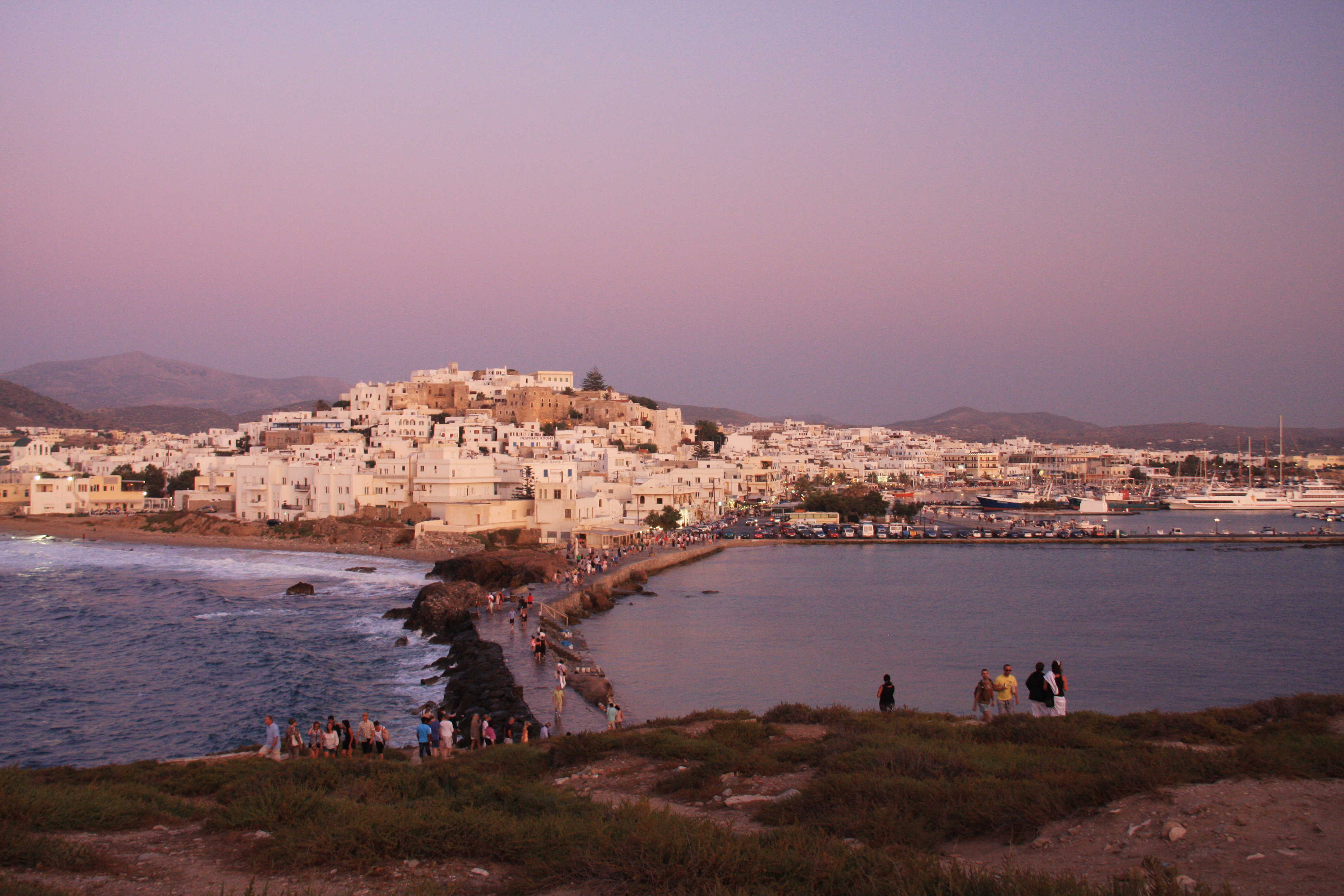
With an increase in winds predicted (Bft 7-8), we headed for Naxos marina, recommended as a safe spot to leave Sea Cloud while we rented a car and explored the island. Wind howls through the marina and the regular surges which occurred with the many ferries entering and leaving this busy harbour made our mooring compensator lines essential. The island is beautiful – quite lush with white sandy beaches fringing the west and south coast. The Temple of Demeter, a well restored and displayed Doric temple set amidst farm land was well worth the visit.  

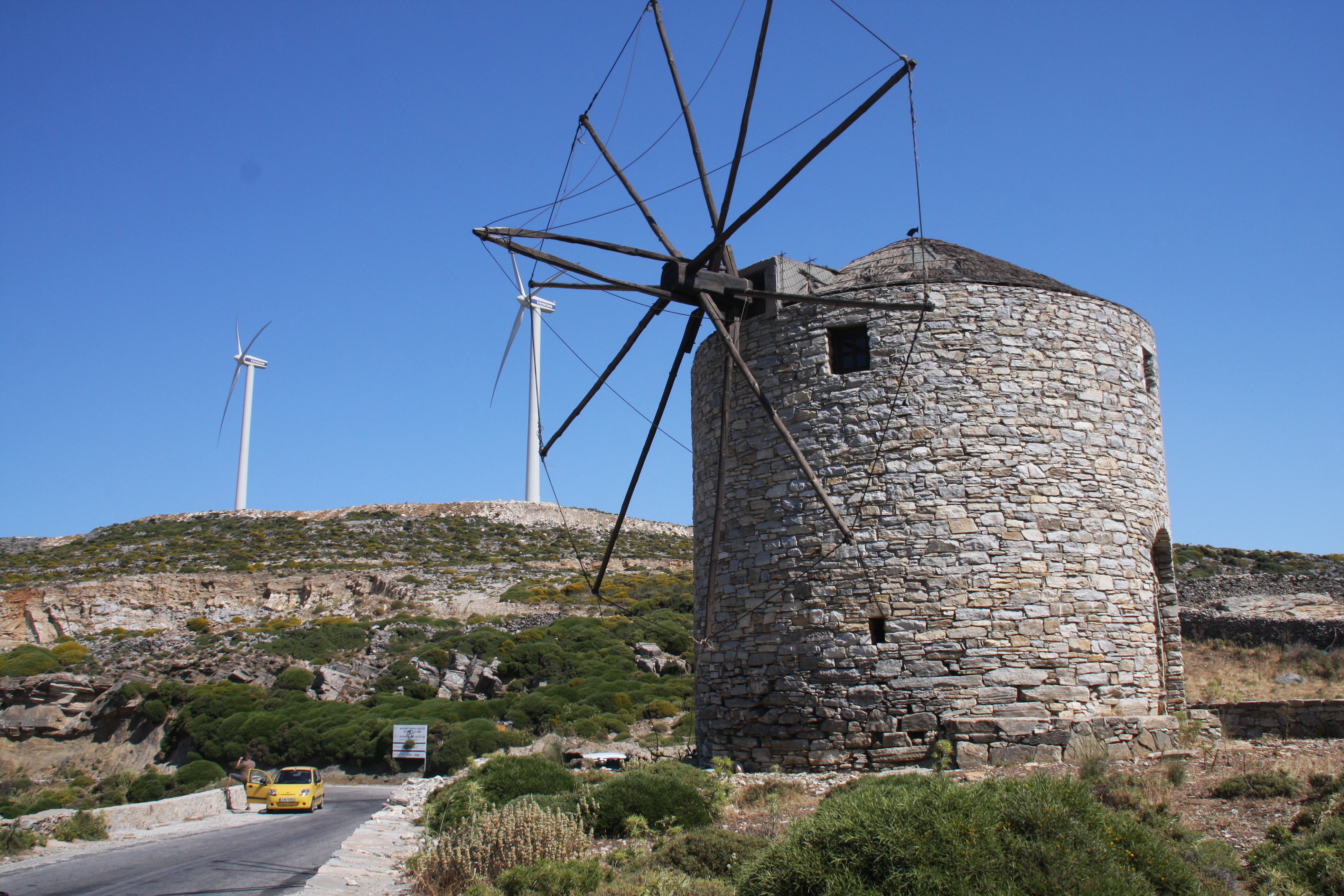
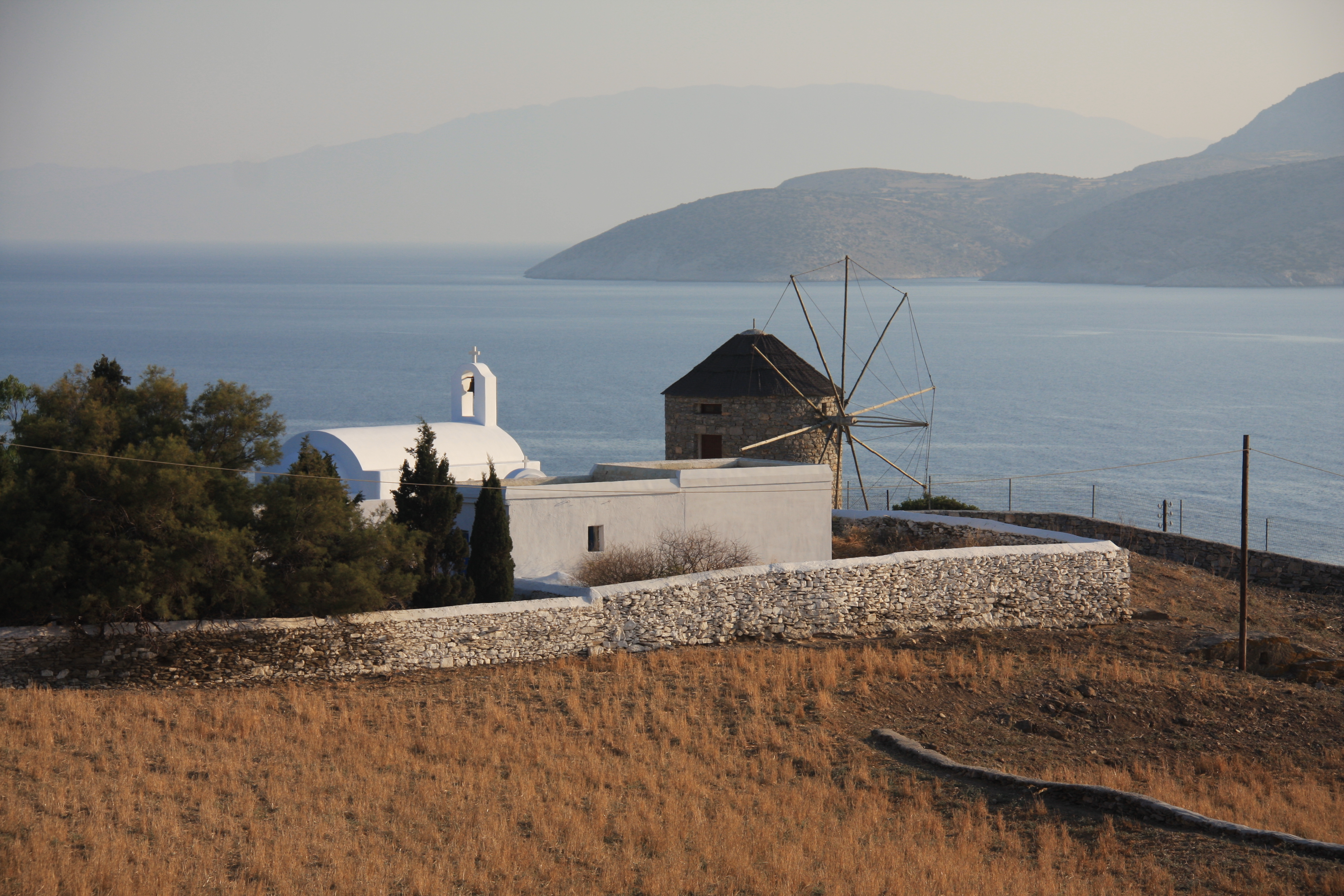
It was not surprising to see wind farms on the ridge lines adjacent to the older windmills that are ubiquitous throughout the Greek islands.

Winds finally decreased so after 4 days in Naxos, we headed down the lumpy Naxos strait in 20 -24kts, to Schinoussa. The main harbour is very small, quite shallow and looked too much hassle with 2 super yachts virtually filling the bay with lines everywhere. Ducked around a couple of bays and found good holding in relative isolation at anchor to the east of town. This island is not on the main ferry route, hence relatively under-developed, quiet and tastefully restored.

We managed to coordinate a few days with Andrew and his friend Greg who were staying on Ios –just 25Nm away to the SW of Schinoussa. We anchored in the ‘sheltered’ anchorage of Milopotamou Bay (blowing about 24knots but good holding in fine sand) close to the rather smart hotel overlooking the aqua blue bay in which Greg and Andrew were staying.

 
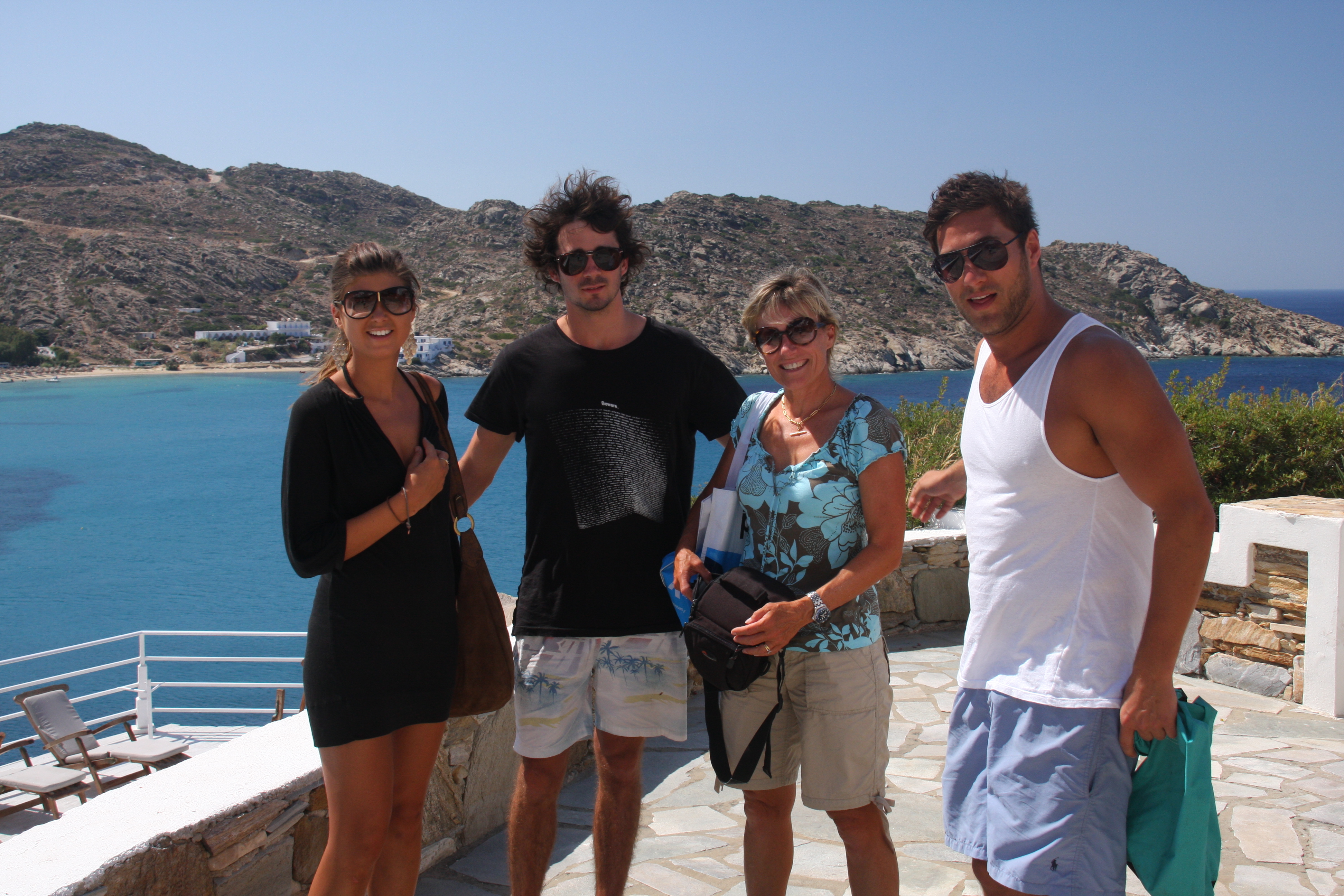
We were very pleasantly surprised by Ios, the beach was beautiful and relatively empty apart from a few hours in the afternoon when the speedboats hoon around the bay. The anchorage was one of the quietest we have experienced in Greece, as all the action occurs in the main town (chora) over the hill. Andrew and Greg had a chance to sail Sea Cloud in lovely breeze but mostly were impressed with the aft sunbaking/sleeping deck with potential for entertaining.

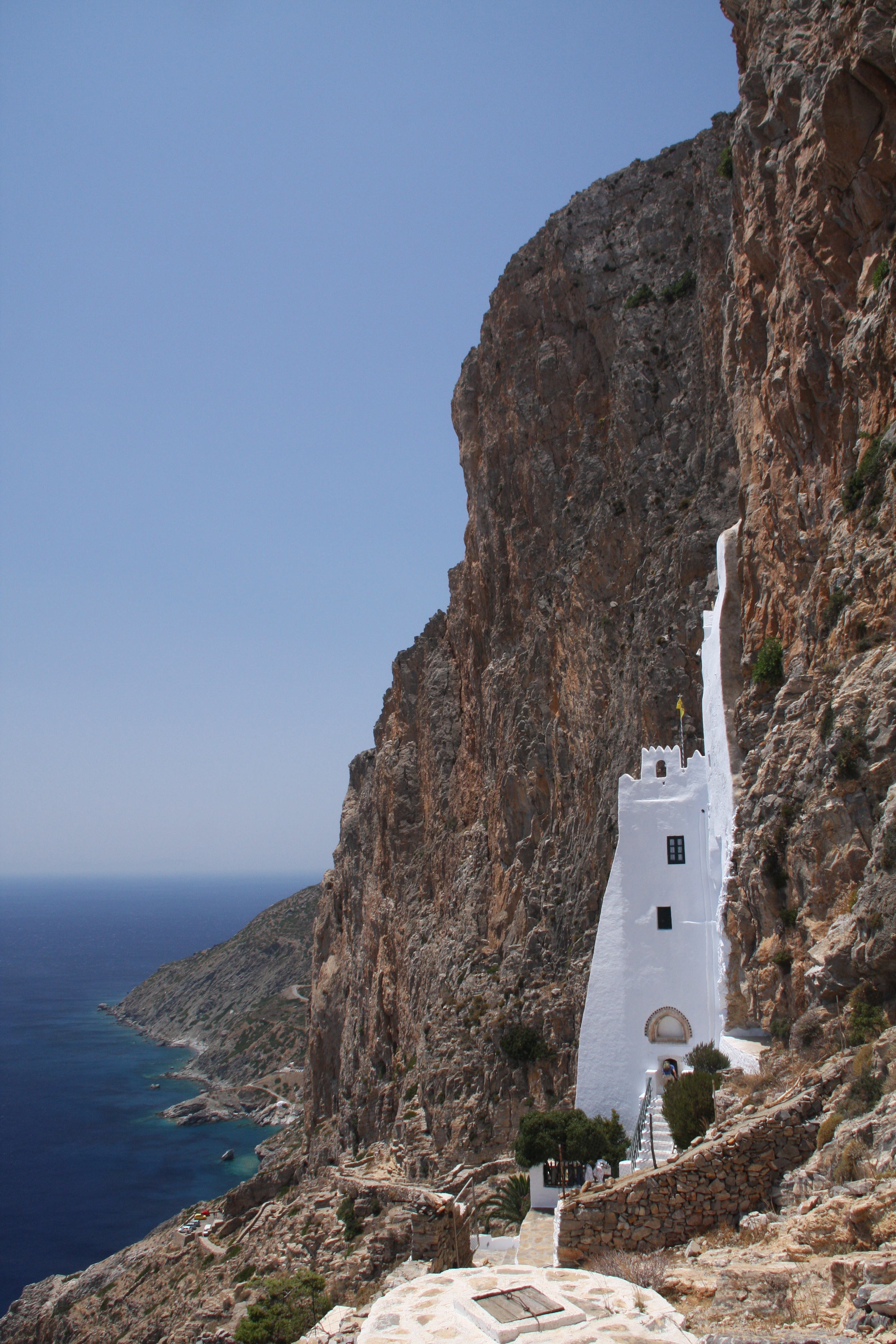
As Andrew and Greg left for more partying in Mykonos, we sailed to Katapola bay on Amorgos where we anchored one night in the bay, and another on the town wall. We rented a car to see the highly recommended Hozoviotissa (9C) Monastery, built into the middle of a sheer rockface, high above the crystal clear water of the Aegean. It is an incredibly spectacular site. Visitors to the monastery are welcomed with a glass of local Raki (liqueur) and a Turkish delight –type sweet.

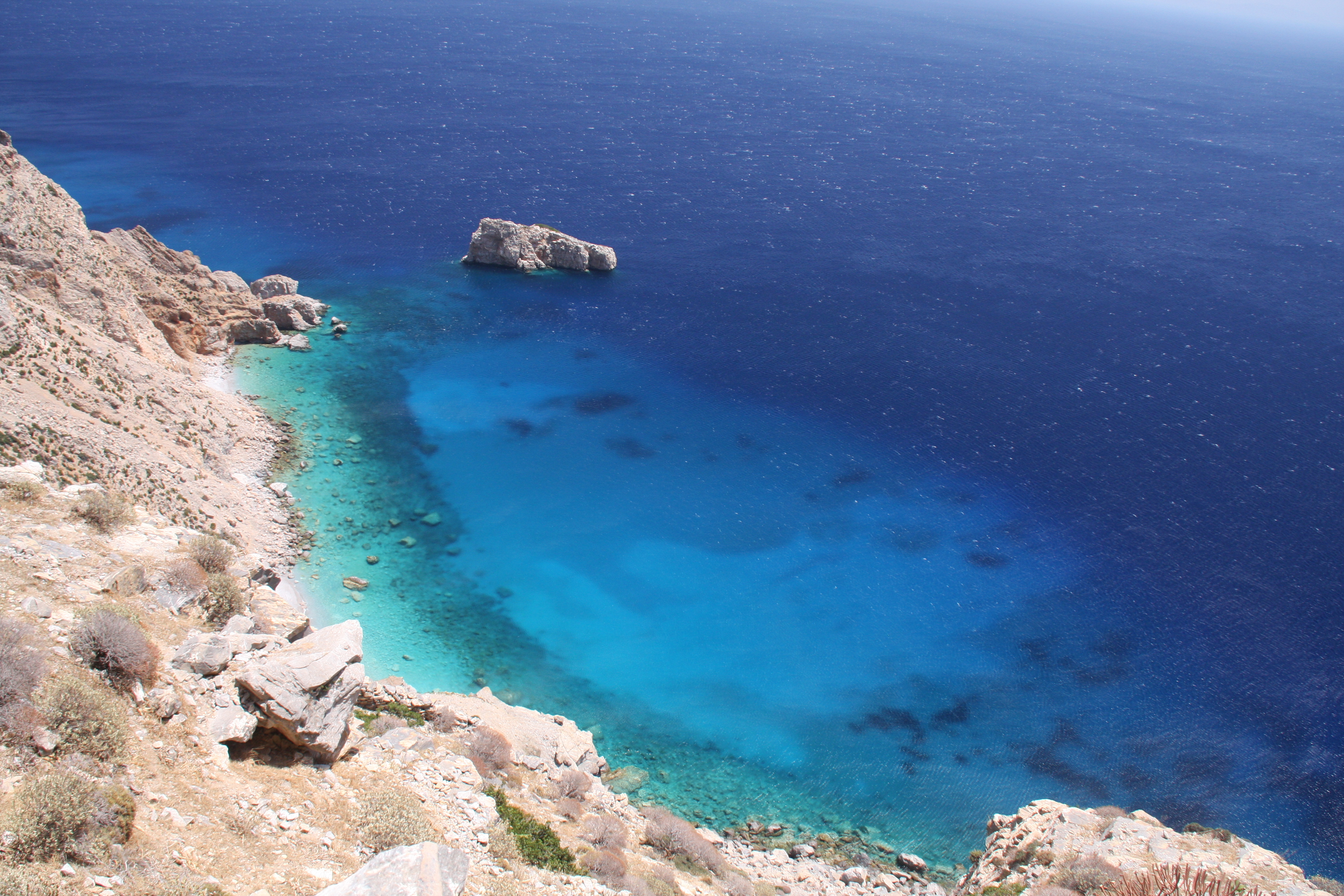
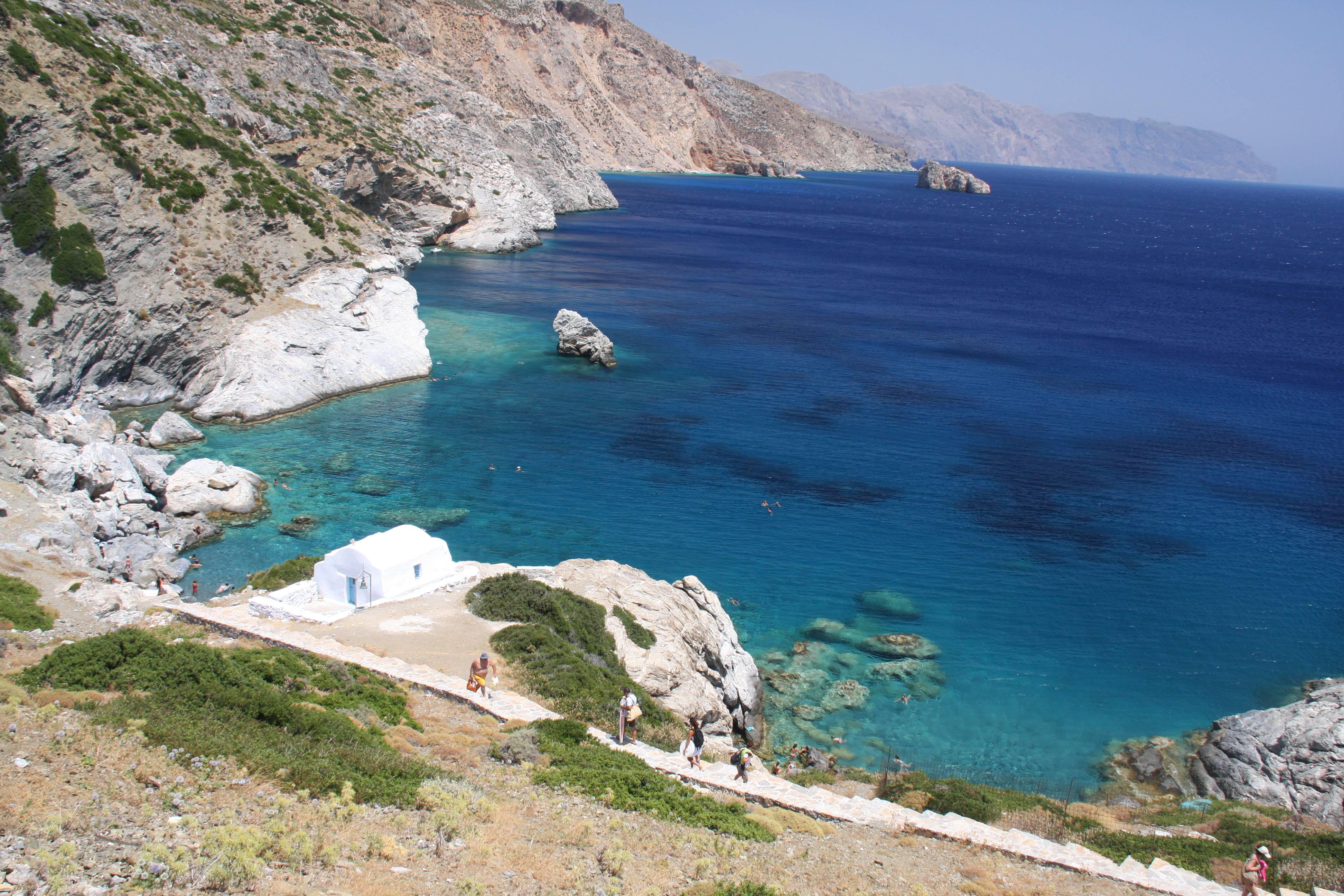
 A swim in the crystal clear blue water below us at Ag Anna was very welcome following the hot climb to the monastery. Amorgos, among others with high mountainous ridges, creates extremely high winds and rough seas on its leeward side despite our relatively calm anchorage on the windward side.

Amorgos was full of surprises, small white washed hill towns dotting the island, wonderful looking anchorages (as long as the Meltemi is not too strong) and spectacular scenery and as everywhere in the Greek islands, lots of goats!

The chora (capital) is a charming village, with winding streets, welcoming small restaurants and shaded cafes. Sailed south from Amorgos in those 25+ knot winds we had viewed from the top of the island the previous day. Unfortunately these lee shore winds died about 5-10 miles off shore, so we motor-sailed until in the lee of our next island, Astapalaia, where the wind promptly picked up to 25kts again. We had planned to anchor in Maltezana bay, a ‘meltimi-proof’ anchorage, but the sight of the beautiful chora in the distance made us reconsider. We anchored in Livadhi bay, a lovely, uncrowded (1 other boat!) but windy anchorage.

Although the winds continued strongly overnight the good fine sand we were anchored in meant we could sleep well. Unfortunately as the winds did not drop overnight, we were reluctant to leave the boat unattended. So instead of visiting the chora, we set sail for Kamares on the south western end of Kos. Our last stop before Turkey was Simi. Checking out of Greece here was an incredibly efficient and easy process in comparison with our check into Greece a few months ago.

We loved being back in the Aegean, had good winds, at times challenging but fun sailing and uncrowded anchorages. We really had the opportunity to put Sea Cloud to the test and are pleased to say at the end of our first few months she is great, very comfortable, sails extremely well close hauled and reaching. Downwind she needs a strong breeze to keep moving at speed – we’ll need to familiarise ourselves with the cruising gennaker soon. Unfortunately, our 400 miles across the Aegean in 3 weeks was all a bit too rushed – partly due to the Schengen agreement which meant we had a deadline to get out of the EU. However, we did take advantage of the ideal sailing winds get to across to Turkey in preparation for leaving Sea Cloud in Marmaris while we go home for August.

June in the Ionian Islands


After a 4 day check-in to Greece (!) in Lefkas, we welcomed our first guests on board, Jenny Harris (unfortunately without David) and her brother Tony Brunskill who would spend 2 weeks with us seeing our favourite places in the Ionian.

A few days were spent on Meganisi Island, relaxing, swimming and drinking freddo cappuccinos.


We ventured back to Fiskardo to anchor on the crowded town wall where Sea Cloud’s stern was a metre from restaurant tables and our anchor line across the lines of another few boats. This is unavoidable in Fiskardo, but was preferable to anchoring in the bay where 14 yachts had dragged during the night during our last visit here in 2009.

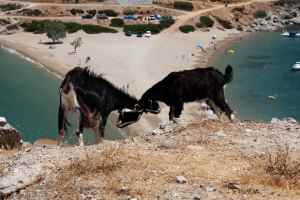
The spectacular “Billy Goat Bay” on Ithaca’s east coast was a lovely spot for an afternoon swim. We couldn’t believe how the goats had made it to this site half way down the cliff face, or more importantly how they would ever get out again!

Huge thunderclouds made us head for the safety of Vathi, dropping the anchor in the first safe place we could find with one lightning strike 50m from the boat. Scary stuff, with lightening flashing all around us. After the storm as the clouds lifted we were rewarded by a wonderful sunset and a lovely calm night in deserted and beautiful bay.


Kioni and the famous Ithaca Onion Pie recommended by ‘fat Steve’ in 2009 did not disappoint! The reward of a nice lunch was much needed following a rather botched ‘med moor’ which rather upset captain Ian. Alright for him to complain from the deck while Tony and I tried to avoid the spiky sea anenomes while trying find appropriate rocks on which to tie Sea Cloud’s stern lines.

After saying goodbye to Jen and Tones, we had a day of catching up on chores back in Lefkas before the arrival of our next guests, Suzy and Paul Tait.


This was Suzy and Paul’s first visit to Greece. It was good to see Lefkas through new eyes for the rather charming place that it is. Previously we had associated visits to Lefkas with boat repairs and the inevitable associated hassles.

The calm weather and too little wind, meant that we could explore other anchorages, one being One House Bay on the east side of Atoko island. This uninhabited island has  a charming small chapel, beautiful crystal clear water and the most amazing rock formations.

We were very  upset to find that the beach had been used as a rubbish dump. This was obviously enjoyed by the herd of goats, who seemed to dine on rubbish and local vegetation, then wash it all down with sea water (see goat on right)! In true scientific way, we had to google this at the next opportunity to find that there was a published paper on sea water drinking by goats, who apparently can do so if their diet is supplemented by enough water bearing vegetation.Perhaps the necessary gut and renal physiology required to do this needs investigation?

Our last night in the Ionian was spent back in Kioni (more Ithaca onion pie) before heading up the Gulf towards Corinth.

It was good to be back to Galaxidhi, one of our favourite towns, where Angelo, owner of the OK Café, held our expected spare boat parts and organised a car for us to make the mandatory trip up the hill to Delphi.


The Corinth Canal. After an early start and a morning of motorsailing, we had a very amusing hour waiting at the entrance to the canal listening to the conversations between approaching boats and the man in the control tower who spoke in very heavily accented English. In particular we loved hearing a rather forward Kiwi woman in Laroobaa (Melbourne flag) asking why she had been kept waiting so long. The Greek man seemed to love the name and was heard saying “Go Laroobaa!” many times over the VHF as they came out of the canal.

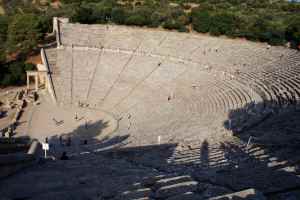
To complete the cultural experience, we anchored off Old Epidauros a short taxi ride from the wonderful ancient site – the sanctuary of Asklepios, the cult following of which necessitated building the world famous amphitheatre and small stadium among the “dormitories” for the sick who made the pilgrimage here. Asklepios, a son of Apollo, had remarkable healing powers and the cult lived on for centuries after his death. Of course his famous pose leaning on the auger’s wand entwined with the magic serpent formed the elements of the caduceus – the doctors’ emblem.

Our last stop with Suzy and Paul was Aegina Island. We picked the right time to visit Aegina as the national Greek strikes meant that the usual very busy ferry port was very quiet, making for simple anchoring and a comfortable night.

Finally sailing

At long last, as the ‘official’ owners of Sea Cloud, we left Brindisi Marina, our home for nearly a month and headed for north for Croatia.

Once again, what little wind we had was “on the nose” so after a night of motoring we arrived in Cavtat, just south of Dubrovnik, a very efficient and painless place to check in to Croatia.

A great time of year to be here, we were the only boat in large Tiha Bay behind Cavtat. With no wind predicted and no prospect of actually sailing anywhere, Ian would have been very happy to stay here, but was talked into motoring north to Lopud Island – the first leg of our route retracing our favourite spots from 2009.

Finally some wind! After living on Sea Cloud for nearly a month, this is the first time we could actually sail her! Pleasing to see she can sail close hauled doing 5knots in 5-8kts of wind. Not earth shattering stuff – but a start at last! Lovely!

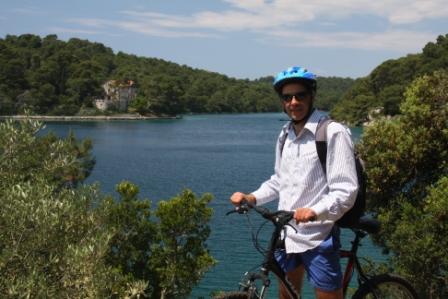
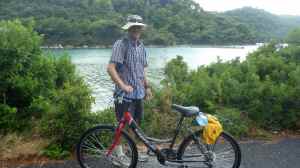
Return visit to a favourite island of Miljet for a couple of very pleasant days walking and cycling.

Brief (unavoidable) stop in the busy (and expensive) ACI Marina, Korcula.

With good NW winds predicted for Sunday, we sailed across to our favourite island, Lastovo almost midway between Italy and Croatia

Lastovo would be our check out port and jumping off spot for the passage to Greece, via Brindisi. We were very happy to secure our favourite secluded spot which had many fond memories from our 09 visit to Lastovo.  With the great opportunity of strong NW winds predicted, and faced with the 290Nm passage back to Greece, we checked out of Ubli early.

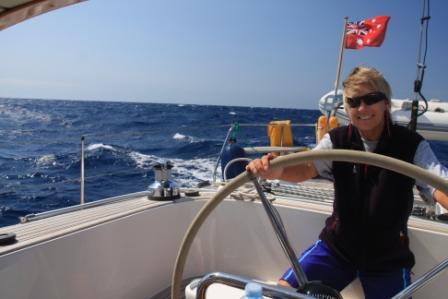
 Fantastic to finally have a good breeze! Sea Cloud loped along comfortably on a broad reach in the 19-26knots of breeze at over 8kts. The breeze lasted all the way to Brindisi – with Sea Cloud occasionally surfing down the (up to 4metre) waves at 9+knots! Not bad for an 18.5ton boat.

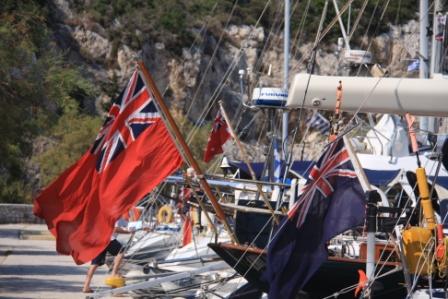
 Approaching Brindisi at dawn with winds predicted to continue, we decided to take advantage of the great conditions and just kept going – another wonderful day sailing at in 16-19knots of breeze pushed us quickly south towards Greece. After a 48 hr (290 Nm) passage we arrived early morning in Gaios on the Ionian Island of Paxos (note the very small Australian ensign amidst the predominantly British flags). Port authorities pretty casual and, having run out of the correct forms suggest we postpone the process till arrival in Lefkas – Welcome to Greece! After a successful first Med-moor in Sea Cloud, we settled in amongst the mainly British yachts for a few days of R&R and a toast to our wonderful first 2 weeks as owners of Sea Cloud.

The beginning of a new cruising season

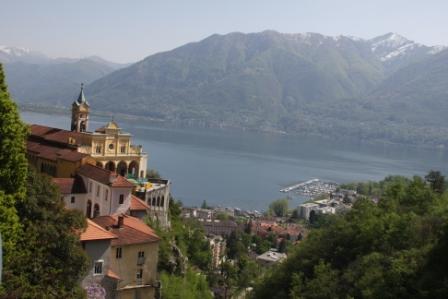
After a long trip via Tokyo (with an earth tremor at 2am to focus our attention while trying to sleep on the12th floor of the airport hotel) we arrived in a very warm Switzerland where Ian would spend the week involved in a conference while I enjoyed the sights of Ascona. Ascona is a popular, small resort on Lake Maggiore; in the Italian part of Switzerland.

Luckily the conference organisers had scheduled some time for sightseeing with a mountain hike and a visit to the island of Brisago. Brisago has a unique microclimate, never falling below zero (currently 280 C early April!) and its villa with botanic garden supports many exotic species (even banana trees!). It felt rather weird being in Switzerland, wandering beneath huge gum trees and looking at native Australian plants flowering better than in our garden at home with the remnants of snow capped peaks in the background.

We spent a few days in Athens en route to Lefkas where we would pick up Sea Cloud.

A very enjoyable week was spent with Sea Cloud’s owners, learning about her and how to prepare a boat for the summer season. 

After a week of getting the fundamentals up and running, it was exciting to leave Lefkas for Brindisi on a lovely sunny afternoon with Ian at the helm for the first time – even though we had many hurdles yet before we were to transfer ownership. A very pleasant, easy 24 hour passage, but unfortunately we motored rather than sailed as the light (5-10kts) of wind was on the nose and we needed to get moving with the paper work from  Italy.

A few last jobs complete, it was time for the previous owners to hand over the beautifully set up and maintained Sea Cloud to us and head back to Switzerland. We were so fortunate to have spent time with these lovely people and hope that we can look after Sea Cloud as well as they did.


The few weeks wait for papers meant that we had have had time to settle in to life on board.

and sightsee, initially in Brindisi, and then further afield in Southern Italy.

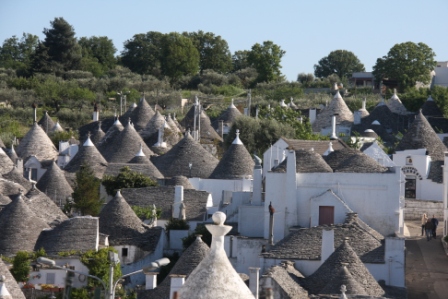
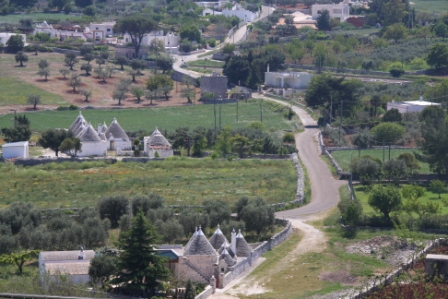
Puglia, the tip of Italy is a great undiscovered area, fascinating towns, wonderful friendly people great food, wine and olive oil – and most appealing to Ian, it is very economical! With the necessary rentacar, we  visited Monopoli ( a lovely harbour town on the east coast to the north  but too small for Sea Cloud),  Alberobello with the characteristic Trulli houses  and Ostuni where we stayed in an old Palazzo with superb restaurant – it’s going to be hard to go back to Greek food after this!. 

Matera (in the adjacent province of Basilicata) is worth a visit .

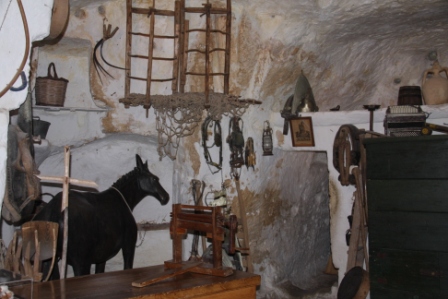
The region has been continuously inhabited by cave dwellers for nearly 1,000 years, in the main township up until 1952.The B&Bs and hotels are now springing up in resurrected caves – our very comfortable cave room  was about the size of the house previously occupied by family of 8 along with its donkey.

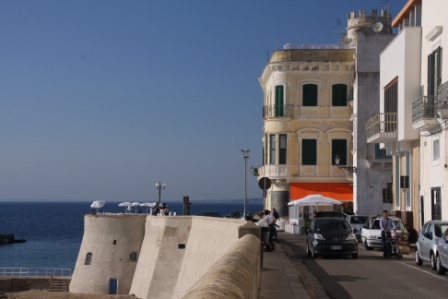
The last stop on this brief tour was Gallipoli (west coast of the very tip of the “heel” of Italy – named by the Greeks who, in tandem with the Turks, occupied this area previously).  Our last night away from Sea Cloud was spent enjoying a campari, watching the sun set over a lovely calm sea, just across the road from our B & B – Fawlty Towers meets Portofino!


Back to Brindisi to provision, a few last minute repairs in readiness for our departure to Croatia as soon as registration papers arrive from Australia. Most importantly, we needed to put “Sydney” on the stern and hang our Aussie flag!

2011 plans

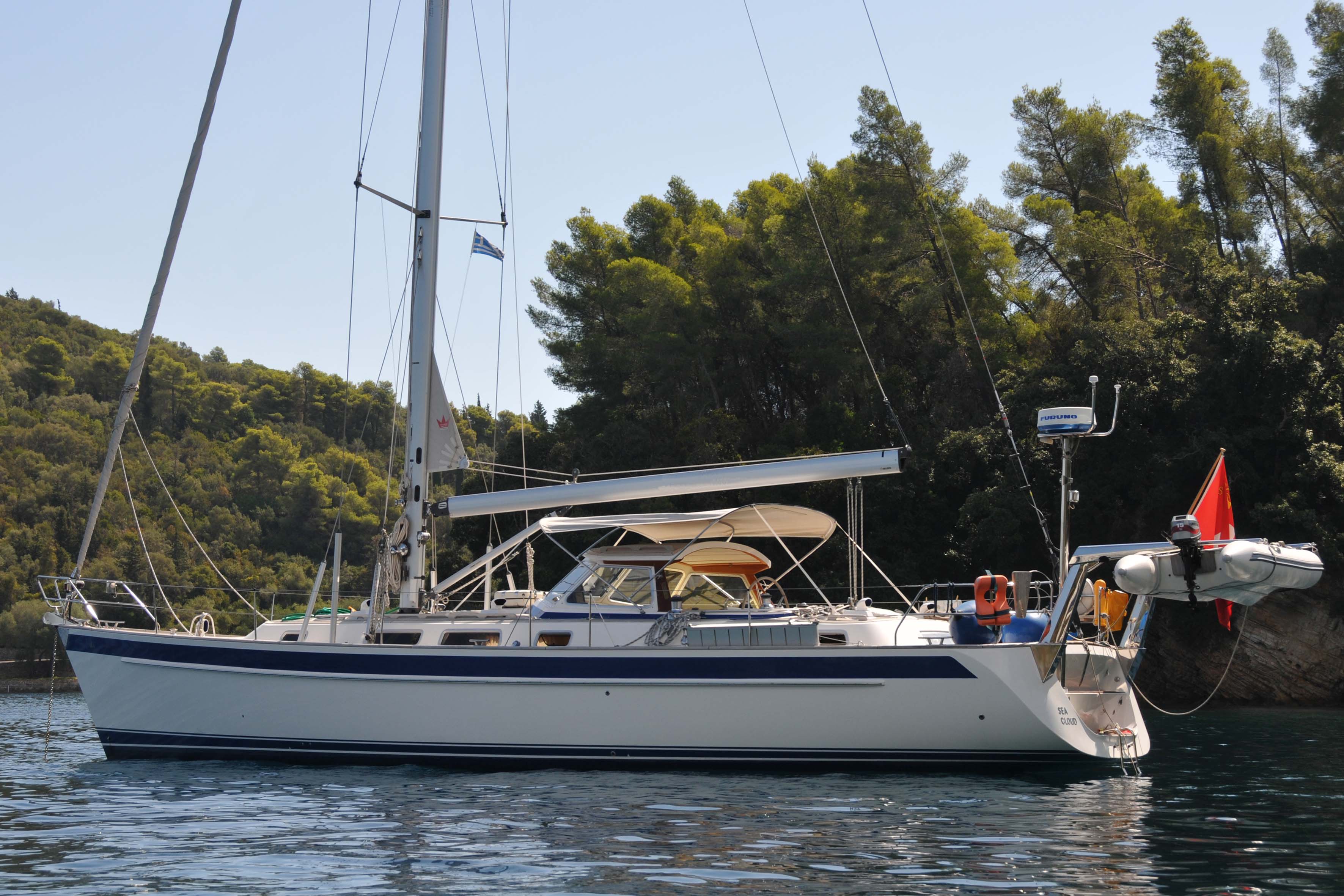
After years of looking for the right boat, we have finally found Sea Cloud, a lovely 5 year old Hallberg Rassy 48, currently lying in Greece. We will be taking delivery of her in the Med in April/May this year. Our plan is to cover some familiar territory, Croatia and Greece and then head across to Turkey where we will leave her for next winter.

Epilogue

After logging 2,046 nautical miles in 150 days; would we do it all again? Without a doubt! It’s been a steep learning curve with countless novel experiences – mostly pleasurable; some stressful; a small handful somewhat terrifying. Despite the ups and downs, Xela was returned completely unscathed and probably in better shape than when we first boarded her – thanks to the intensive maintenance schedule! We’ve learned a lot – including how much there is yet to learn. We’ve learned to love and respect a good anchor. We’ve learned what we want and don’t want in a boat. Everything is a compromise in finding the ideal boat but we now lean more towards security and reliability over comfort – although there is a limit to that formula! However, there is little doubt that confidence in ones boat is the most important part of a complicated equation. We’ve learned that the Med weather, while generally benign, deserves a healthy respect as it can bite you – sometimes unexpectedly. It can also be very frustrating for the sailor (ie too much or none at all at times). August is to be avoided if possible – May and September were our favourite months (despite the somewhat more unsettled weather). Next time we’d park the boat and find a quiet place (if it exists in Europe) to escape the August madness and charter boat circus. We’ll certainly be back for more – the Eastern Aegean and Turkey are next on our list – hopefully sooner rather than later.


40

Some recollections:

  • Clearest water in the Med: Toss-up between Lastovo Island and Drevenik (Croatia).
  • Favourite Greek Island: Paxos (and Antipaxos)
  • Favourite Croatian Islands: Lastovo, Miljet.
  • Weirdest anchorage: Former Yugoslav military base in Lastovo.
  • Best beaches: Myrtos (Kephalonia); Emerald Bay (Antipaxos).
  • Best monastery: Visovac (Krka river), Croatia
  • Best (and cheapest) coffee: Petrol station at the Bosnian-Croatian border (75 Euro cents). (Coffee is Bosnia’s national drink).
  • Best Capuccino Freddo (wonderful Greek “iced coffee”): Gaios
  • Most surprising moment – catching a fish 3 miles off Split/Trogir – there still are fish in the Med.
  • Dumbest things seen: A close tussle between the following two boats: 
  • a) The ship of charterers (sporting a pirate flag), who within 1hr of anchoring virtually on top of us in Sounion Bay had: lost their hot pink floating mattress to the Meltemi; nearly lost 2 of their crew + dinghy when they chased it without oars and a faulty outboard (rescued by a nearby crew from Super yacht); nearly lost one extra (poor swimmer) crew who swam out to get them and nearly didn’t make it back against the wind; jammed their self furling mainsail; hoisted the captain up the mast in a bosun’s chair to unjam the mainsail and then “dropped” him – Jatz crackers first – onto the spreaders – facial expression was priceless. All within one hour!
  • OR b) the yacht that cut inside us too close to a dangerous headland on a lee shore and “raced” ahead to beat us to the last section of breakwater wall in Loutra (Kythnos) – he was in such a hurry to grab the spot (in a 25kt cross-wind) that he backed to the wall, attached stern lines – but had forgotten to put out his bow anchor first. Not surprisingly he rapidly collected all boats to leeward and created a huge amount of fuss on the dock.
  • Most bureaucratic experience: Checking into Greece in Corfu – 2.5 hrs. Second most bureaucratic moment – checking out of Greece. This particular “job creation scheme” has to be seen to be believed.
  • Nicest anchorage: We’re not telling – in case it gets ruined! Close contenders: “Lilo’s” Bay in Croatia; One Tree Bay and Billygoat Bay on Ithaca.
  • Most unexpected place: Galaxidi (Gulf of Corinth) – lovely harbour town very close to Delphi and Navpaktos. Off the “beaten track” and away from the crowds being in the Gulf.
  • Most interesting chance meetings: Wolfie and Doris (SV Seenomaden) Lastovo (2 circumnavigations including 2 seasons sailing in Patagonia).
  • Most amazing sight: Seeing the stars reflected in the water in Lastovo (lowest light pollution in Europe).
  • Most disappointing moment: Watching the Springboks wallop the Wallabies in a bar in Frikes harbour.

Blog 6: The home stretch

The home stretch: favourite haunts and new surprises

Arrived back in the Ionian Islands, dreading the August crowds awaiting us there. Couldn’t believe our luck first night back – had the lovely Sarakiniko Bay on Ithica all to ourselves! We renamed it Billy Goat bay after the little family of 4 who visited each morning and afternoon to lick the salt off the rocks by the water’s edge. 

1

Back to Kefalonia to meet Emily and Alex, who were meeting us for a few weeks at the start of their Gap year European adventure. Spent a few days on Kefalonia visiting ‘must see’ spots such as Mytros Beach. Unfortunately, as there was little wind during their 10 days, we only managed to sail once. 

2

3

Spent another (more crowded) night in Billy Goat Bay, where Em and Alex practiced their rowing skills, then on to Frikes (Ithaka) which was full of flotilla yachts – mostly with Pommie, Kiwi and Aussie skippers. Ian enjoyed their company (and too many pints) watching the All Blacks and Springboks game in the Greek/Aussie bar in Frikes. 

4

5

Back to Sivota Bay and dinner with Spiros. So busy! In mid August, the bay looked like a parking lot and the small marina choked with large (mostly Italian) motor boats. Our last few days with the girls were spent organising their future travels, swimming and eating before they left us in Lefkas to catch the bus to Athens. 

6

7

8

Back to Lefkas for some preventive maintenance on the fuel tank. In true Lefkas Marina style, we parked under the travel lift next to the rubbish dump for which we paid Euros 60 per night – complete with the flies and no water/electricity hookup. Fortunately we were only there for a night, leaving pre dawn for the sail (mainly motor once again) to Gaios, on Paxos. We spent a very pleasant few days there people watching and swimming. 

9

Next stop – the wonderfully positioned Mandraki Marina in Corfu Town. It sits right under the old fort with access to town via a tunnel through the walls, probably one of the best spots to stay in Corfu. Corfu, once we got used to the tourist masses, was quite charming. Our last night was spent at a mixed opera recital at the Ionian Academy – organised by some Brit expats. Seemed fitting as the first opera ever performed in Greece (1740) was in Corfu. Fortunately, as it was so very hot, we weren’t the only ones attending in shorts and deck shoes! That will probably be the first and last time we attend such an event in such an unglamorous attire! 
10

 Time to leave Greece. Thankfully completing the Customs/Immigration/Port Police circus (AKA, Greek public servant job-creation scheme) for the last time. This bout only took us an hour to check out, in preparation for our passage to Croatia. We would have been happy to stay in Corfu, but a favourable weather forecast can’t be ignored, so we sailed (or motored once again) for San Stefano, on the northern tip of Corfu. It was a lovely bay (popular with the British “Villa vultures”), but unfortunately totally spoilt by the boat rental companies. We counted about 40 motor boats for hire tied up at the dock, which meant a constant flow of boats speeding past Xela, resulting in noise and rocking and rolling all afternoon.

11

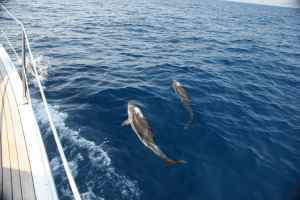
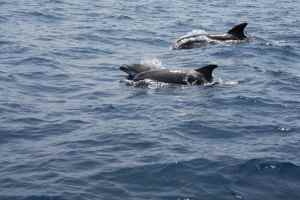
21st August: The morning Naxtex signal from Split and local forecasts were both favourable, so after a quick check of the long range forecast (and last frappe in Greece) we left at 10.30am for our passage north into the prevailing north westerlies. Unfortunately at this time of year the wind is NNW or NW 90% of the time and bashing into it is unavoidable when heading back to Croatia. As it turned out, we had benign conditions, (slight seas and winds 2-10knots on the nose), resulting in motoring the entire 177 N miles. Quite a few other yachts heading for Italy, and lots of dolphins to keep us company! 

12

Twenty six hours later, we arrived in Bigova, Montenegro, a lovely quiet, large bay with incredibly clear water, much colder than Greece, a great spot for a relaxing afternoon recovering from our lack of sleep. 

13

Reluctantly left Bigova for Cavtat our check in point for Croatia. To our surprise, it was a lovely town – planned to stay only a day and ended up spending 5 here. We anchored in Tiha Bay, adjacent to the main town (which was full of superyachts) feeling very relaxed being back in Croatia. We now had a month before we needed to be in Hvar, so we could finally slow our pace. During our first night we were enjoying a guitar recital in the cloisters of the local monastery when one of the windows slammed in the breeze, making us wonder how Xela was faring in the adjacent bay (exposed to the north with reportedly poor holding). Managed to row the dinghy into the breeze out to the boat as it was only blowing 20 knots at that time. It quickly increased, however, to 35kts. As we were on a lee shore, we quickly shifted the boat across the bay – blowing just as hard but with more room to move, and re-anchored. The “unreliable holding” and a few anxious hours listening to the wind whistling, made us realise that maybe we had been just a little too relaxed! Despite the commotion, the anchor held and the wind settled the next morning ahead of a few mirror calm days in this lovely bay enjoying sunsets, swimming and pottering around Cavtat. 14

15

16

We headed for the Elafite islands, staying on Lopud and Sipan. Despite their proximity to Dubrovnik, they were surprisingly unspoilt and uncrowded for the last week of August. 17

18

19

We spent almost a week in Mjlet Island, moored in the very sheltered bay at Polace. Miljet is a perfect base for walking, cycling and swimming and sampling freshly caught fish (stored under the dock where we moored Xela). A few days of a very strong (northerly) Bora and some rain provided cooler temperatures for land based activities in this lovely National Park. 2122


2324

Our next week was spent in Lastovo, the most western of the Croatian Islands. It is wonderfully unspoilt, having been open to tourists for only 15 years, and has a strong Italian background. In fact on a clear day from the peak one can see Italy only 57 miles away.

26

27


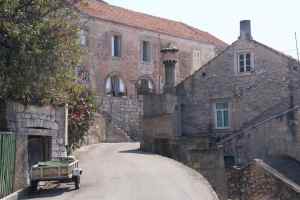
Lastovo town was a wonderful old town nestled on a hillside overlooking the vineyards below.


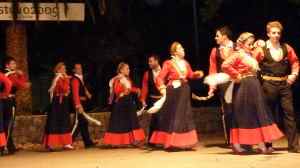
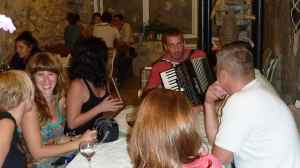
28We were lucky enough to see the local folk dancing in the square followed by a dinner in the town where we were entertained by some locals, guests at the next table who pulled out the accordion and spontaneously sang before, during and after their dinner. 
29


30The Hotel Solitudo provided a good base for catching up with some work, especially as the unsettled weather continued, with strong southerly and then northerly winds. Xela was safely tied to a concrete wall adjacent to the former Yugoslav base complete with tunnels into the hillsides large enough to accommodate small ships.
31

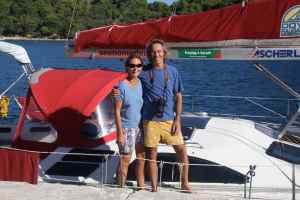
A few lively evenings were spent with Wolfie and Doris, Austrian “sea nomads” who have spent 12 of their last 21 years of cruising living aboard their 41 foot yacht Nomad, clocking up over 65,000 nautical miles during 2 circumnavigations (including 2 seasons in Patagonia). (See their website http://www.Seenomaden.at to learn more about this fascinating and delightful couple). 

32

The last few weeks aboard Xela were spent pottering around Hvar, cycling between Starigrad, Vborska and Jelsa, and catching up with friends Mal and Janet Robilliard.

33

34

35

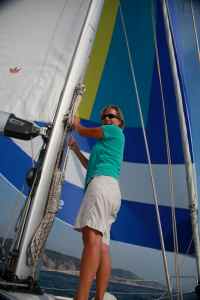
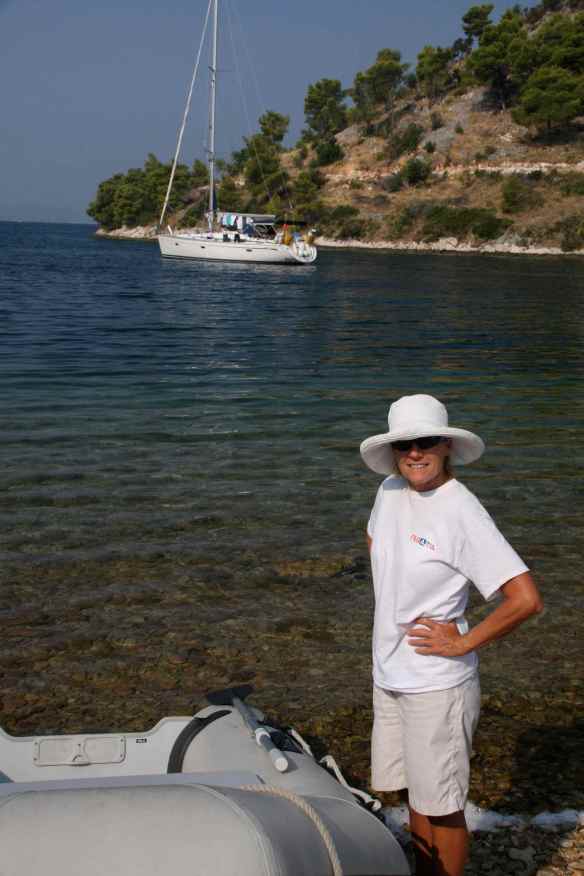
36We also managed to finally put up our cruising chute!


37


Being cool and September, it was now possible to find isolated bays where we could anchor alone – much welcome relief after playing “beat the charterers” to overcrowded anchorages during the busy summer months. 


We farewelled (ate) Basil (our surrogate pet for the 22 weeks), and sailed Xela at sunset back to base at Kremik, before heading for Budapest, Prague Berlin and home! 38


39

Blog 5: Athens to the Cyclades (West Aegean)

July 2009

Athens seen from the water is a huge, dense sprawling city and the waters around studded with tankers waiting to enter the harbour. Hard to believe seeing dolphins this close to civilisation! We have seen them almost every longish sail since arriving in Greek waters (and one very rare monk seal).

1

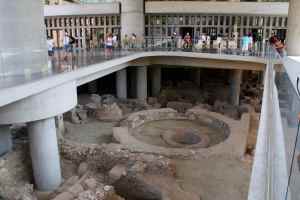
We berthed in Marina Alimos about 15minutes by taxi and 40 minutes by tram from the centre of Athens. After a day of sightseeing and a wonderful dinner, we welcomed Andrew onto Xela at 3am. The new Acropolis Museum is an architectural delight, a beautiful building suspended over an archeological site. Andrew had many opportunities to practice his new passion of photography, taking some wonderful photos during our time with us. 

2

3

4

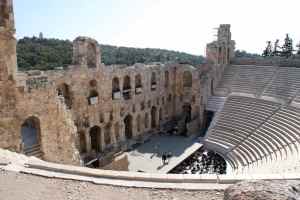
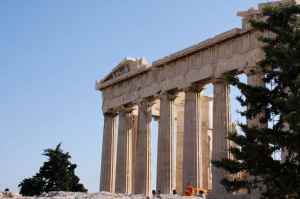
We (and 3,000 tourists disgorged from a cruiseship) visited the Acropolis and were lucky to see rehearsals for that night’s performance of Swan Lake in the Odeon of Herod Atticus, but unfortunately all tickets sold out for tonight. It would have been great to see a performance in one of these wonderful ancient sites being used as venue for the Athens Festival. 

5

We all really enjoyed the atmosphere of Athens and the fantastic glimpses of the ancient sites seen from so many spots while wandering the streets of the Plaka. 

6


7

Off to the Cyclades Islands in the Western Aegean, with its reputation of beautiful barren islands with little white houses and the howling meltimi! We had initially planned to sail all the way across the Aegean to Turkey, but while in the Ionian, decided that this was not realistic achievement in the time that we have. Sailing east across the Aegean with strong, mainly following, winds to Turkey would be easy. However, getting back, with the meltimi on the nose, would be extremely hard work and could take a lot longer than we really have to achieve this. 

8

We decided that best to sail south east with the prevailing NE meltimi in the Western Aegean, to visit the islands of Kea, Kythnos and Siros and then travel by ferry to Santorini where Andrew would join his friends. These islands, relatively close to Athens are more popular with local rather than overseas tourists. Our first stop, Kea, had an amazing capital Iouleda, a village nestled into the valley, with a maze of tiny streets and little houses, which were almost built on top of each other.
9

10

Over dinner we met a local sailor Karatasso, a lovely man who became our advisor on weather, places to anchor and eat during our stay in this part of the world. Communication, in particular up to date weather information has been a constant struggle in Greece as we are only able to access on line weather forecasts from internet cafes. Unlike Croatia, where we bought a USB modem for internet access, Greece has no such plans available for tourists. Our regular calls to Karatasso were great as he was able to provide us with 3 day forecasts, very necessary to supplement the 12-24 hour forecasts provided by VHF on “Olympia Radio” and our Navtex (when it works).

Andrew settled into life on board very quickly, working on his tan, photographing lovely sites such as Sand Bar Bay on Kythnos, and providing a very welcome additional pair of hands. 

11

12

13

After a very challenging sail in mounting winds and seas, we arrived in Loutra Harbour on Kythnos. 

14

15

In the picture (below) Loutra looks very benign, but we arrived, with a 24knot wind behind us, charging into this bay towards a very shallow lee shor, when the steering failed. Luckily Ian had identified the problem the day before, so was able to react and alter course just in time to stop Xela either running onto the beach or the nearby rocks! 

16

After all that drama, Loutra harbour was full. Hence we anchord in the nearby bay, a peaceful cove, full of boats visiting for the day to eat at the wonderful taverna on shore. 

17

Our peaceful night was interrupted when the boat next door dragged anchor in the middle of the night. Captain Ian was up giving orders when Andrew suggested he “chill-out”! This caused the only clash between father and son during Andrew’s visit. I think Andrew was quite surprised at how tricky the conditions were at times and saw first hand the stresses encountered during med-mooring. The next day was spent in the calm of Loutra Harbour to provision the boat. Our rule to ‘never trust an old lady in black with a hairy chin’ was once again reinforced by this delightful (but very pushy) shop owner!
18

We left Xela in Finikas harbour, on Siros, the capital island of the Cyclades. We organised repairs to the steering and windlass (again!), and caught a ferry from Ermoupolis to Santorini. 

19

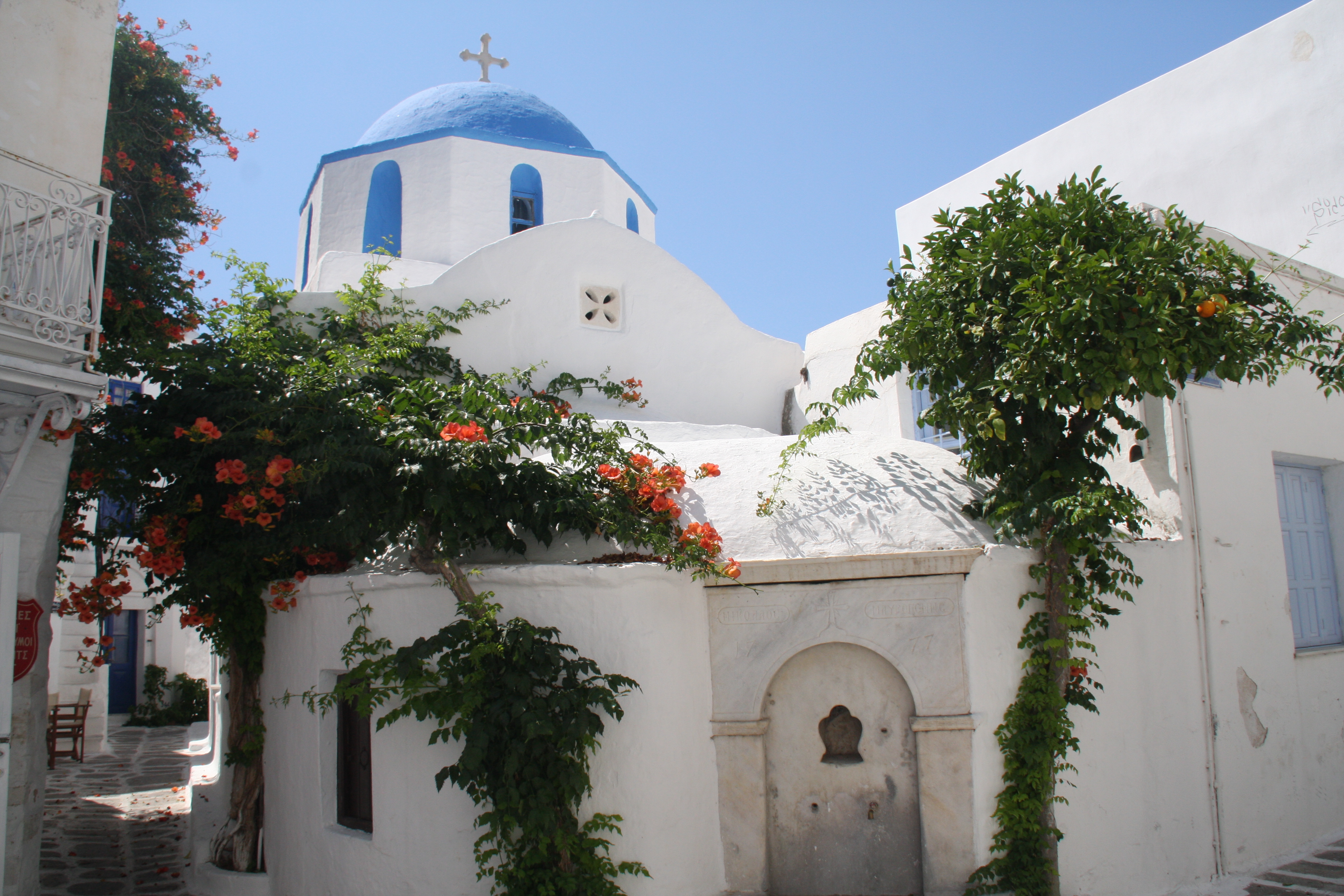
We had a half day stop-off in Paros, a delightful island with lovely winding streets, windmills and lots of whitewashed and blue houses and churches. 

21

Amazingly, our connecting ferry from Paros to Santorini was carrying Andrew’s friends (Kate and Jess) from Athens to Santorini – a perfect rendezvous after so many miles and the vagueries of the weather and technical failures.

As nearly every mechanical system on the boat has now failed twice, it was wonderful to leave the boat secured for a few days to get repairs and for us to crash in the comfy Hotel Villa Renos in Santorini – the first sleep in a real bed in over 3 months!

22

23

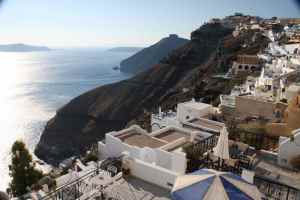
What a spectacular island! We settled in to the lovely Hotel Villa Renos, with its wonderful views of the caldera, fabulous breakfast, comfortable beds (which do not rock) and friendly hosts. We realised that we had made the right decision not to sail to Santorini as the marina is too small and largely blocked at its entrance with depths of only 1.5m. Some boats tie up temporarily to the large buoys in the caldera (but not suitable to overnight or even leave the boat for the day). 

24

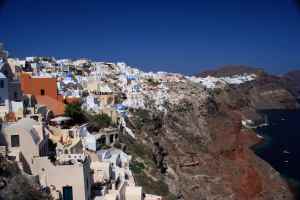
We rented a car and toured the island, a highlight being the town of Oia on the northern end. Amazing how they cope with building on the edge of the caldera in an earthquake zone. Note the maze of staircases which do raise a sweat on a hot day. 

25

26

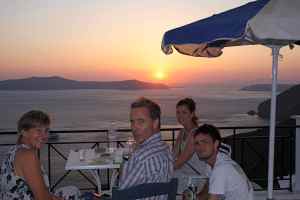
Andrew and his friends, Kate and Jess, joined us for sunset drinks on our terrace and our last dinner with him before he headed off for more partying in Mykynos and we back to our much more sedate life on Xela. 

27

Back on Kea Island, we discovered the beautiful Kavia Bay, and spent a superb day swimming, relaxing in calm conditions, and thinking how grand life was! The water was so crystal clear, that we could see our anchor chain 22feet below us! (Look carefully in the picture) 

28

29

We didn’t realise how important that anchor and chain would be until the next morning when the Meltimi hit, howling into the bay, gusting up to 35 knots into our recommended “sheltered from meltimi” anchorage!! Our plans for sailing to Poros were aborted as we tried to settle down to sit out the winds predicted to increase further to near gale/gale force. The next 3 days and nights were spent diving to check the anchor 2 x daily and constantly checking our transits to ensure our anchor wasn’t dragging in the high winds. It was difficult not to be “on edge” and we did lose a lot of sleep overnight! It is incredible how much the boat can ‘sail’ back and forth at anchor; how much the wind screams in the rigging, and how much the anchor chain grinds. Frequently at 2am one of us would be up on deck checking things. It was interesting to note, that on most boats in the bay, there were similarly concerned people on their decks on anchor watch also. – we weren’t the only worry warts! At the end of 3 days, despite huge strains on the anchor, it never dragged. On our last day in this attractive bay, we swam to the beach for a relaxing few hours in the pretty ‘resort’ drinking frappes and watching the now modest meltimi whistle across the bay at 20-25kts. 

30

The wind had settled down to ~25knots the next morning, so we set off to sail back to the mainland (Attic peninsula) across the Kea strait in a somewhat lumpy sea. 

31

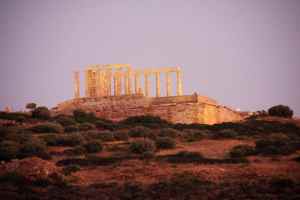
Approaching Sounion on the southern tip of the Attic cosast – the engine failed. The winds were increasing and we considered beating hard to windward up the east mainland coast to Olympic marina or to Lavrion Harbour just north of it to seek repairs. The former was full and the latter would be tricky to get into without engine (not to mention a very long tedious sail to windward). With a prediction of winds increasing further, our only option was to sail into Sounion Bay right on the southern tip of Attic peninsula. Sounion is documented in the pilot book as having “unreliable holding”, meaning that it may take a number of goes to anchor successfully and have your anchor hold. We caused considerable alarm among the anchored boats in the bay as we tacked back and forth into it in 24kts of wind under full sail looking for a spot! We found the right depth, hoped there wasn’t too much weed there and Cathy nailed the anchor first time. A great relief as the prospect of dragging amongst the boats and trying to reset the anchor under sail alone was not appealing! We arranged for repairs and then sat, watching other boats arrive, hoping that our anchor would continue to hold in this bay with a “reputation”. As the bay filled up quickly, it meant that with each additional boat, our room to manoeuvre decreased, making the option of sailing off anchor increasingly difficult. Amazingly, we arranged for Lorenzo to come down from Lavrion to help repair the engine within 24hrs. We could then relax! Spent the day visiting the beautiful Temple of Sounion overlooking the bay and having a lovely fish meal (with Santorini wine) on shore. Our previous worries about anchors dragging now seemed rather insignificant, as we realised dragging was not really not such a big deal if you have an engine to help you reset it! 

32

Favourable forecast for the next day or so, with more gale force winds close behind, meant that we left early the next morning aiming for Aigina Island in the Saronic Gulf and onto Korfos on the Peleponnes arriving late afternoon. Just in time for Peter (former VFL player for Collingwood; currently Athenian cab driver having a day off in Korfos) to take us to the ancient site of Epidaurus. Again, we had the program and new we had arrived one day too late to catch a live performance in this magnificent amphitheatre. 

33

Tomorrow – back to the Corinth canal and eastwards once more to the gulf and the Ionian Islands