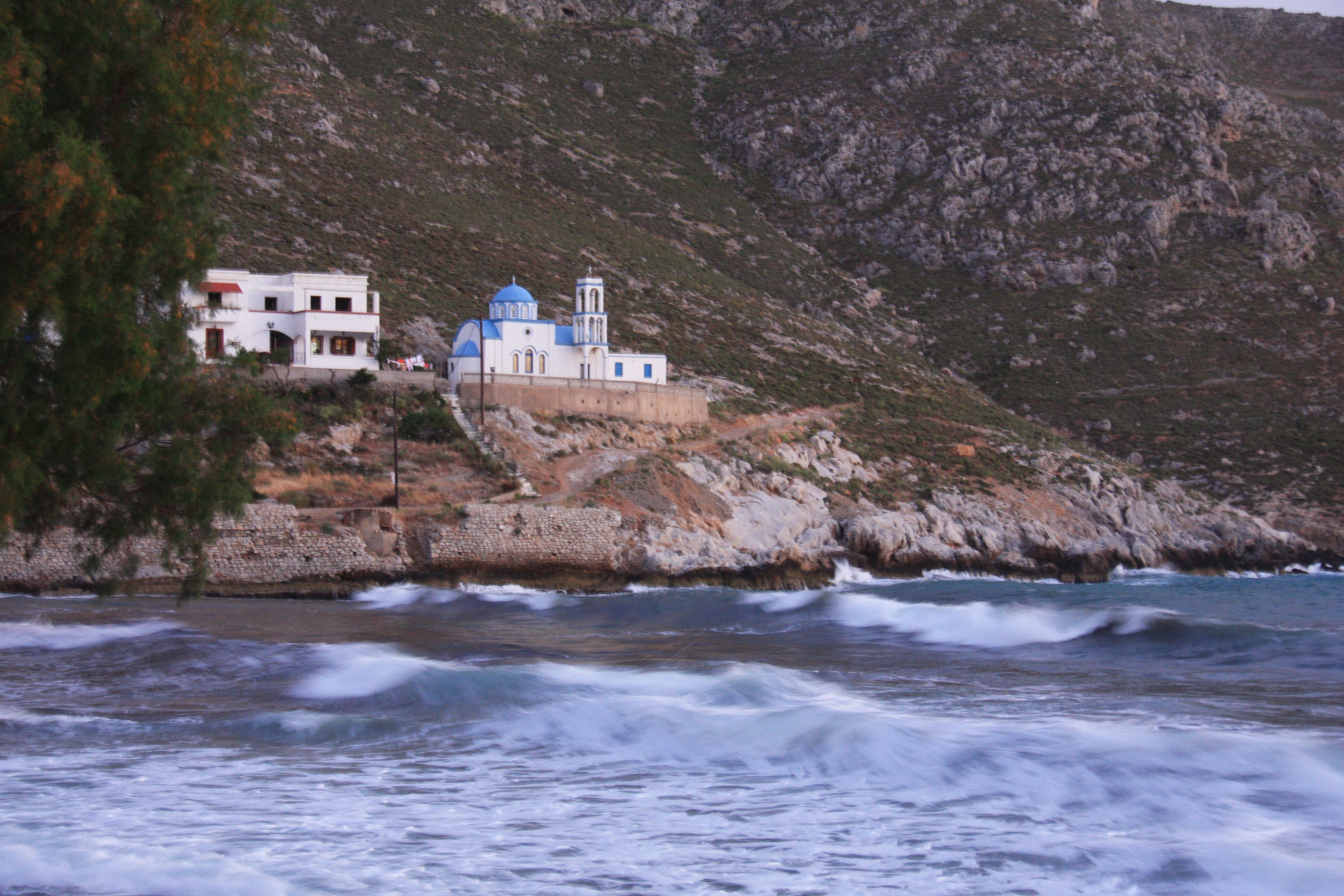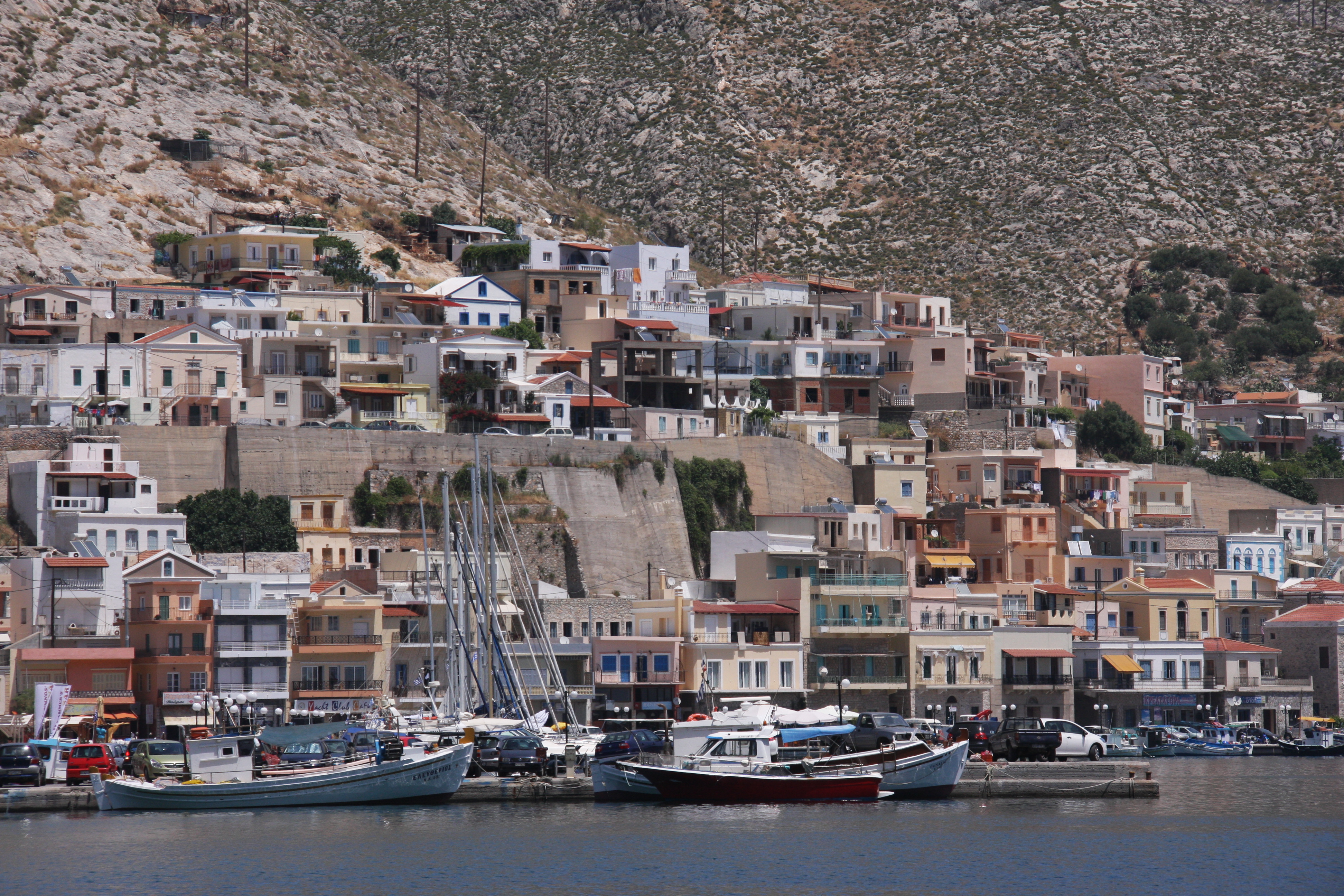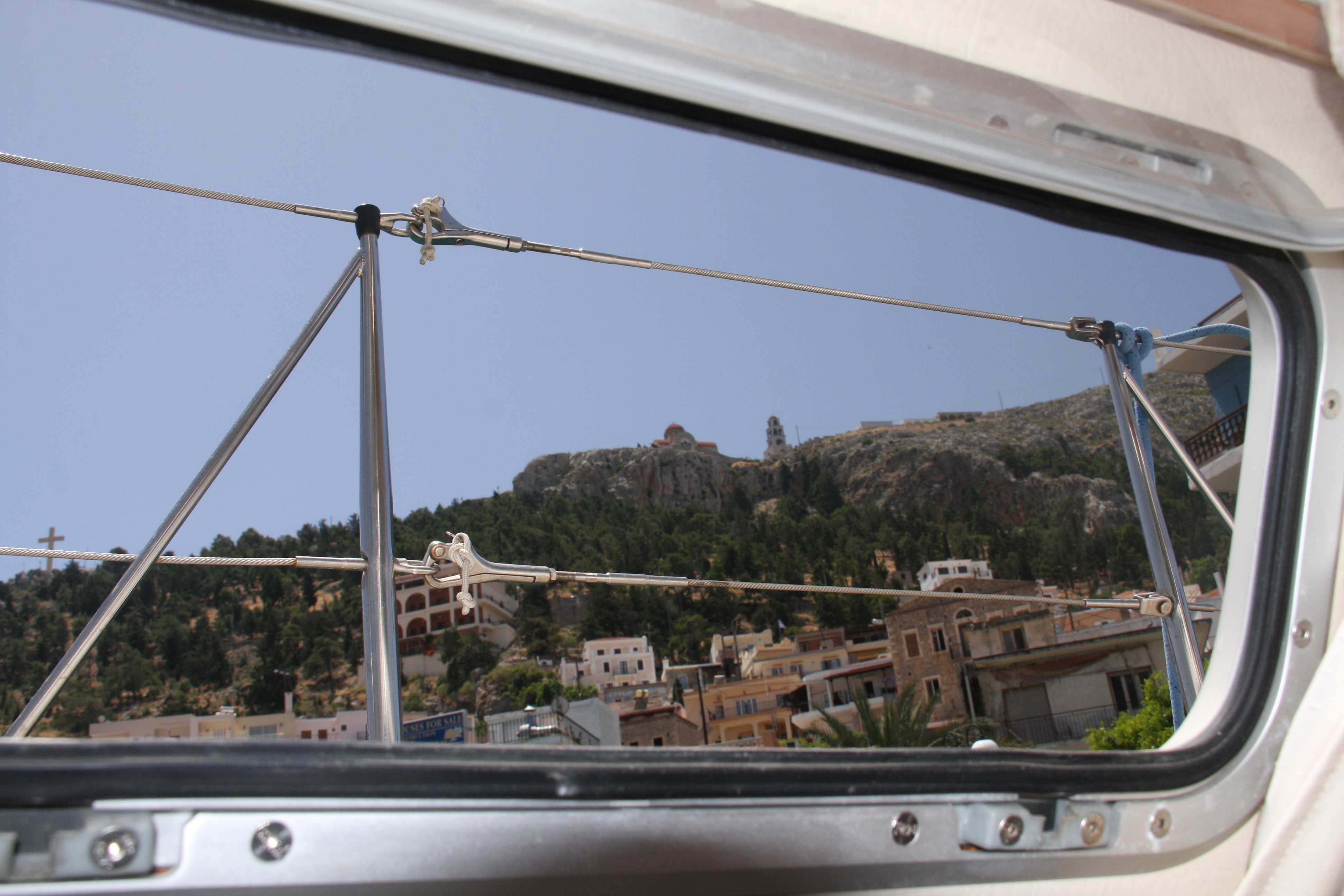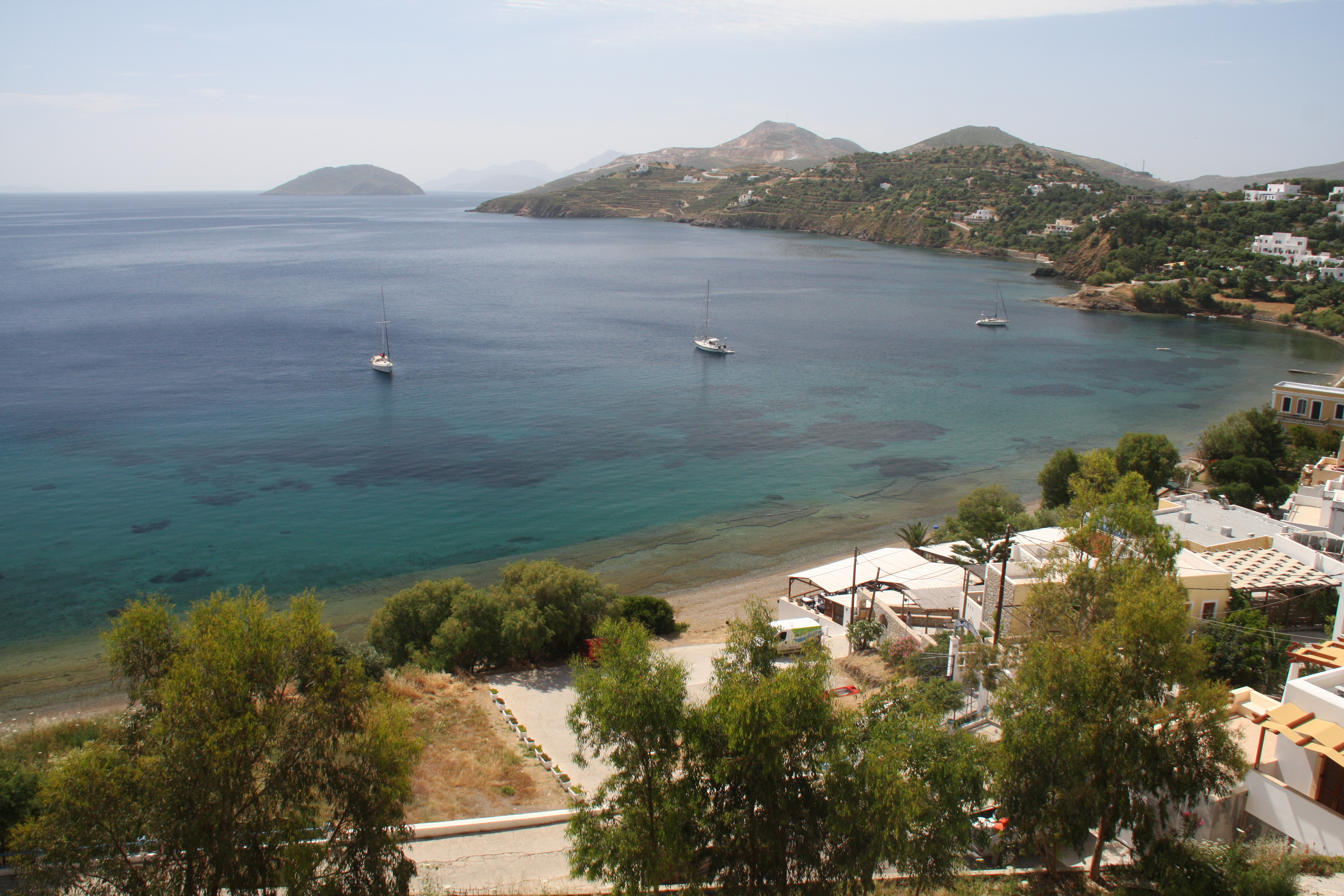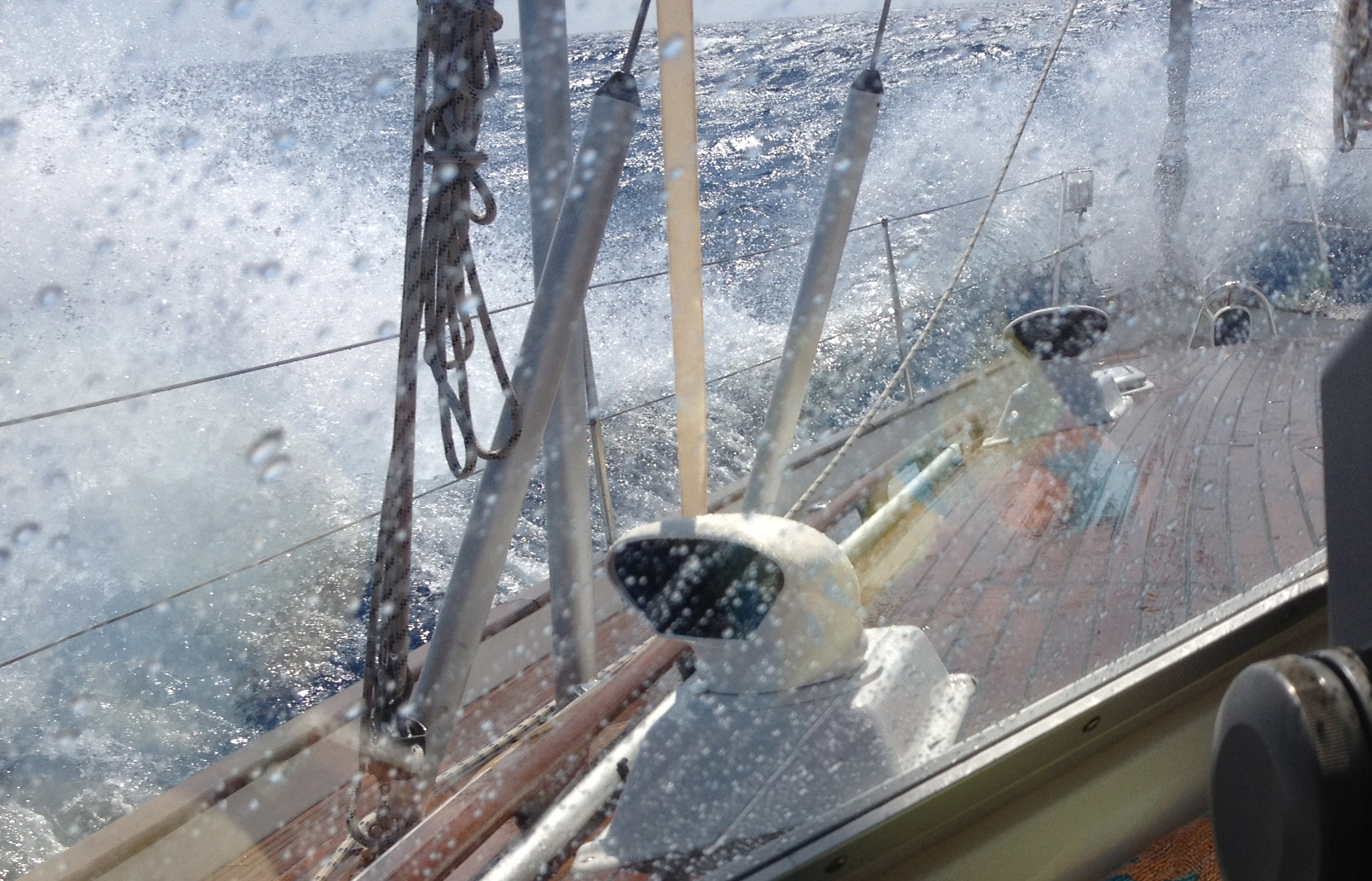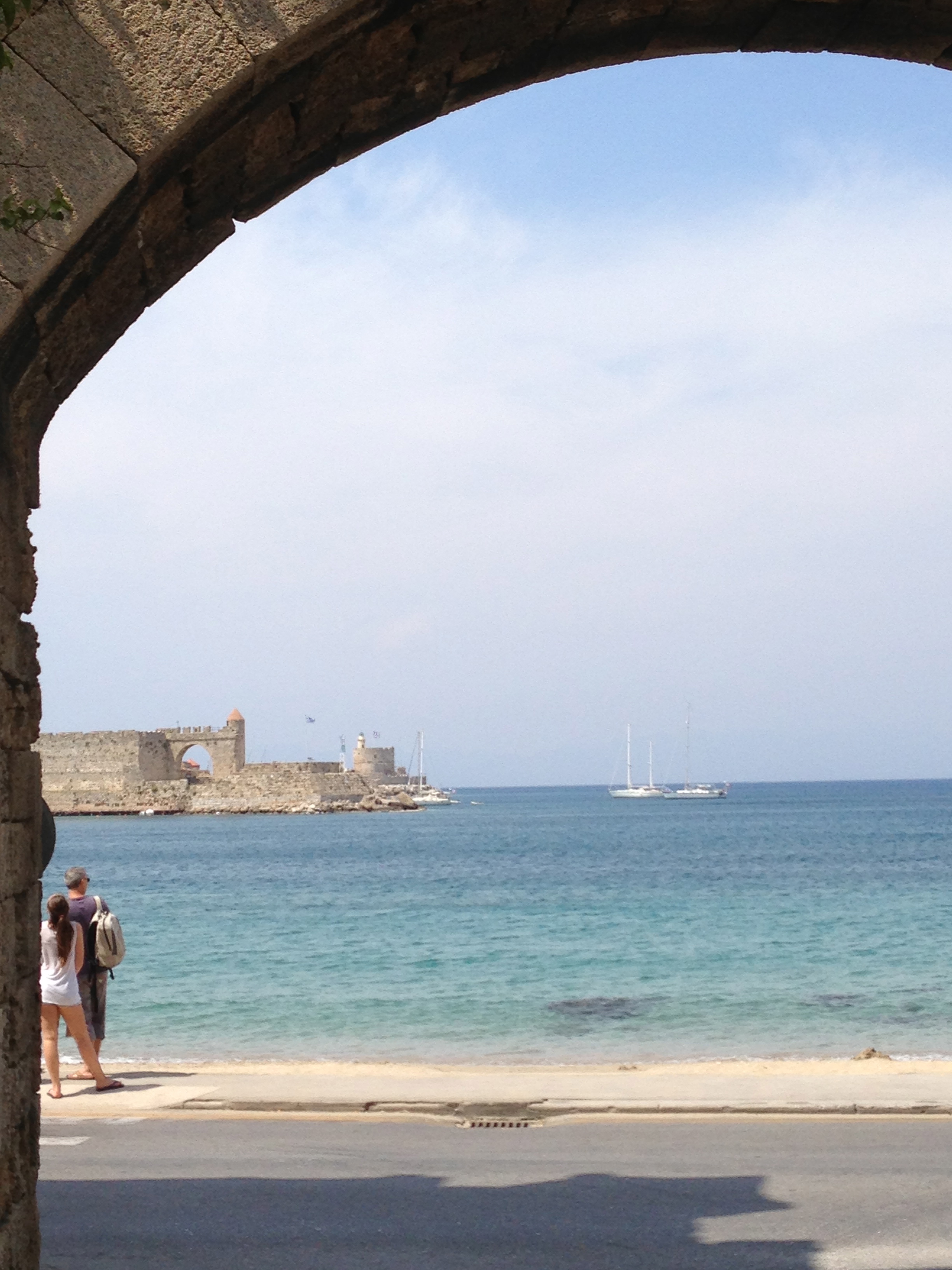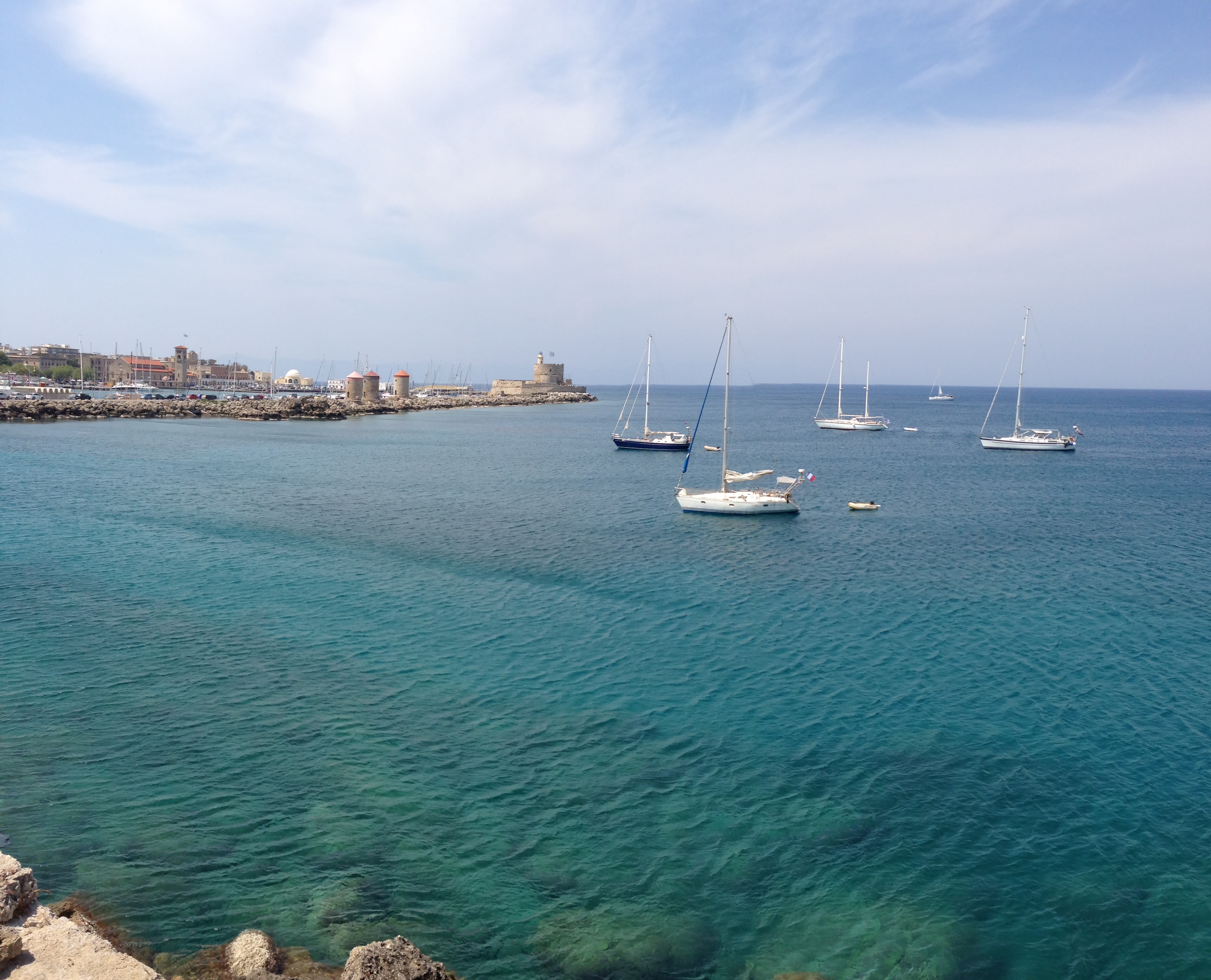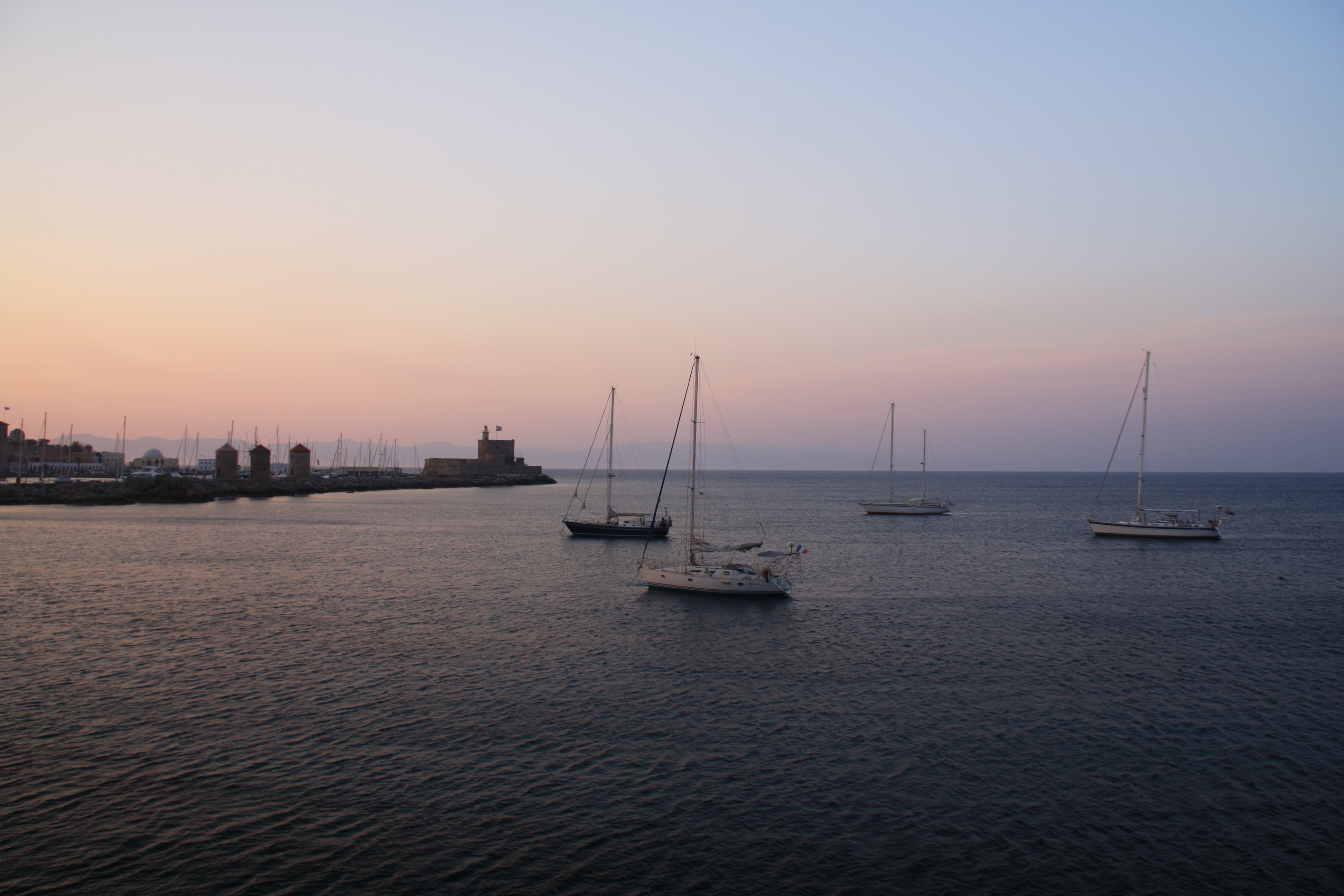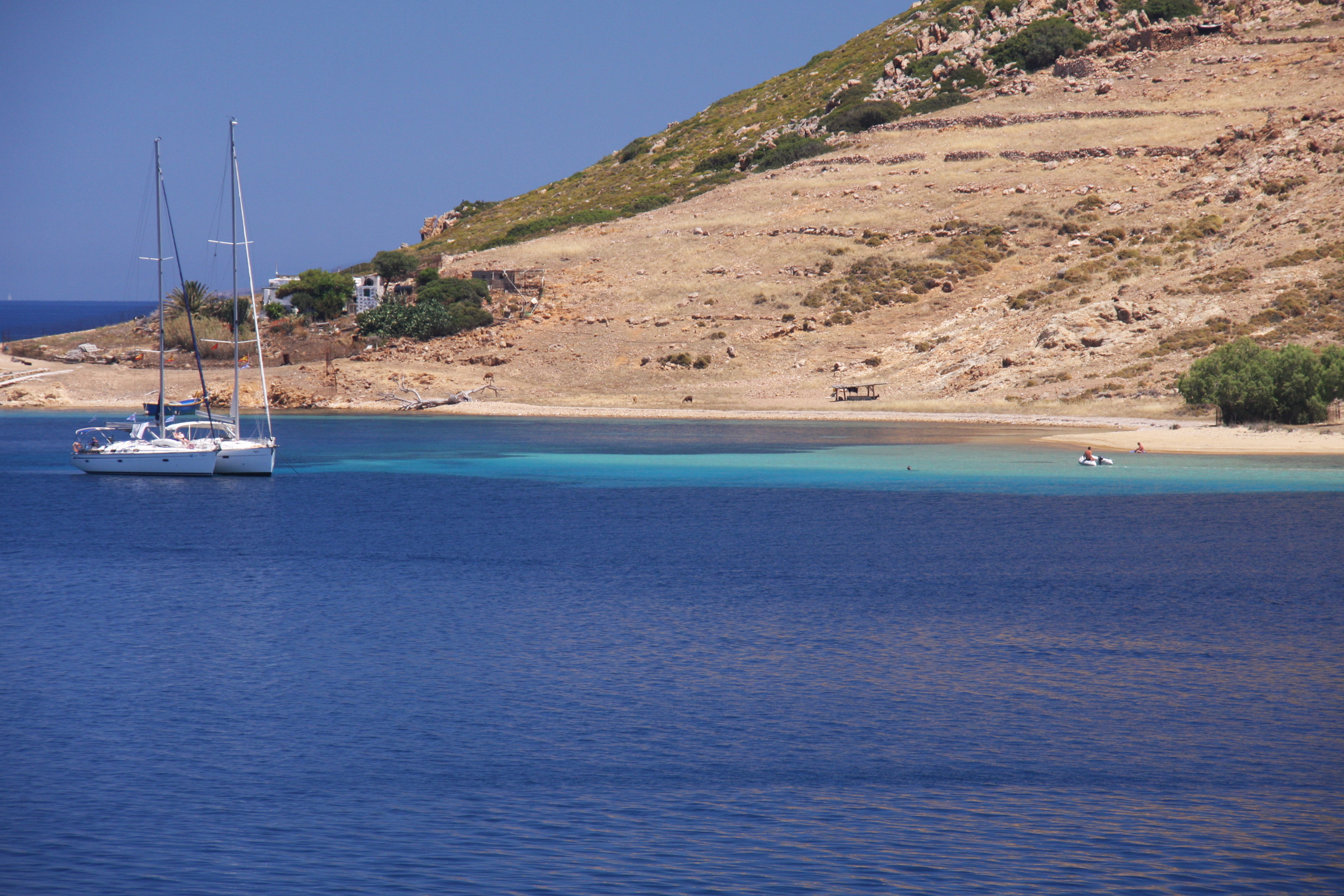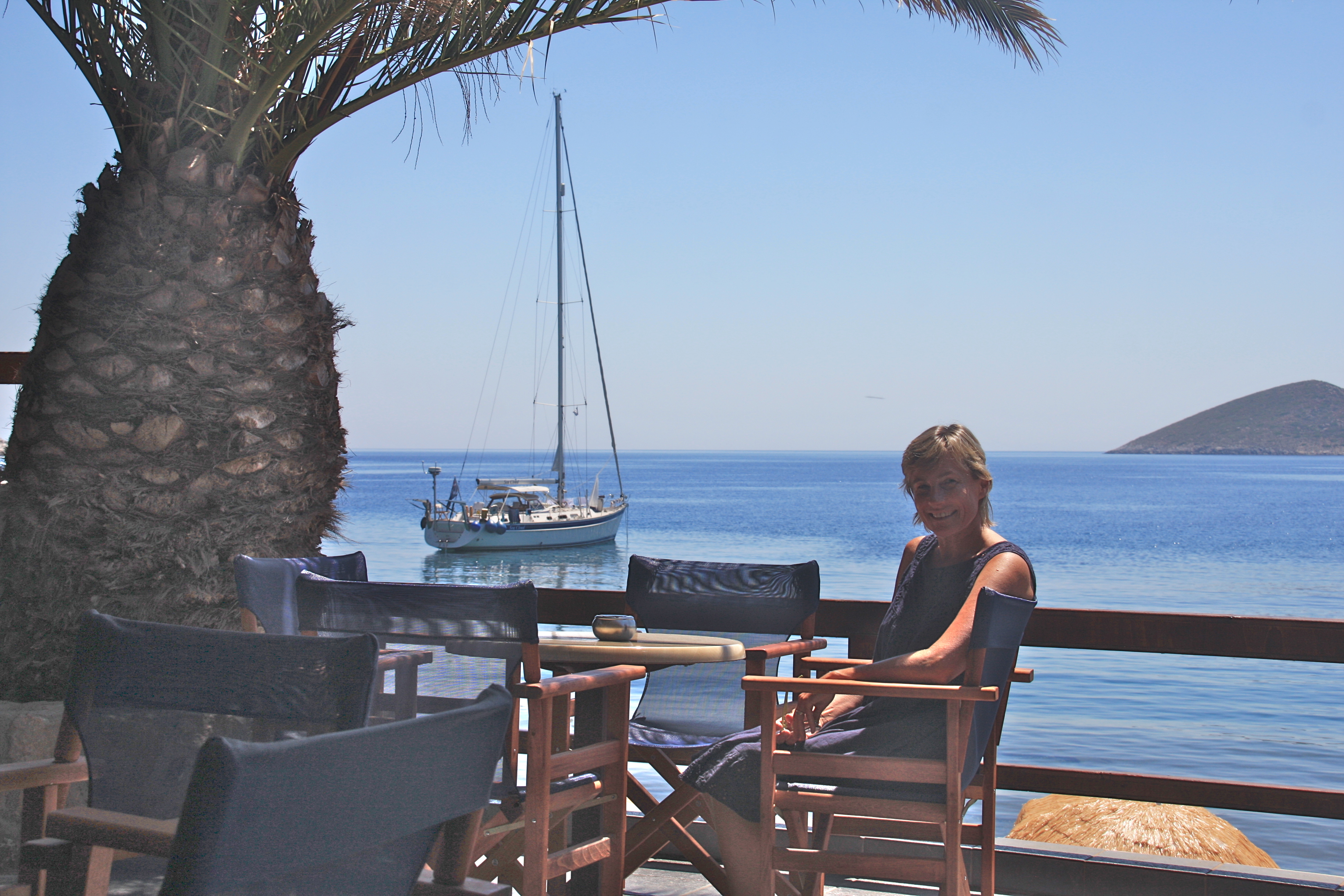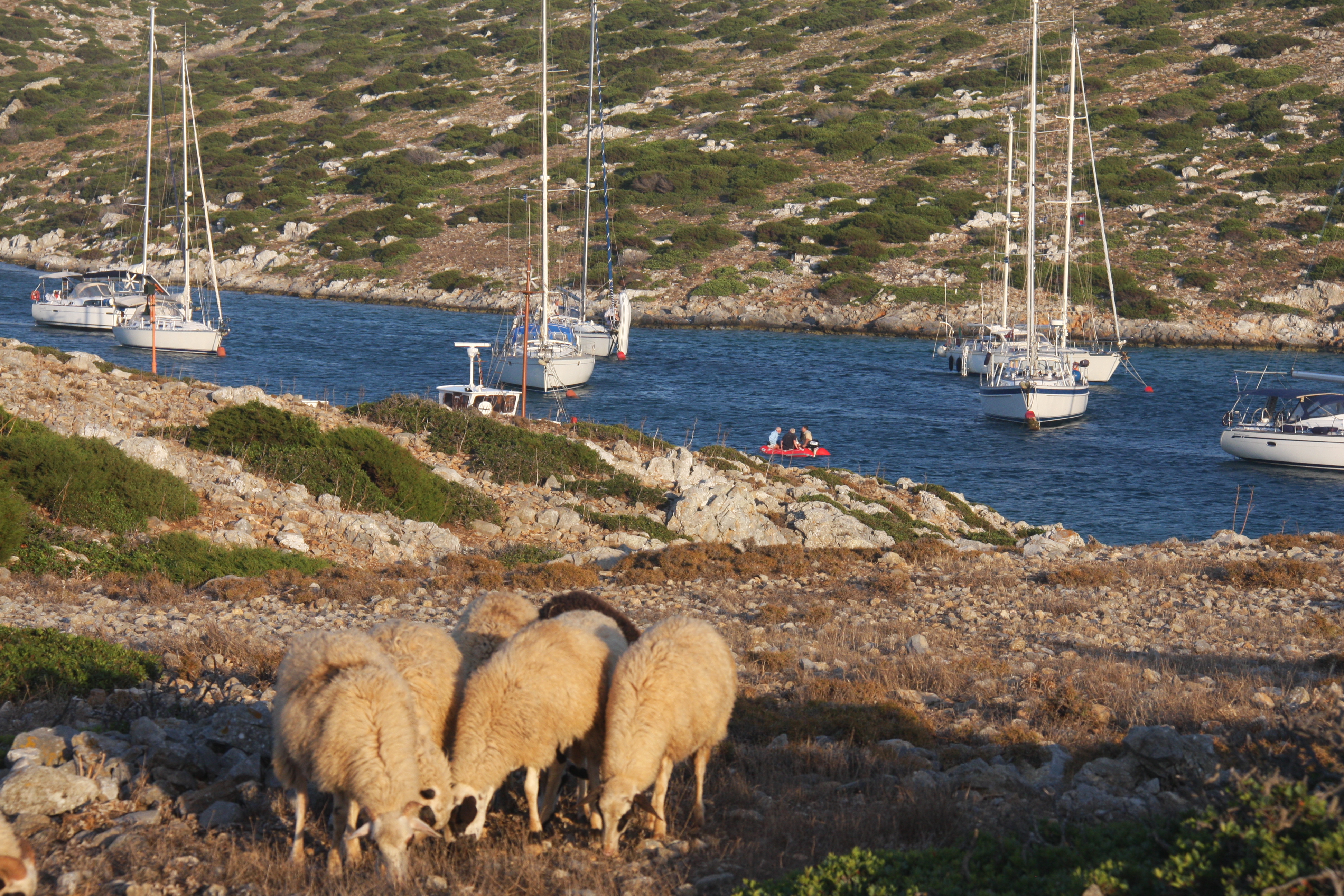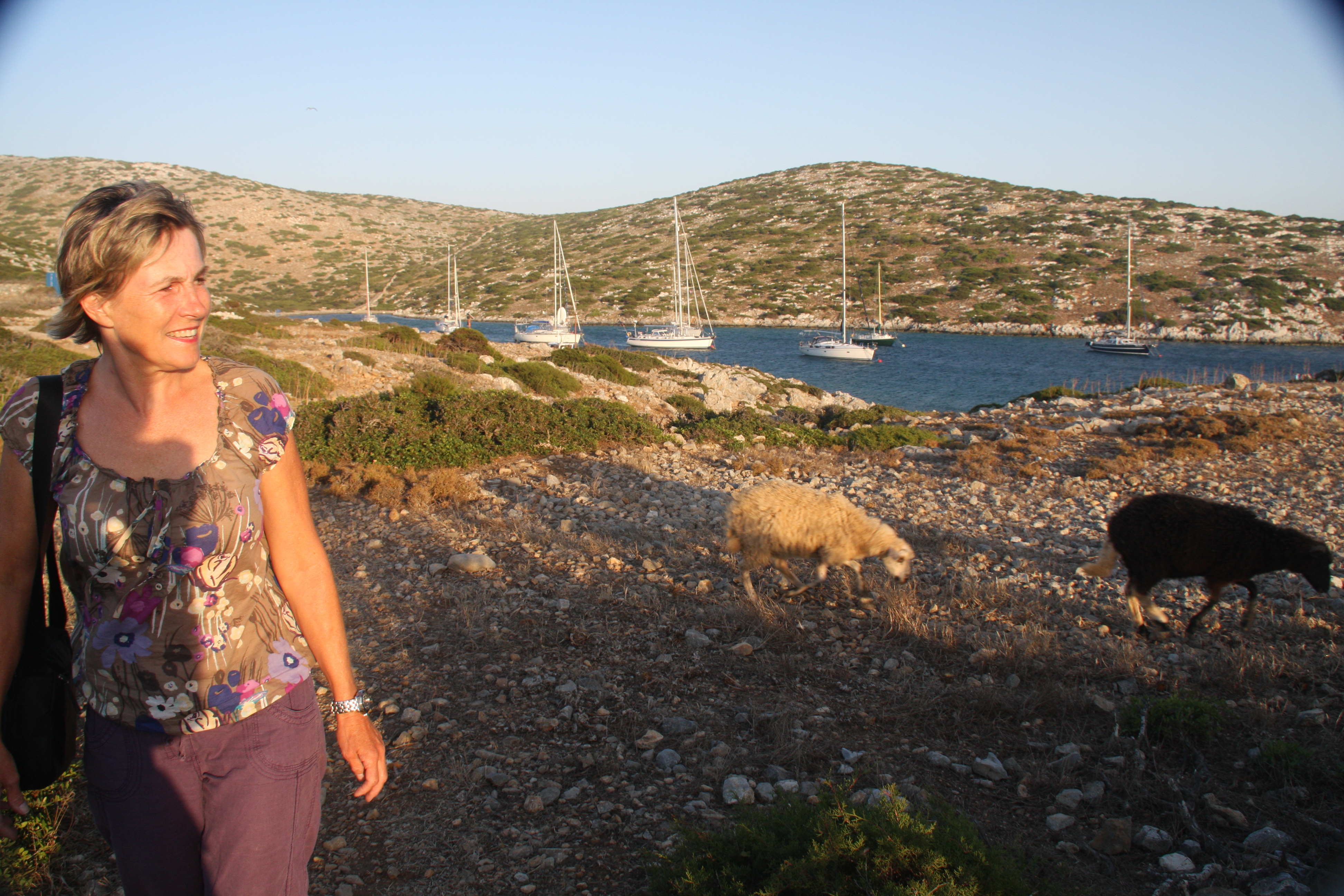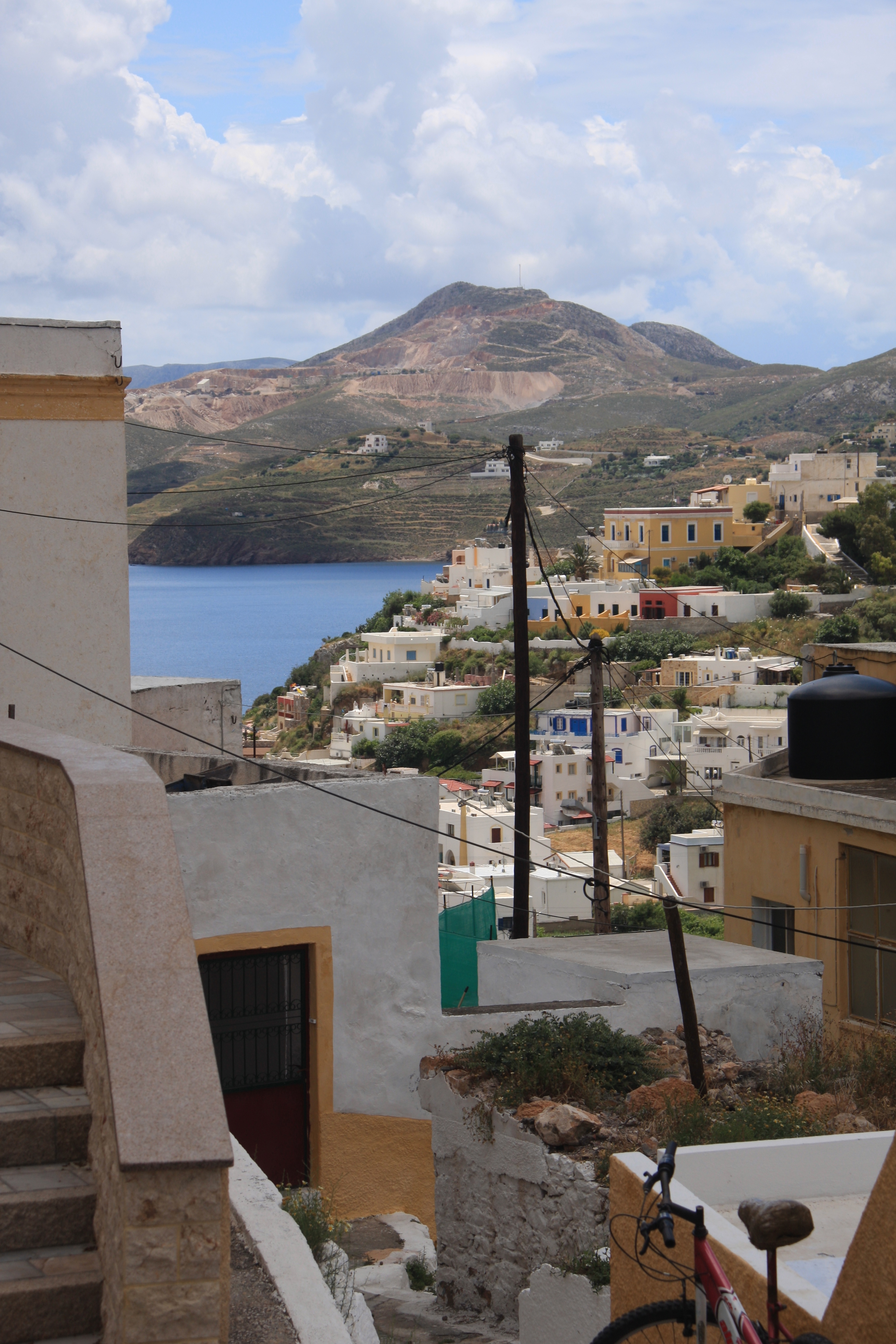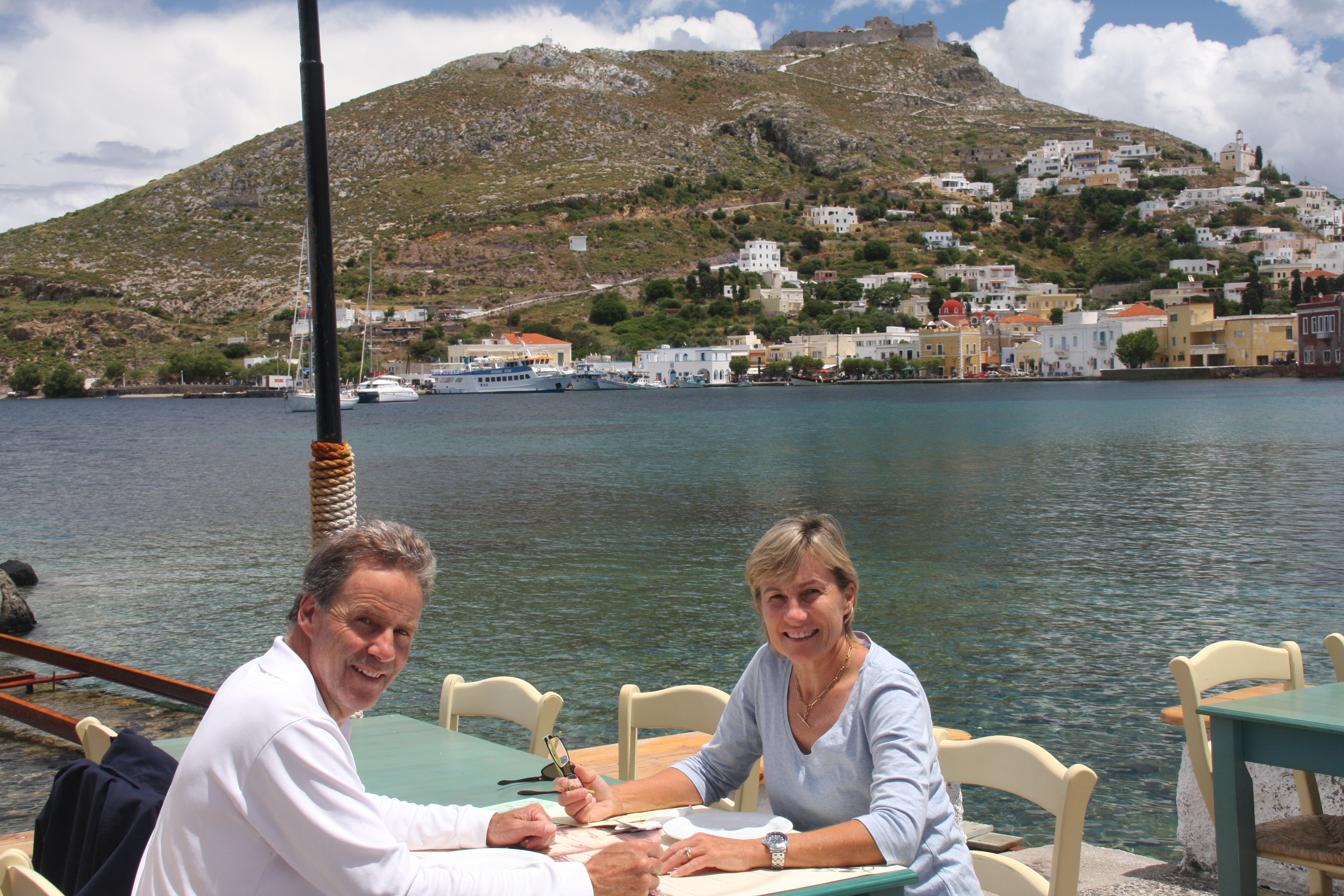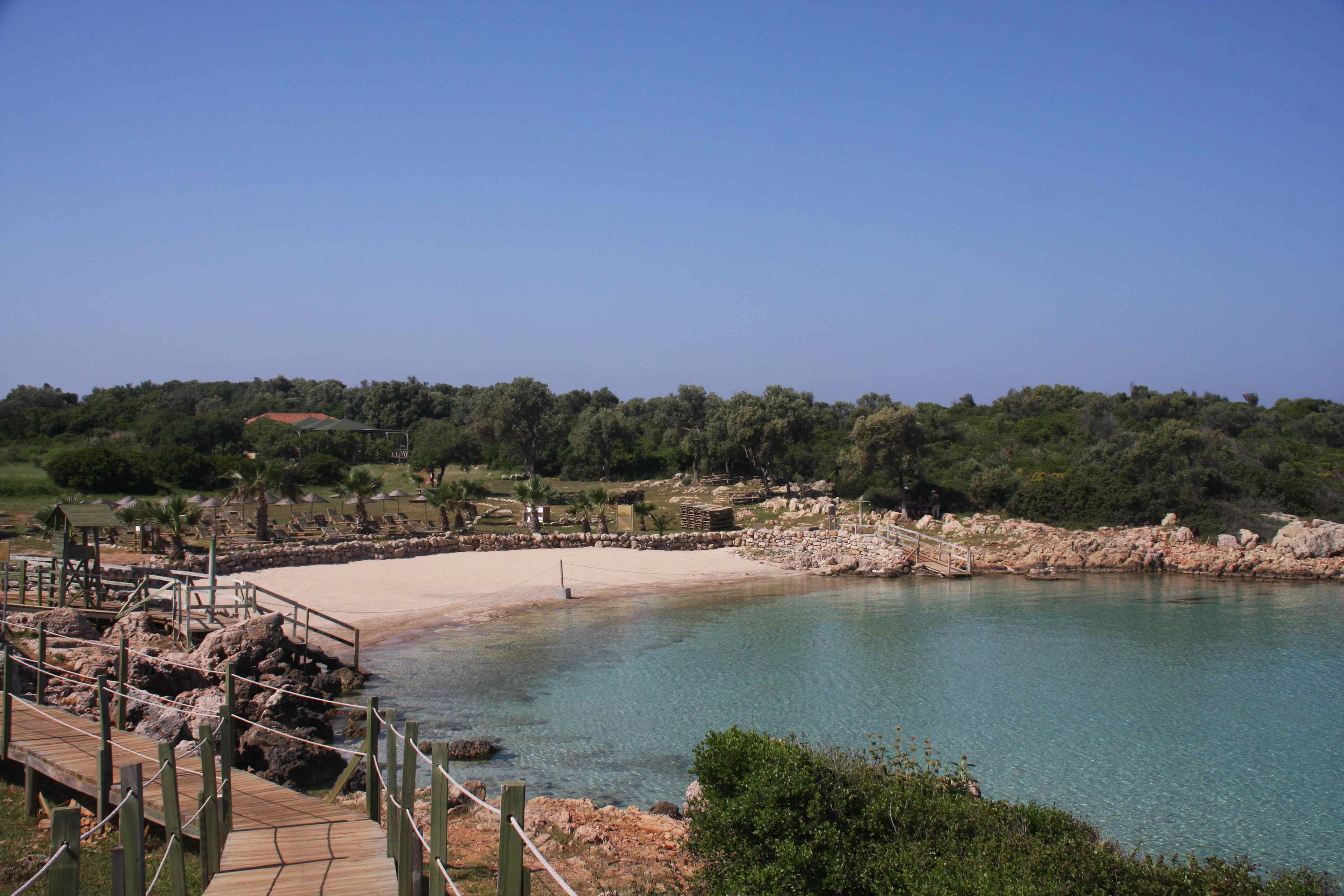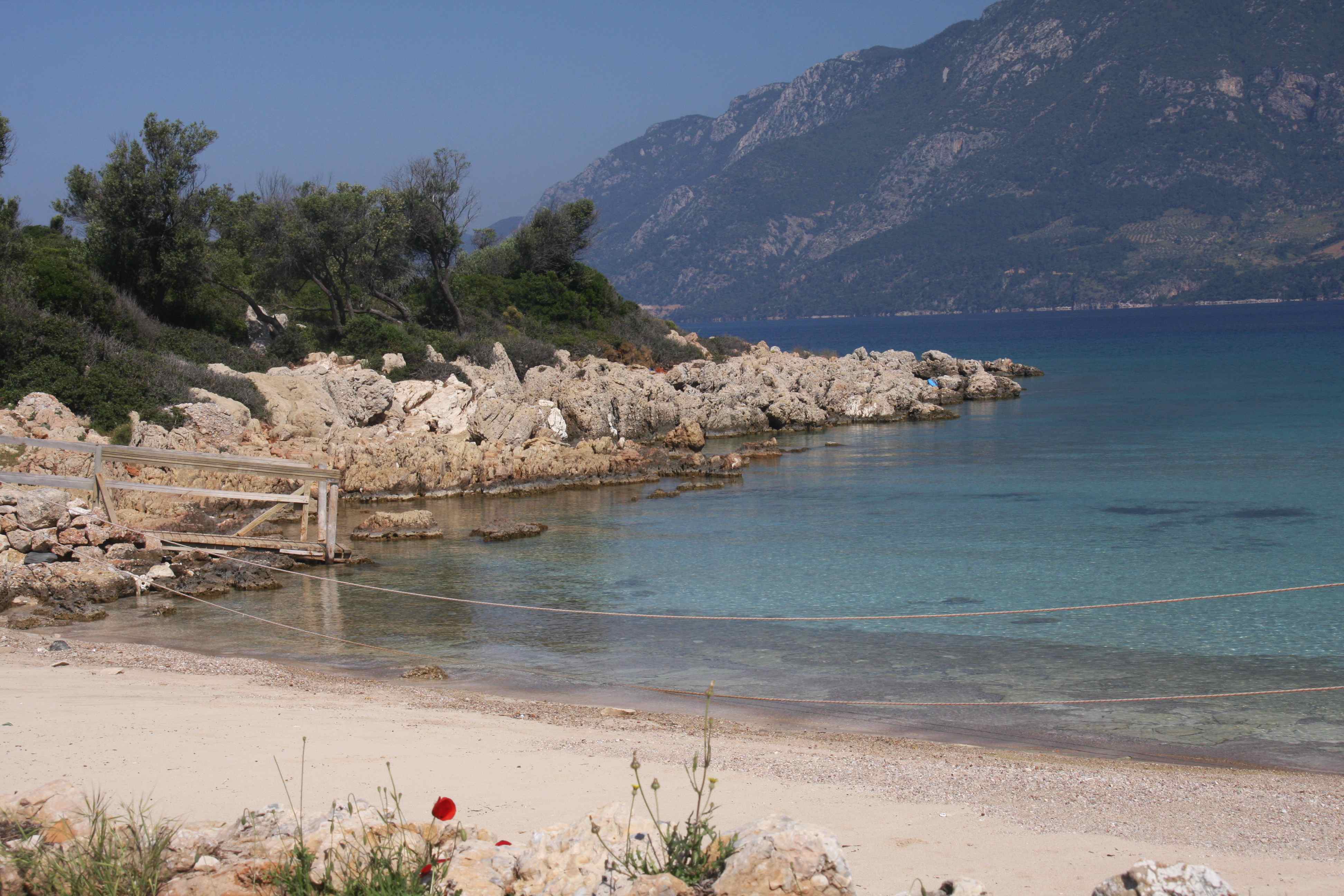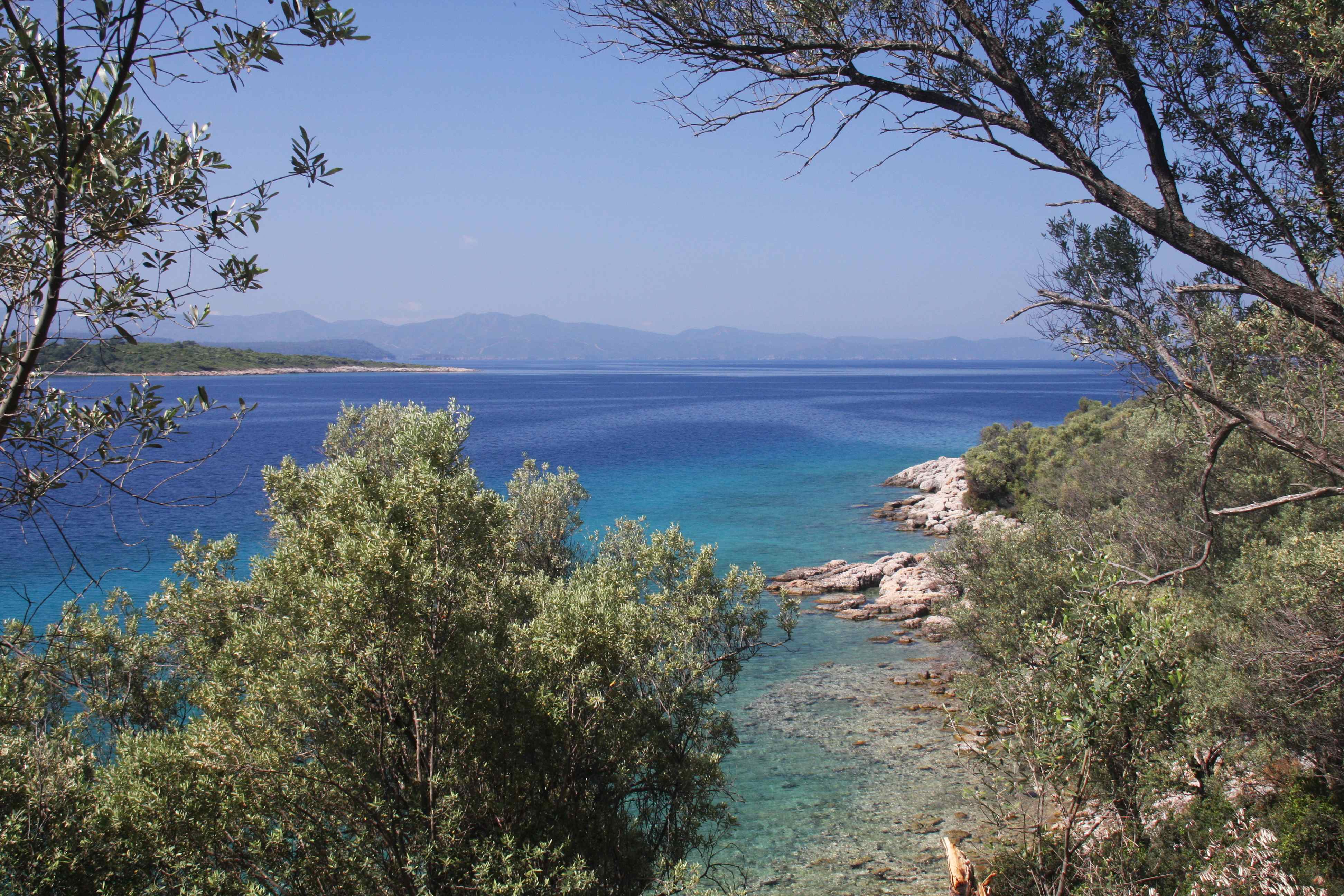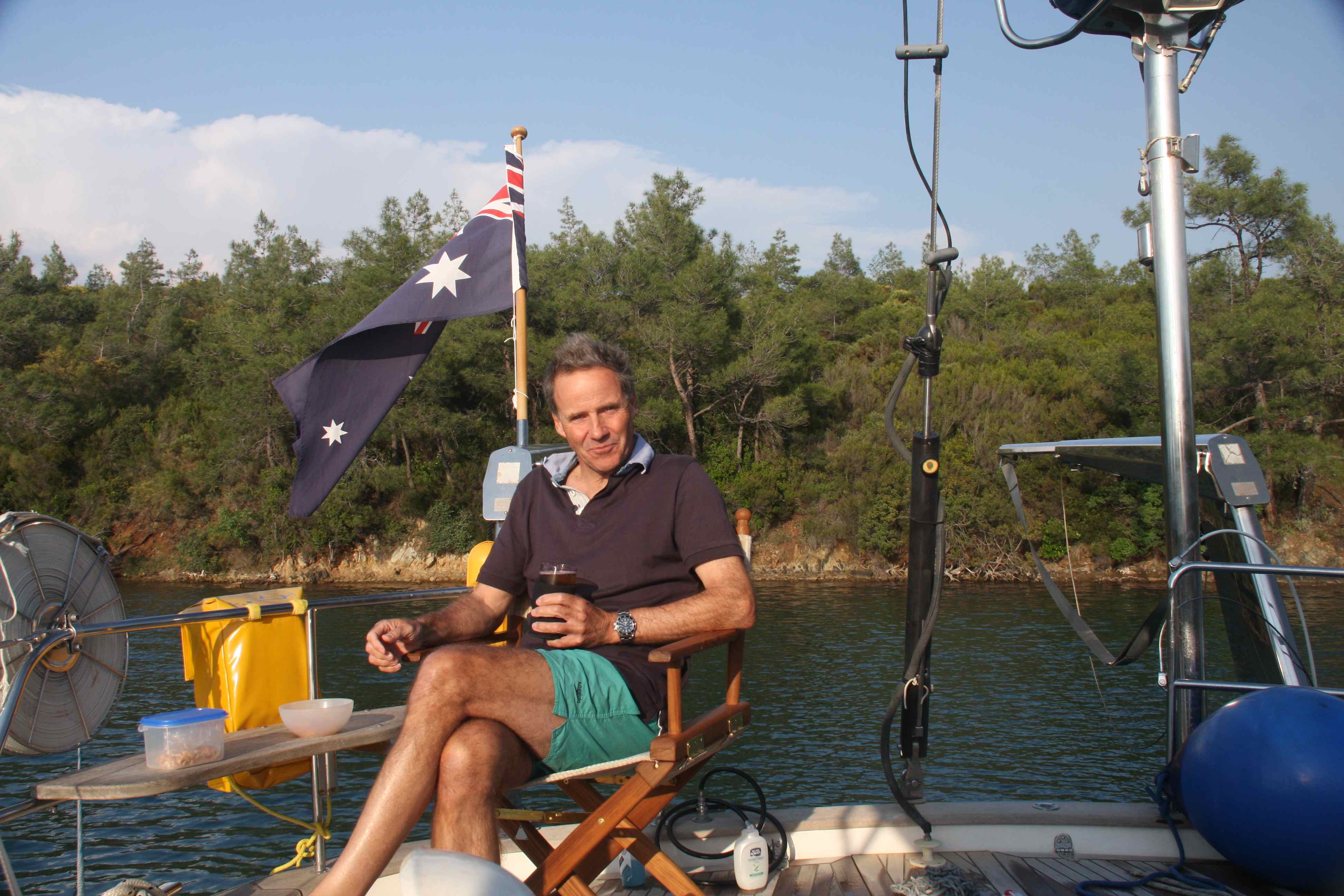
North Aegean Islands

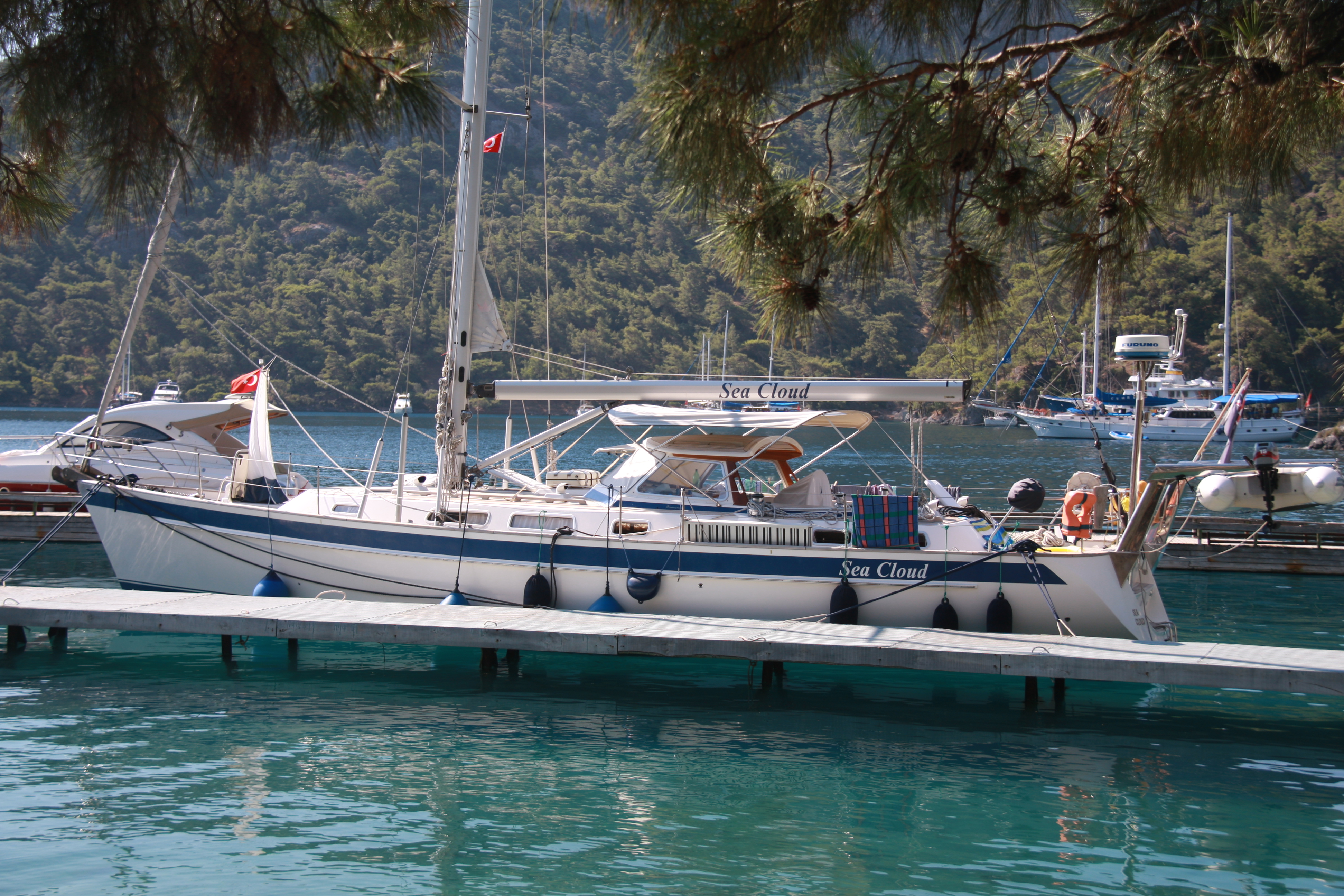
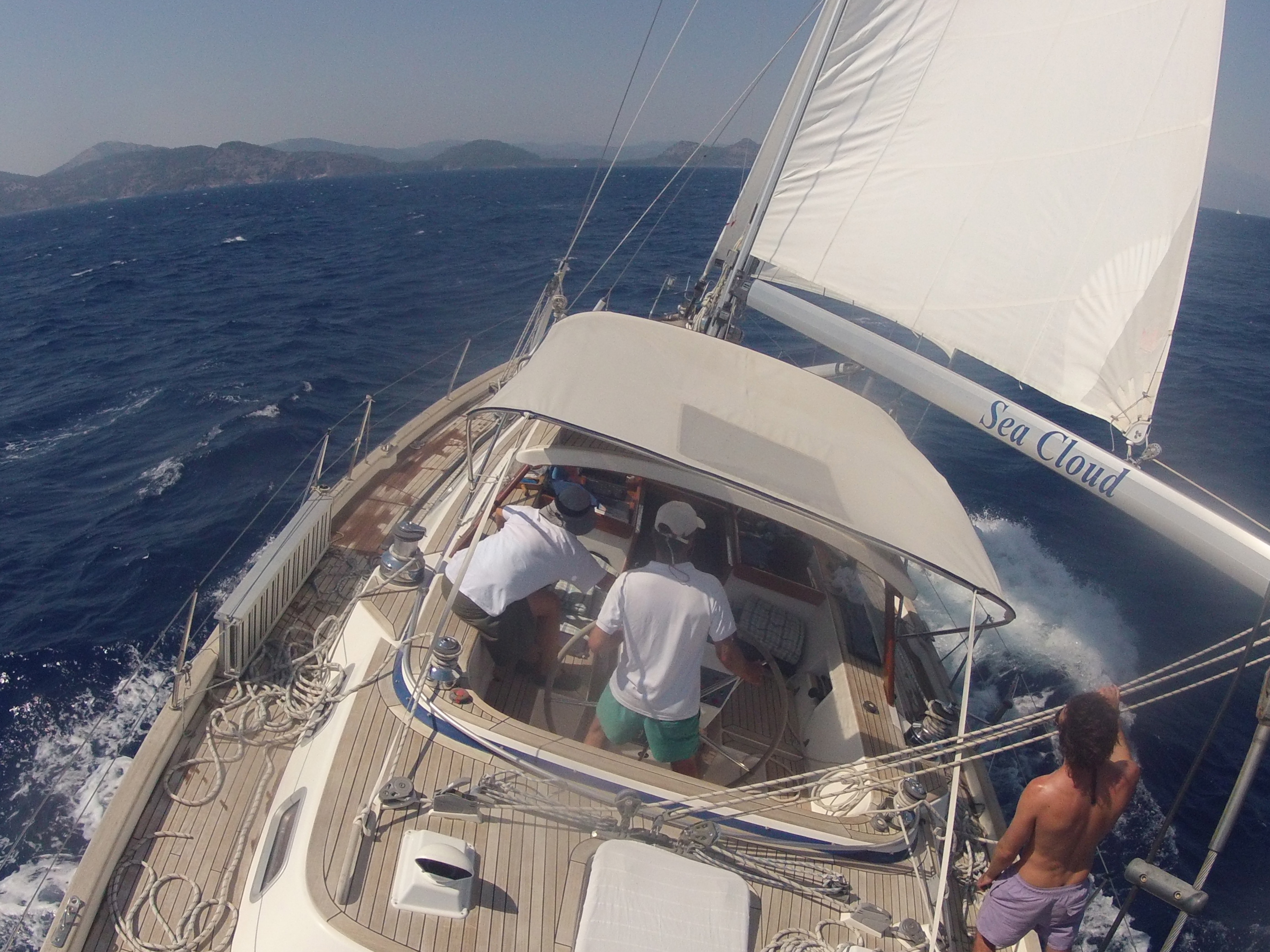
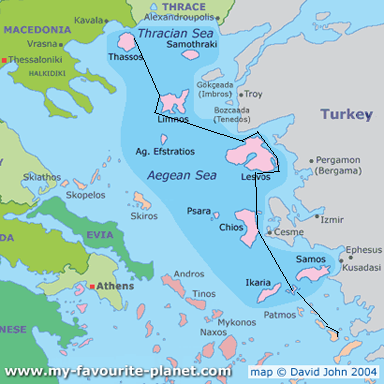
With Sea Cloud up and running again, we left Kalymnos, keen to get as far north as possible before the Meltemi, (strong prevailing, northerly, summer wind) sets in. We planned to get to Thassos, about 400 nautical miles north of Kalymnos, with quite long legs between the islands.
north_aegean_map

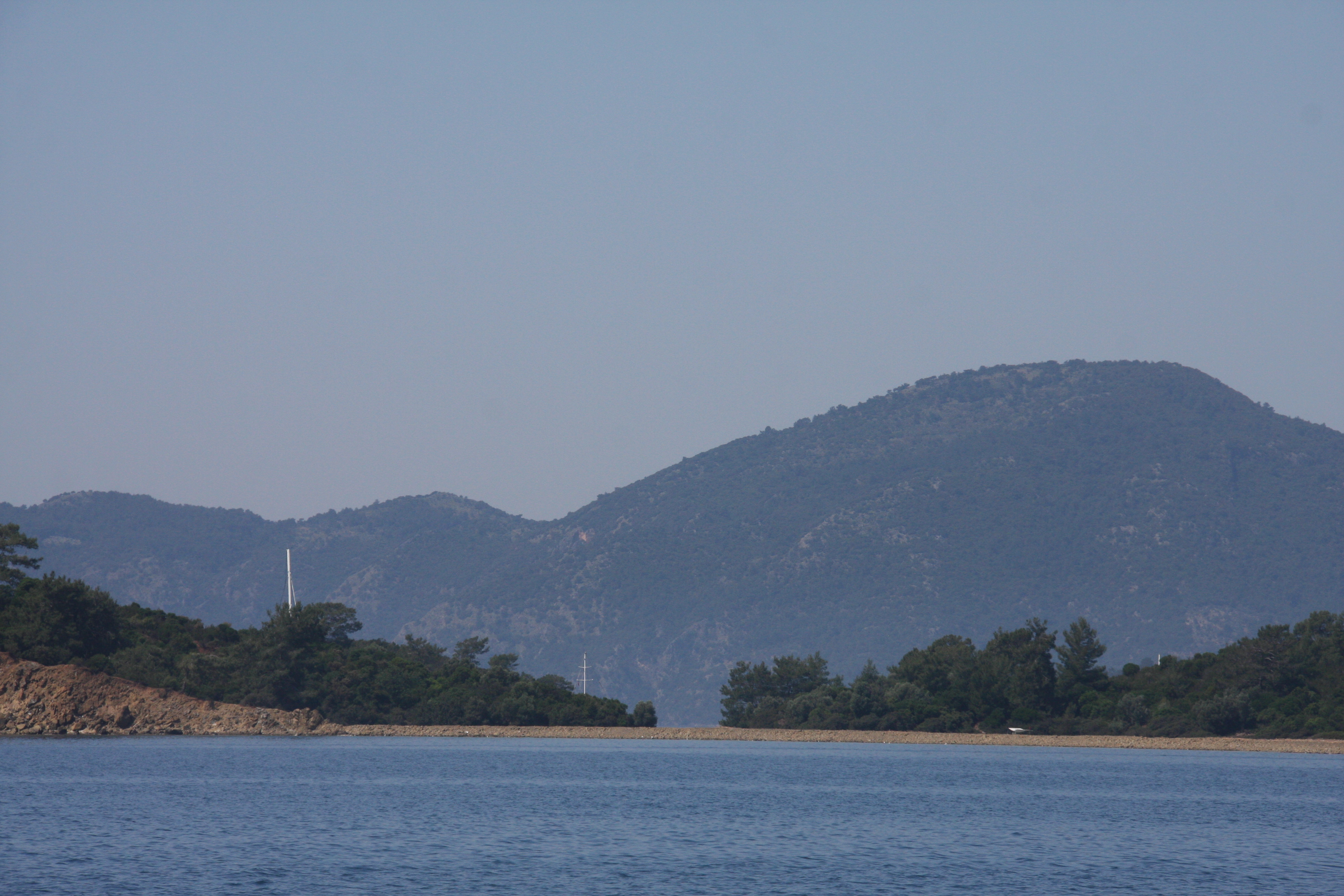
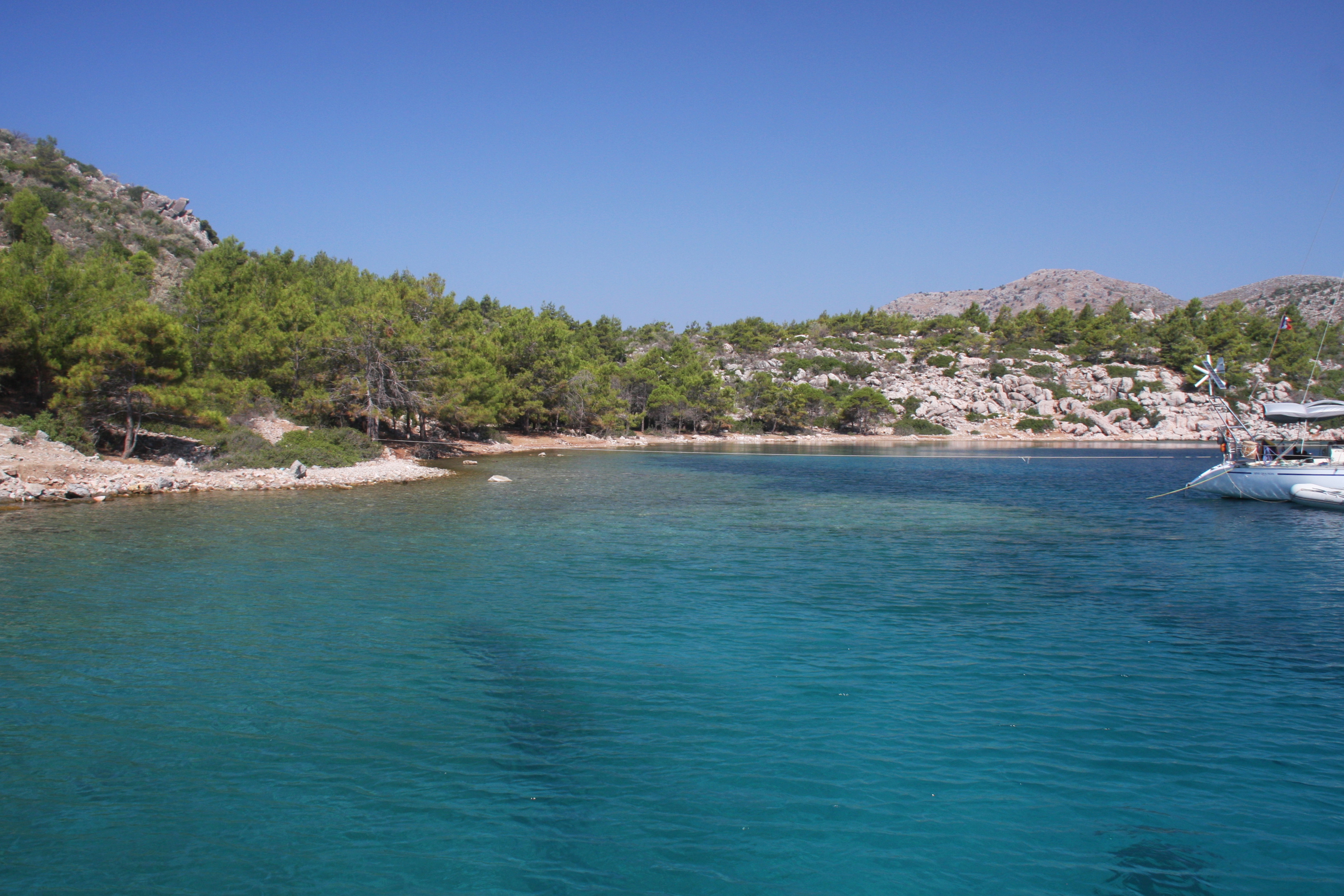
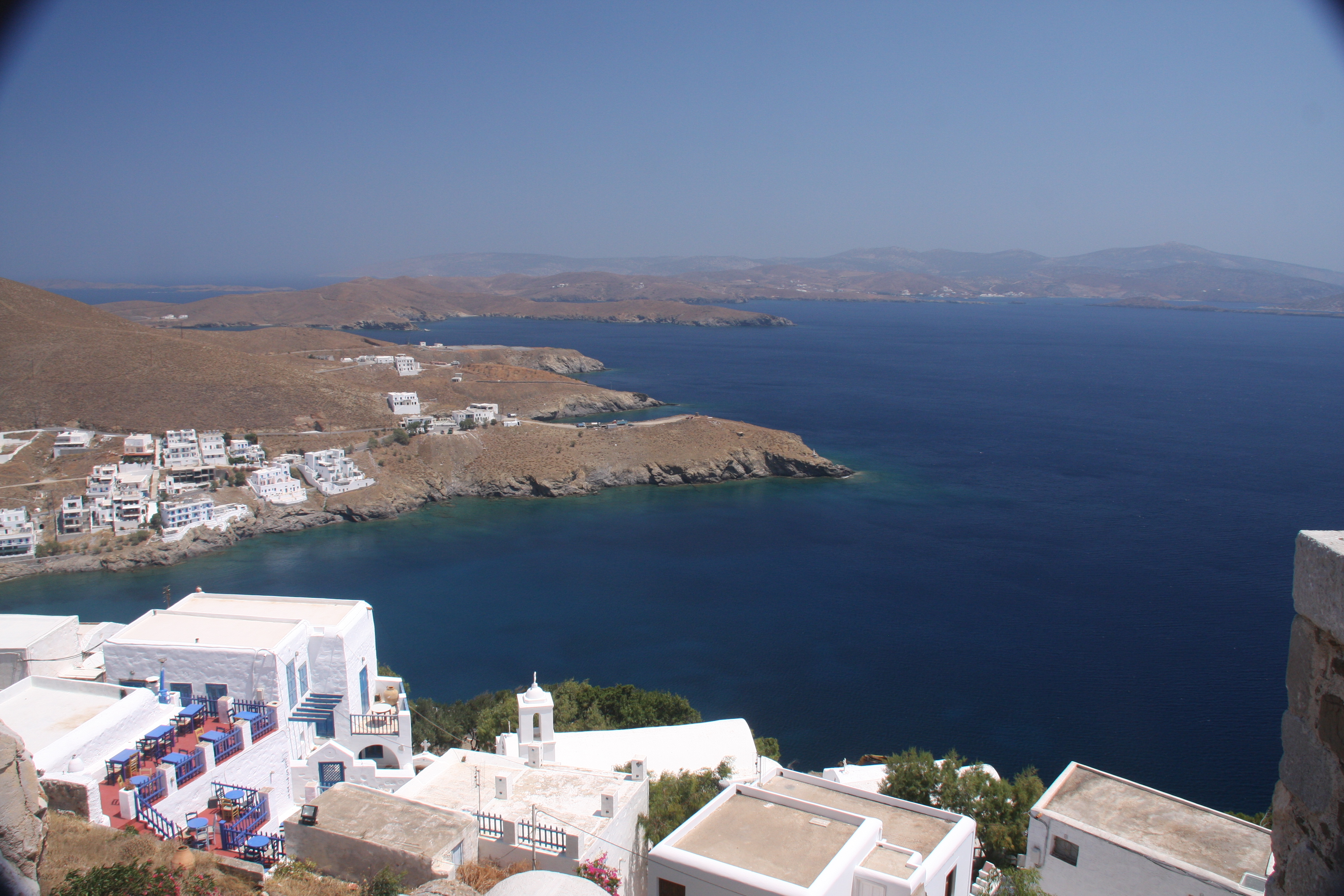
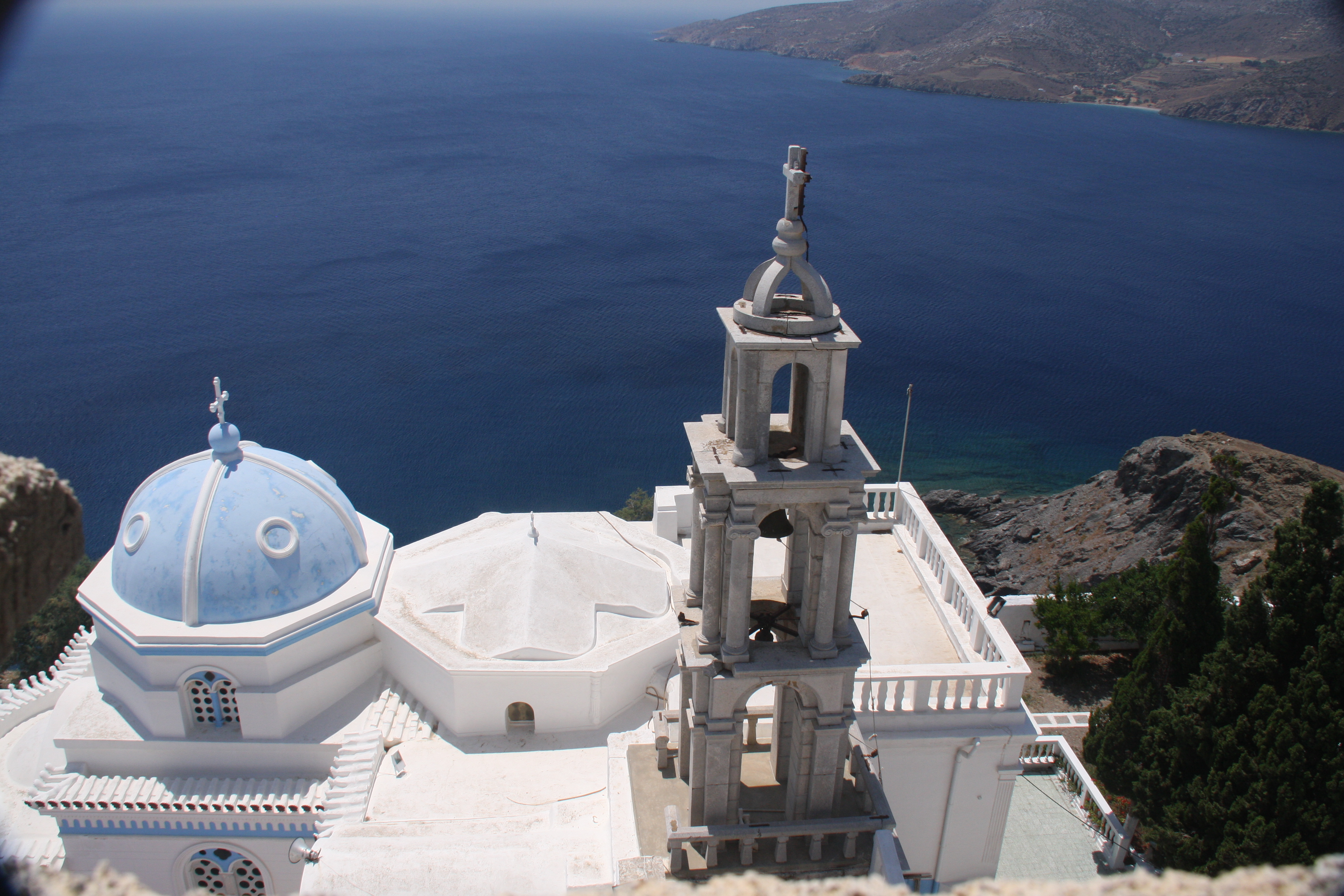
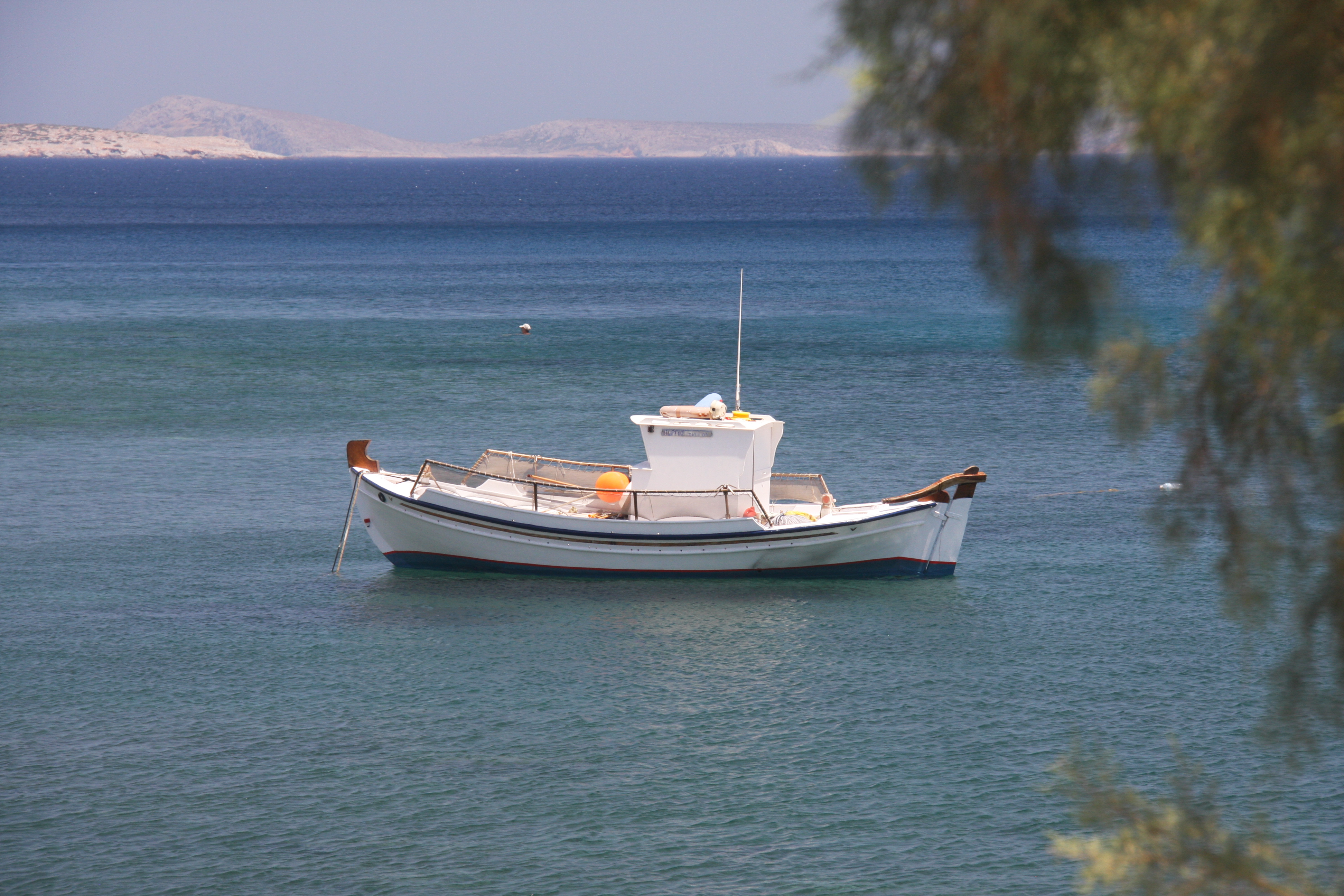
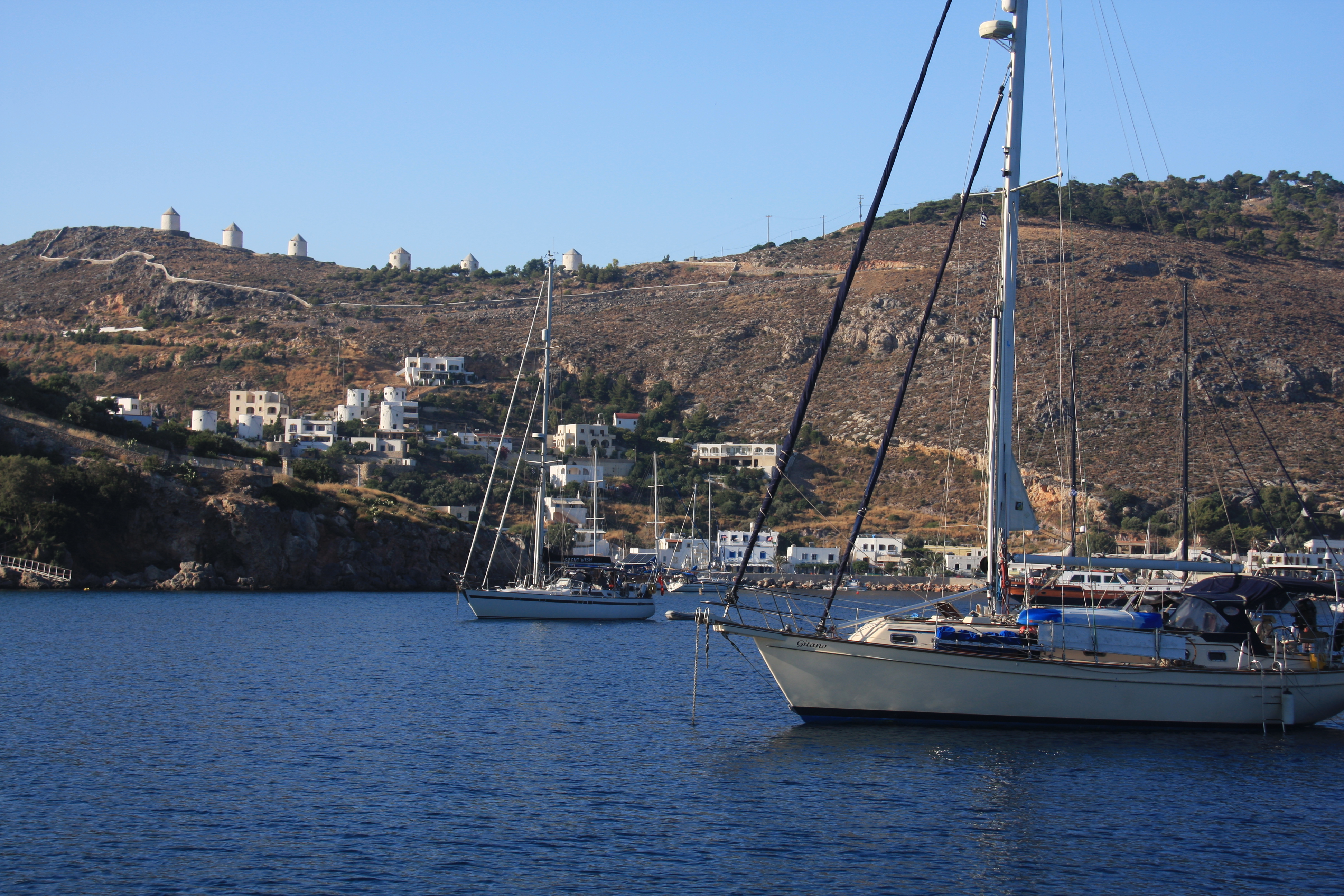
The North Aegean Islands are quite different to islands south and central with fewer tourists and only a handful of other yachts at this time of year. Of course the strong Turkish and in parts, Italian influence on the islands’ architecture is apparent. With plenty of bays in which to anchor, and by and large, good winds it is a sailor’s paradise. Food is cheap and fish more plentiful than in other parts of Greece.

Fourni

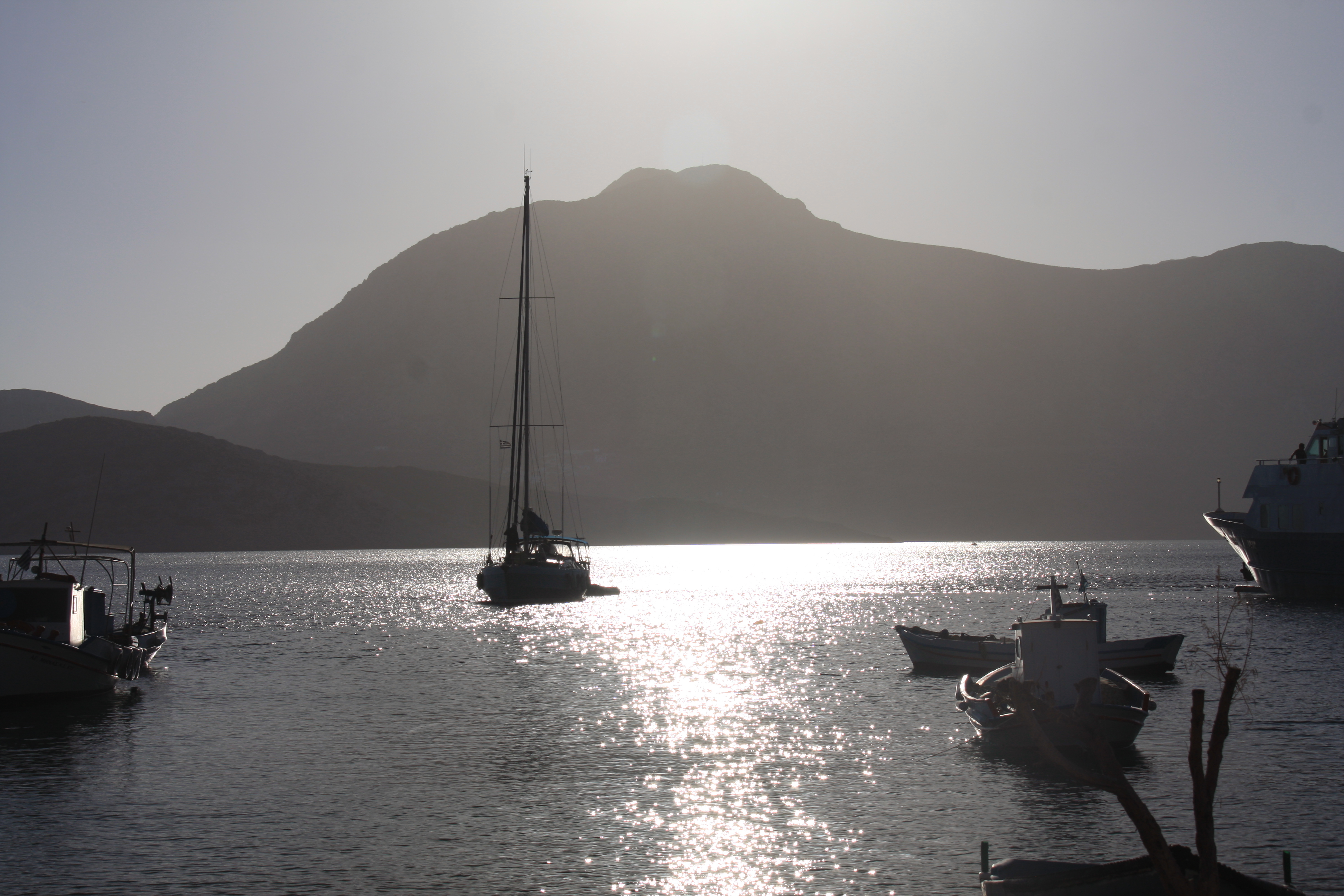
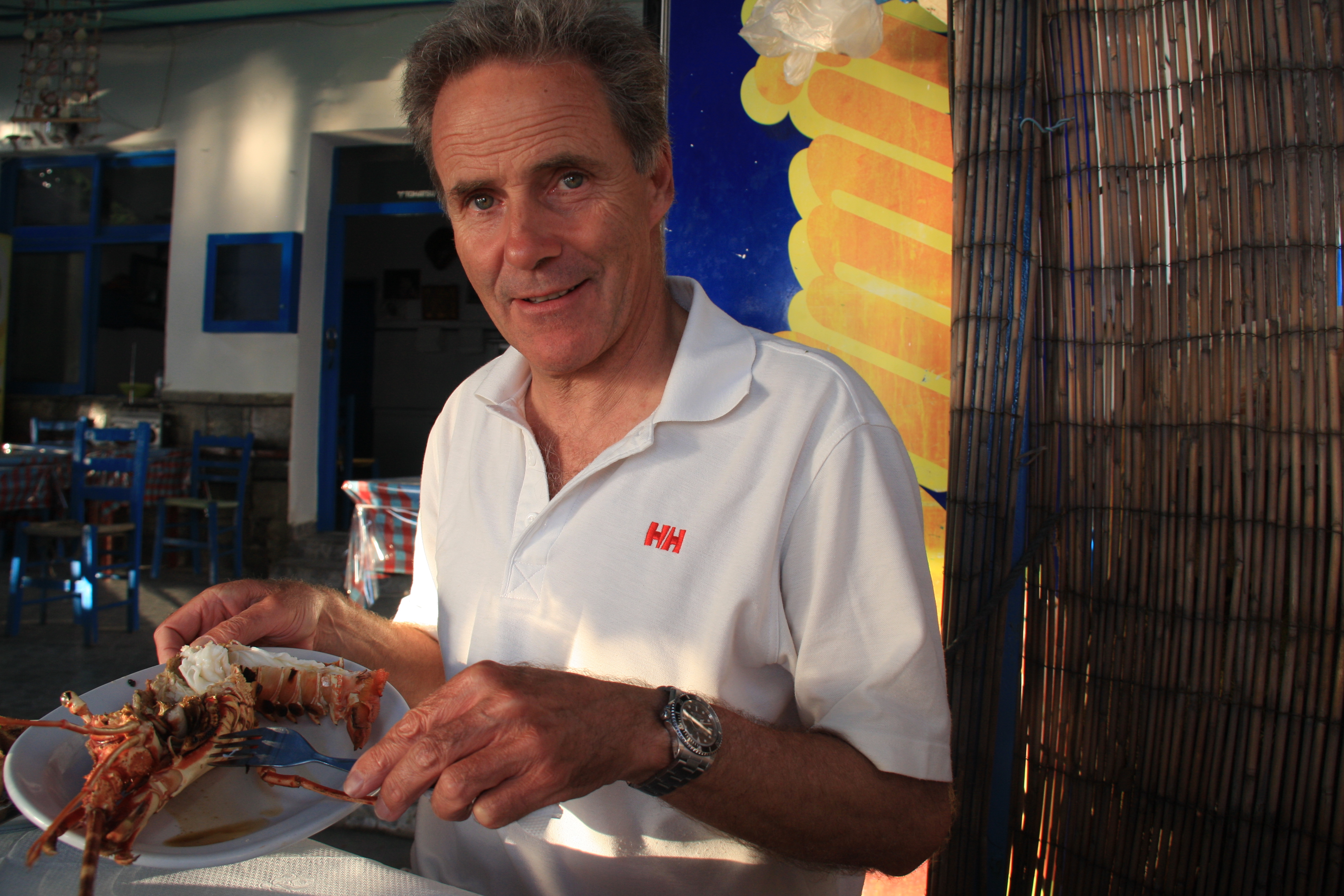
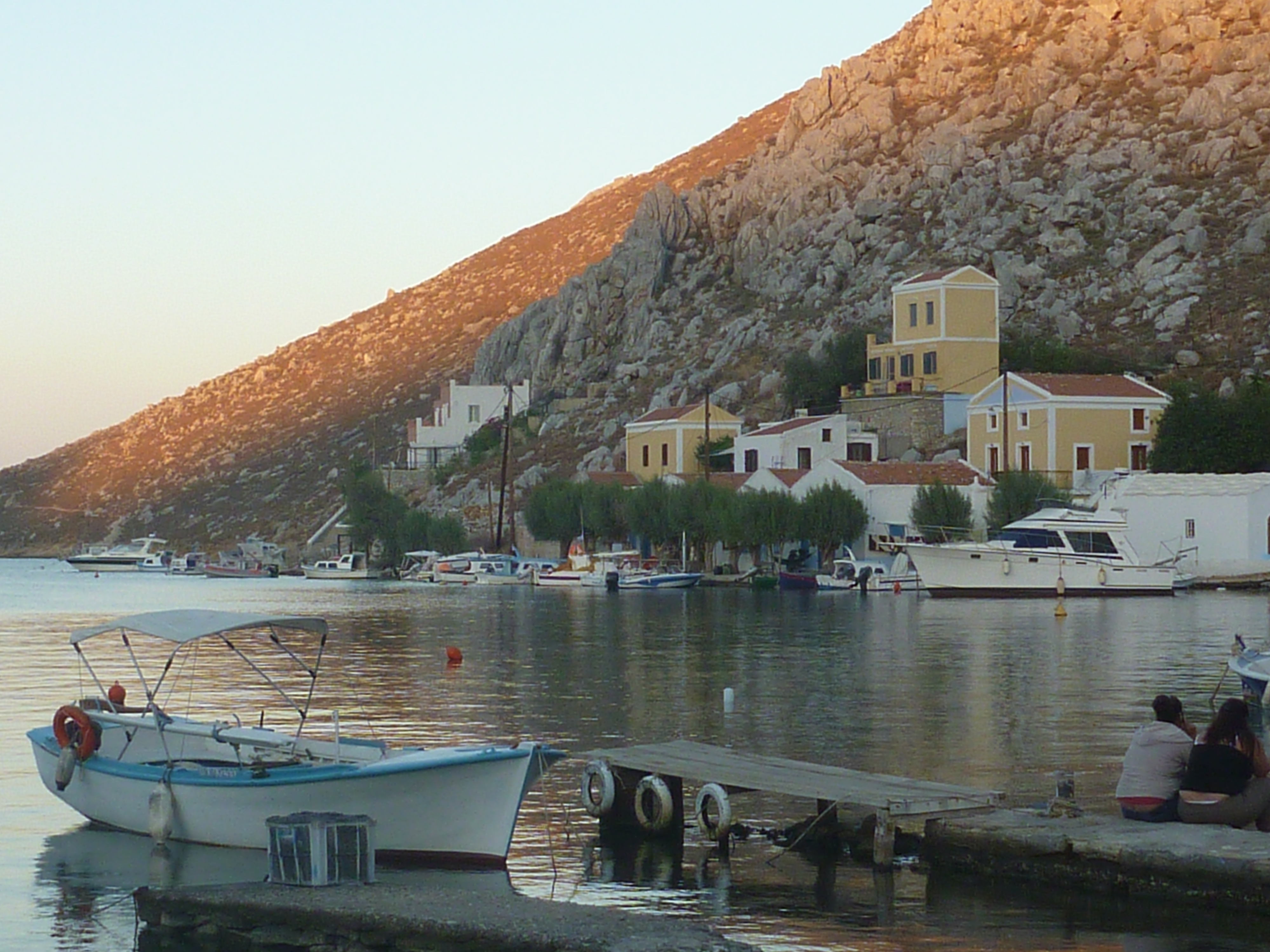
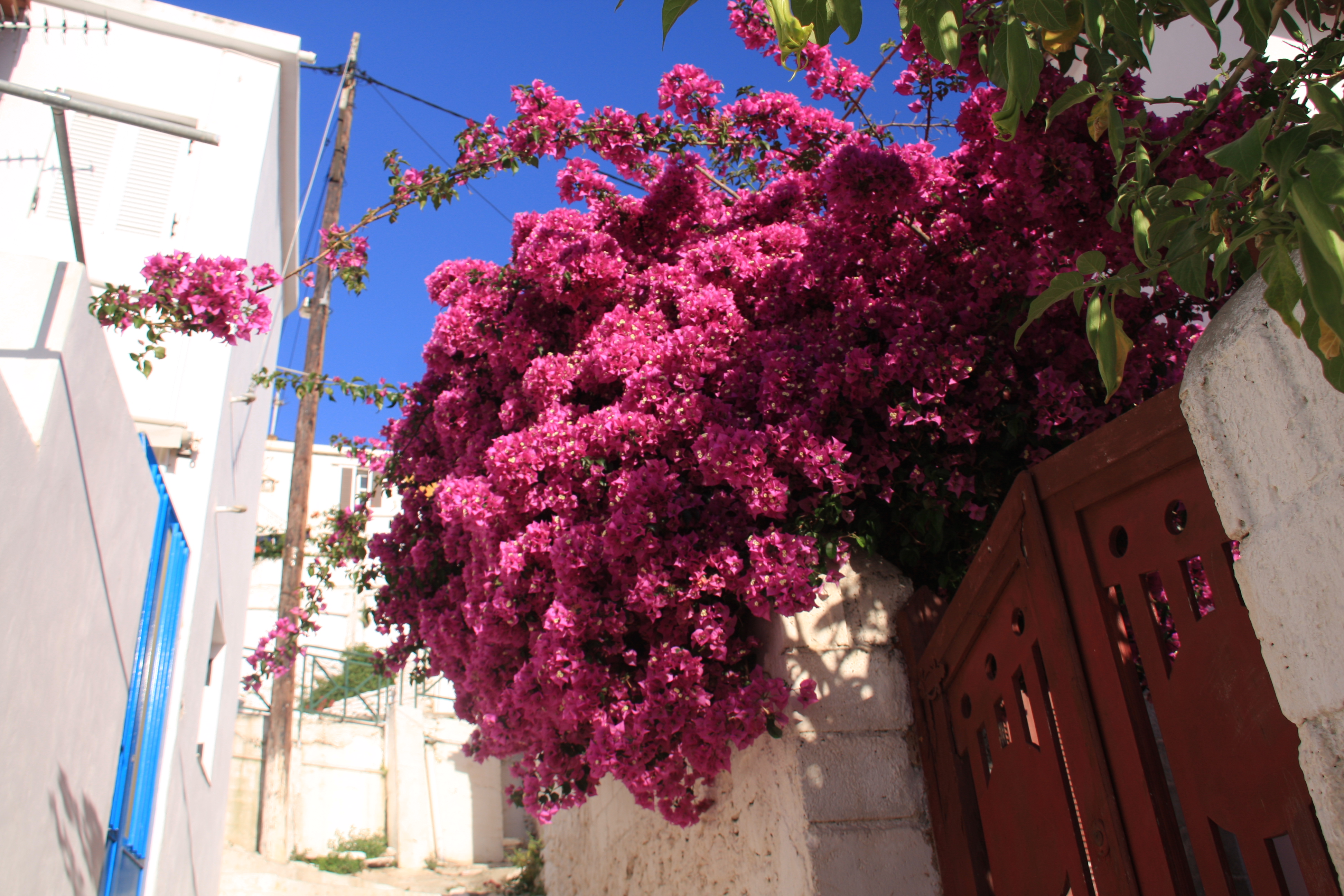
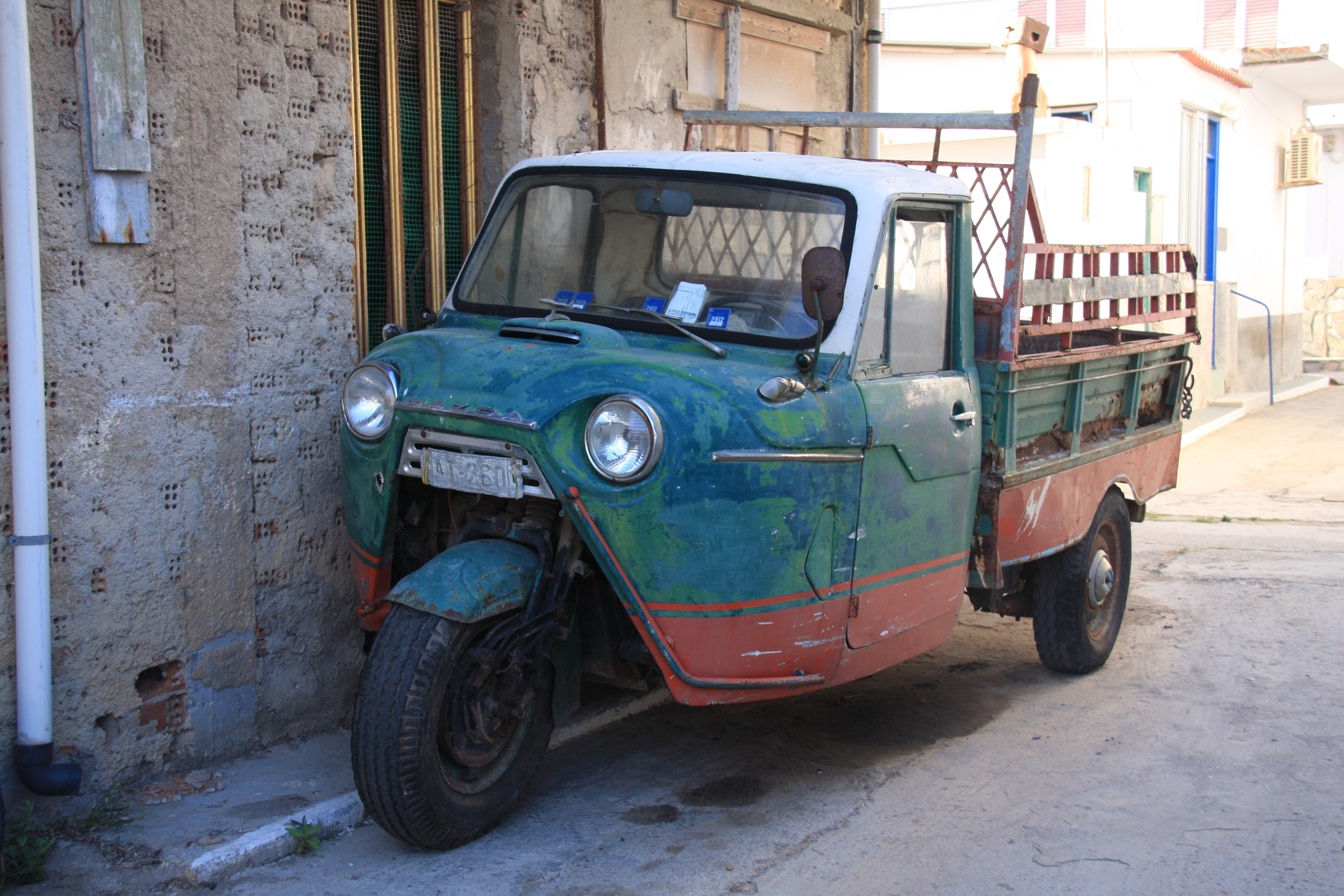
Dropping anchor in the isolated bay of Fimaina off Fourni, we were surprised to hear “Hey Sea Cloud” in Diana’s Aussie accent from across the bay. She had brought her group of painters up from Kalymnos to sketch the sites. We took her excellent advice and had our annual dose of (Aegean) lobster that evening in the charming nearby village (with its sophisticated modes of transport) – superb!

Fimaina
Fimaina

Fourni 024

Fourni 028

Fourni 029

Fourni 031

Chios

Once we got over the angst of our berthing in a 24kt southerly cross wind against an unforgiving jagged concrete wall in the EU-funded, but typically unfinished Chios ‘marina’ we enjoyed this picturesque and friendly island.

Marina

Chios 043

Chios is famous for its mastic – a tree resin used to make everything from gums, alcoholic drinks, sweets and cosmetics.

Mastic tree

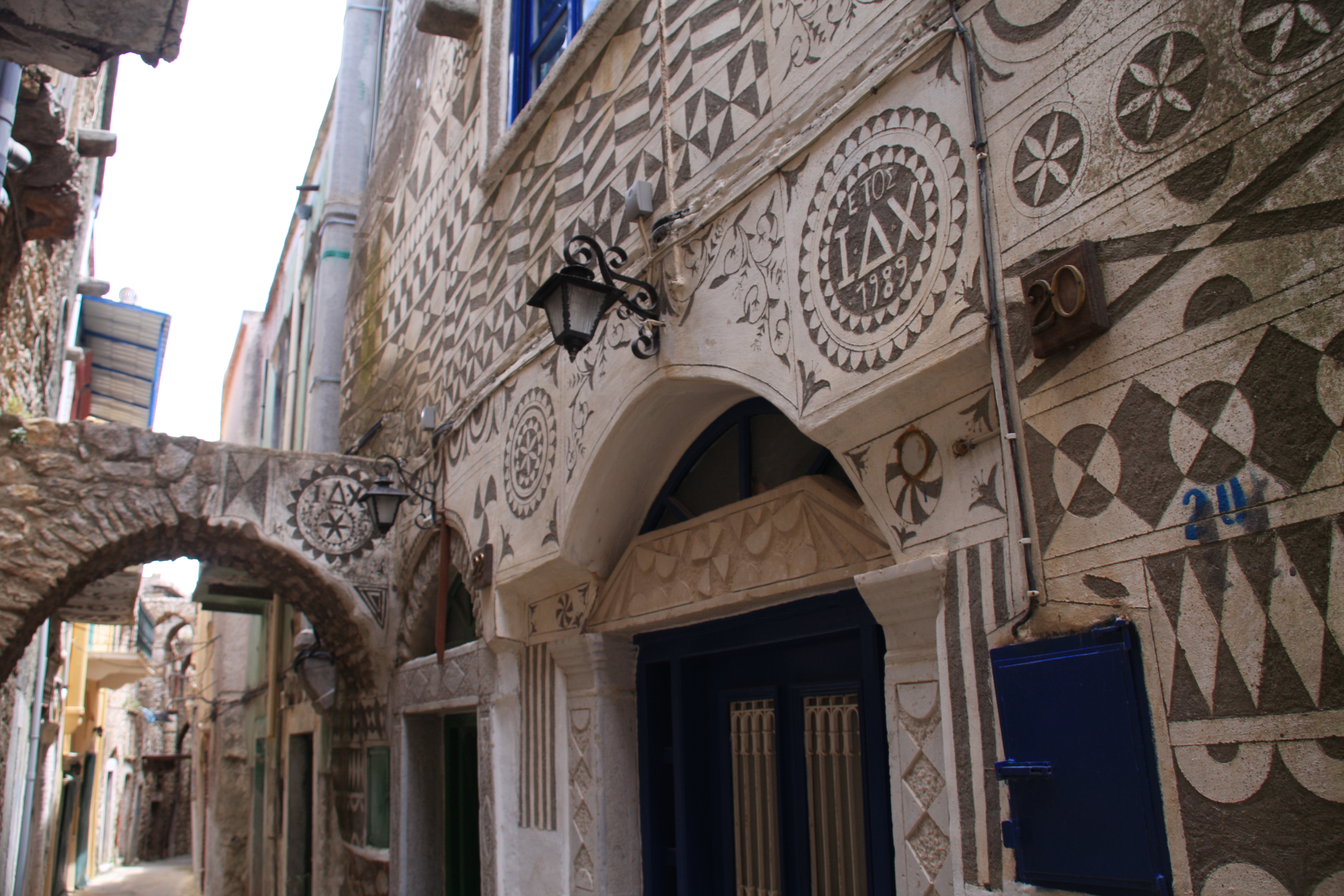
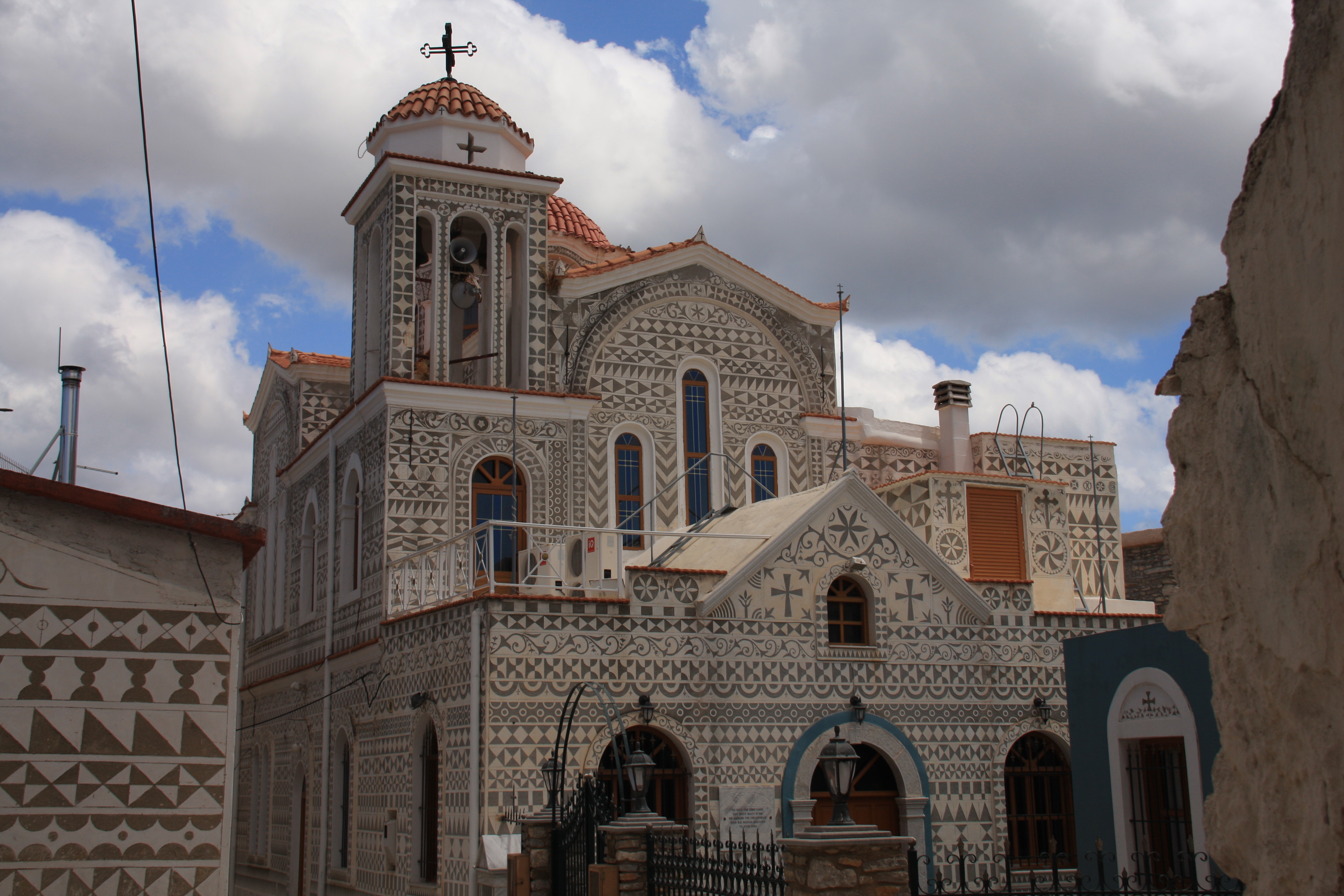
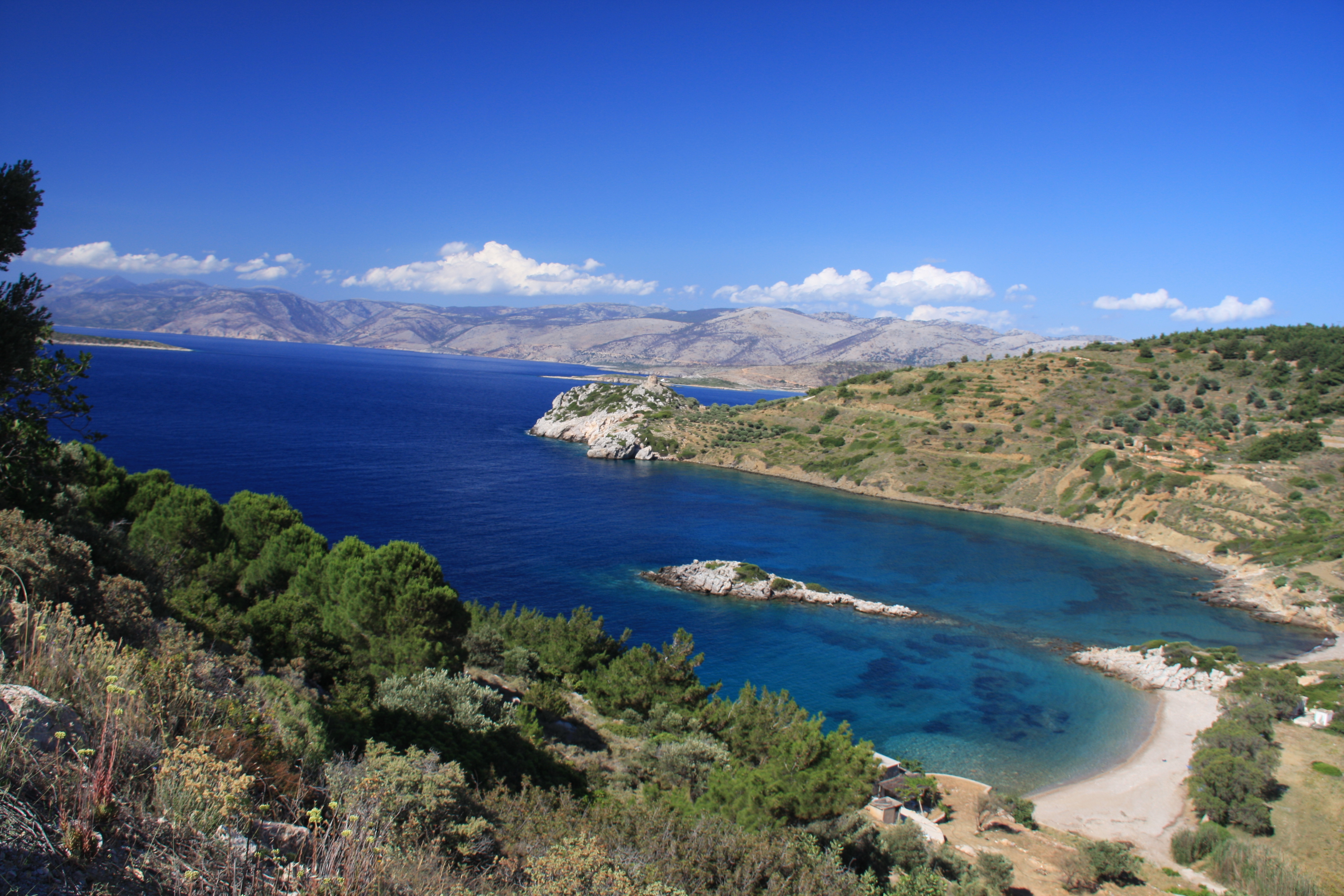
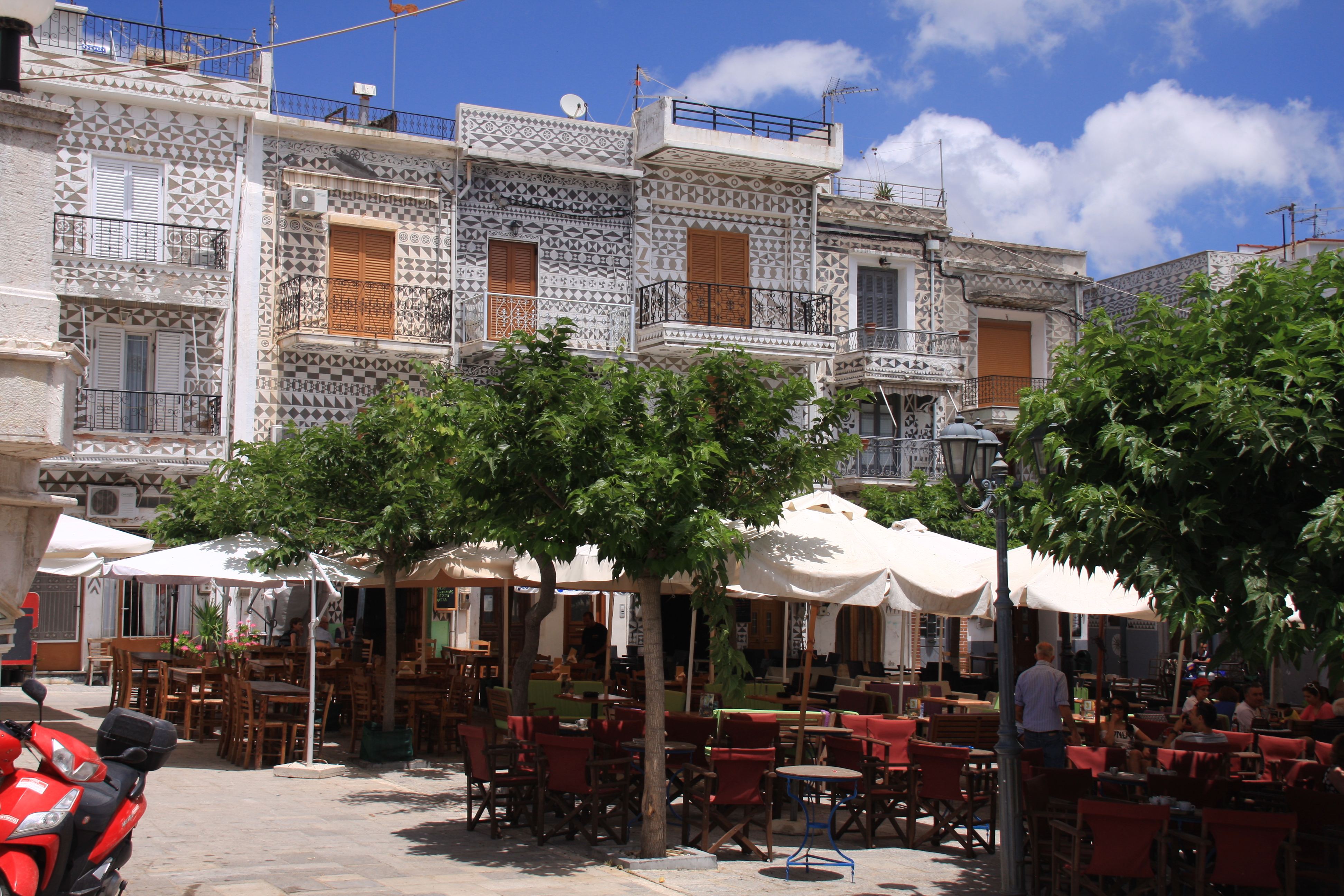
Chios also has a number of charming small towns, and beautiful swimming bays. The decorated houses in Pyrgi look as though they have been there for centuries, but most are quite recent.
Chios 109

Chios 069

Chios 077

Chios 078

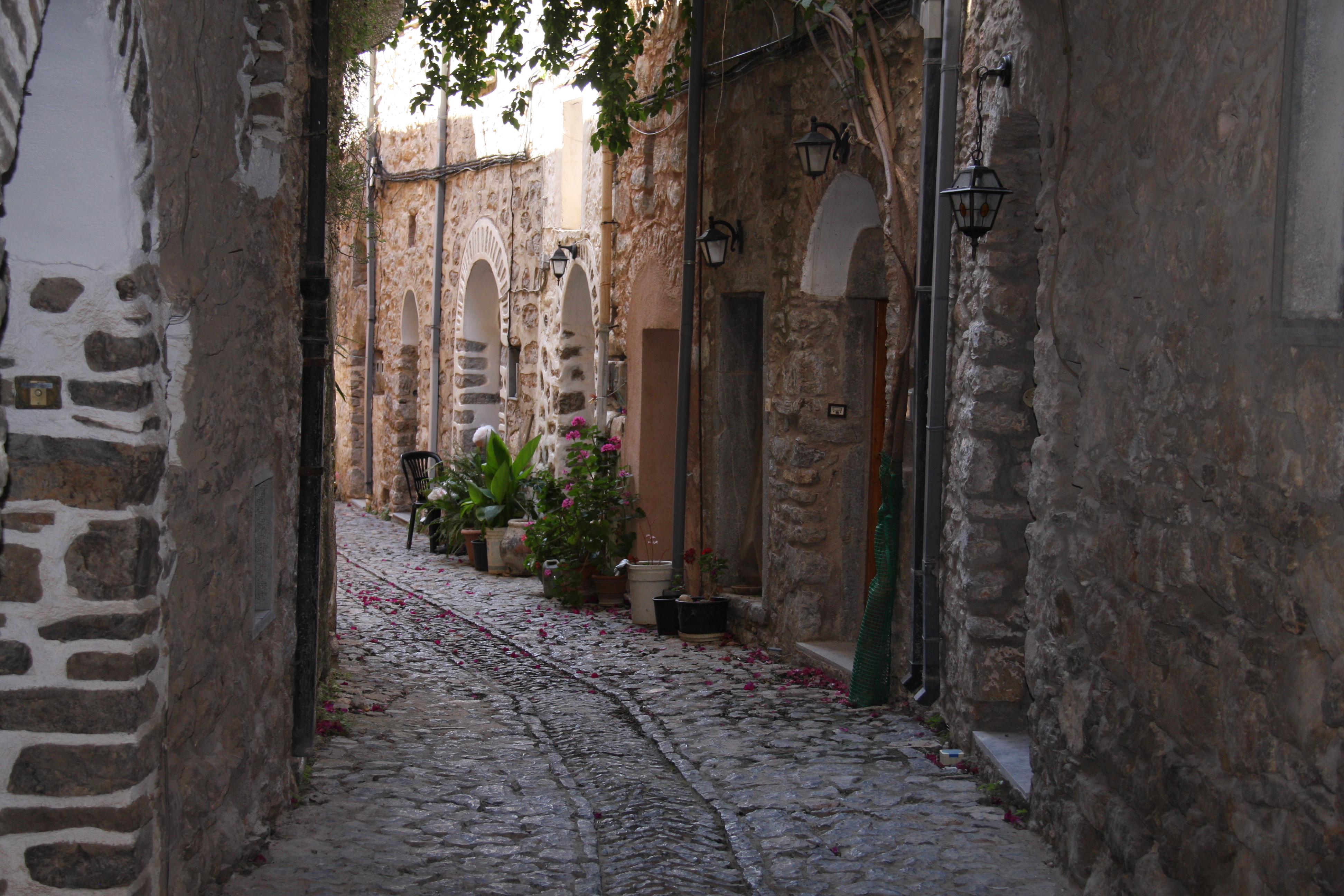
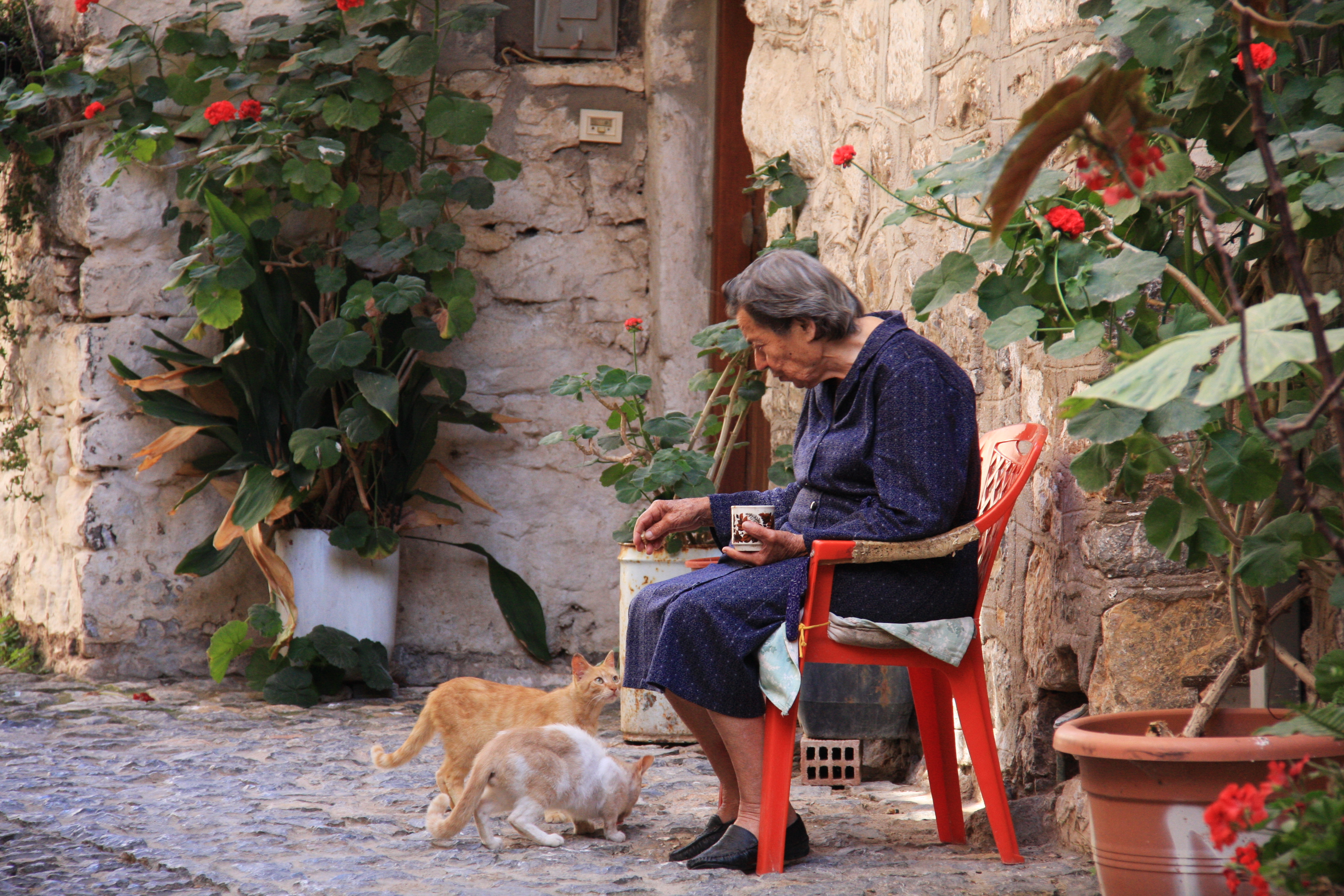
It is easy to get lost within the fortified medieval town of Mesta with its very narrow passageways and small, I suspect extremely dark houses and a surprisingly elaborate church.
Chios 096

Chios 091

Chios 099

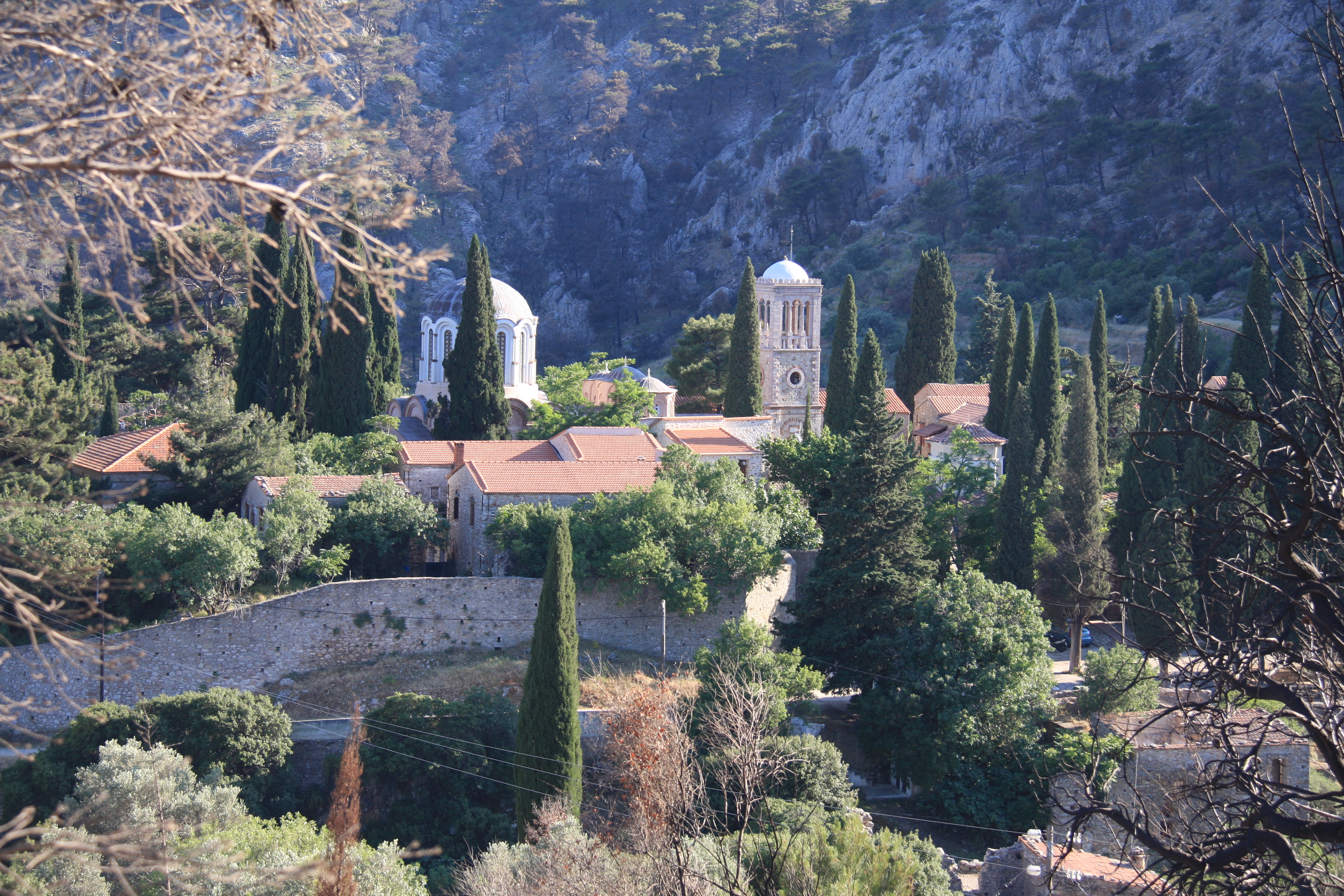
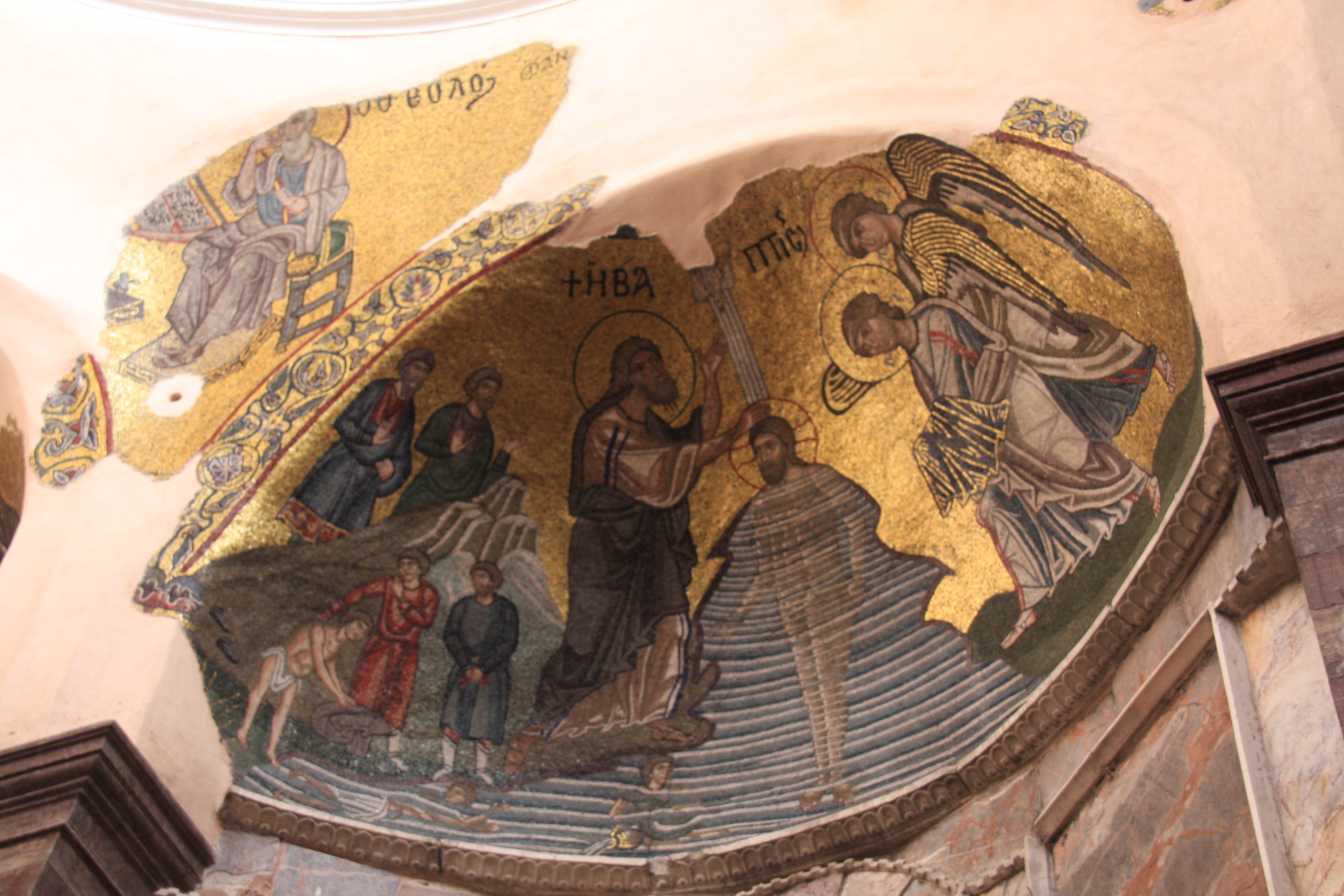
Nea Moni, a fortified monastery first built in the 11th century, once housed 400 monks – isolated and serene, typical of Greek monastries, high in the hills above Chios town. The fires which had ravaged great portions of Chios last year had come disturbingly close to this lovely place.
Nea Moni monastery

Chios 116

Oinoussa

Very pleased to depart the uninspiring Chios “marina” we dropped anchor behind the small island of Oinoussa just off the northern tip of Chios.
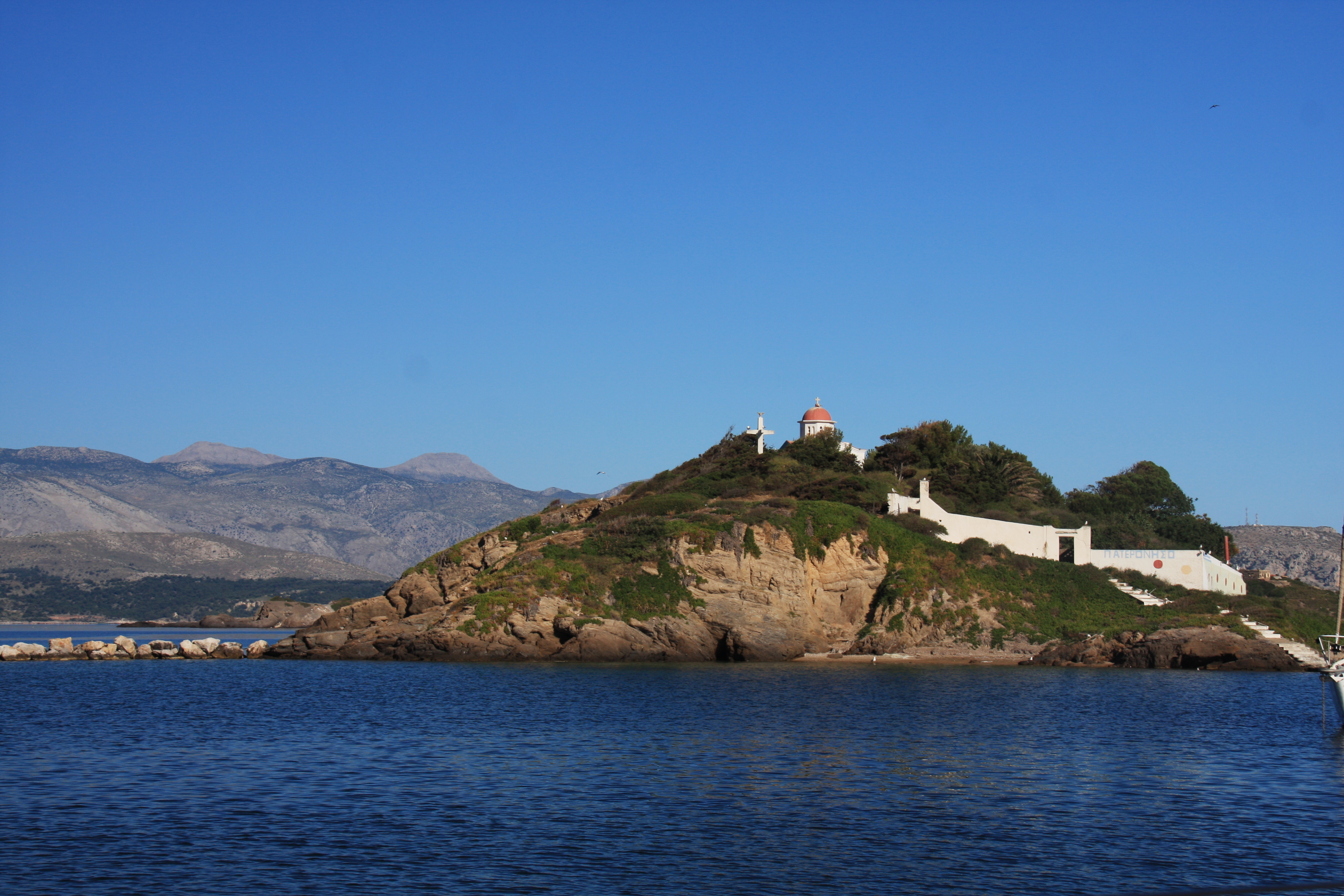
Chios 140

Oinoussa

Lesvos

With favourable southerly winds and a good sail north to Lesvos we initially anchored in Plomarion, a small town on the southern coast, famous for its ouzo – the best the Aegean has to offer. What we didn’t realise, it was also famous for its production of olive oil soap in the 19th century. According to the locals, the soap was so good that Ataturk organised one of the local soap makers to move to Turkey. Now all of the soap sold in this part of Greece (labelled as local) is actually made in Turkey.
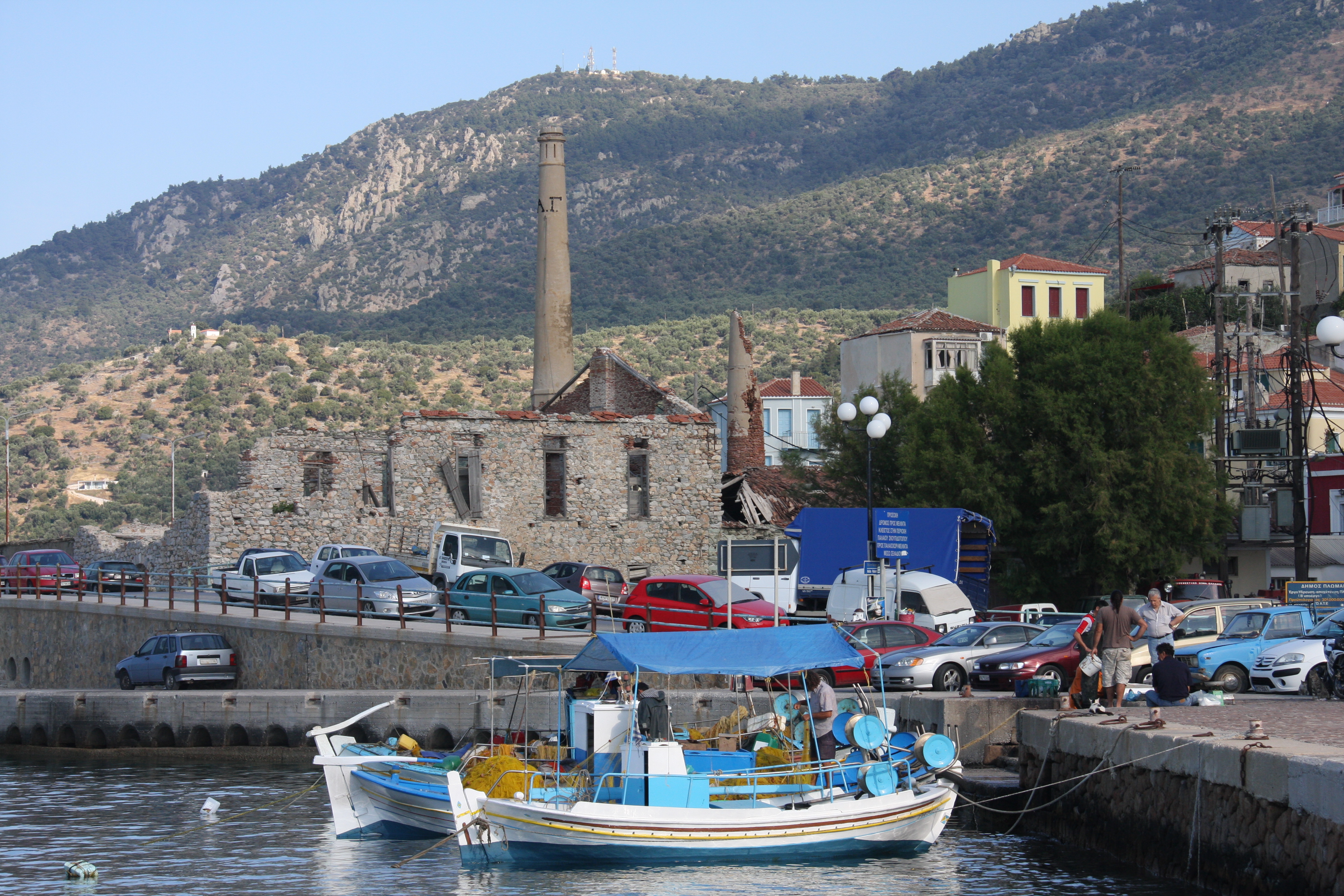
Lesvos 052

Lesvos 044

Lesvos 045

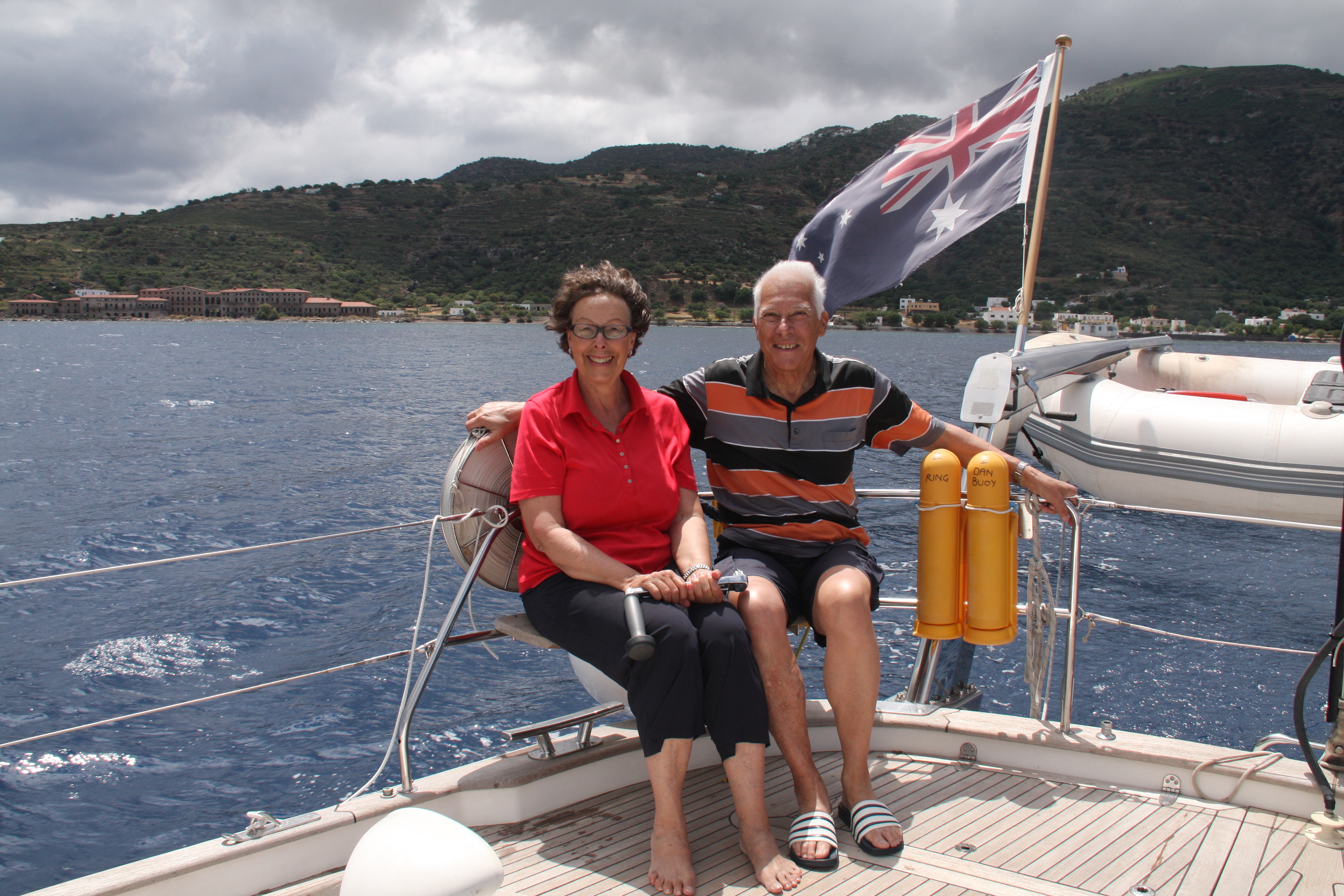
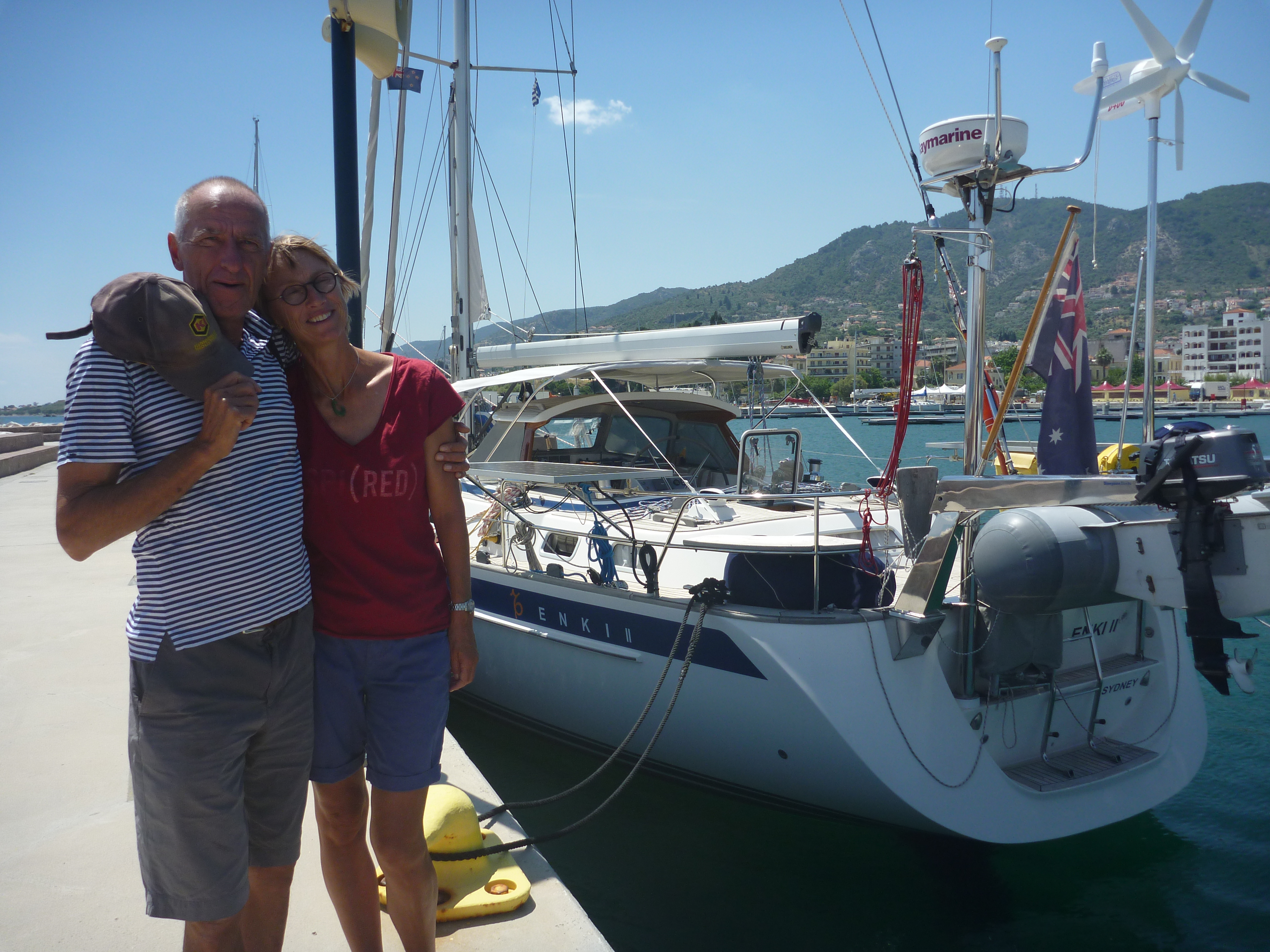
Moored behind Alex and Diana on Enki II in Lesvos  marina in Mytiline – 2 HR 48’s with Australian flags side by side – you don’t see that too often. We spent an enjoyable day in their company albeit exchanging stories about engine woes as Enki still trying to sort theirs out.
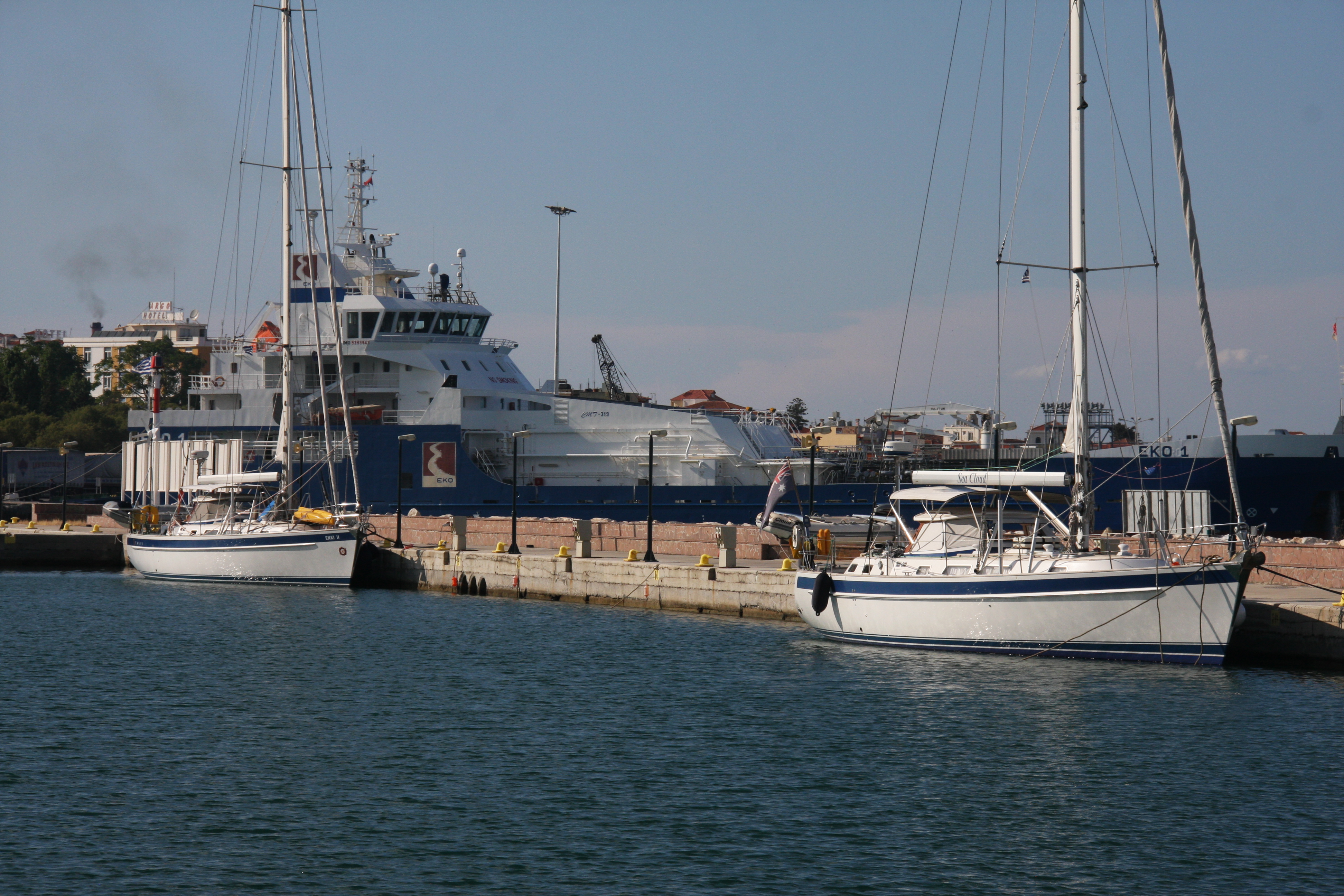
Lesvos 053

Lesvos 162

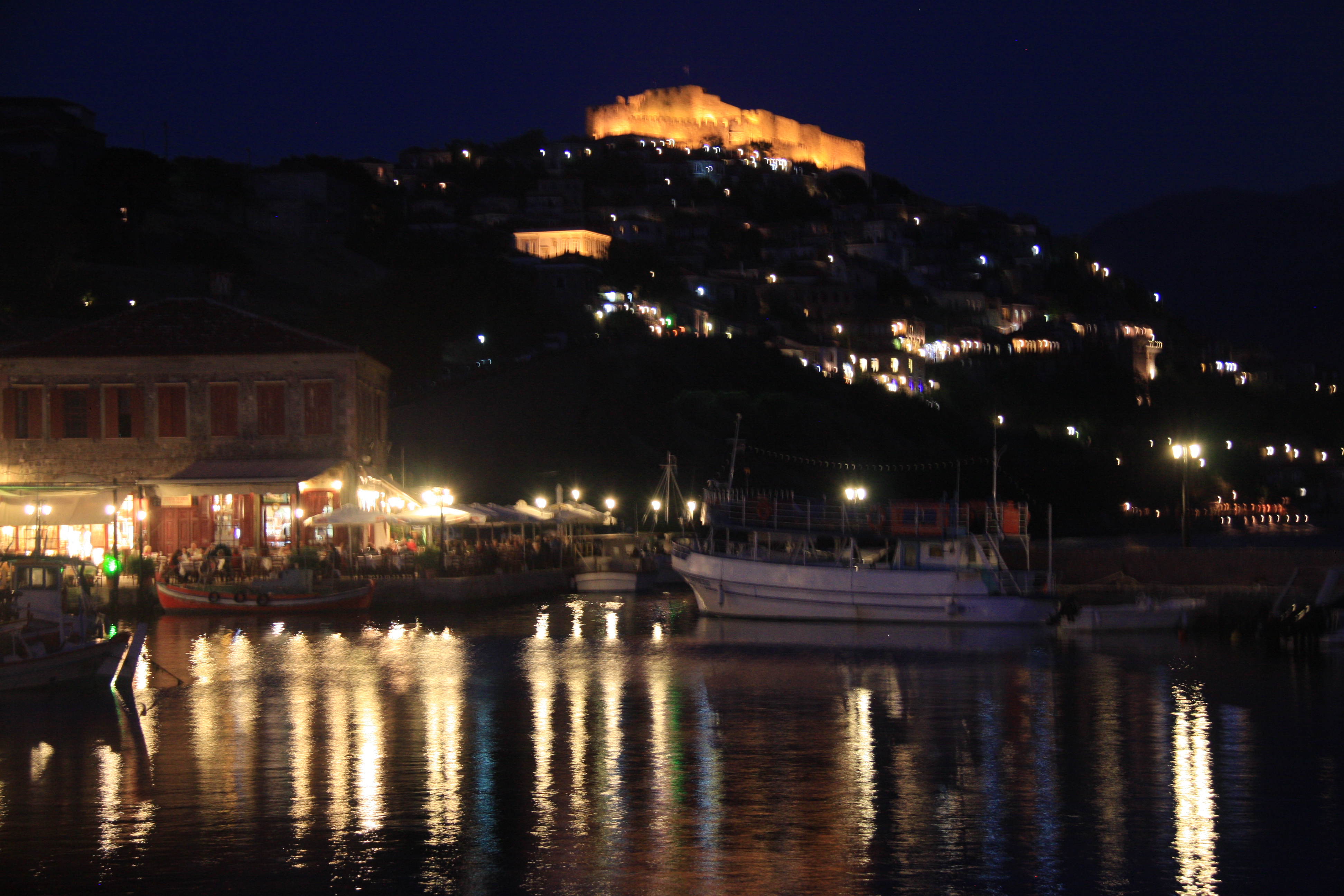
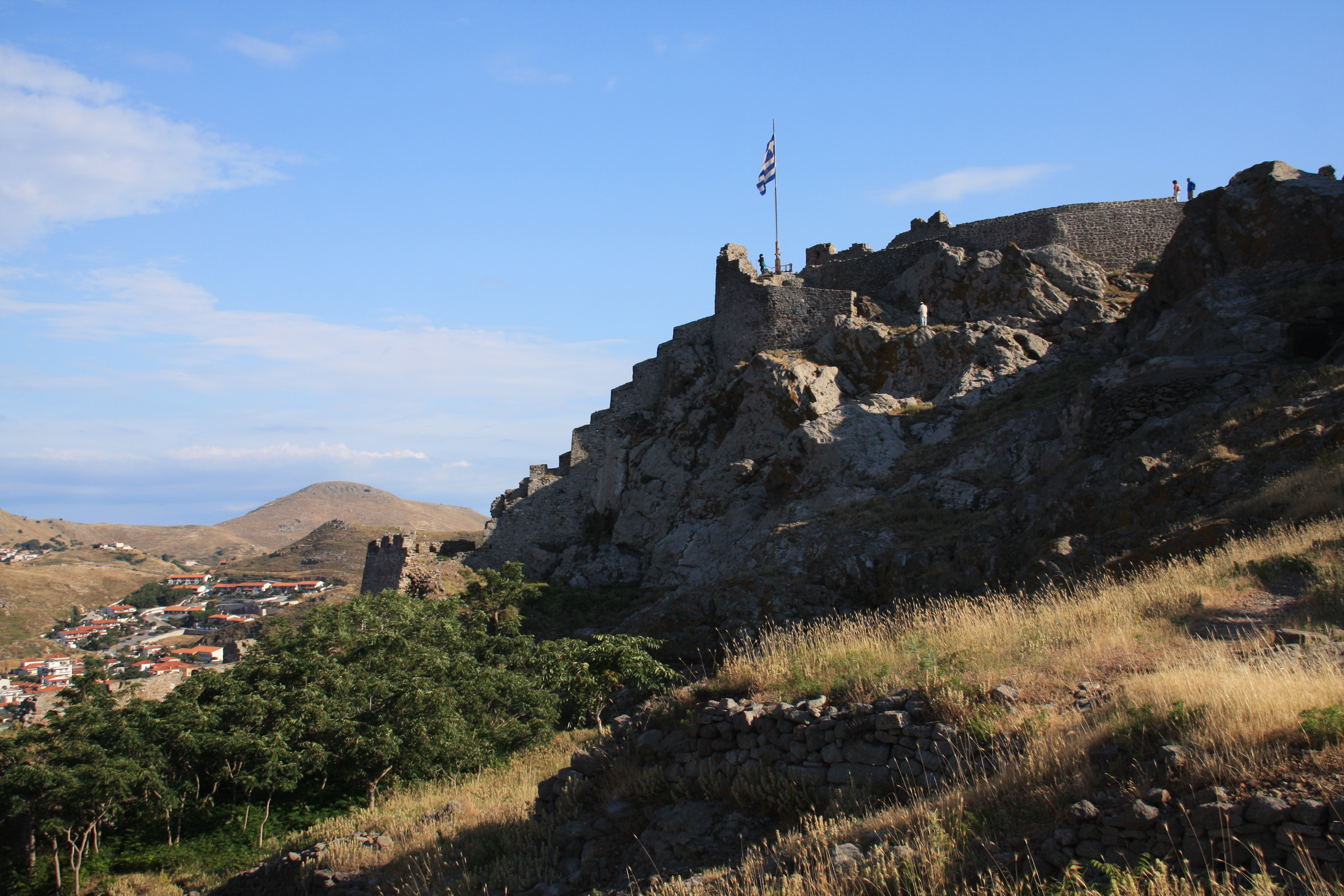
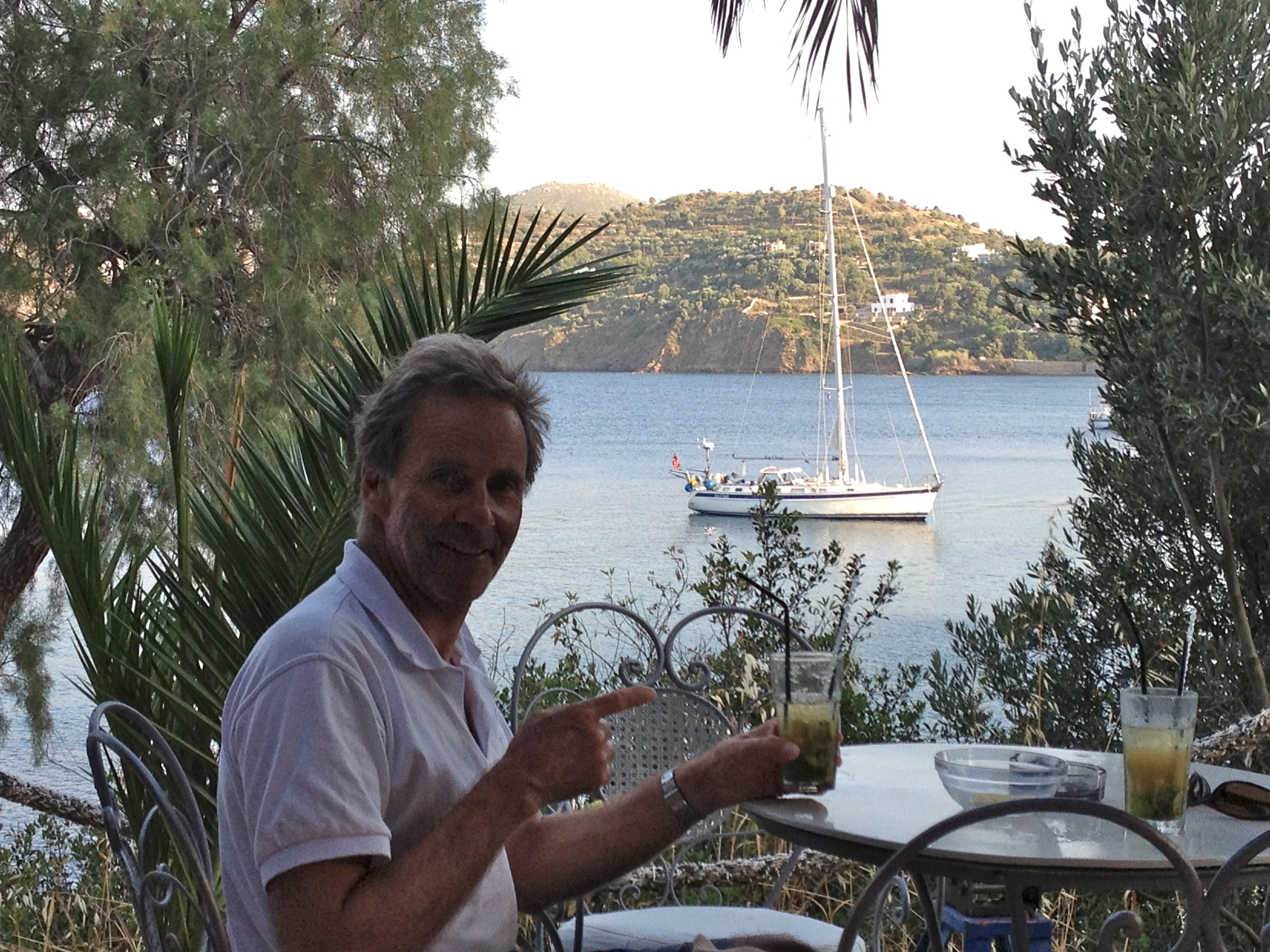
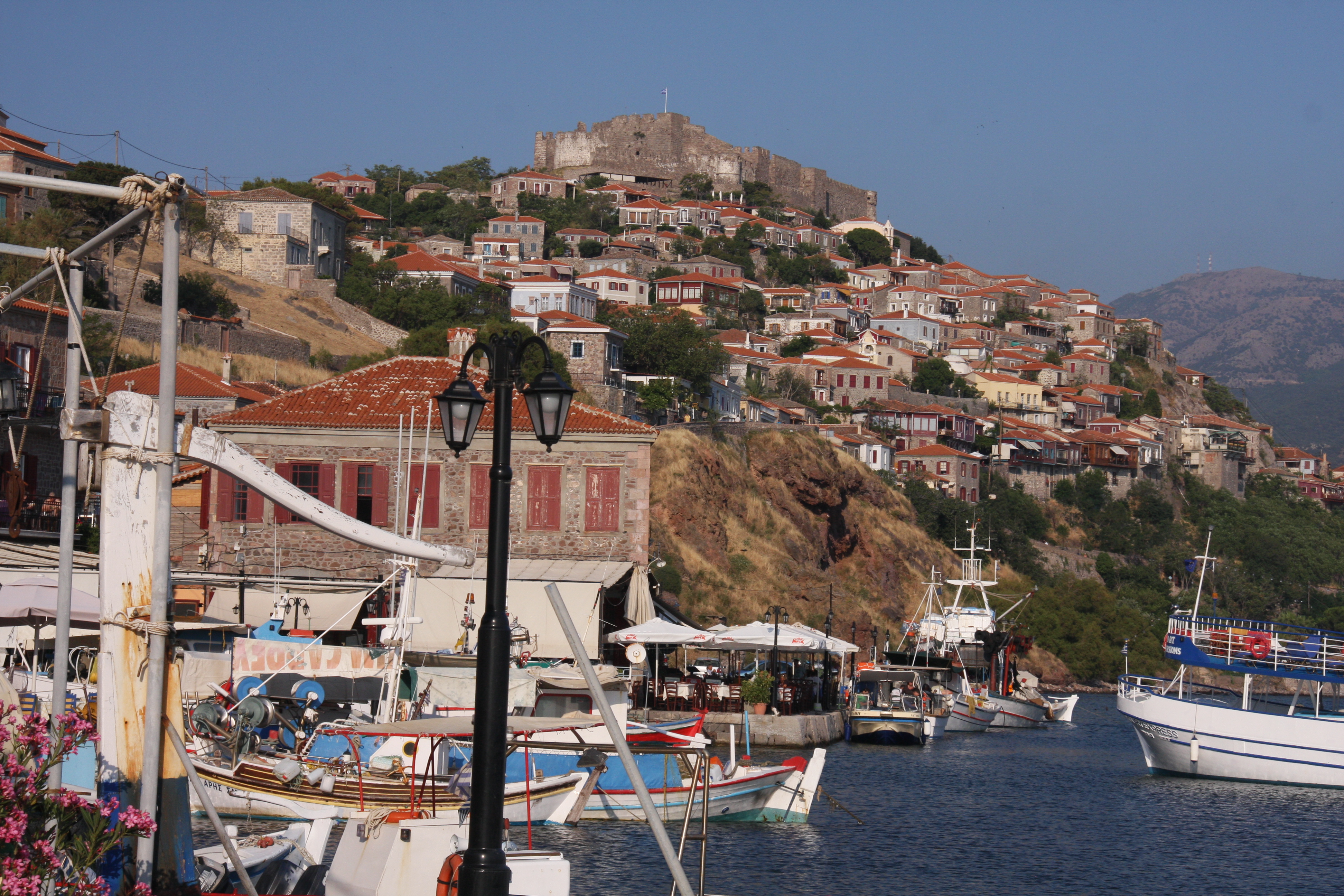
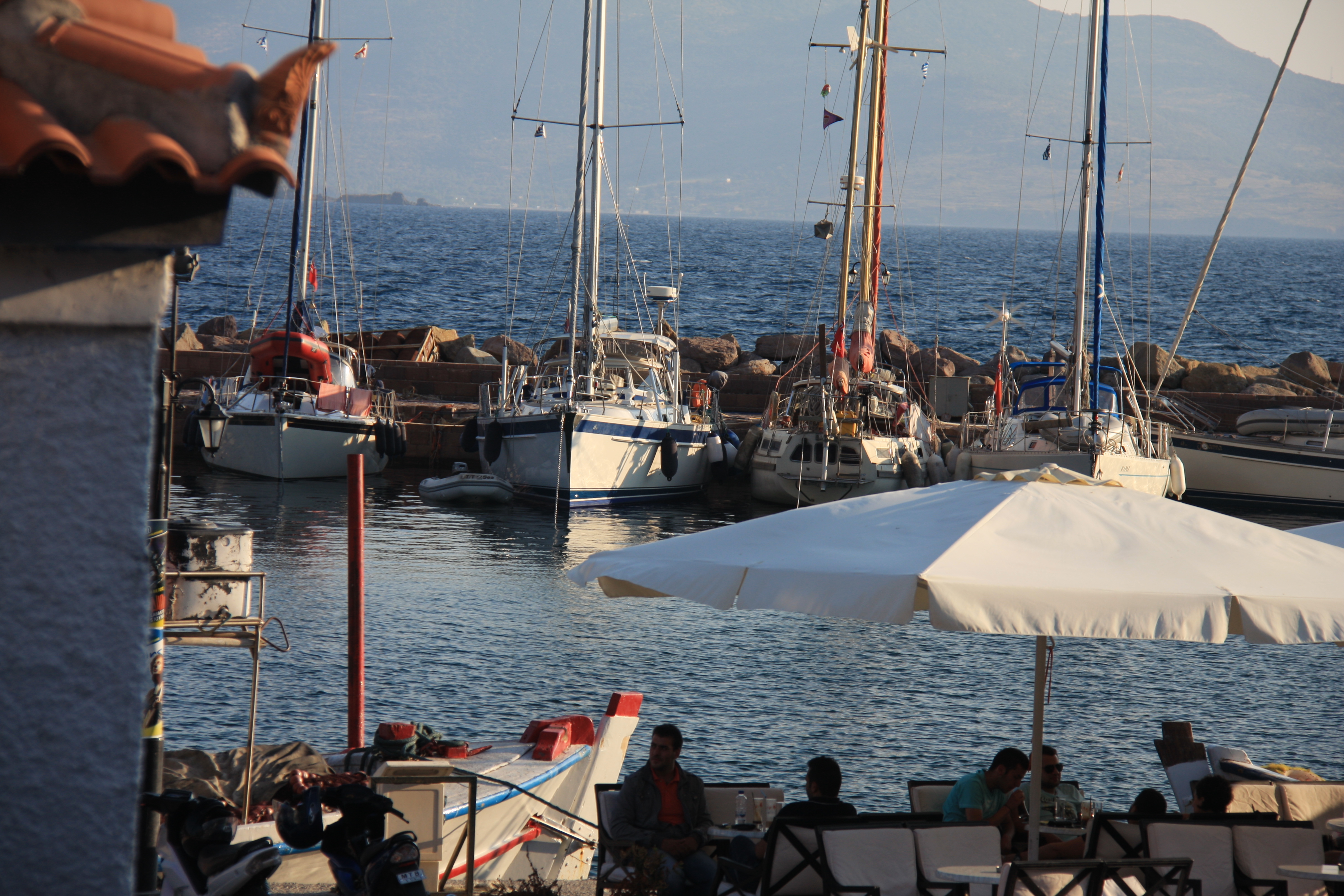
Molivos harbour at the north eastern tip of Lesvos was  surprisingly quiet and one of the most pleasant small fishing harbours encountered this season. Good shelter and spectacular views to and from the castle overlooking the village. Source of superb local produce (eg famous olive oil) and one can even find a great mojito here!
Lesvos 126

Lesvos 129

Lesvos 117

Lesvos 150

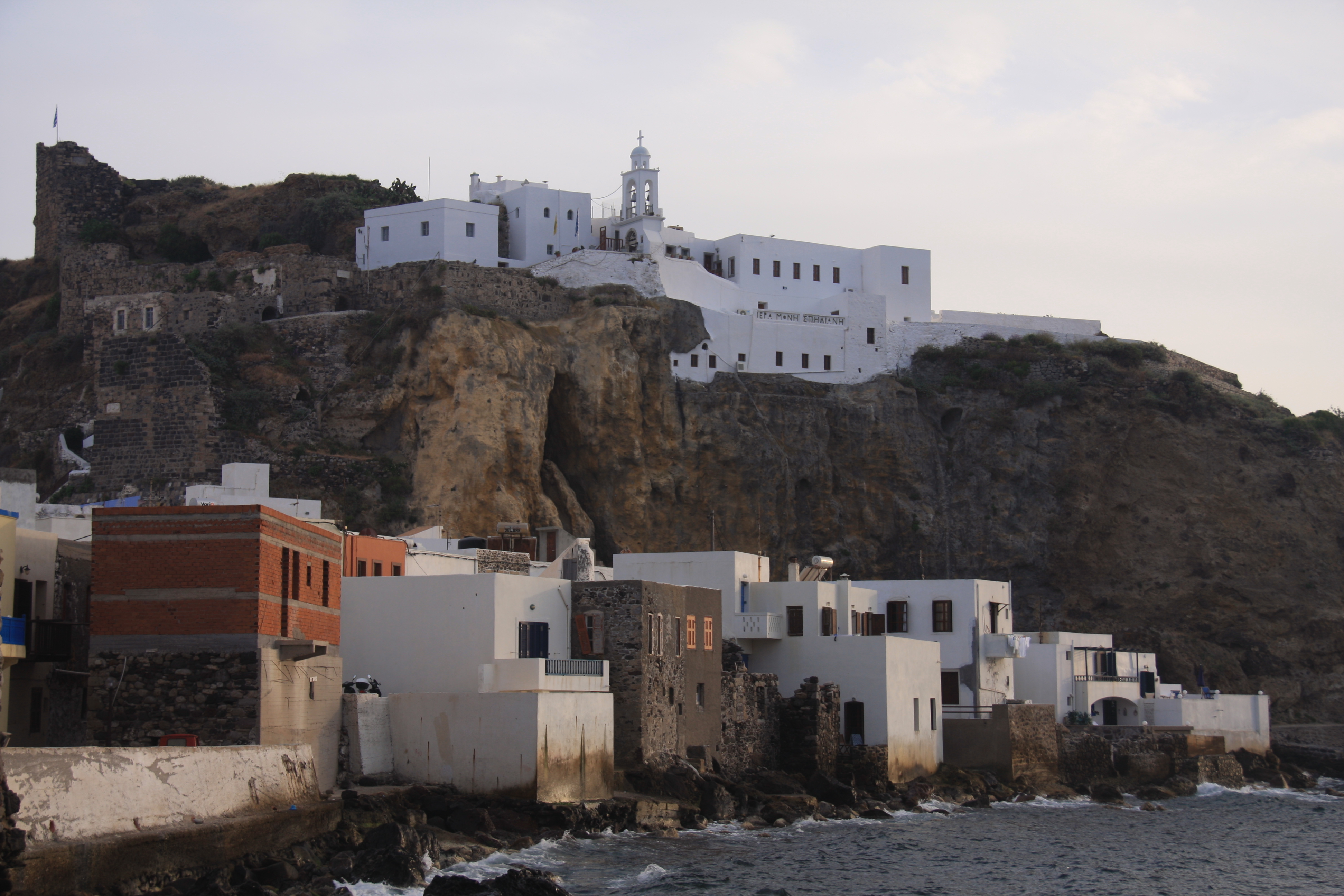
Limnos

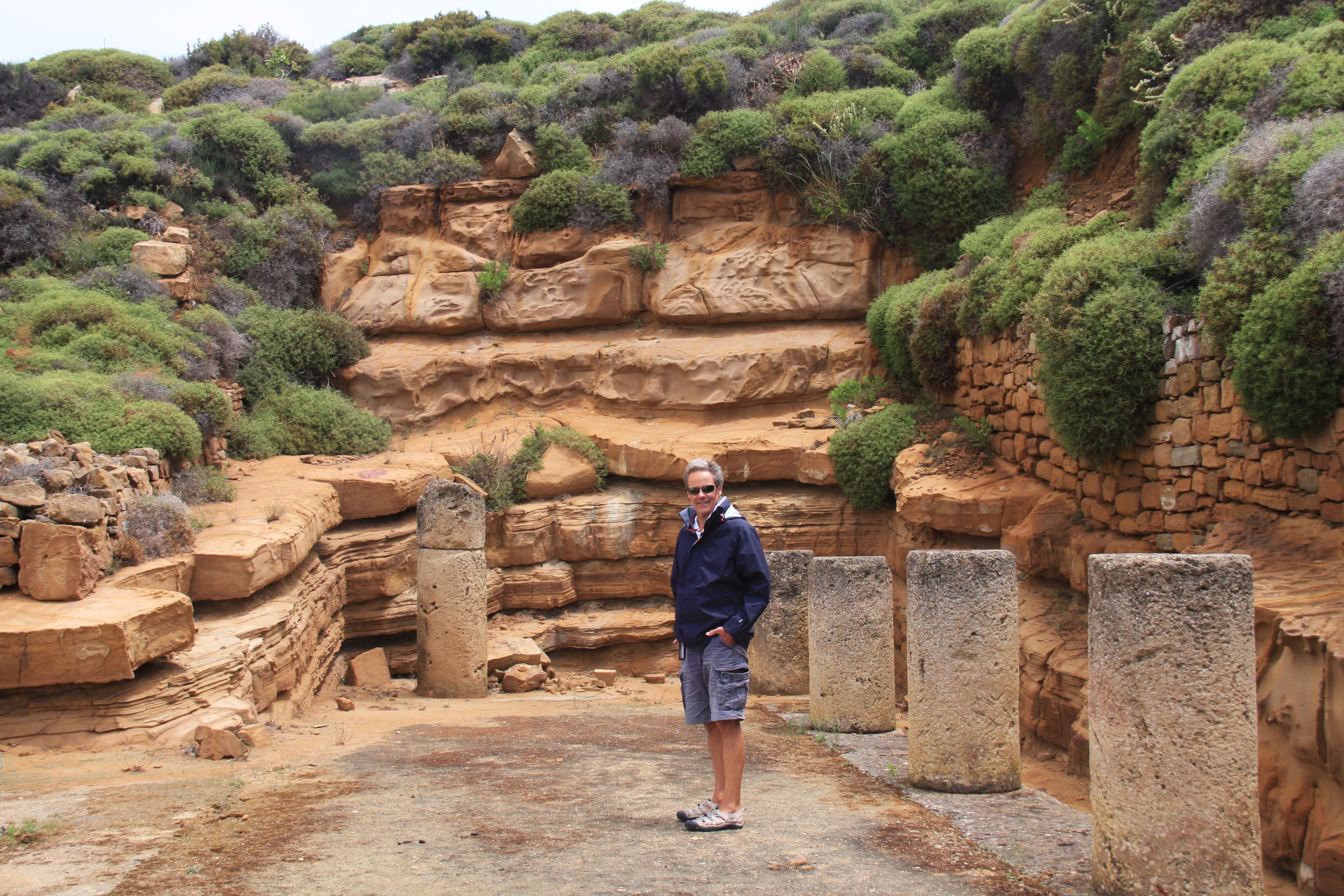
With strong northerly winds predicted in a few days time, we left Lesvos expecting to do some work but lucked out with a brisk southerly (not predicted) for most of our sail north to Limnos. Myrina harbour was a great place to settle into for 4 days of strong wind, rain and thunderstorms (is this really June in  Greece??). Rather than anchor in small bays as we had planned instead we explored the island by car. Limnos has a wonderful small archaeological museum in Myrina – great to visit before seeing the source of its contents – the Poliochni, site (3,500 – 1,400 BC).

Limnos 006

Limnos 019

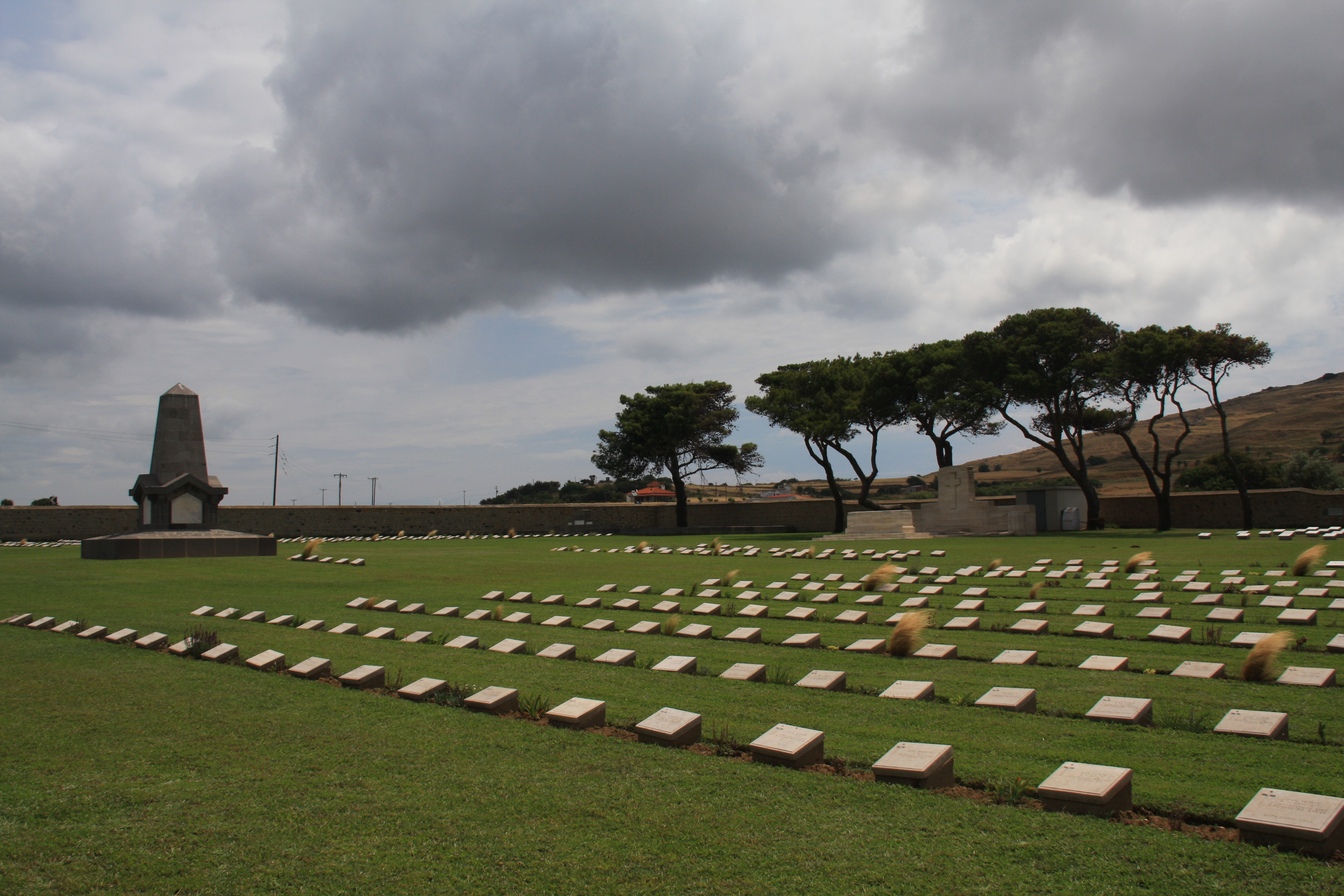
Visited the Commonwealth war graves at Moudros, adjacent to the large natural harbour that housed the Allied Fleet in 1915 during the Dardanelles campaign.
Moudros

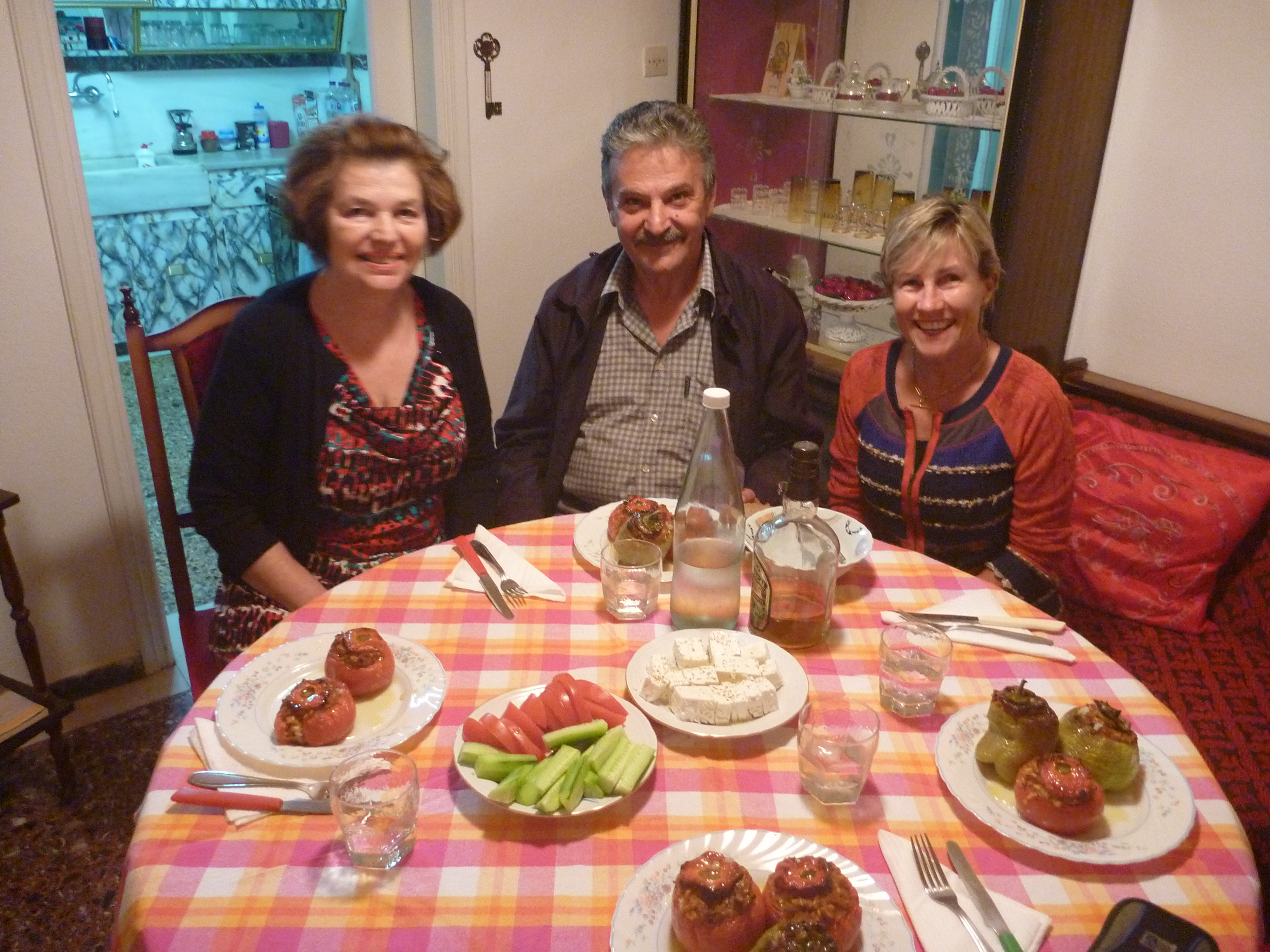
We were very lucky to meet Andrew and Mary, Aussie-Greeks who spend 3 months a year in Mirina, the rest of the year in Sydney. They very kindly invited us over to share a dinner of Andrew’s wonderful stuffed tomatoes and to sample the local ouzo Tsipouro.
Lesvos 166

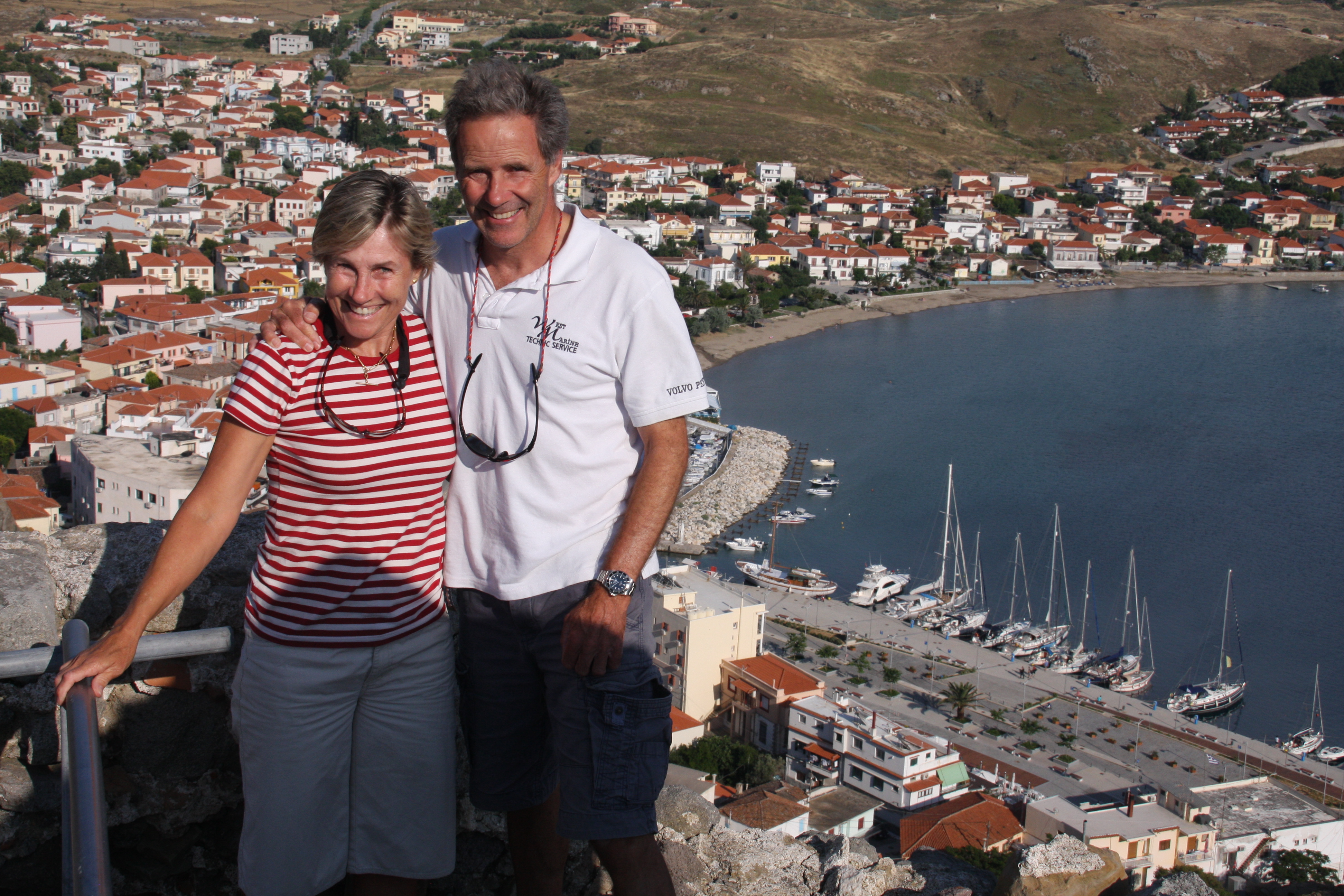
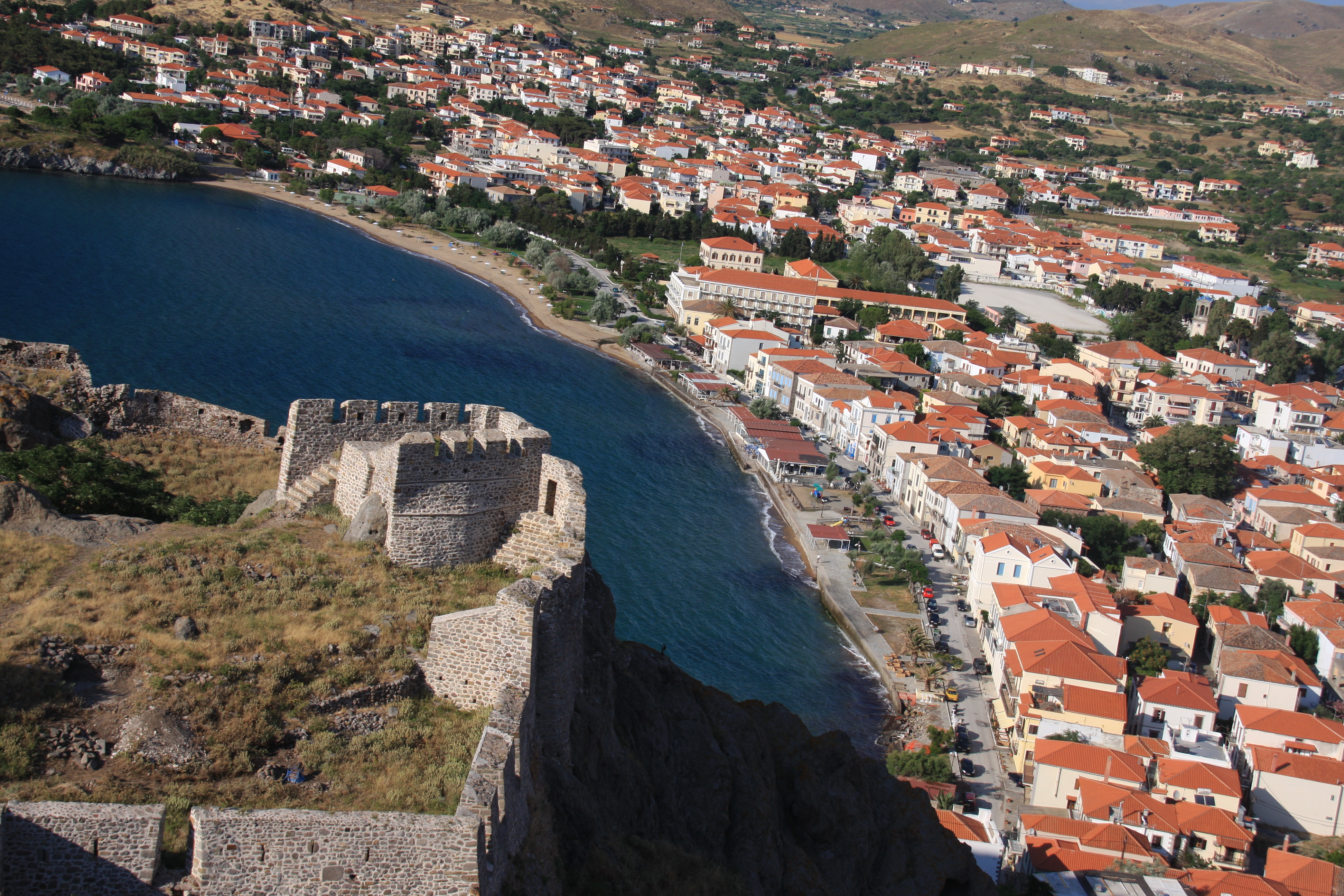
With the emergence of the sun, the yachts emptied and there was quite a gathering in the Ottoman fort on top of the hill which commanded superb views of the harbour and adjacent beaches.
Copy of Myrina

Limnos 033

Limnos 029

Thassos

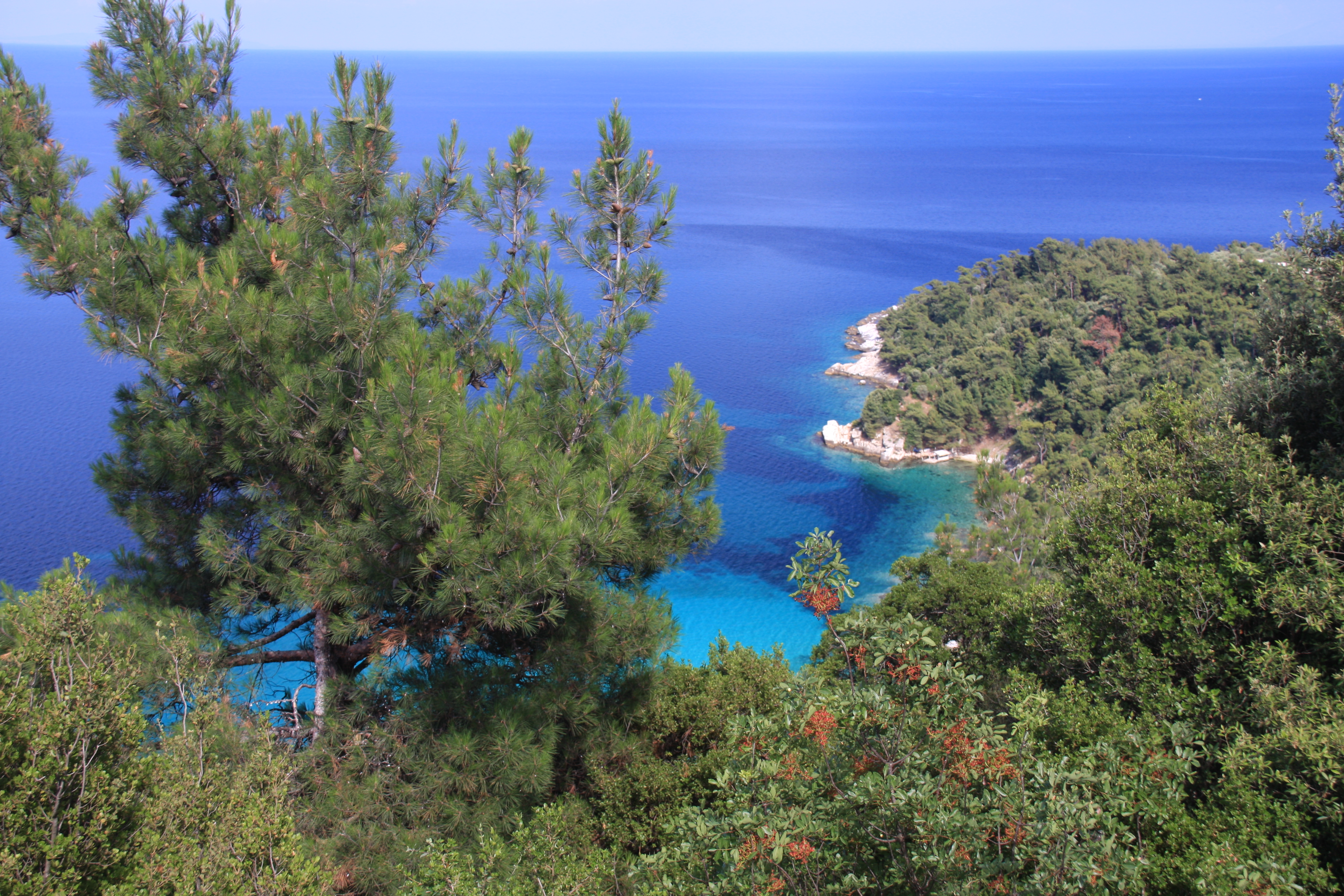
After a long and bumpy sail into strong northerly winds, we anchored in Aliki bay with its crystal clear water and marble outcrops. The sand and water are unusually white and turquoise as the island seems to be composed almost entirely of white marble.
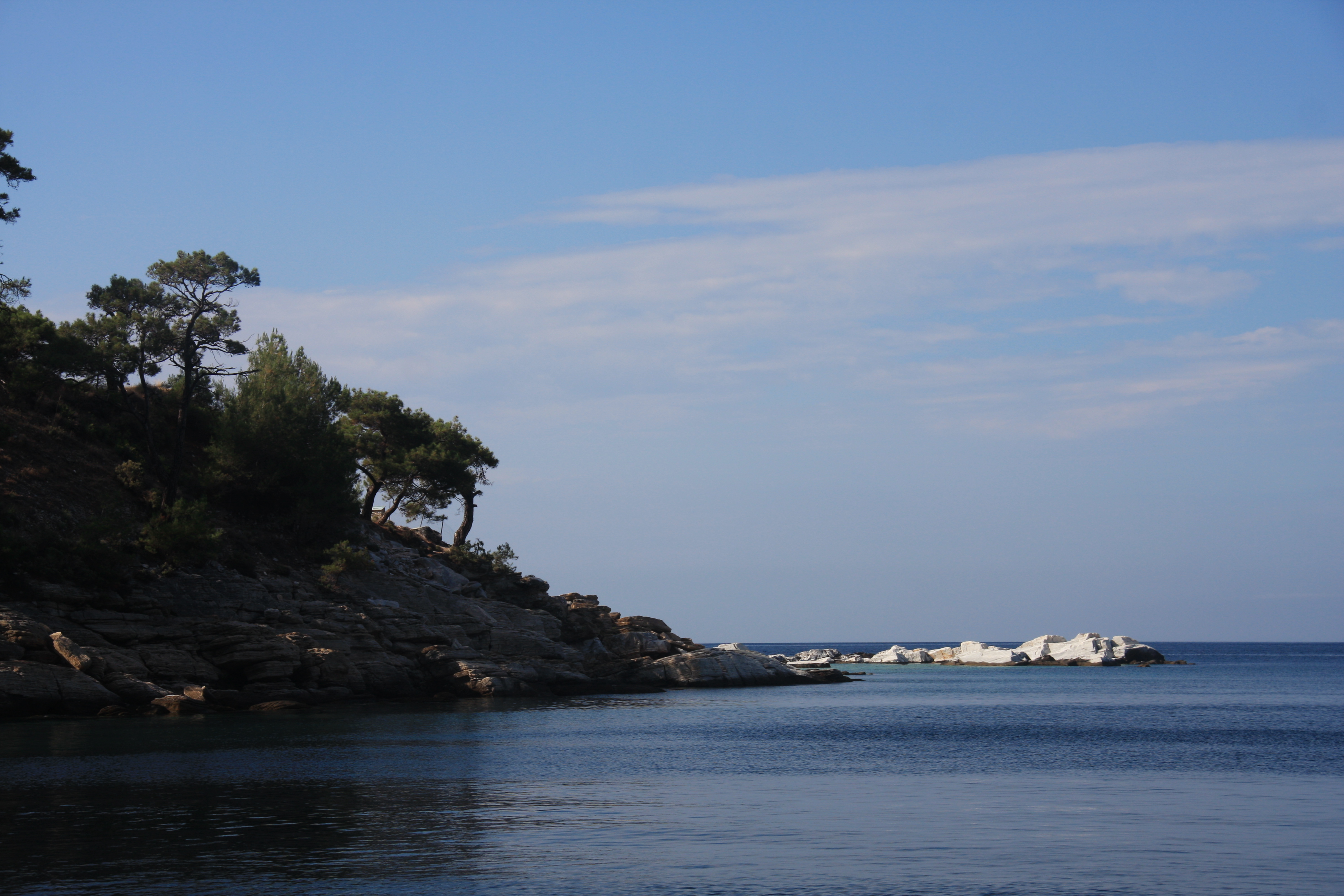
Thassos 003

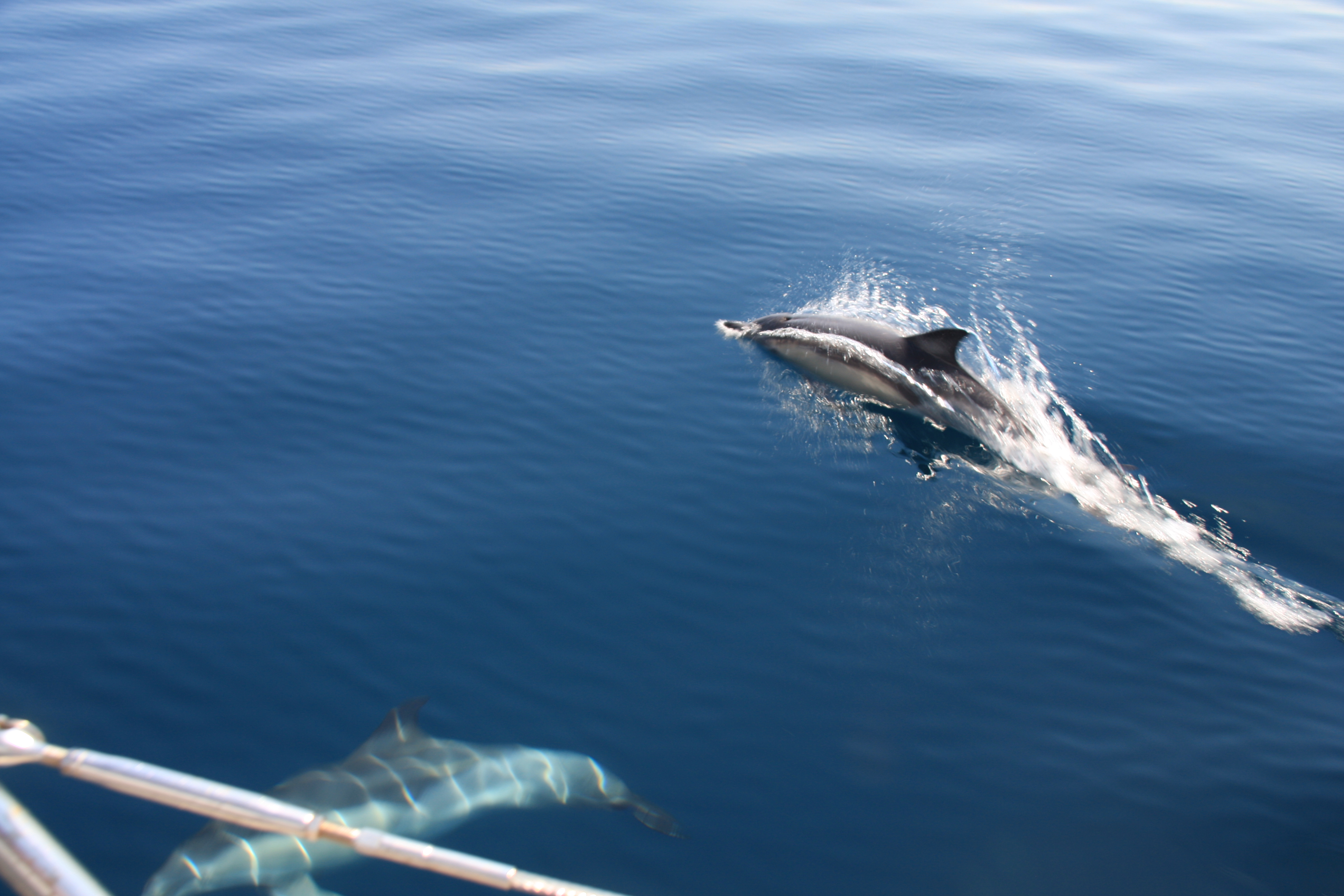
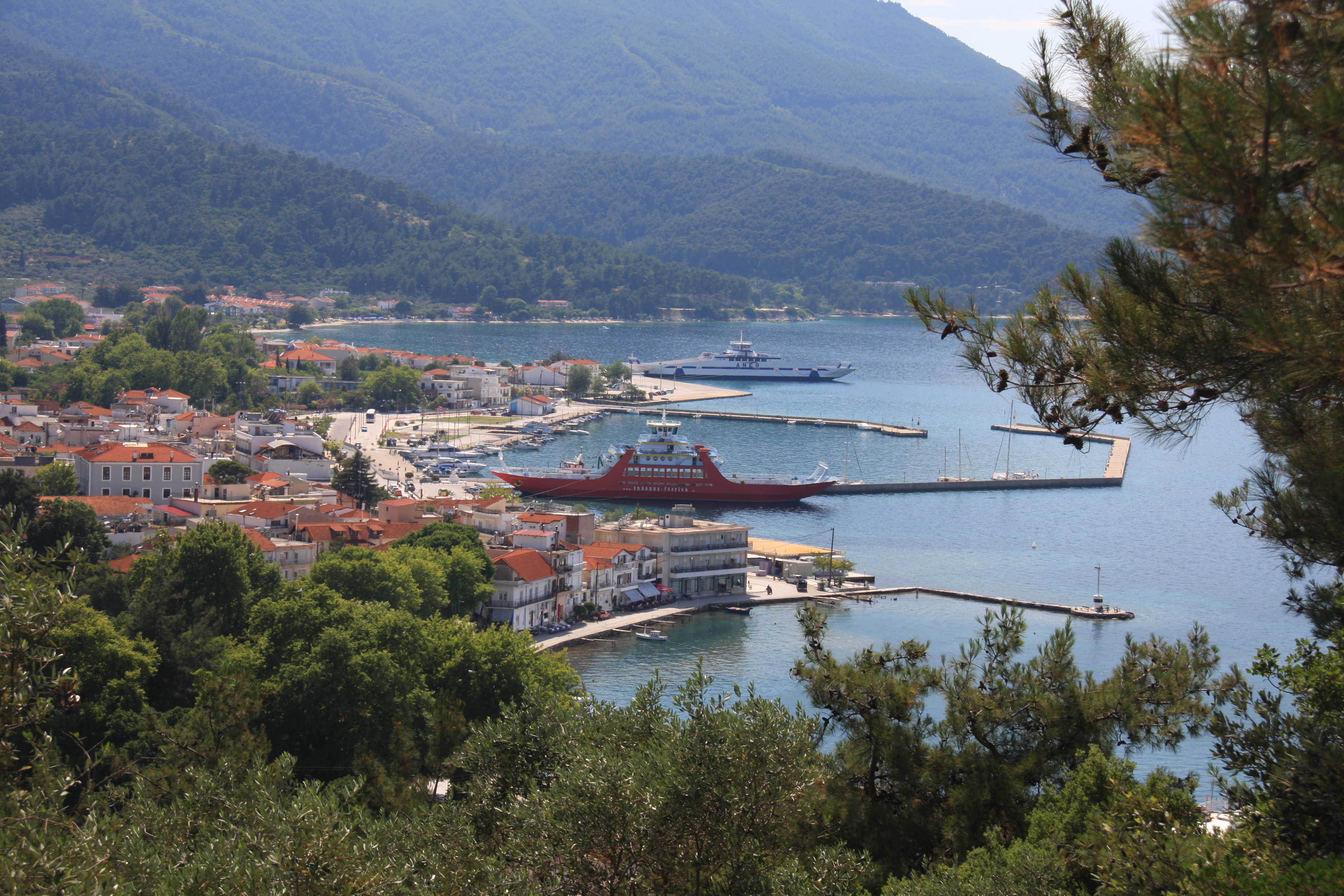
In fact in Thassos, everything from cobblestones, to kerbstones (even harbour wall ballast) is marble! After a quiet motor in mirror calm seas the next day, accompanied by dolphins in the bow wave, we arrived in Thassos harbour on the north shore, with mainland Greece just 20miles to the north.
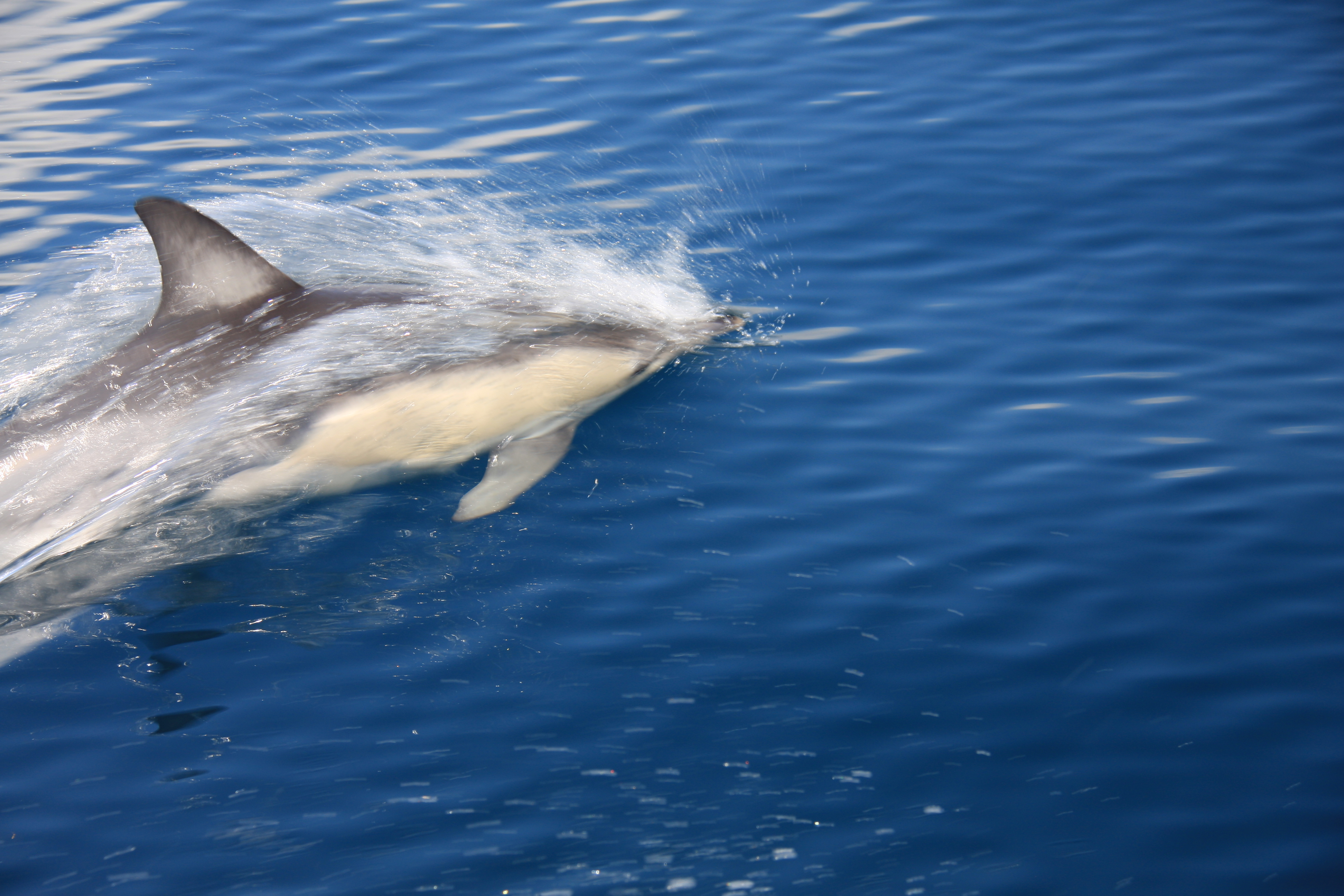
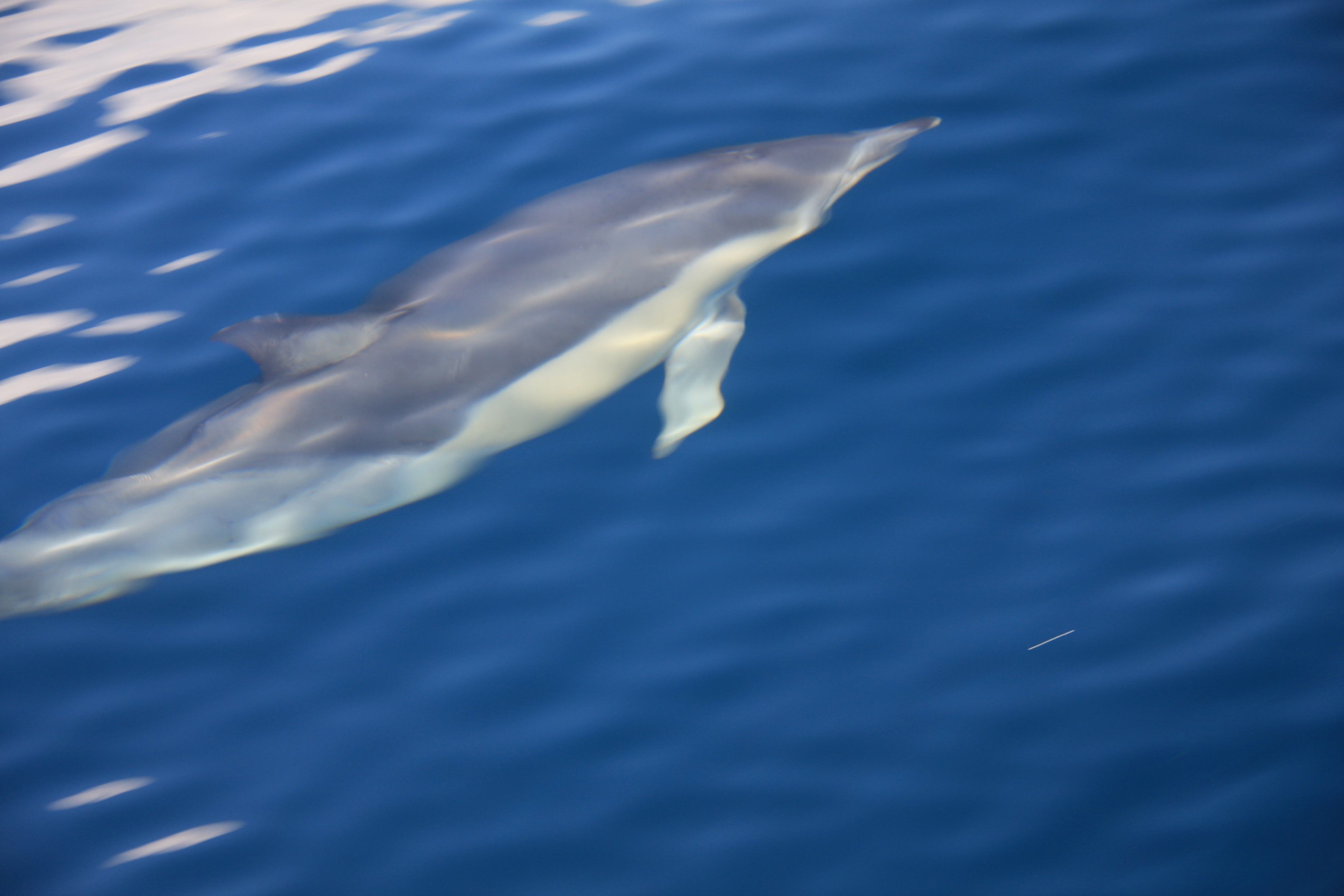
Thassos 020

Thassos 019

Thassos 014

Thassos 021

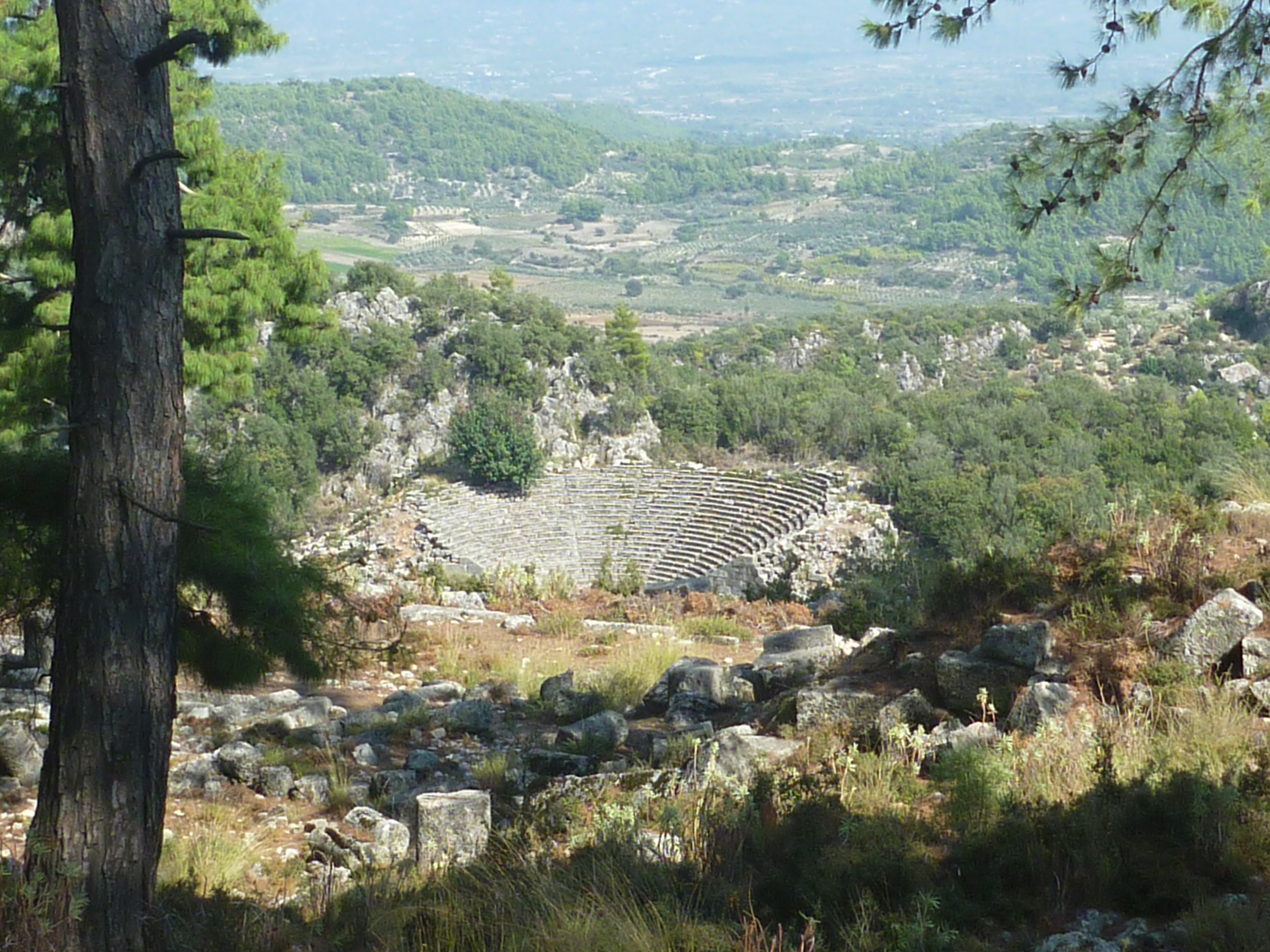
The Hellenic amphitheatre and ruins on the peak above the town provided wonderful views over the crystal clear blue water and the heavily forested island, so unlike many other Aegean islands.
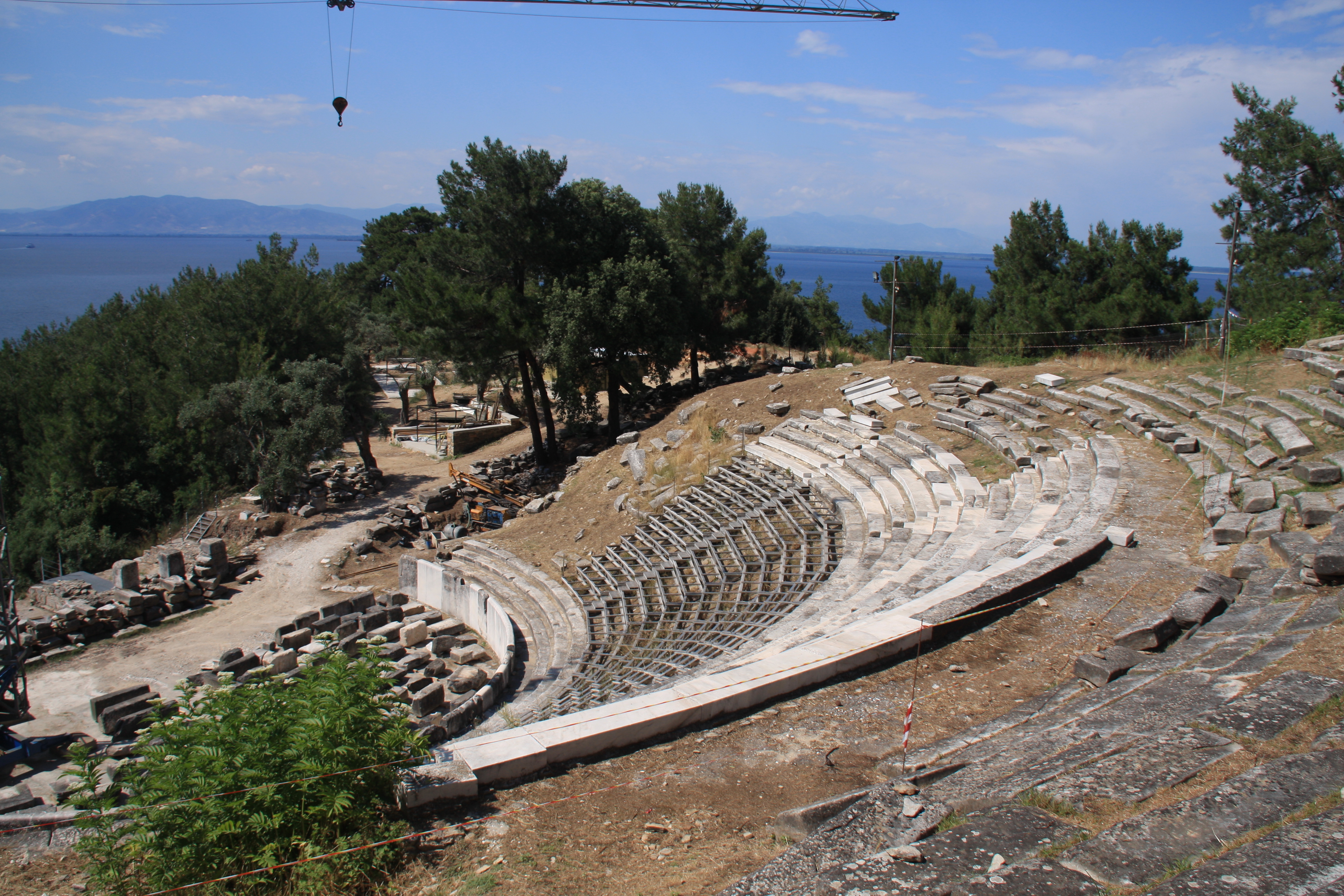
Thassos 006

Thassos 008

Thassos 004

Looking at the weather forecast for the next few days, we were very pleased to have made it so far north before the Meltemi – all downwind sailing from now on!

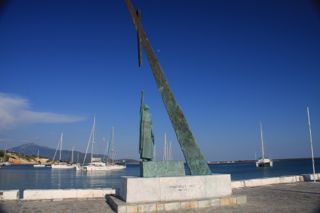
Poseidon

Kalymnos – Be thankful for “Greeks bearing gifts”

9a

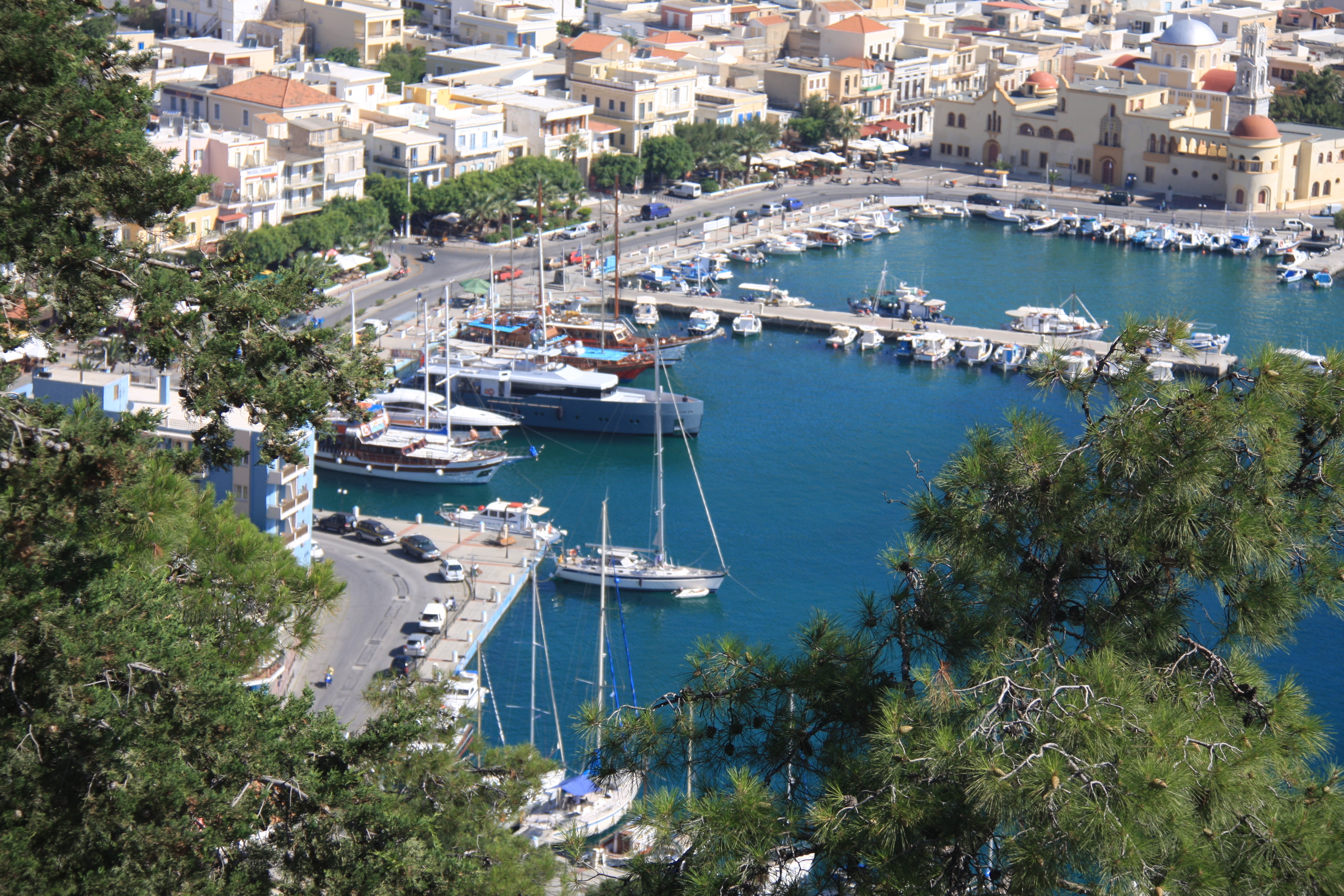
Wishing to get well north before the Meltemi sets in, we hadn’t planned to spend  more than a day or two in Kalymnos. A broken alternator bracket, shattered adjacent pieces of alloy, sheered bolts and a disabled engine changed all that! The next 2 weeks in Kalymnos sorting parts and repairs gave us a very personal insight into Kalymnos, its generous and hospitable people and, at the same time, restored our faith in human nature. There are many people to whom we owe heartfelt thanks.

Iannos (harbourmaster; mob: +30 6944816743) swung into action on our arrival and interrupted his dinner at 9pm to assist our relocation to a safer part of the harbour as a SE blow was imminent. He monitored our circumstances and repairs throughout.

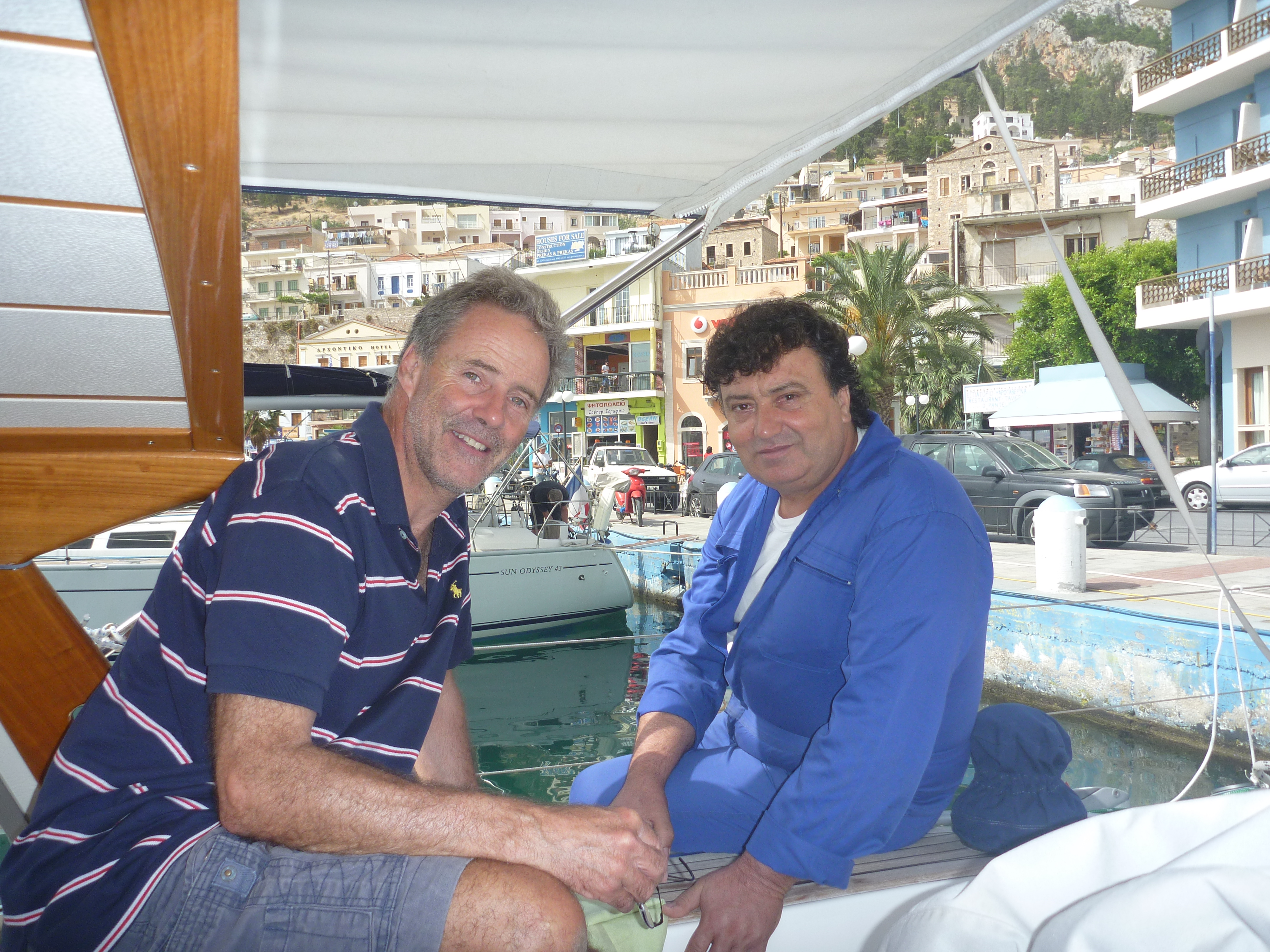
Ioannis introduced us to a superb mechanic, Bayramis Mices  (Mob: +30 6936826268) who dropped everything to assess the damage that first night and got to work on the problem the next morning. Bayramis enlisted the help of his brother Manoli to provide an extra mind and pair of hands when needed while Ian acted as general gofer, helper and sourced parts from the UK.

P1030368

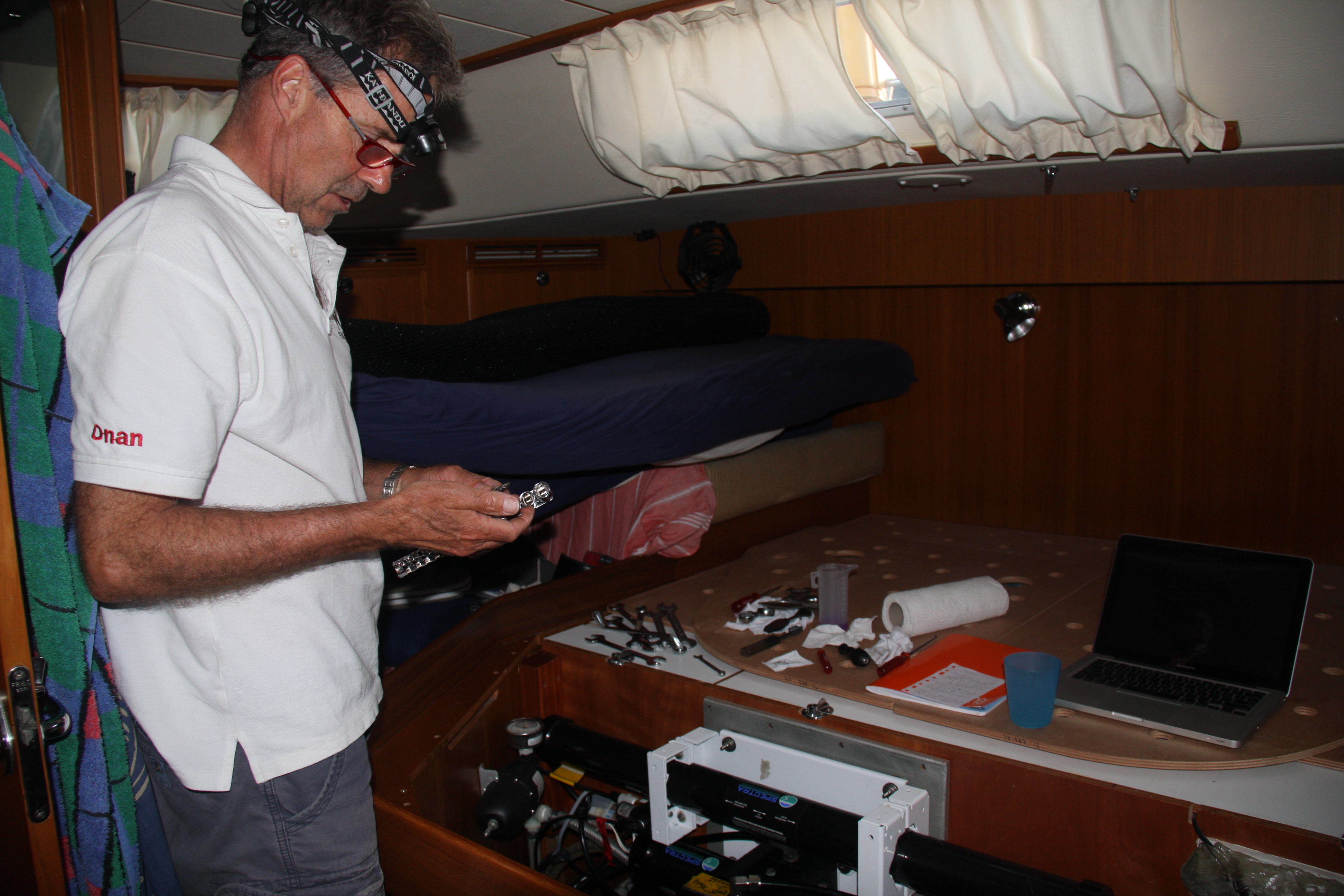
Manoli coaxed out the sheered bolt form the engine block after due preparation and care (with a hail Mary just in case!) with finesse that would put many orthopaedic surgeons to shame. We adapted to Bayramis’s work hours and got use to the site of he and Ian lying on the cabin sole at 8pm with bottoms up and heads down in the bilge with lights, mirrors and spanners! It was a slow, difficult and frustrating job requiring lateral thinking and jacking up the engine off its mounts to remove the broken bits – a full day’s work. While waiting for new parts to arrive from the UK (Paul Jenkins at Volspec very generous with his time and sourcing precise parts), Cathy did some internet research to source clippers to shear Manoli’s 800 goats! Thinking that was the least we could do for him after his masterful removal of the sheared engine bolt, we were taken by surprise when he arrived the next day bearing gifts – lovely (famous Kalymnos) sponges and a large bag of fresh apricots from his trees.

12

George Hatzisimalis  from the Tourist Office near the port  was also very helpful and generous with his time and acted as liaison person and destination for parts arriving by air freight from UK and France. George was also provided a lot of information about local sites and things to do in the interim.

Monastery above Pothia

Monastery above Pothia

4

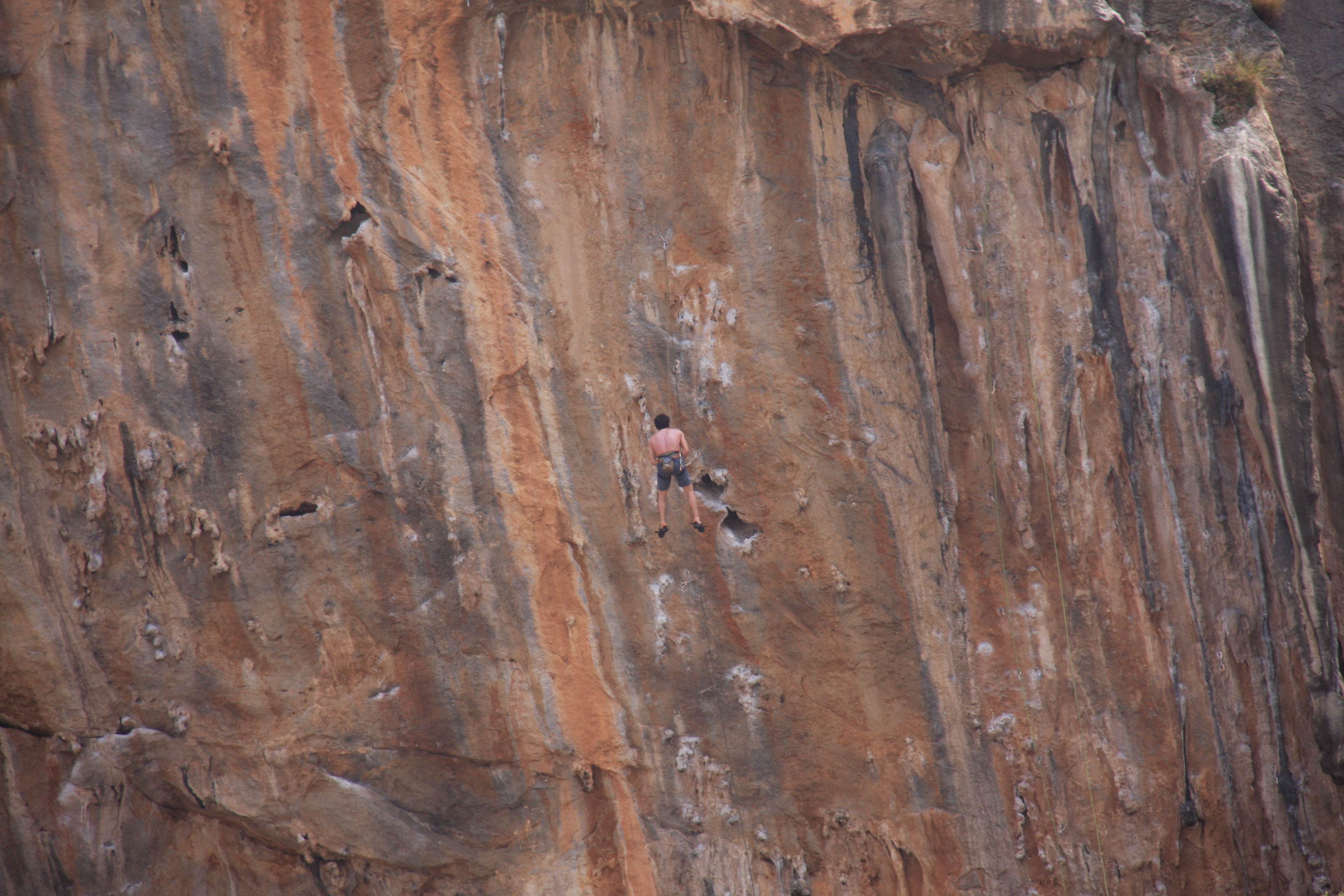
Climber Masouri

Climber Masouri

Whoops!

Whoops!

Emborios

Emborios

3a

Babi and Diana (Babi’s Bar and Grill, Myrties) were also very kind and extended us typical Kalymnian hospitality. We spent a marvellous evening with their guests and danced the night away in traditional style. Diana originating in Australia means that Babi’s stages a hugely popular Babi’s BBQ every Sunday evening (on a genuine Aussie barbie from Bunnings!). Unfortunately we didn’t get to try Babi’s breakfast which is legendary throughout the eastern Aegean!
5

7

6

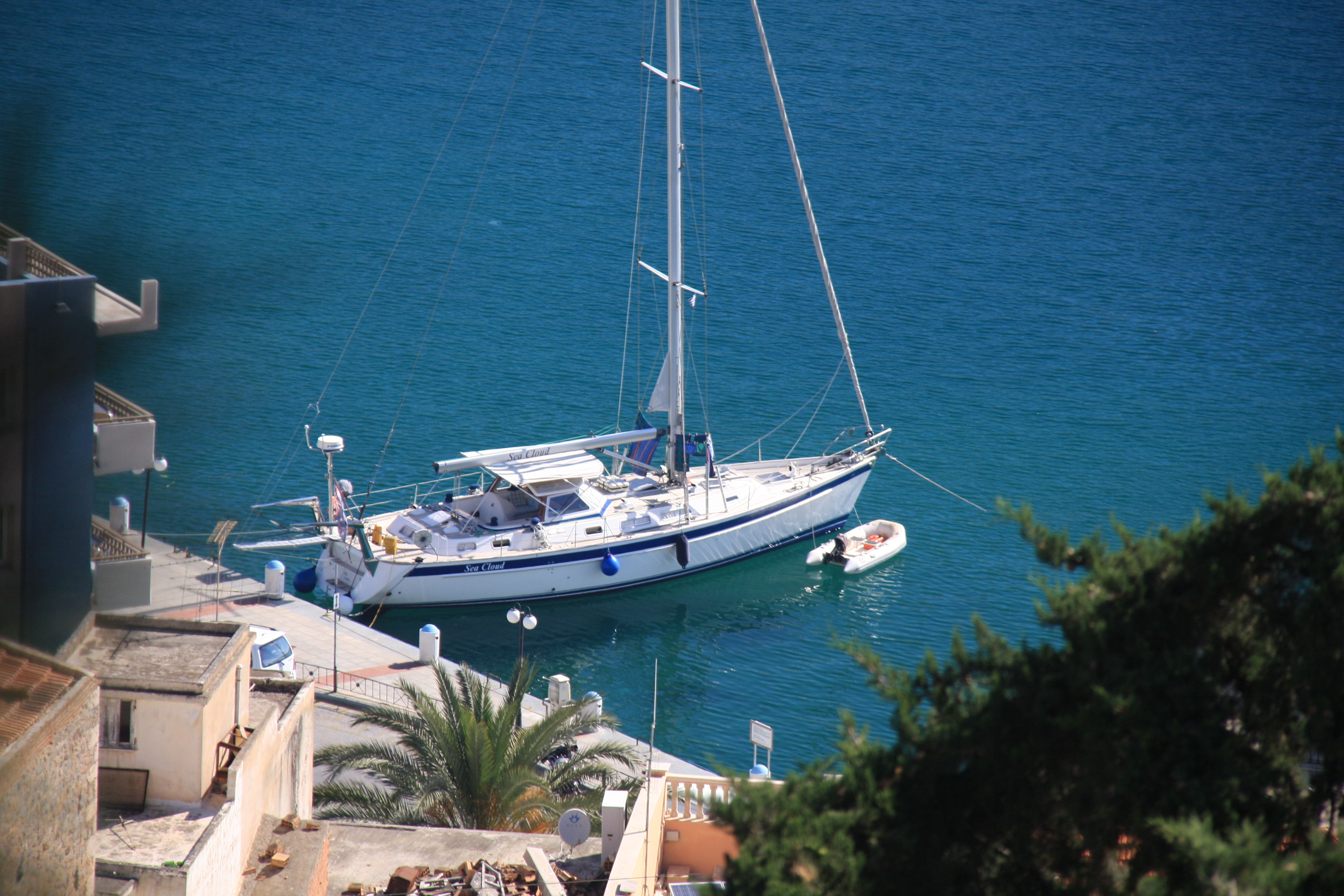
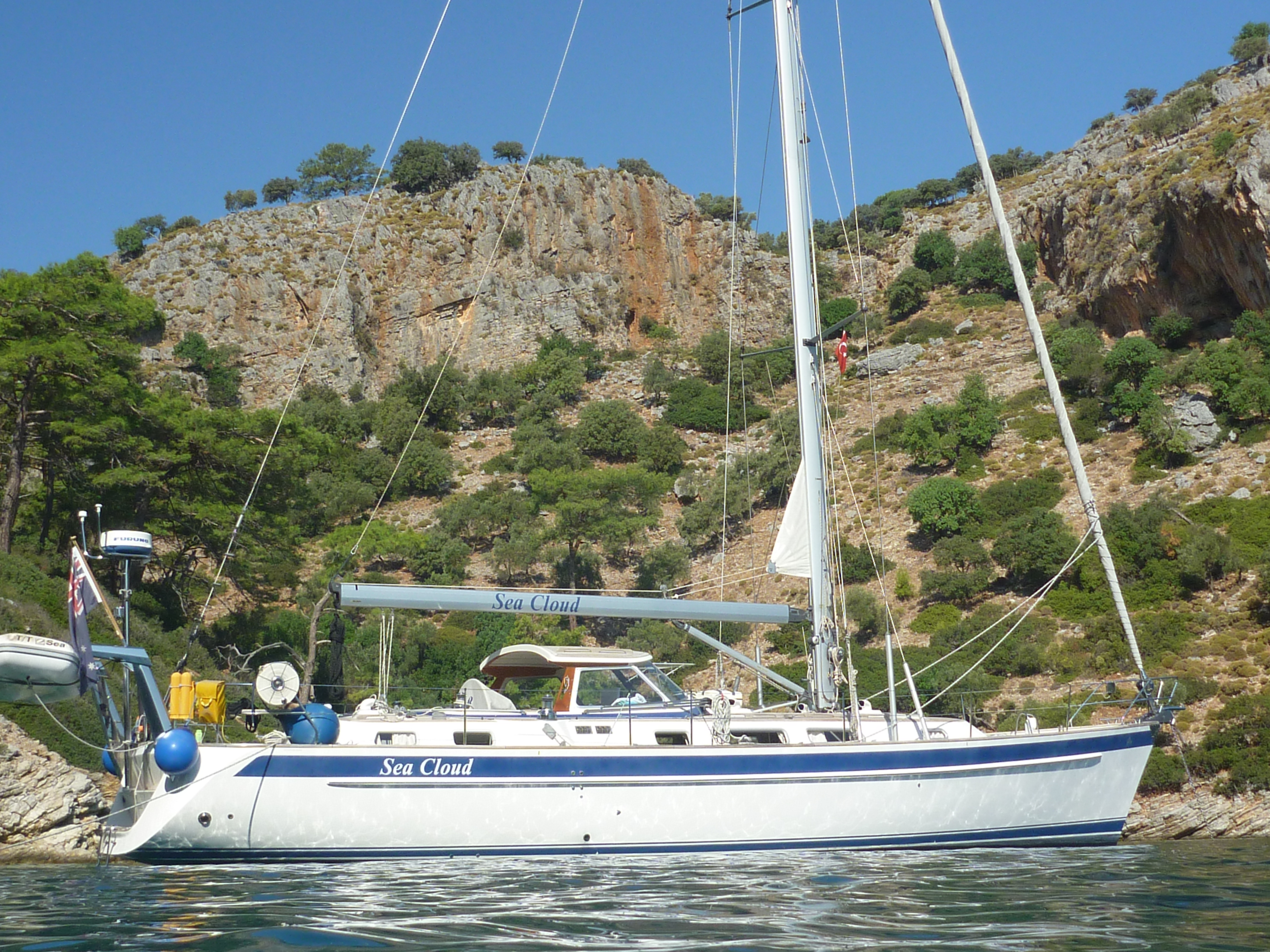
For most of our 2 weeks stay, Sea Cloud was alone in this part of the harbour – a very central, albeit noisy spot.

3b

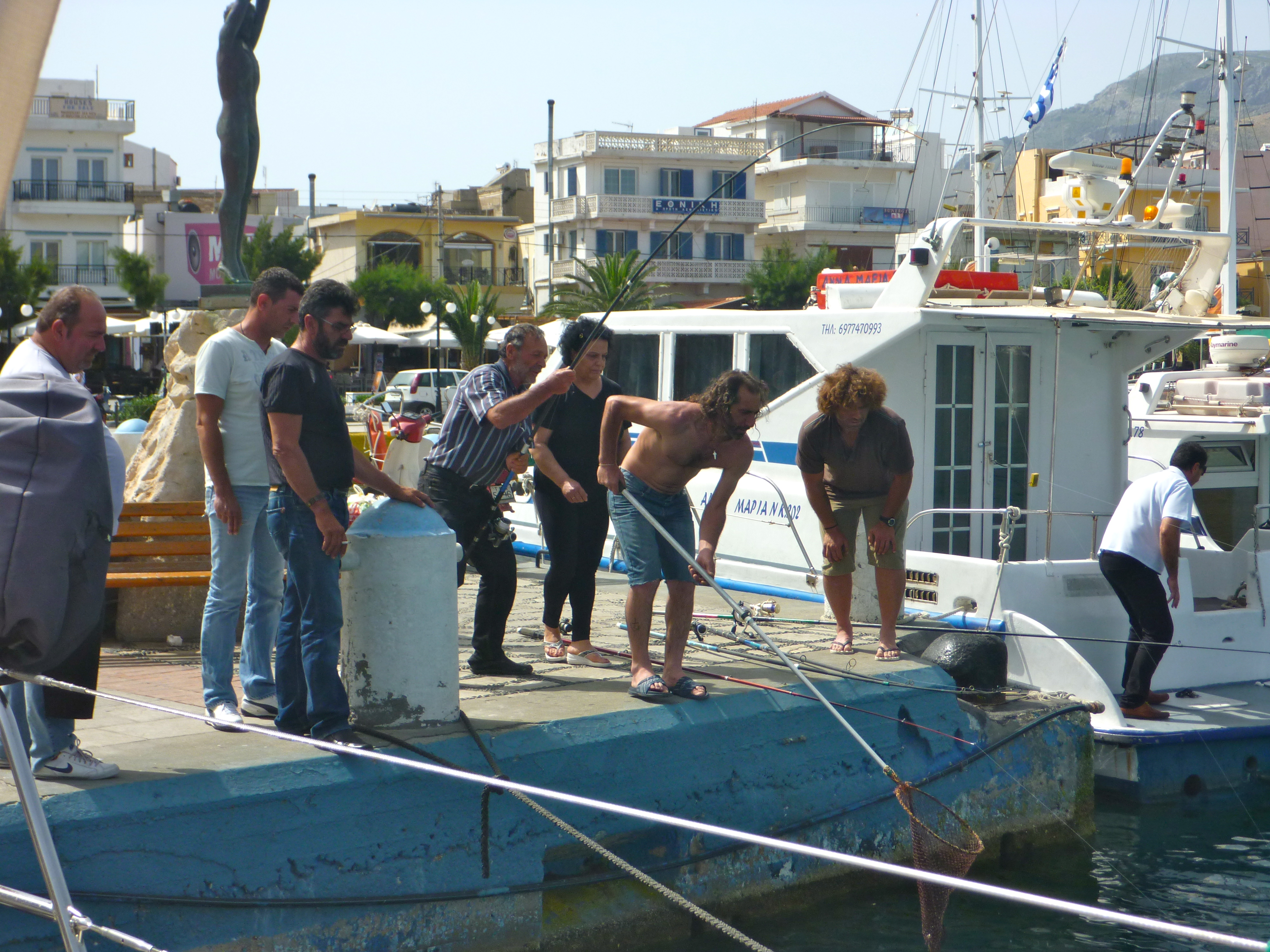
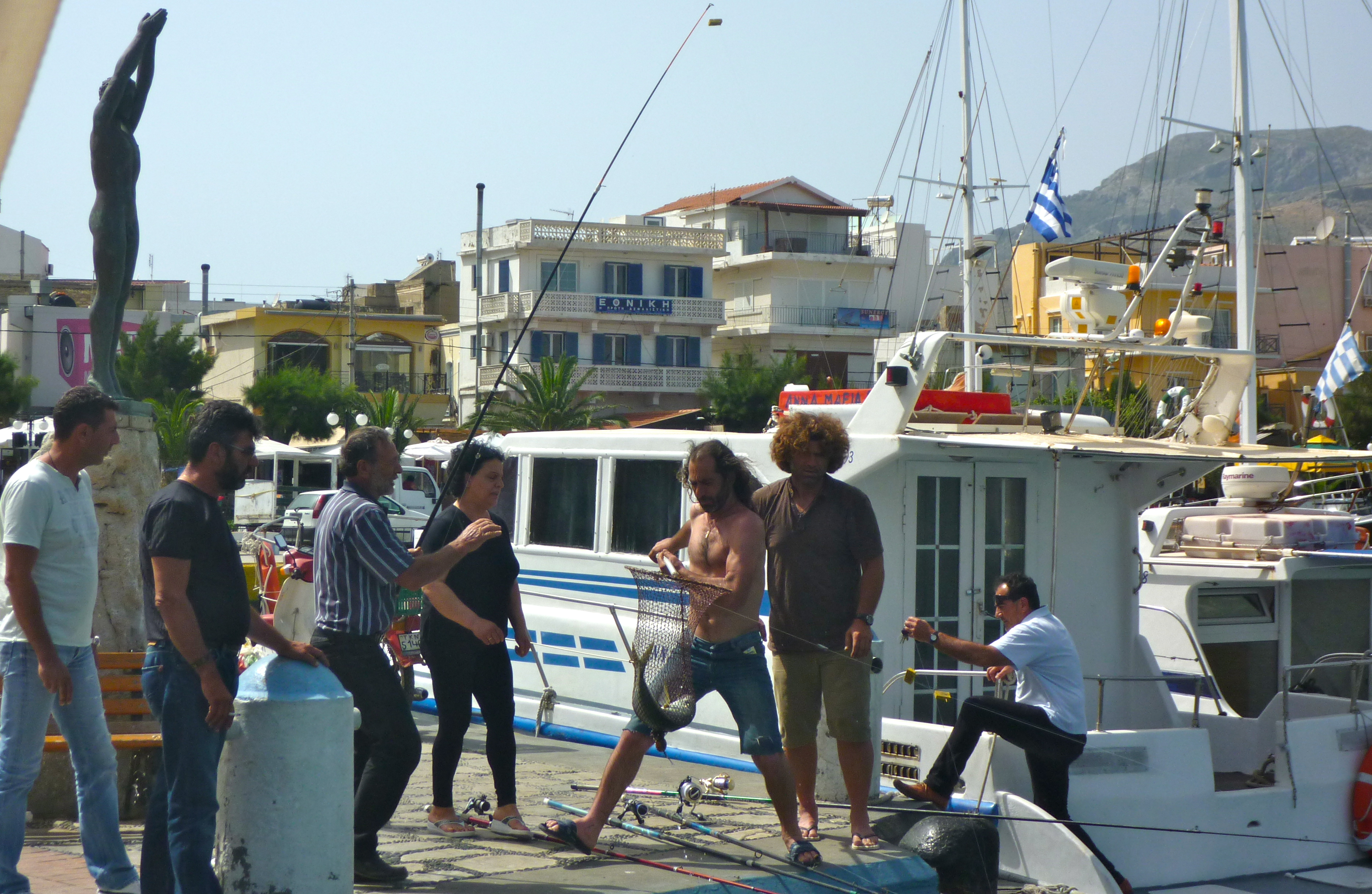
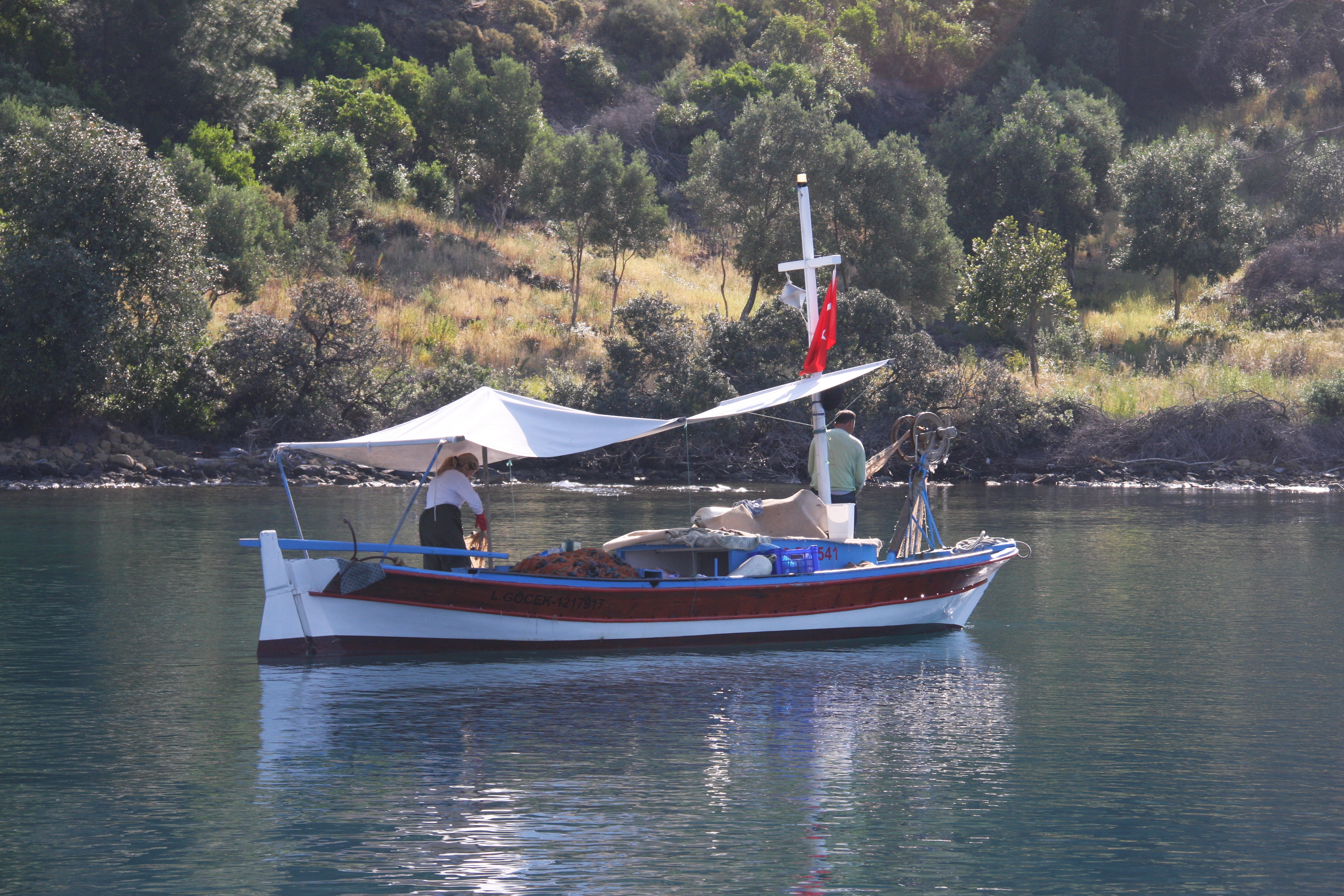
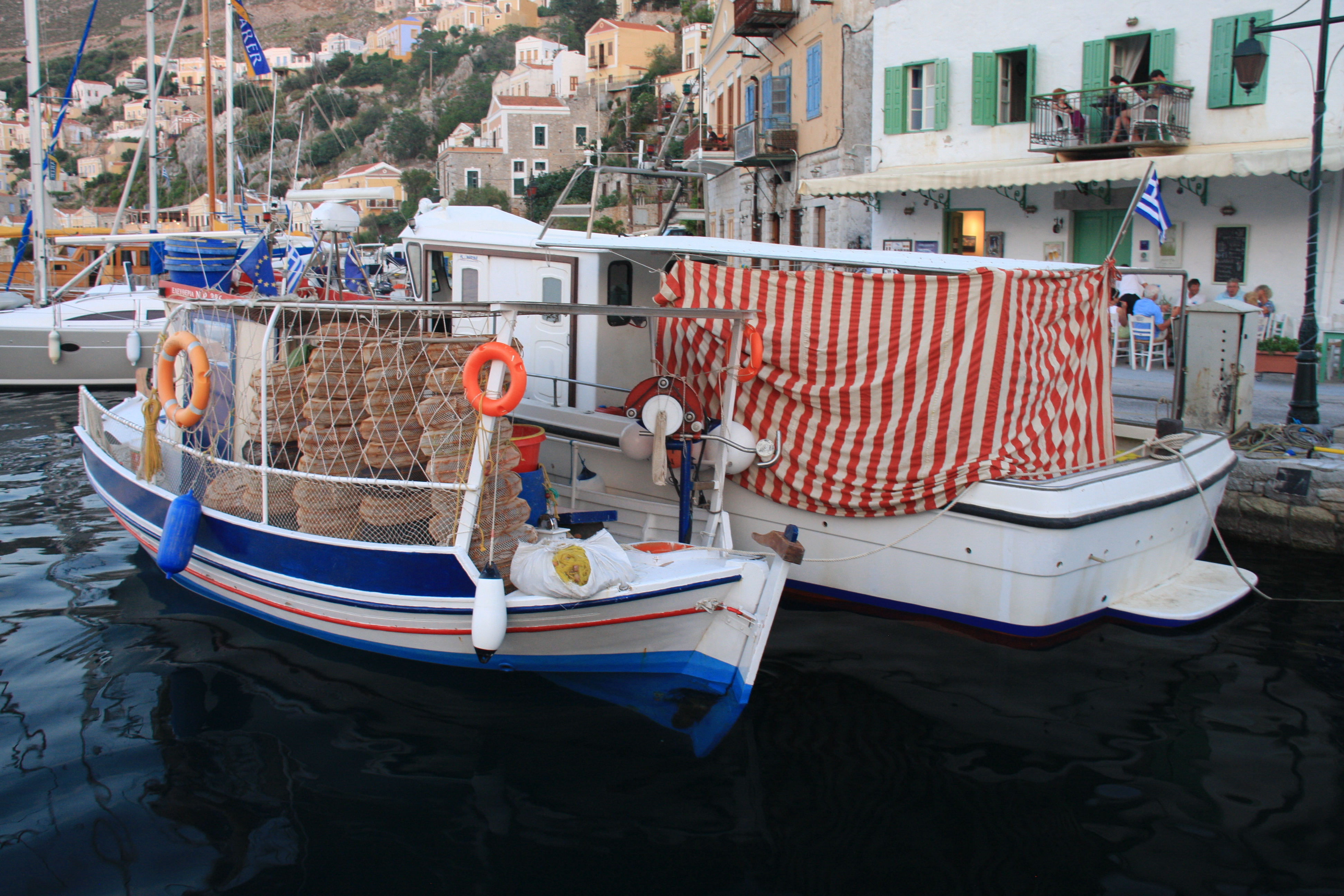
Surprisingly, it was a great fishing spot, with the man in the striped shirt bringing in fish this size a few times each day.

P1030382


P1030383

As well as sightseeing, we spent time doing maintenance on Sea Cloud, and ourselves. While Ian fixed the watermaker, I visited Club Mode in Pothia (Kalymnos main town) for a Greek hair style!
Ian fixing watermaker

Hair 001

Another two days of parts installation by Bayramis and we have a functioning engine – just before another predicted force 8 SE blow. On our day of departure, Bayramis arrives to check engine trials went well. He also arrives with a gift – a to die for Kalymnian desert pie! We sat for some time chatting about the future of Kalymnos, Bayramis’s family and future plans and assisted him with some ideas as to how his son could get him connected to the internet to source parts. In fact it took a very long time to get him to come around to talk about his (very modest) bill for his hard work!

Bairamis
Bayramis – excellent mechanic!

We had arrived in Kalymnos thinking we’d be “stuck” for 2 weeks. Instead we departed with some sadness after a most fulfilling visit and with our faith in human nature restored.

3c

“Cruising – the gentle art of repairing boats in foreign ports”

May 2013

Vero and Ruedi, Sea Cloud’s previous owners met us in Kos for a few weeks sailing around the Dodecanese Islands.

Blog 2 1

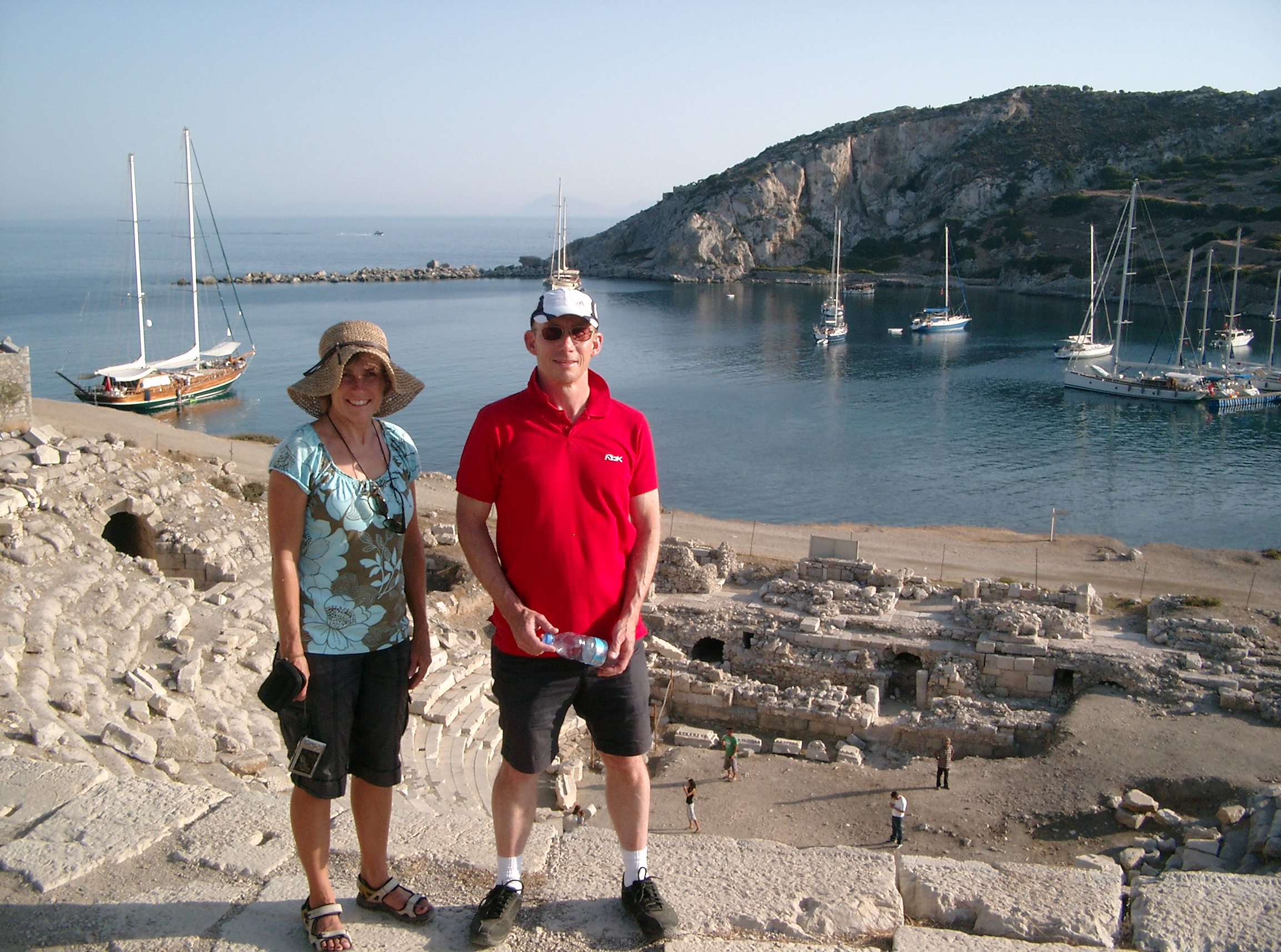
They were pleased to see Sea Cloud in good condition although Ruedi very politely asked if we would mind if he cleaned some of the stainless on the mast fittings. This is the first and possibly the only time we will have such a generous offer from our guests! We had a wonderful sail to Knidos where we anchored in the virtually empty bay – one of the pleasures of cruising this early in the season. We had time to potter around the ruins, have a great Turkish meal in good company and enjoy views of the ancient site on waking the next morning.

Ruedi and vero favourite spot

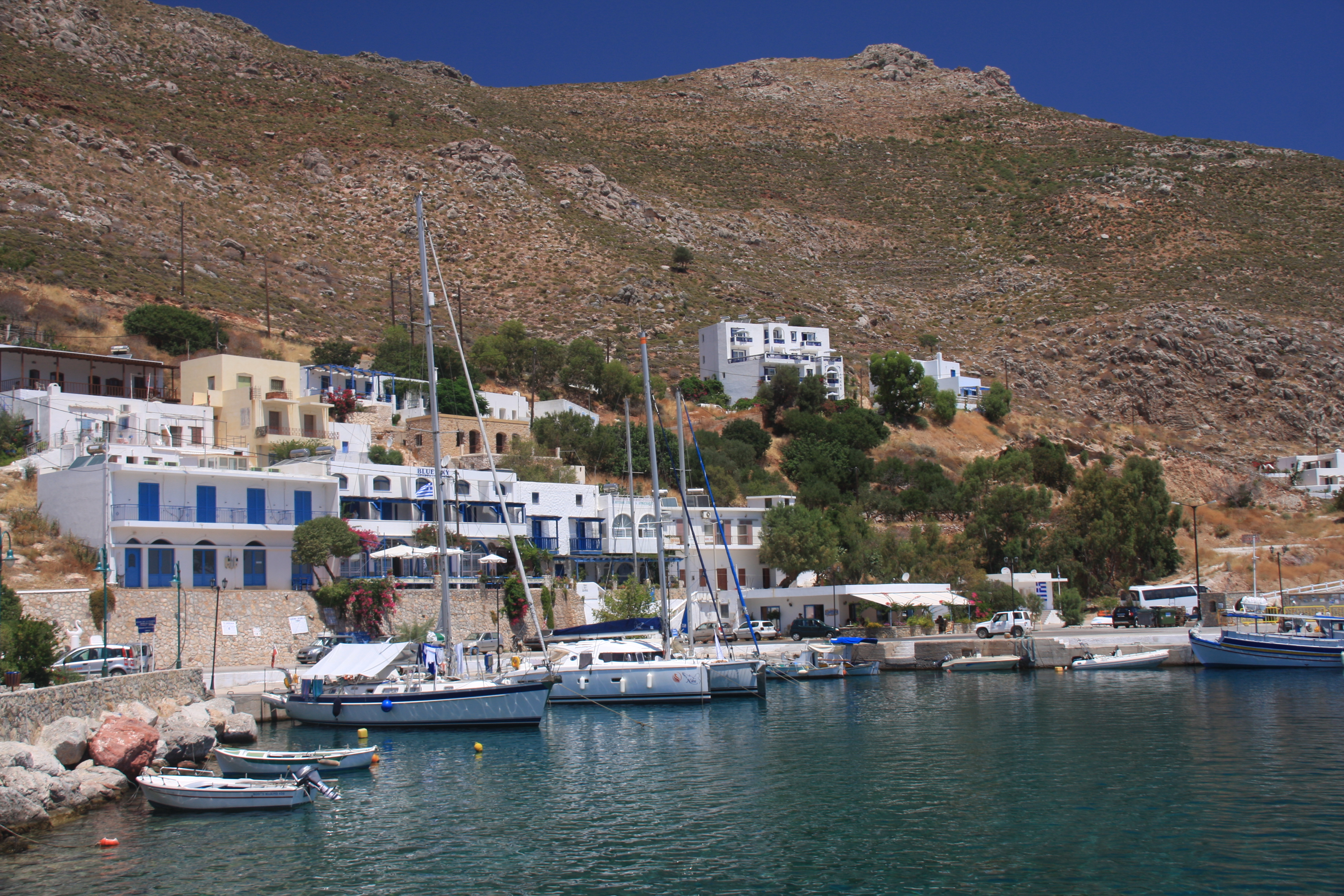
We were spoiled by another good sail from Turkey to Tilos, where we tied up alongside the wall. Southerly winds were predicted and according to the pilot book, Tilos bay was not the ideal place to anchor in a southerly. Although the wind reached 25 knots, it would not have been a problem in the bay.

Sea Cloud 2013 314

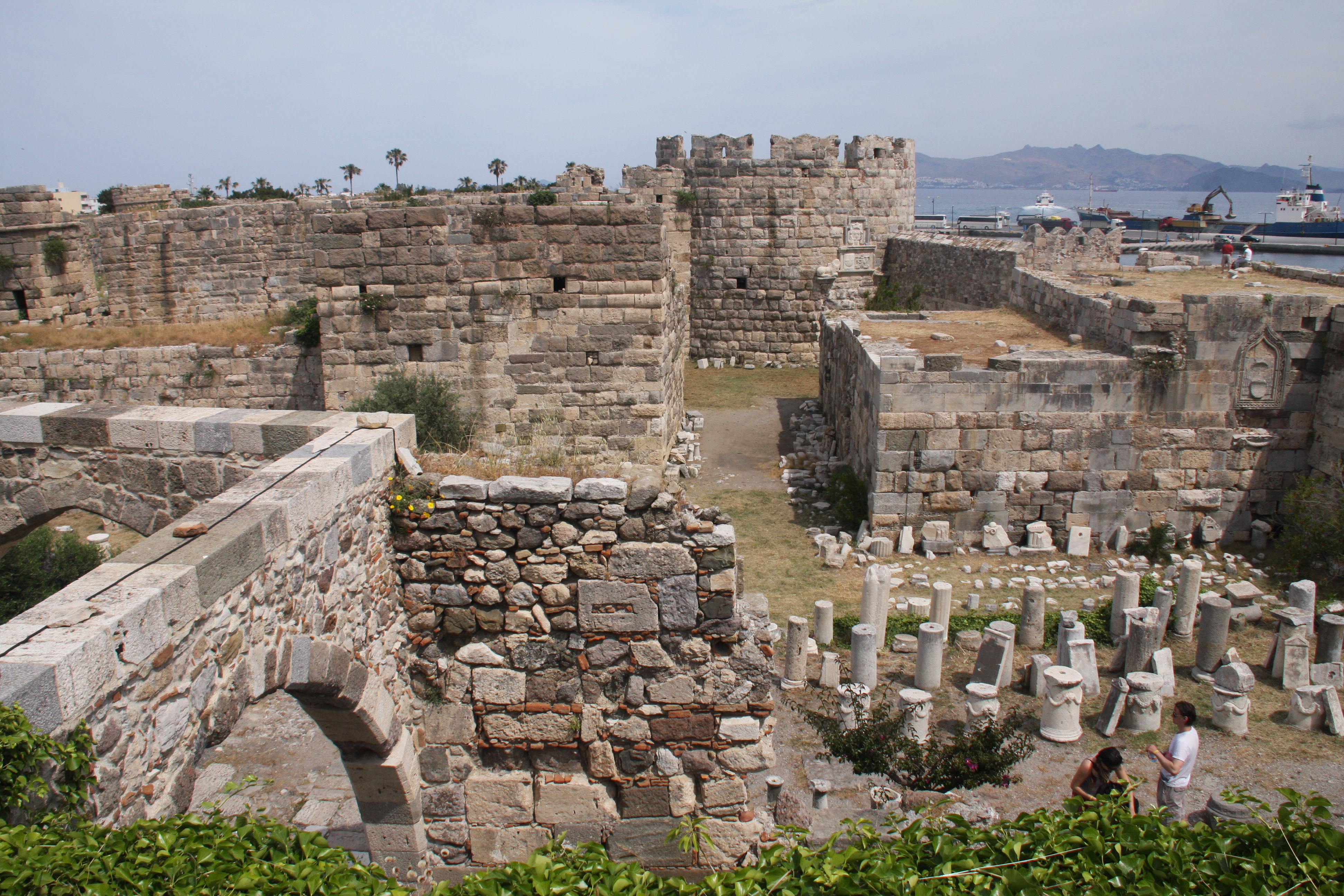
After a brisk sail to Nisyros and a day of exploration there we headed back to Kos marina hoping to replace the turbo for our engine which has been leaking a small amount of oil.  Not unexpectedly, the parts had not arrived as promised, so decided to postpone repairs. After 3 visits to Kos, we finally managed to see the inside of the Castle on the waterfront, rather than just anchoring below it. Kos is a charming island, the evidence of its former occupation by Turkey is evident, although these days, the mosques and hamam are used as trendy cafes rather than places of worship.

Kos blog

Kos old town

Kos blog2

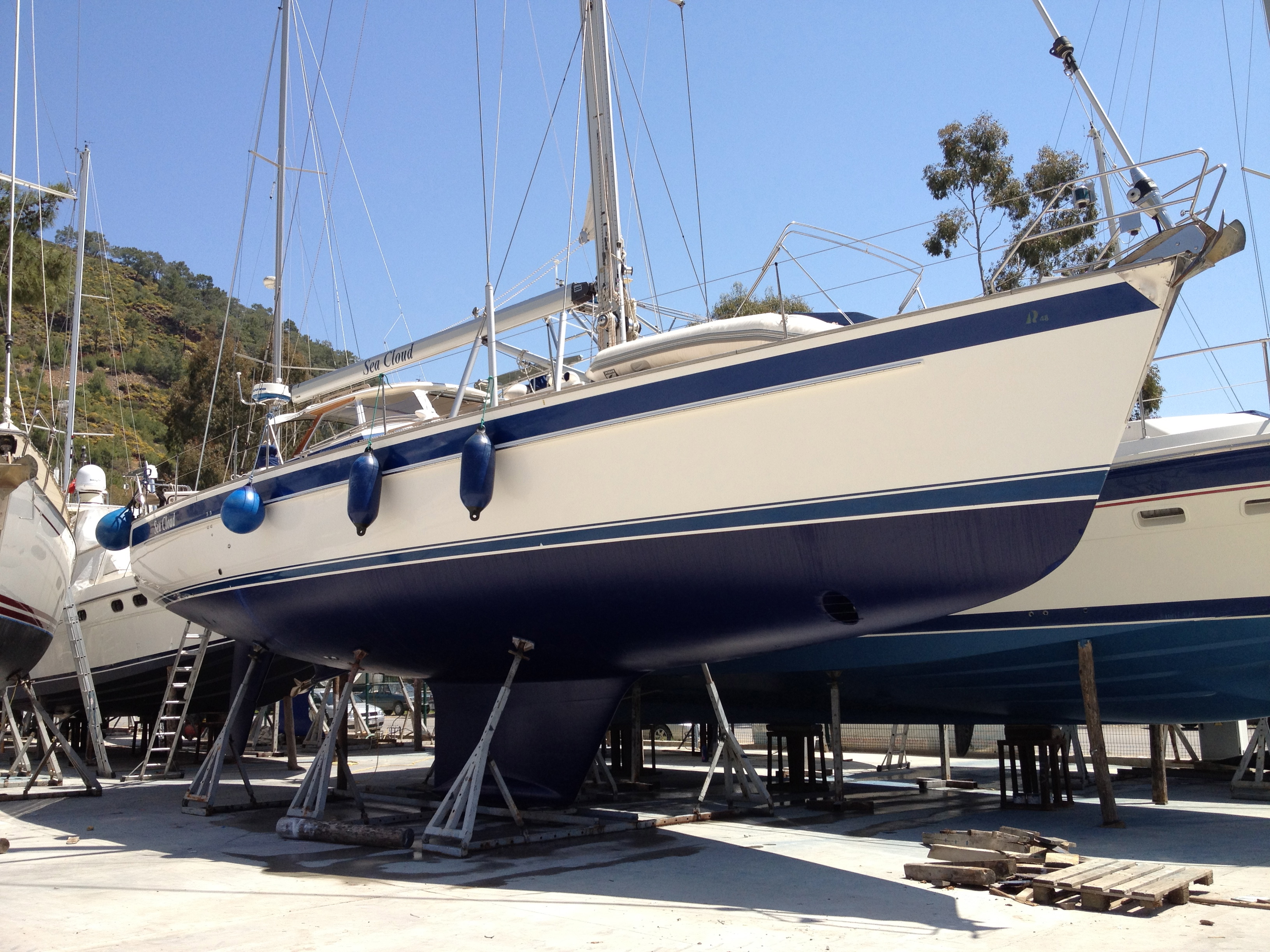
On our approach to Kalymnos harbour, the engine started to rattle terribly. Ruedi quickly diagnosed the problem spotting fragments of metal and screws in the engine bilge. Engine off, we made a rather dramatic entrance to the port, tacking up and down the harbour, dodging ferries, trying to find Sea Cloud a sheltered spot in the harbour, where we anticipated we would remain for the next few days. We caused a bit of excitement, other yachties watching anxiously, the harbourmaster blowing his whistle and gesticulating on the dock and the blue lights of the harbour police flashing. Fortunately, the last few minutes of engine life were sufficient to Med moor stern to in a sheltered but noisy section of the town wall.

kalymnos traffic

Kalymnos stern

Sea Cloud is the only yacht on this stretch of the waterfront, so we are on our own, with just constant presence of the local fisherman for company. Sensibly, after a day of sightseeing Ruedi and Vero headed off to Rhodes. We were very sad to see them go only half way through their planned holiday with us. If this had to happen with guests aboard, they were the best possible guests.  Ruedi’s  experience of this recurring problem, and his analytical mechanical engineer’s mind  were invaluable in work-shopping potential solutions.

Shattered engine parts dominating saloon table

Shattered engine parts dominating saloon table

Bayramis, our mechanic has been terrific, achieving the tricky job of removing the broken parts very well.  It took a while to get used to his working hours. “I will be there at 9am” (means 12md, works until 2pm), “I will be back after lunch and a sleep at 4.30pm”  (6pm , works until 8.30pm). Luckily the restaurants are open late!

While Sea Cloud has been turned into a workshop, our current cruising plans are on hold. Hours have been spent on the internet, speaking with Volvo, emailing Hallberg Rassy, and the HR chat owners chat site. The shearing bolts and 110A alternator bracket failure  is an ongoing problem for Sea Cloud, and as it seems, for other HRs. Alex from Enki (HR48 2005) has been marvellous, sending us photos of his engine and chatting and emailing Ian providing wonderful input, support and suggestions.

workshop

Sea Cloud 2013 357

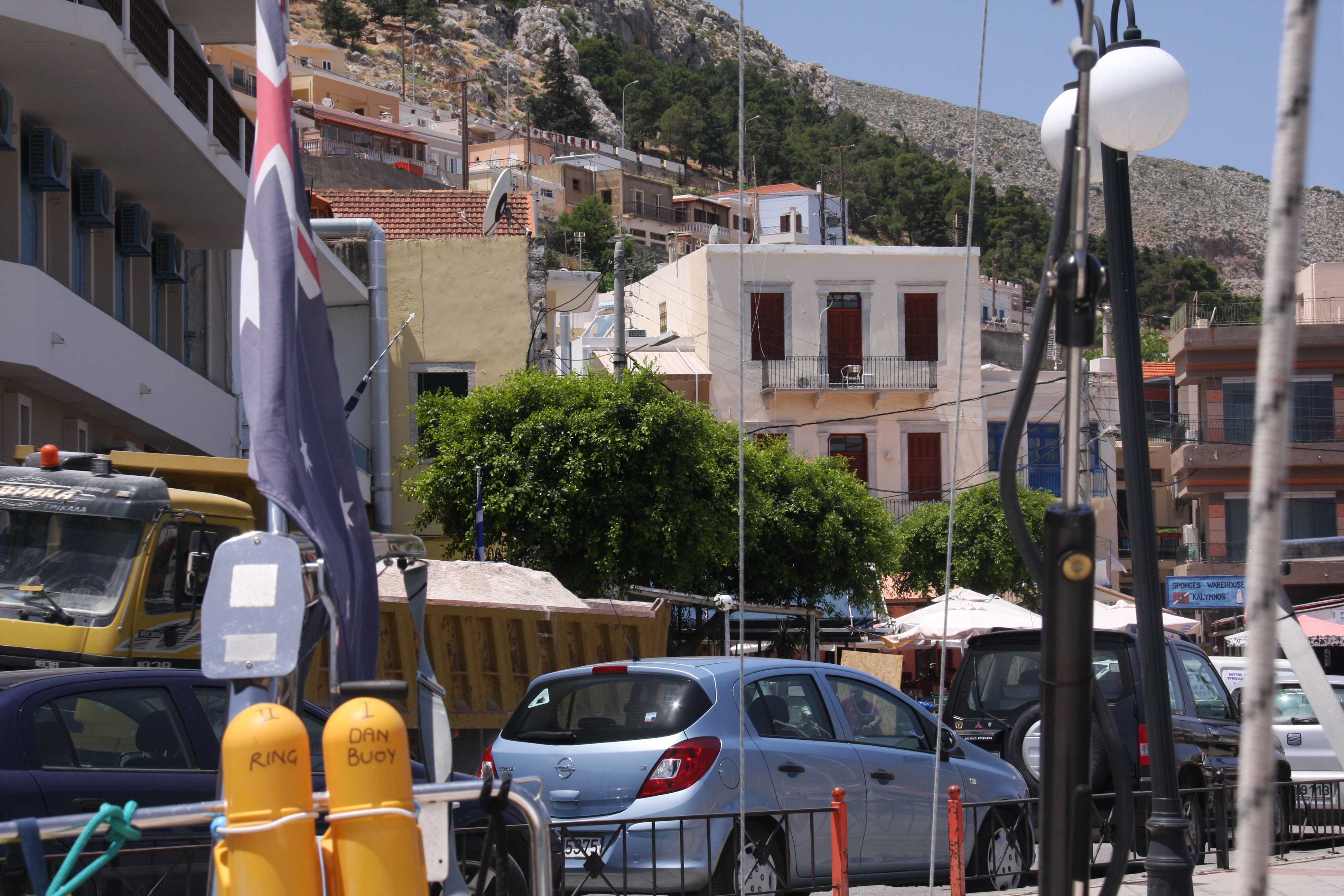
We could be in a lot worse places. The people in Kalymnos (as all of Greece this time) have been extremely helpful, friendly and accommodating. A mixed blessing of an big Aussie flagged boat is the constant “hello, I am from Australia too” that we hear many times a day – either from local Kalymnians with roots in Australia or Aussie tourists . So many Australian/Greeks living here – the tourist office staff had lived in Darwin & Sydney, the waiter in the local restaurant (who is an unemployed microbiologist) was born in Sydney etc etc. Kalymnos port is a busy, bustling place crowded late into the night.

Kalymnos harbour

Kalymnos, as other parts of Greece is obviously really hurting. Many of the locals have gone overseas to find work, those who are here still here have had their salaries reduced, making daily living much more difficult. Life for us is cheap – we can have a good meal with 2 courses, wine (with a free dessert thrown in) for about 25 Euros for two. Luckily Kalymnos attracts many tourists as it is well known as an excellent climbing destination.  We are looking forward to seeing more of the island over the next week or so, rather than just viewing the town from inside Sea Cloud whilst discussing 8 digit part numbers with Volvo dealers in the UK!

galley view

Sunday was a welcome day off from maintenance chores. We caught the ferry to Leros,  to visit our favourite bay, Pandeli. How nice it would have been to be anchored there in such a peaceful place. Unfortunately the mill restaurant was not open, but we enjoyed our other favourite place, Zorba’s at Pandeli.

Pandeli

Sea Cloud 2013 347

Andrew eat your heart out - found ideal Scottie commuter!

Andrew eat your heart out – found ideal Scottie commuter!

Next blog, hopefully all will be sorted and we will be on our way to the Eastern Sporades, hopefully before the meltemi sets in.

Sea Cloud 2013: start of the season

This season we plan to sail the Dodecanese, across the Aegean to the Northern Sporades, up to Thessalonika and then down through the Eastern Sporades to Turkey.

April

After a pleasant day in Istanbul (trying to track down a lost bag) we arrived in Gocek for a mad scramble to uncover and prepare Sea Cloud for launching the next day.

IMG_0610

IMG_0617

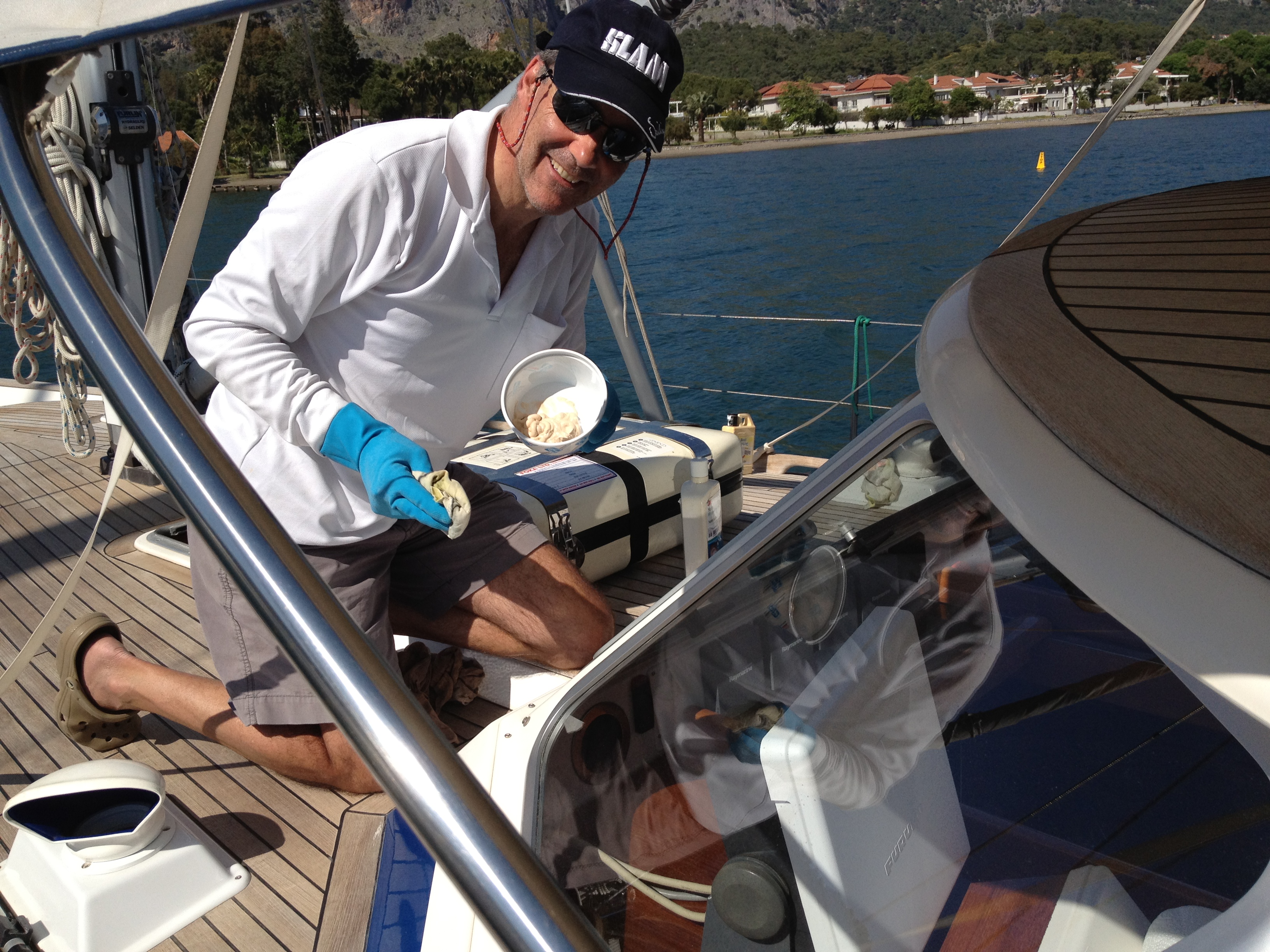
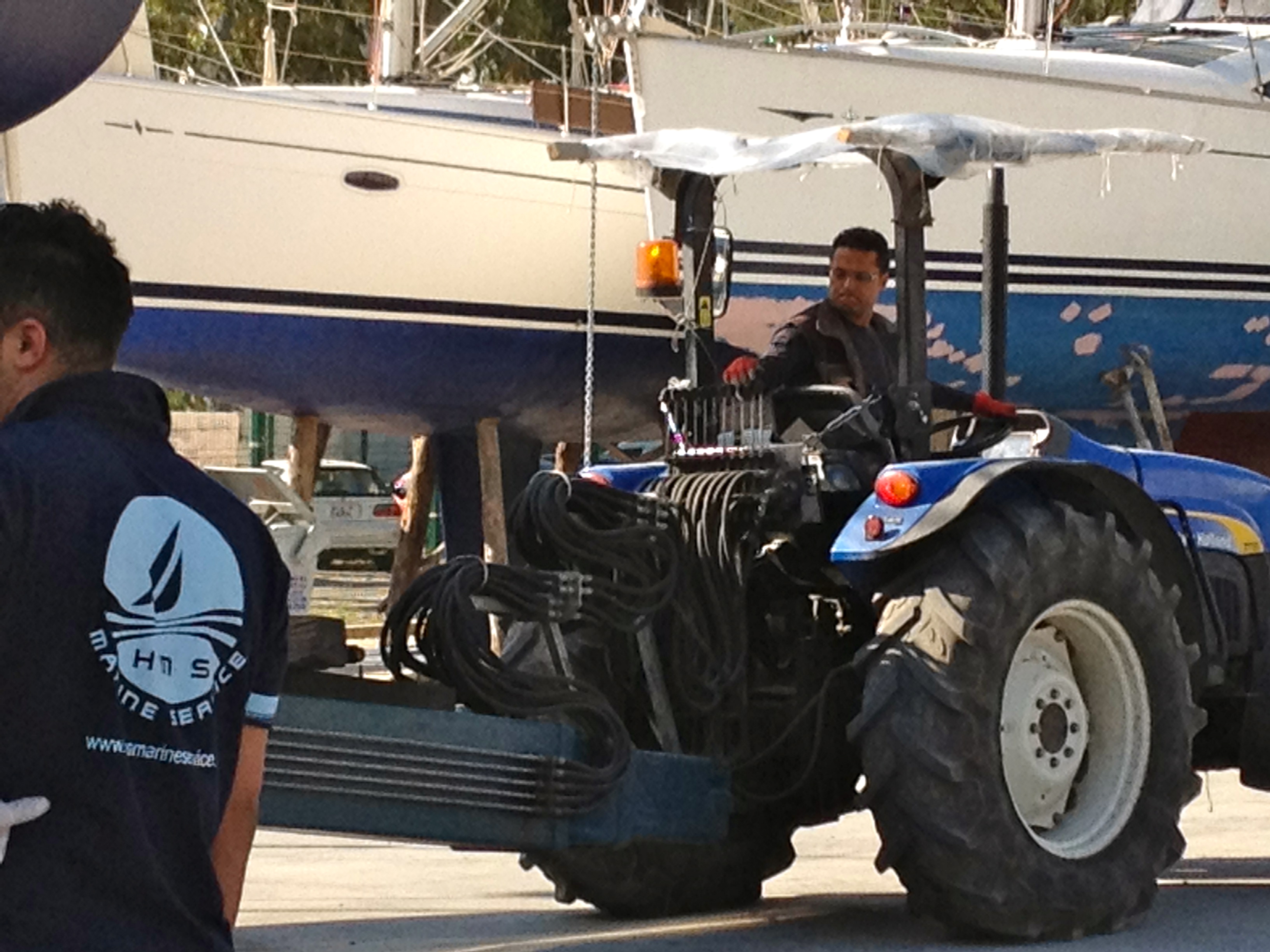
It was great to see Sea Cloud looking so shiny and well looked after by Husseyin and his team at HMS. The launch is always stressful, but as usual was very capably handled by the team at Marinturk.

IMG_0622 IMG_0299

It seemed as though summer had come early to Gocek, with warm calm and sunny days, perfect for working on the boat.

IMG_0627

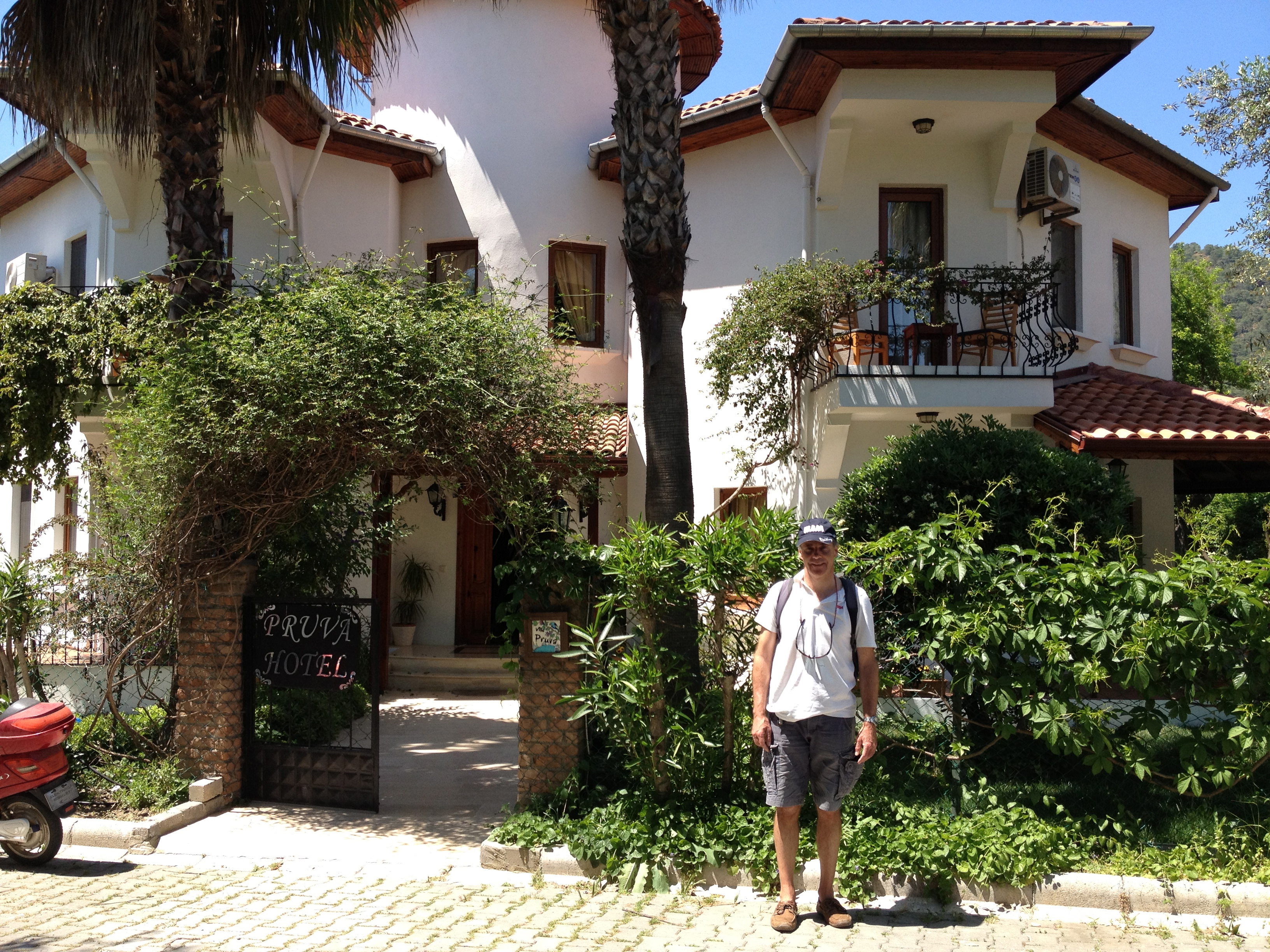
Gocek is always so pleasant at the beginning and end of the season. The markets were great for provisions, and as usual and our stay and visits to Pruva Hotel very enjoyable.

IMG_0630

IMG_0635

We were amazed that we after 6 twelve hour days, Sea Cloud was ready to leave the dock, meaning we could take advantage of the beautiful weather and empty anchorages.

IMG_3478

IMG_3475

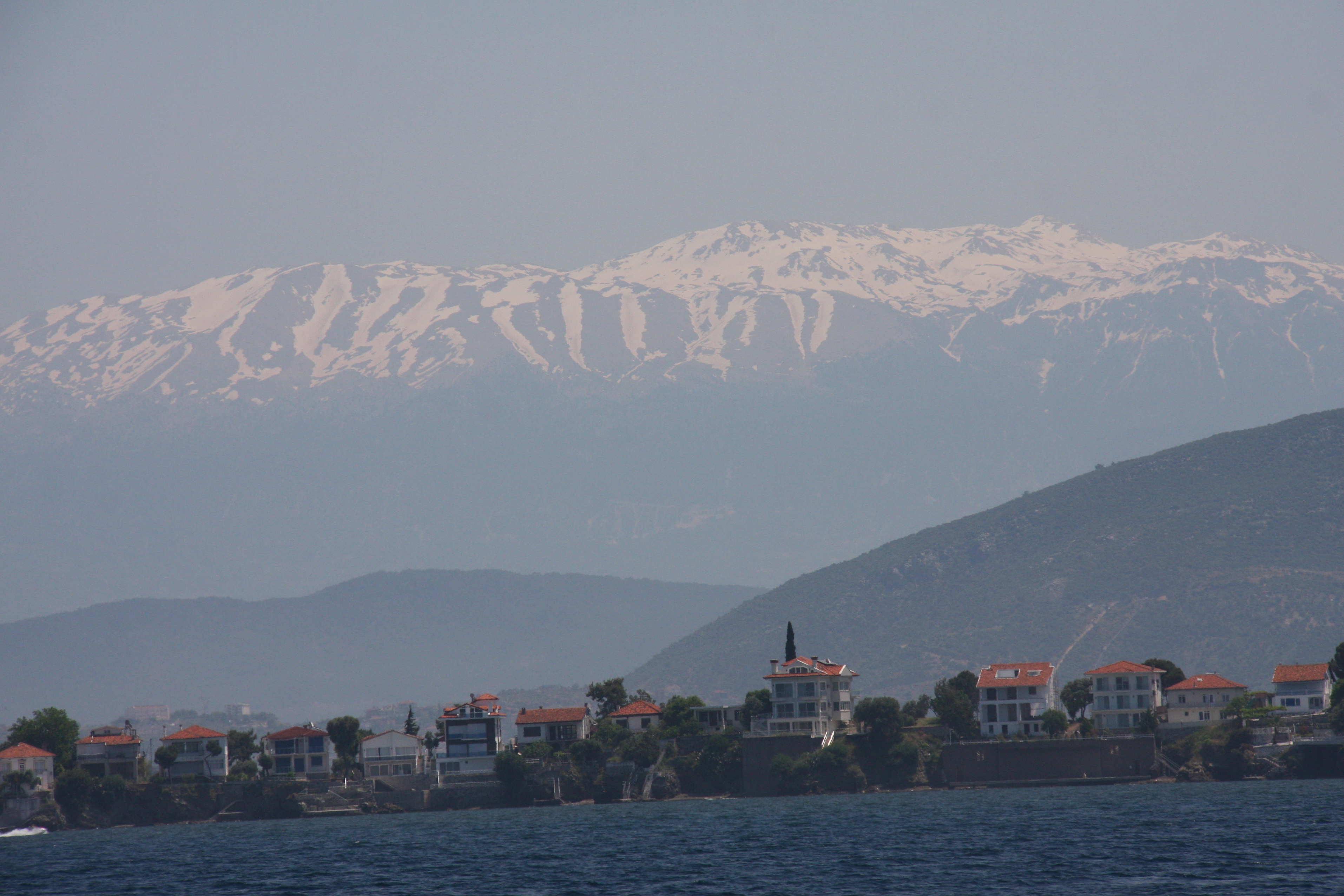
Although the weather was so warm there was still a lot of snow on the hills as we sailed towards Fethiye, where we planned to check out of Turkey.

IMG_3490

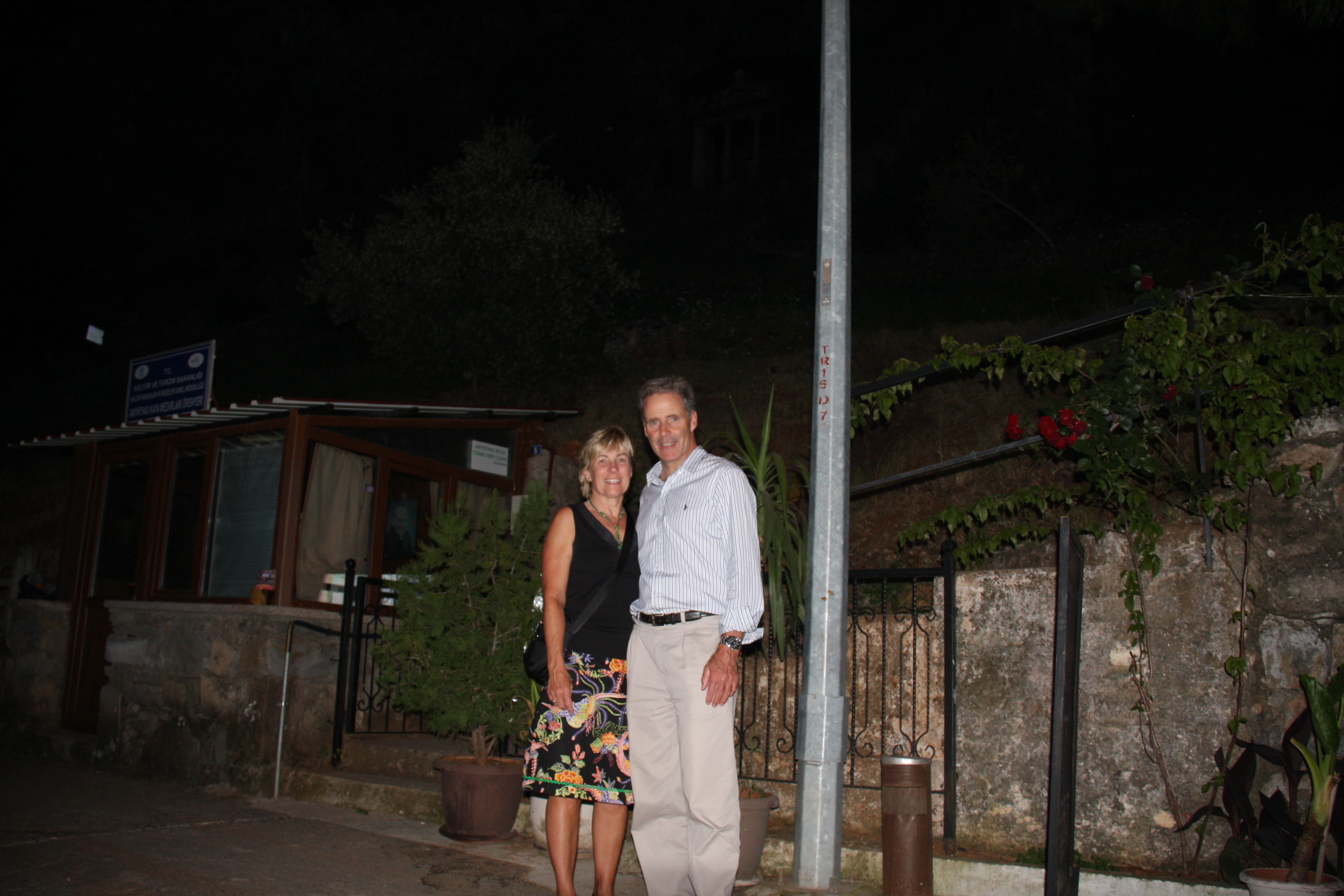
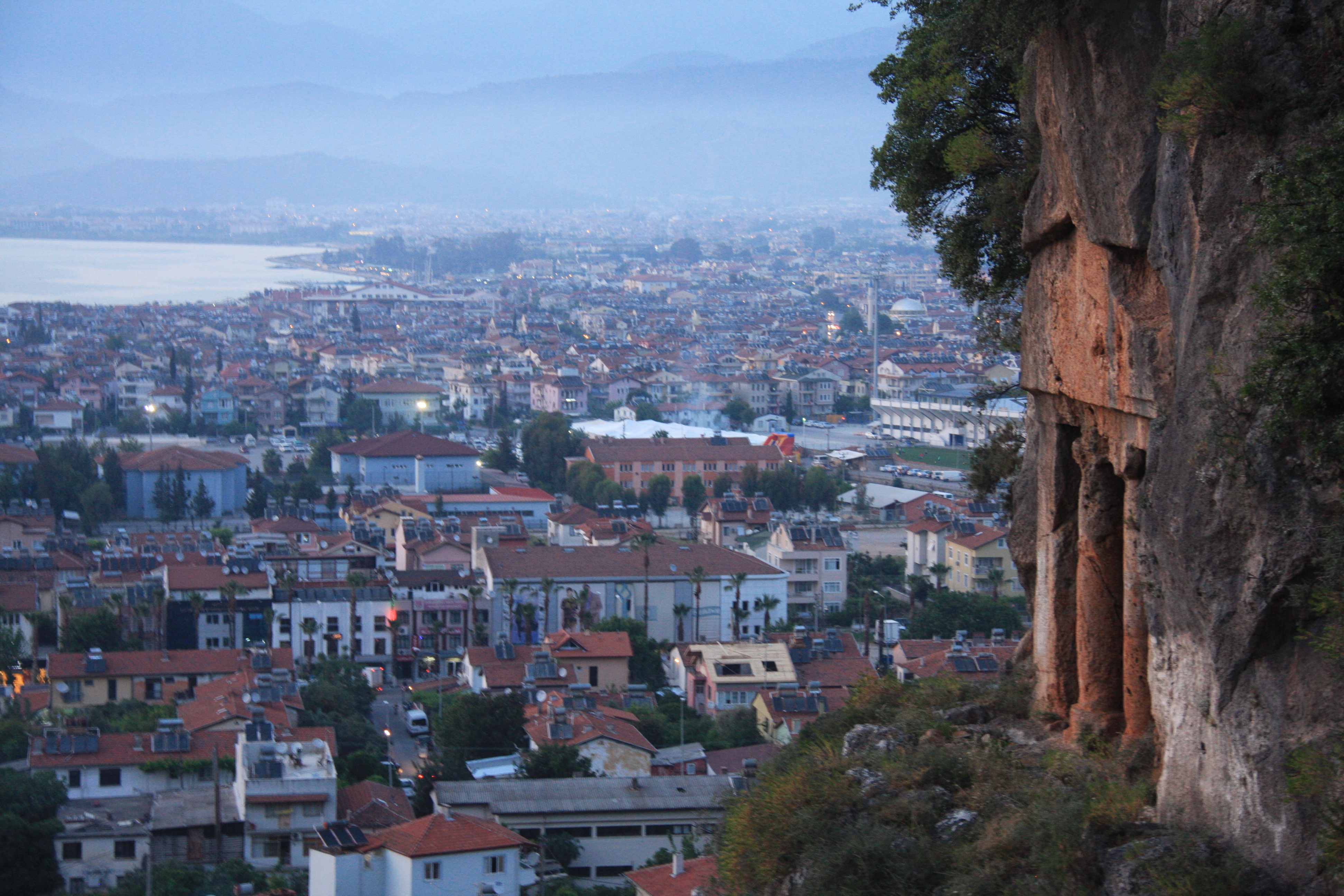
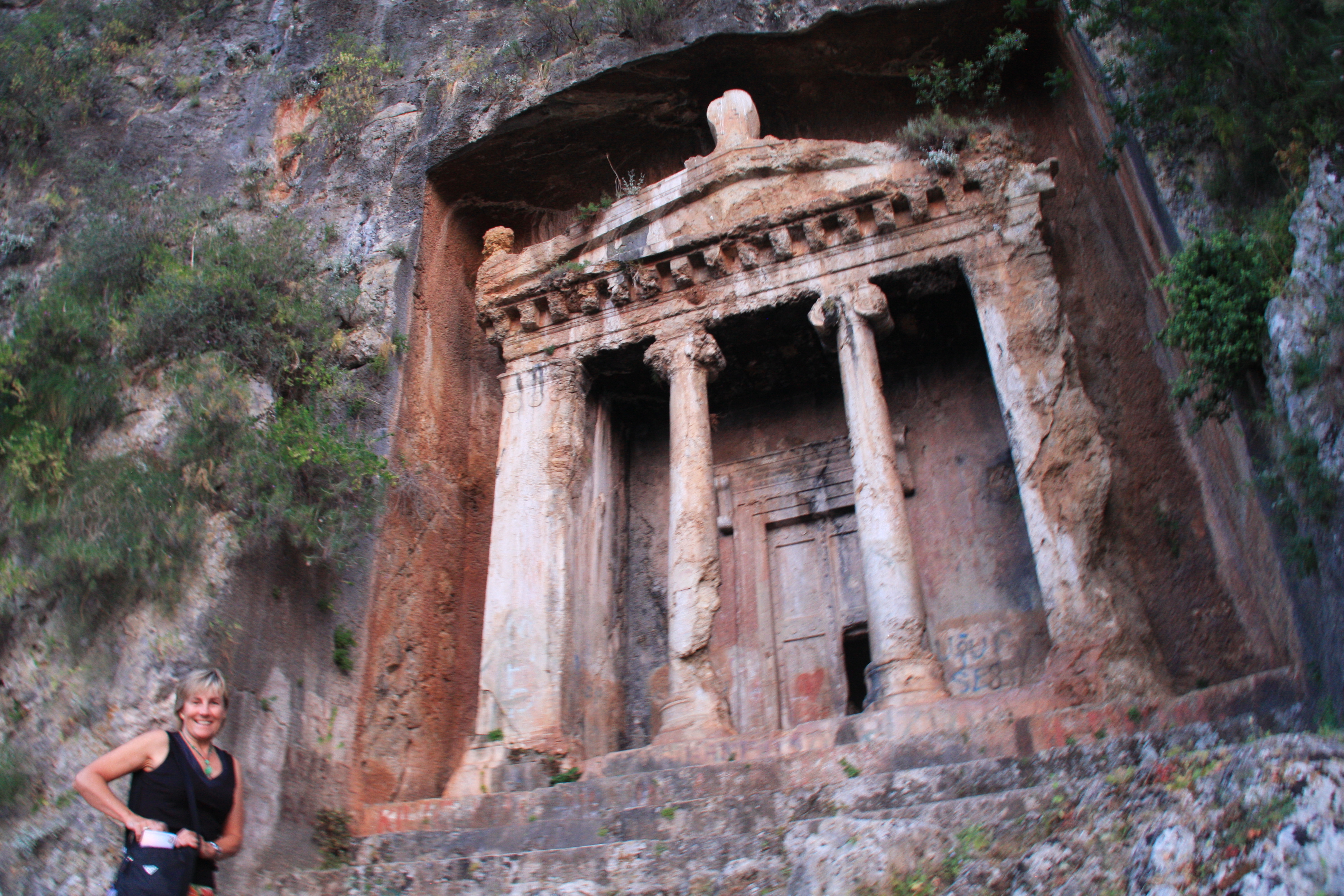
Ian’s birthday was celebrated at a small restaurant overlooking sprawling Fethiye, and under the Lycian tombs.

IMG_3527

IMG_3519

IMG_3525

The calm weather ended as we left Fethiye gulf. Motoring into strong wind and waves across to Rhodes was not the most pleasant of days.

IMG_0649

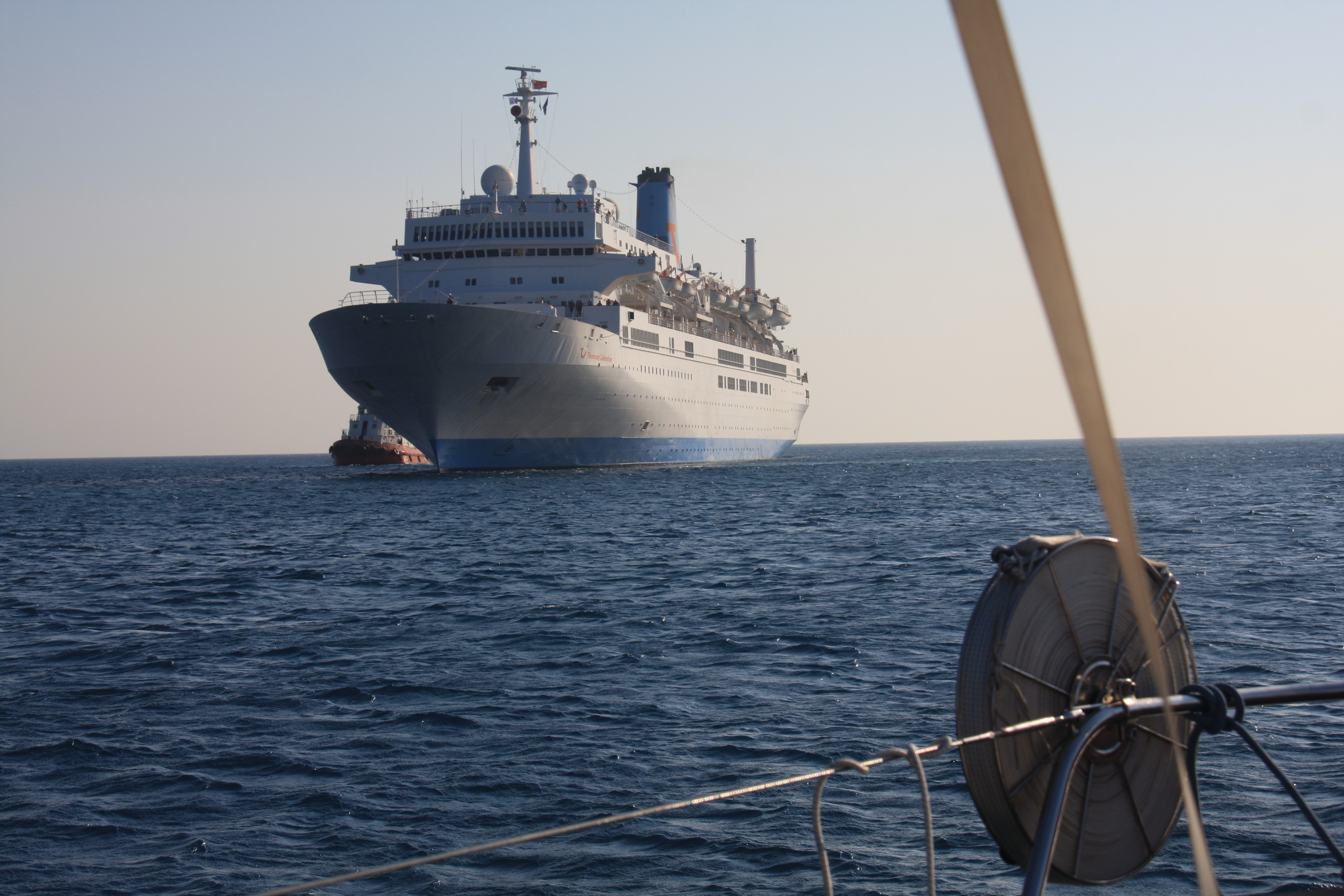
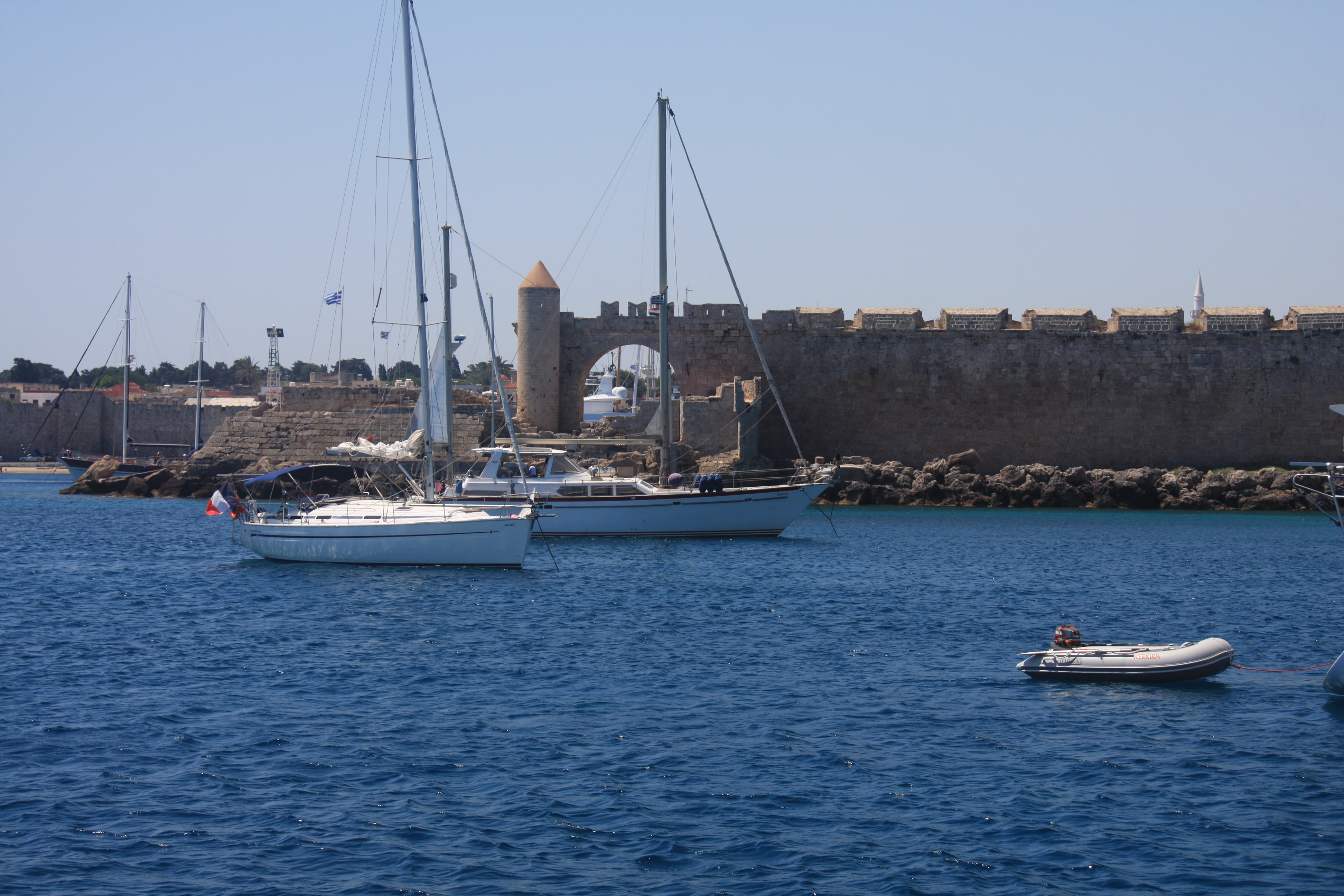
What a great time of year to be in Rhodes, few tourists, only 4 yachts in the bay, room in the harbour,  no superyachts lining the waterfront and only one cruise ship.

IMG_0342

IMG_0362

IMG_3535

IMG_3545

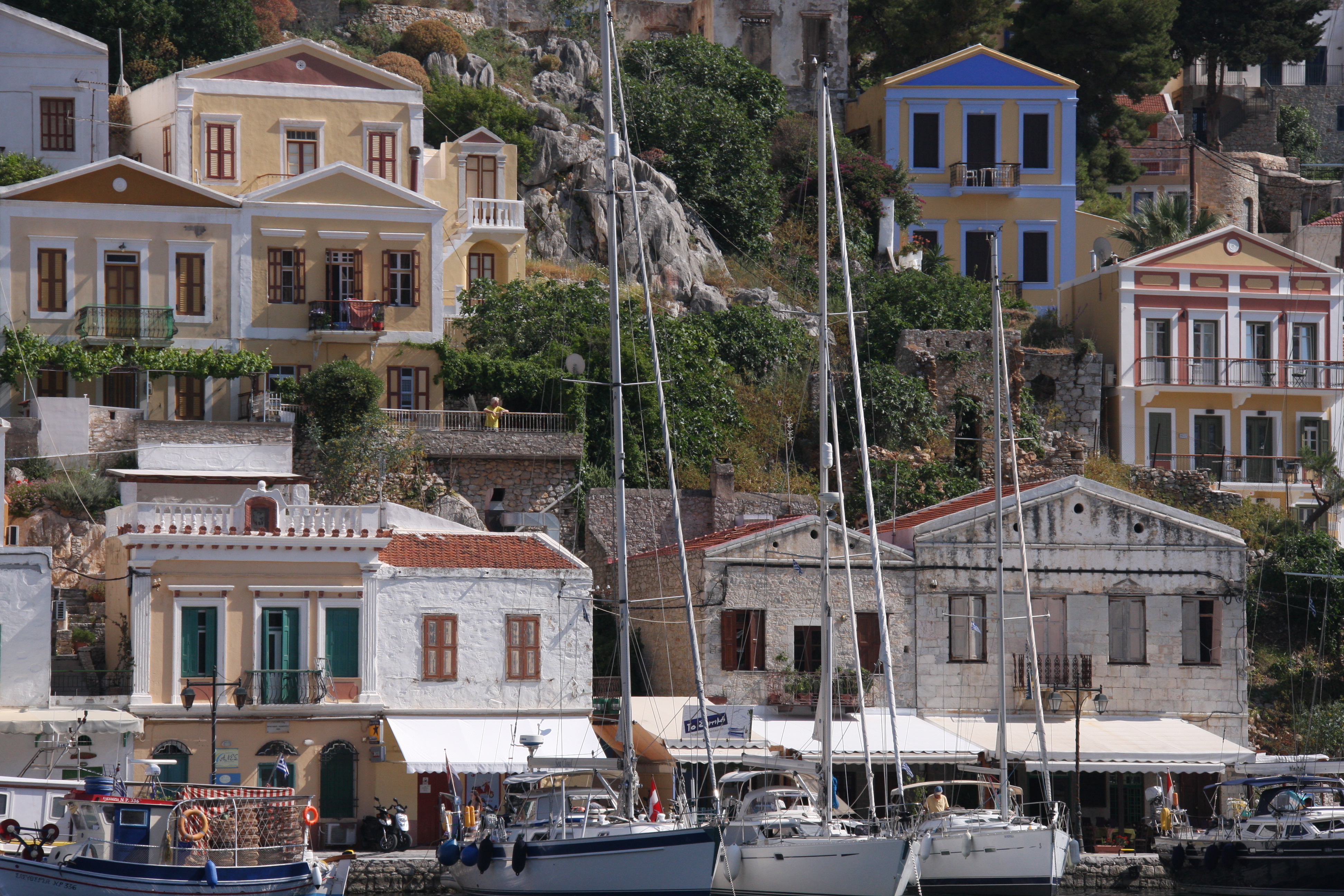
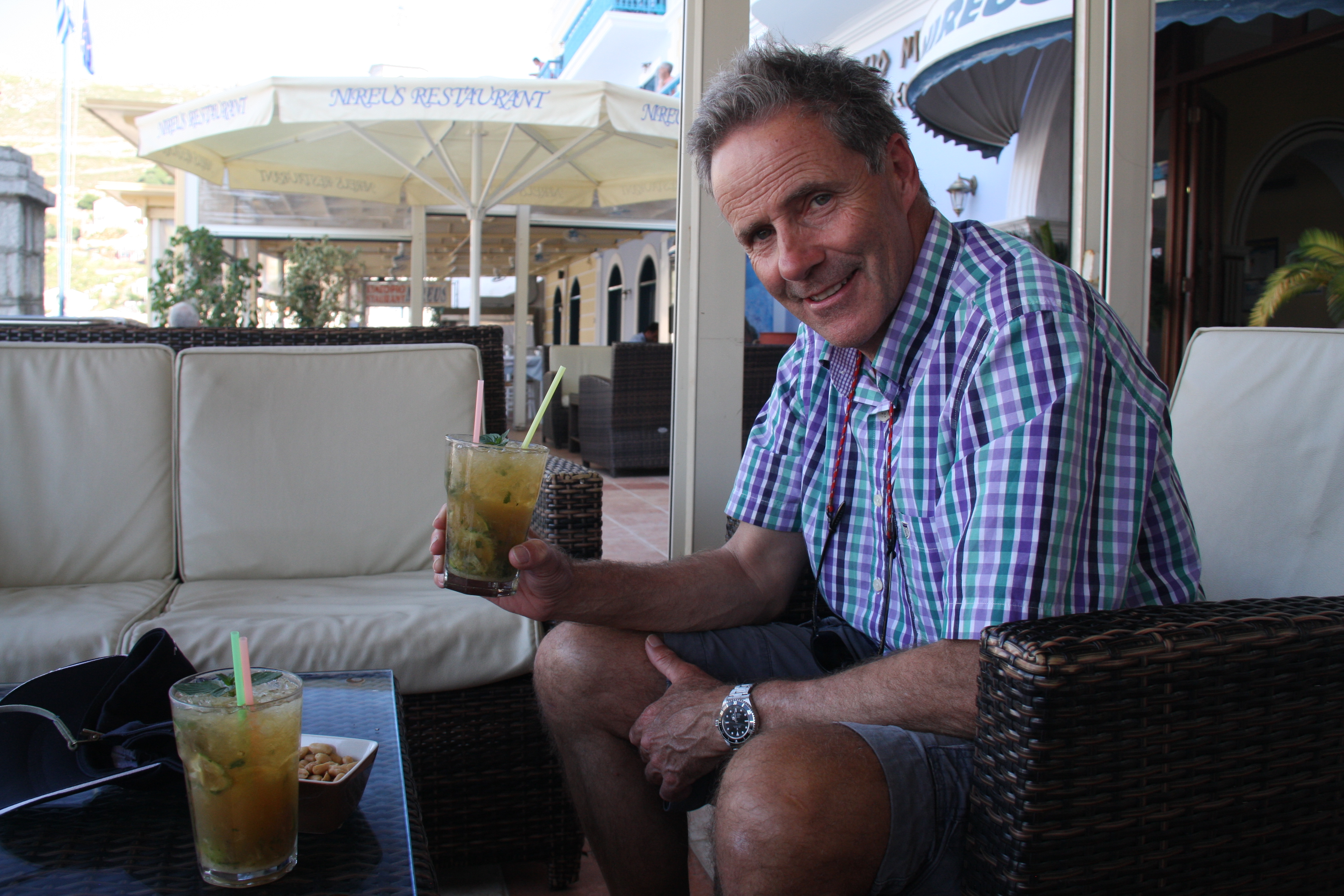
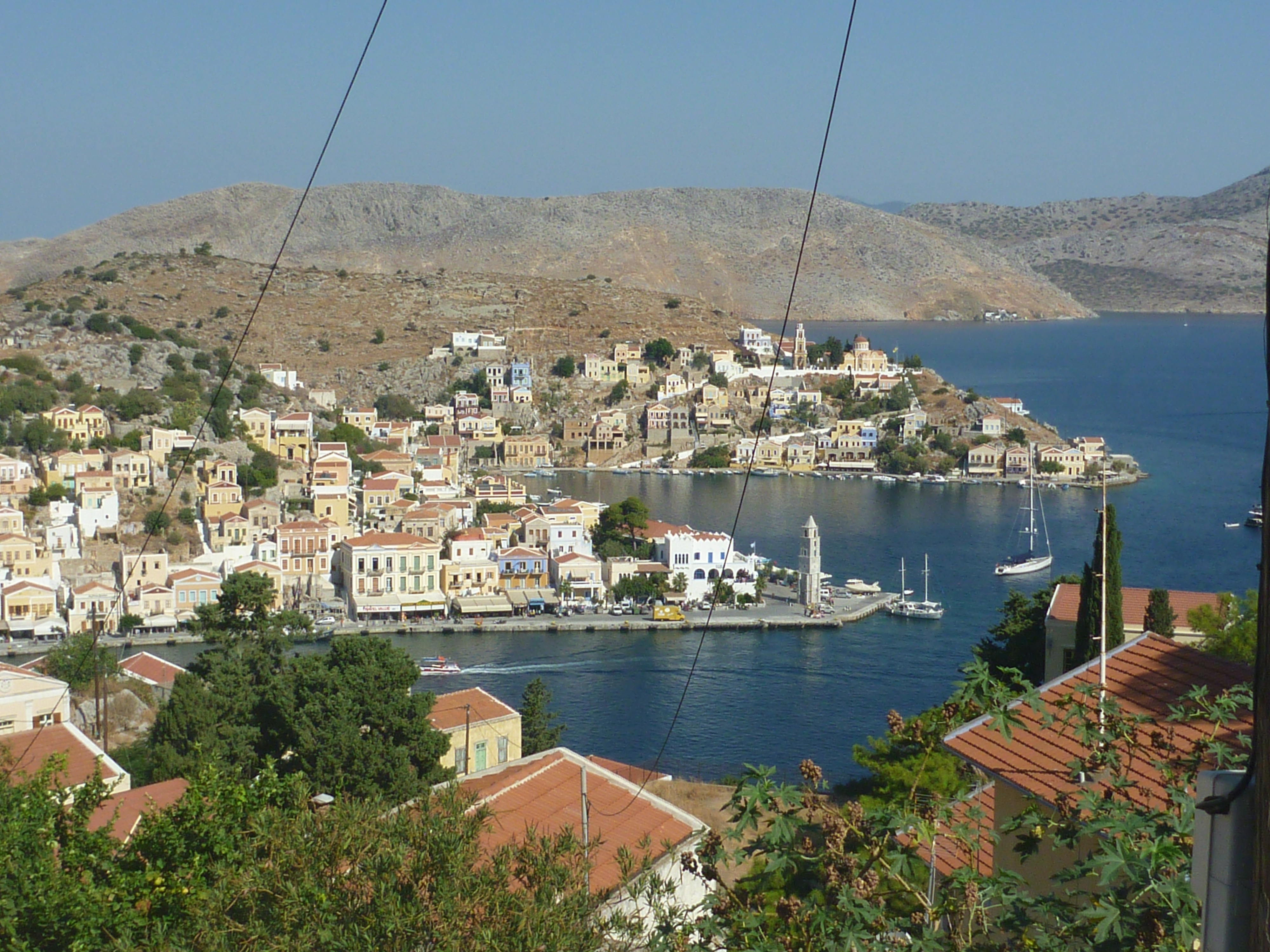
Finally had some good sailing up to Symi, where we found some excellent mojitos made by a Cuban trained barman.

IMG_3548

IMG_3558

IMG_3562

We were rudely awakened by our afternoon nap by a mammoth explosion – was it a bomb? earthquake? No, just only the Symians celebrating Easter exploding dynamite on the hills above the town. Apparently they often throw dynamite into the harbour, but luckily didn’t do so this year. Locals need to keep all windows open during the Easter weekend otherwise they shatter.

IMG_3567

IMG_3578

IMG_3571

After a lazy start in Symi we sailed to Tilos for a night  before sailing on to Nisyros, an island we had been trying to get to for the last few seasons.

IMG_0653

The small harbour in Nisyros was relatively crowded for this early in the season,  a combination of the Russian holidays and Greek Easter.

IMG_3586

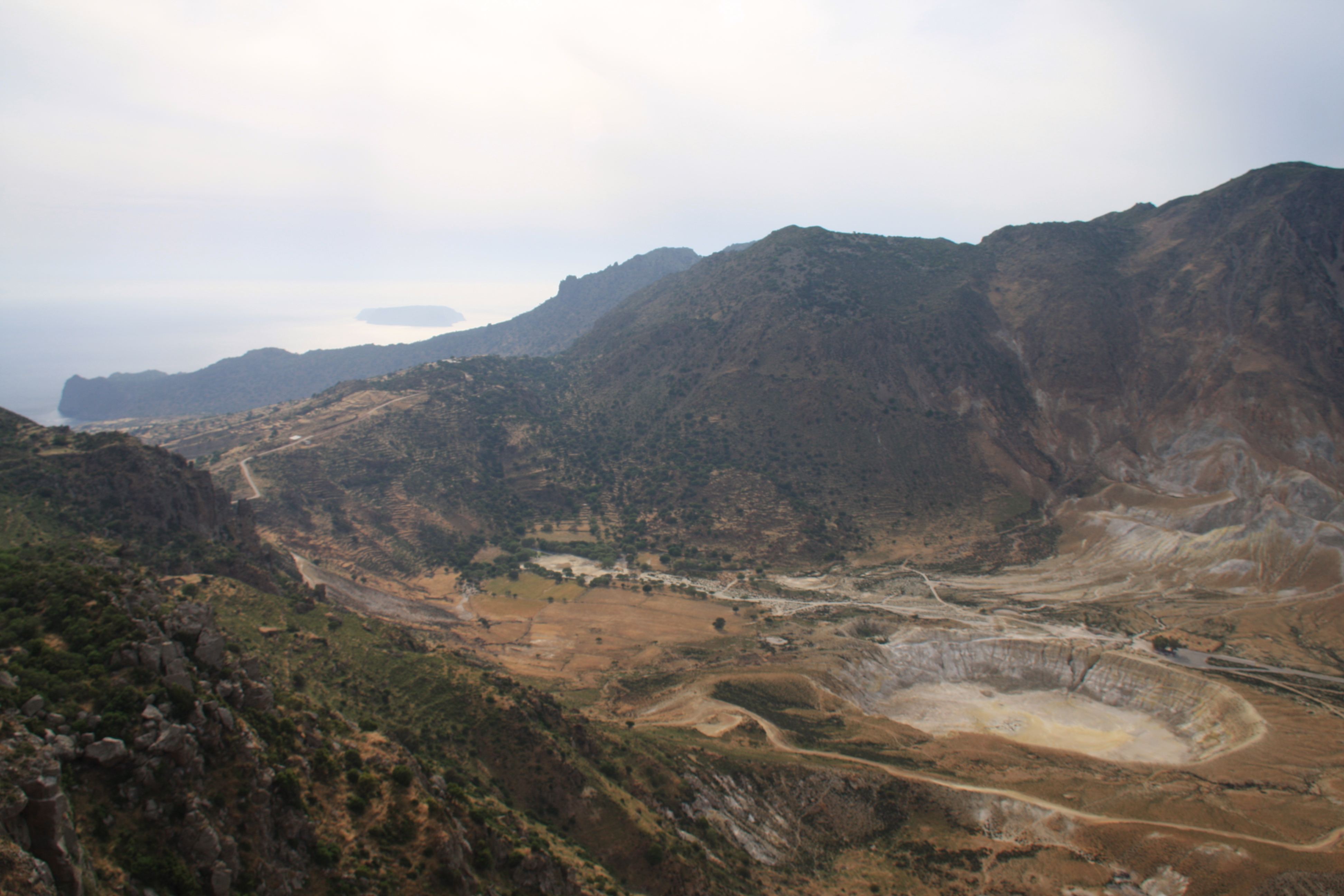
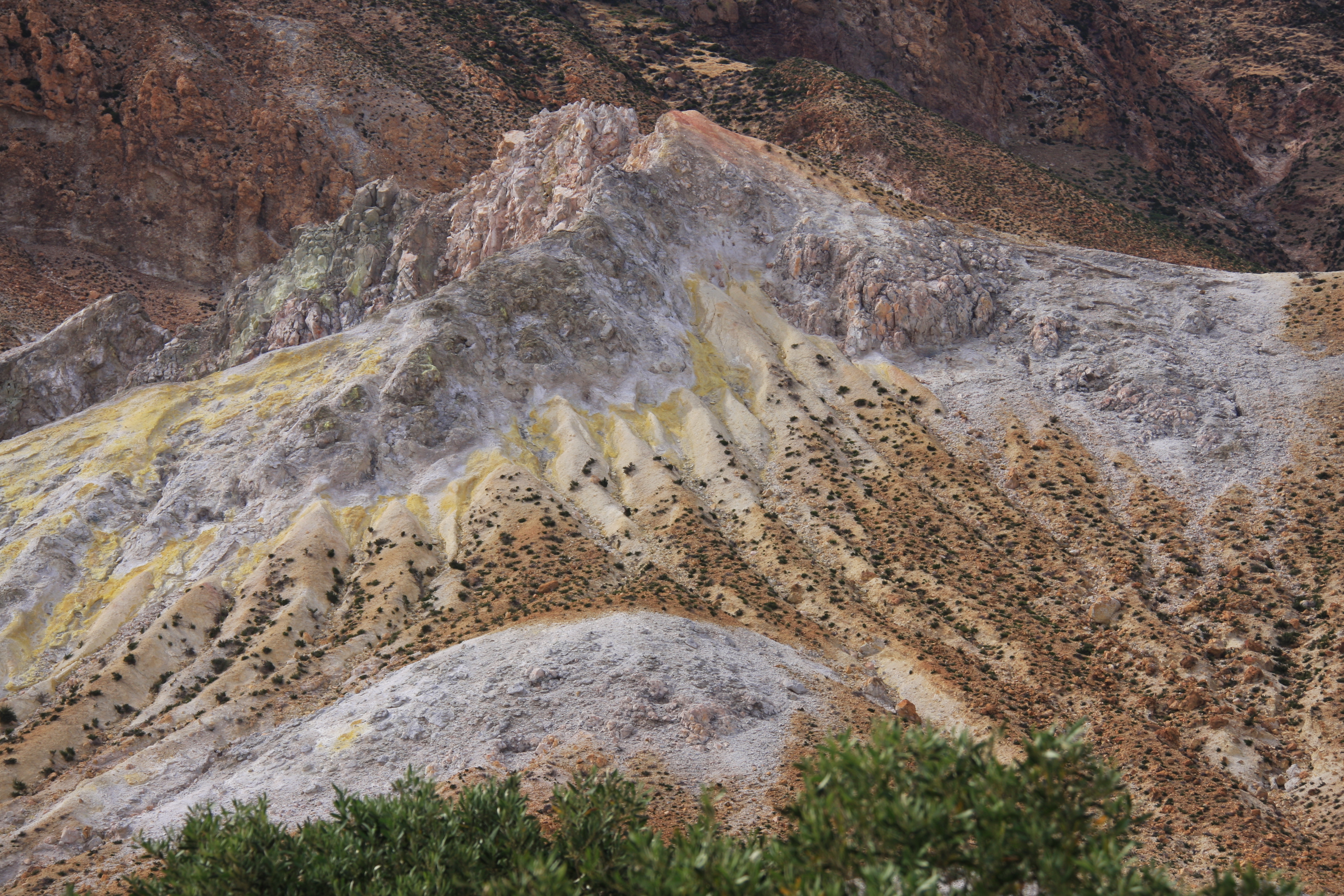
Nisyros was well worth the visit. The colours of the extinct volcano were beautiful.

IMG_3641

IMG_3619

IMG_3621

The only other visitors at the volcano were  locals.

IMG_3608

IMG_3613

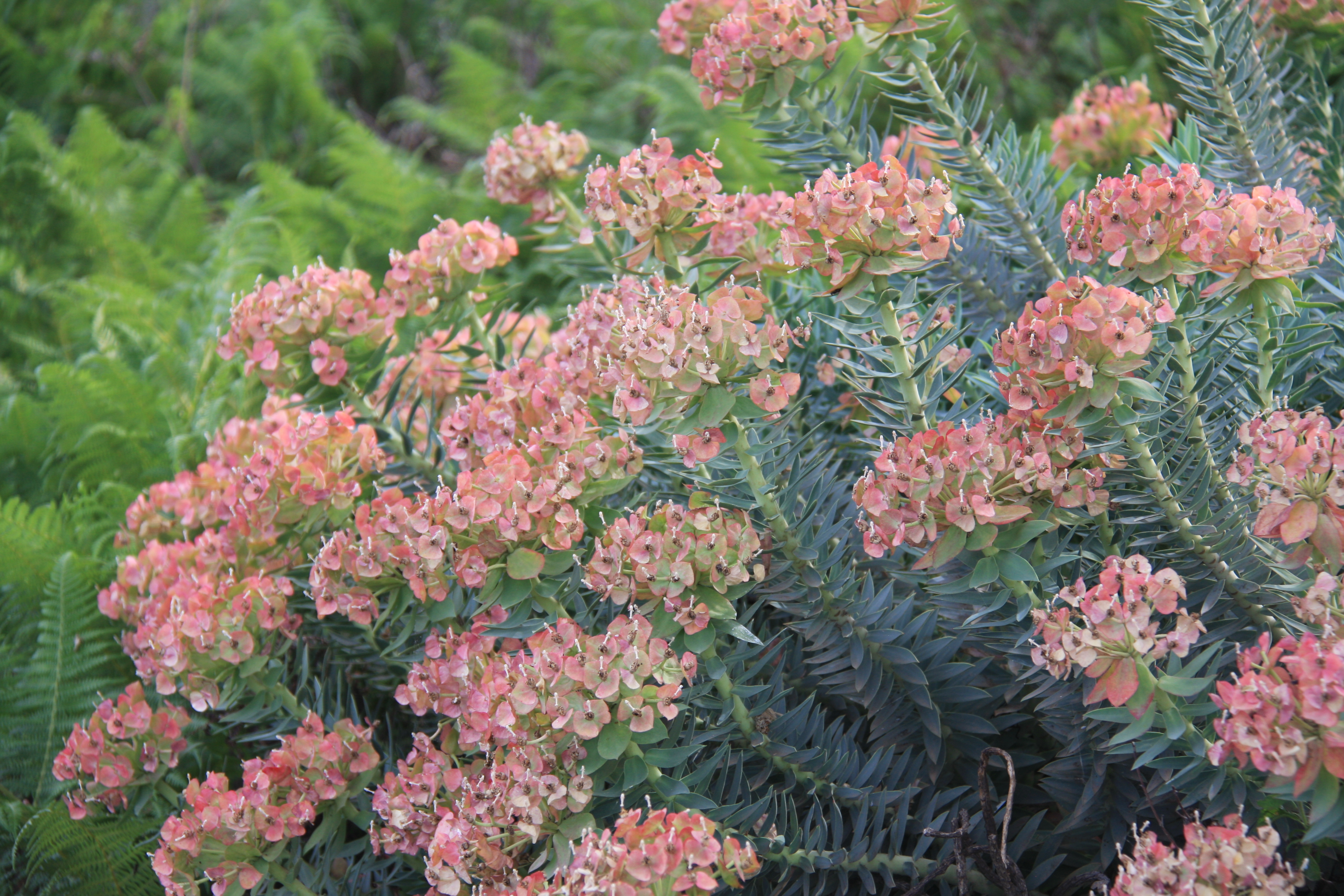
It is so green at this time of the year with lovely flora, obviously good for honey as we saw many beekeepers along the roadsides.

IMG_3635

Mandraki with its monastery perched overlooking the town was a good place for dinner and watching the sunset.

IMG_3667

IMG_3665

IMG_3671

IMG_3675

Didim to Gocek

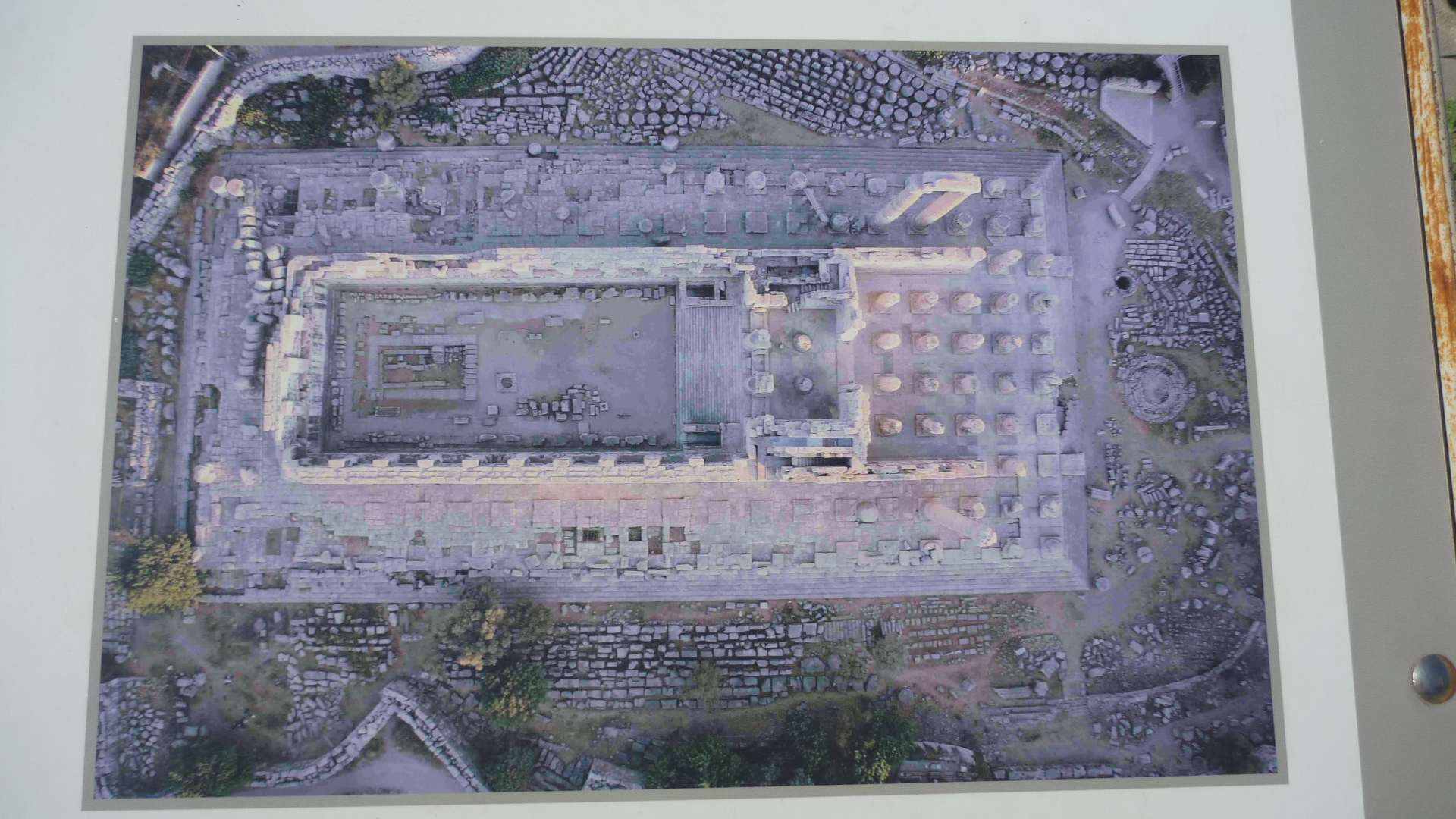
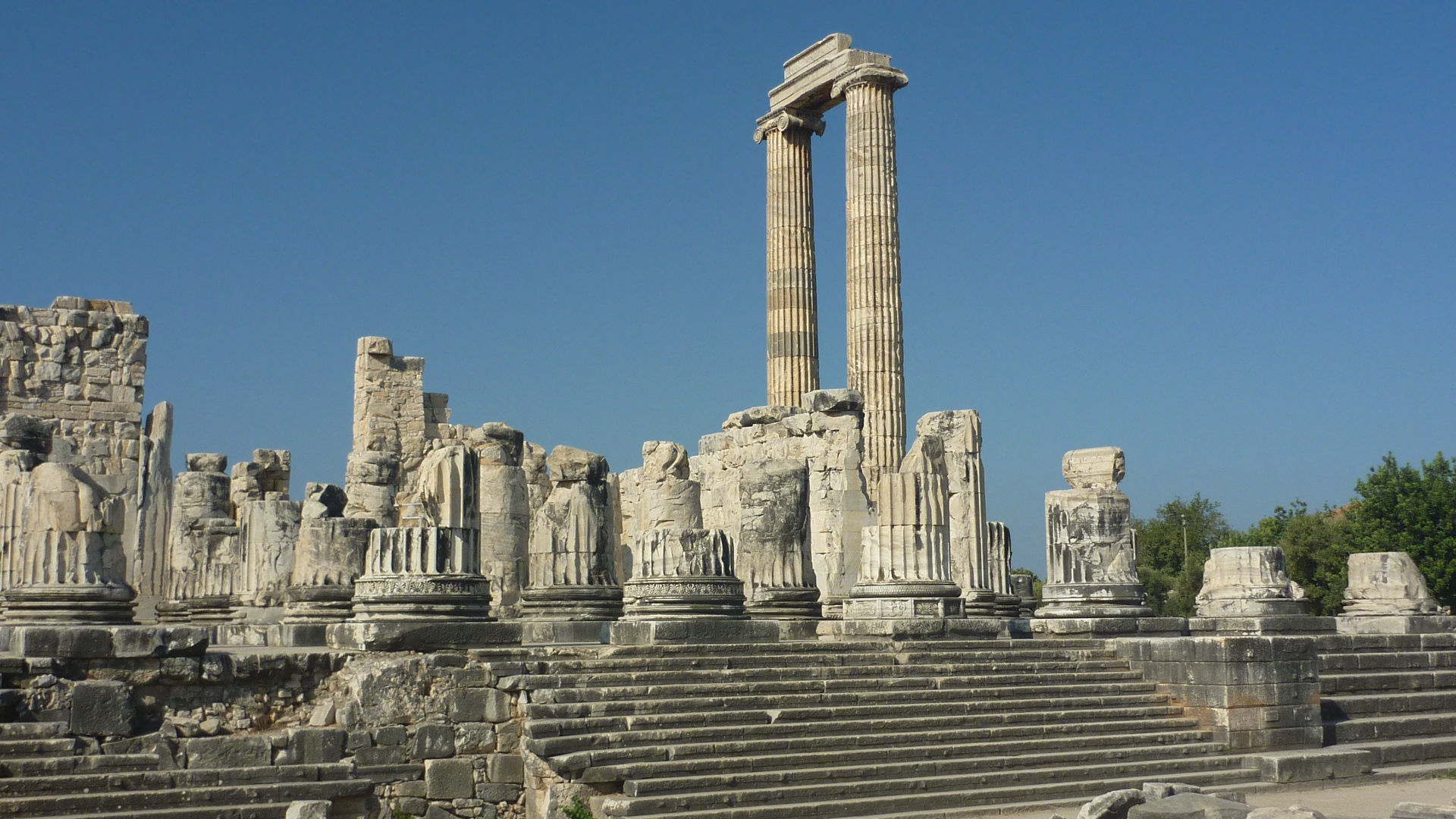
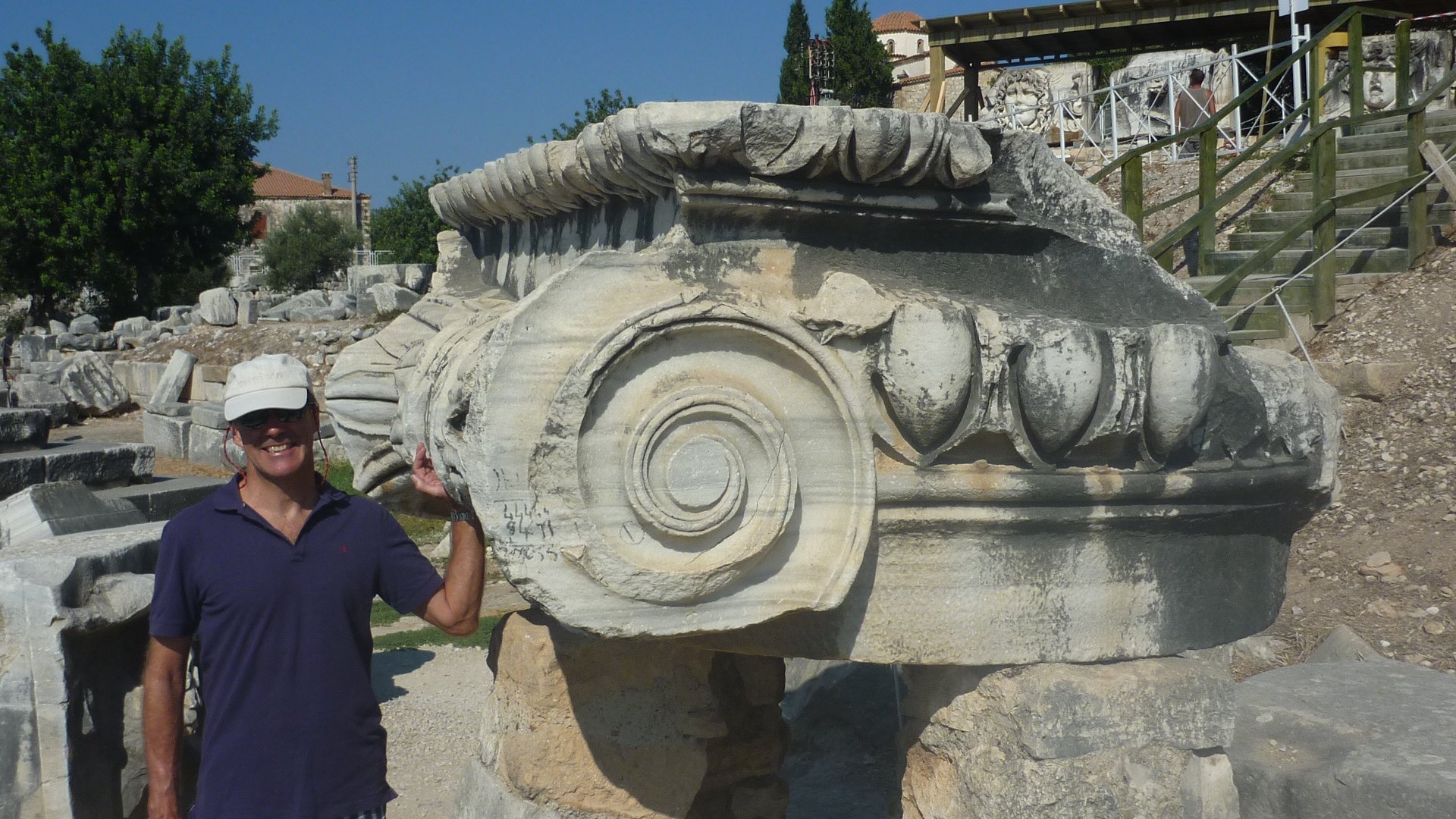
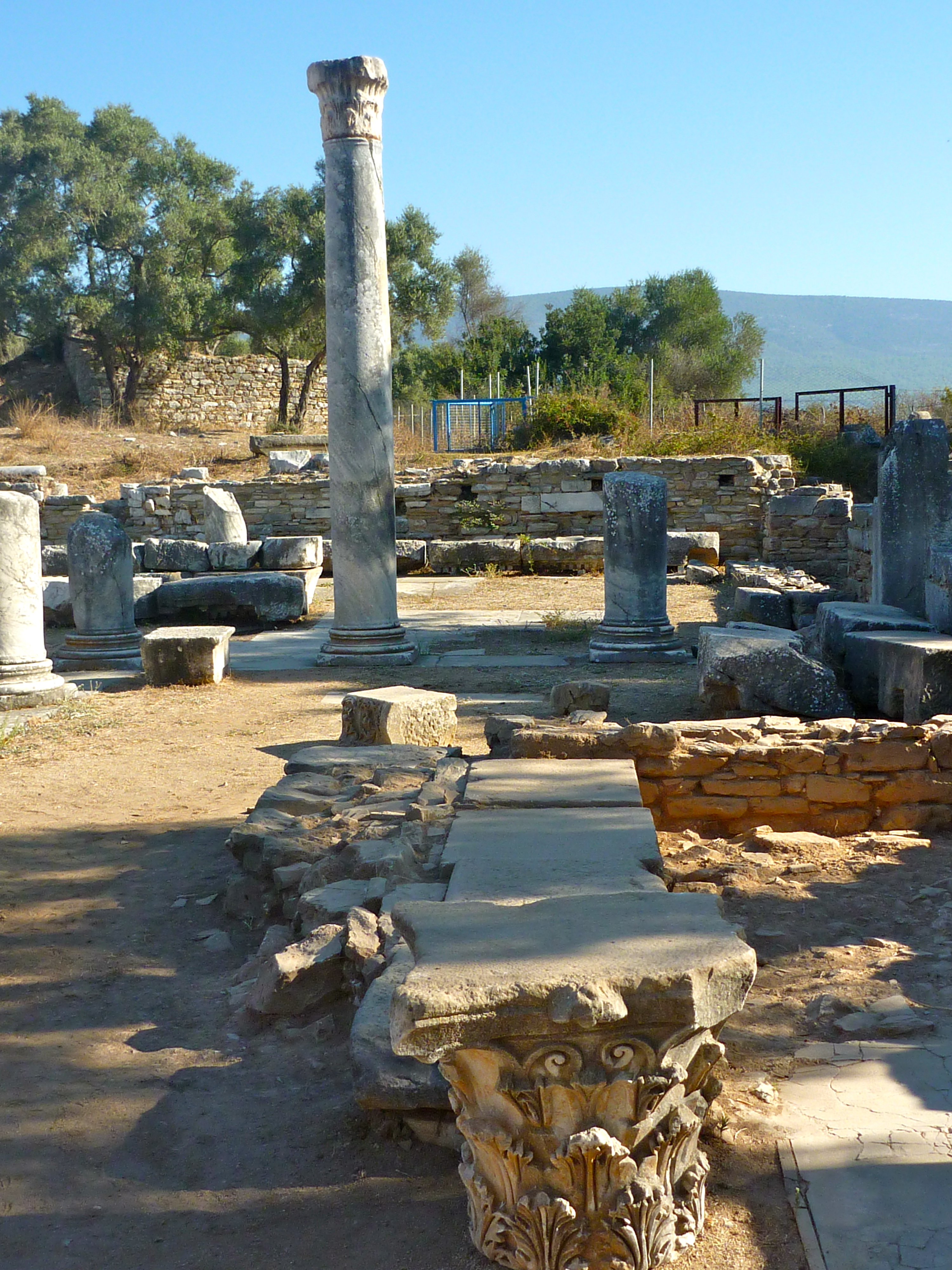
The temple of Didyma – a real surprise located in the centre of sprawling Didim amongst tumbled down farmhouses, and sheds-come souvenir stalls. A beautiful, and surprisingly huge temple, with informative information boards & no crowds.

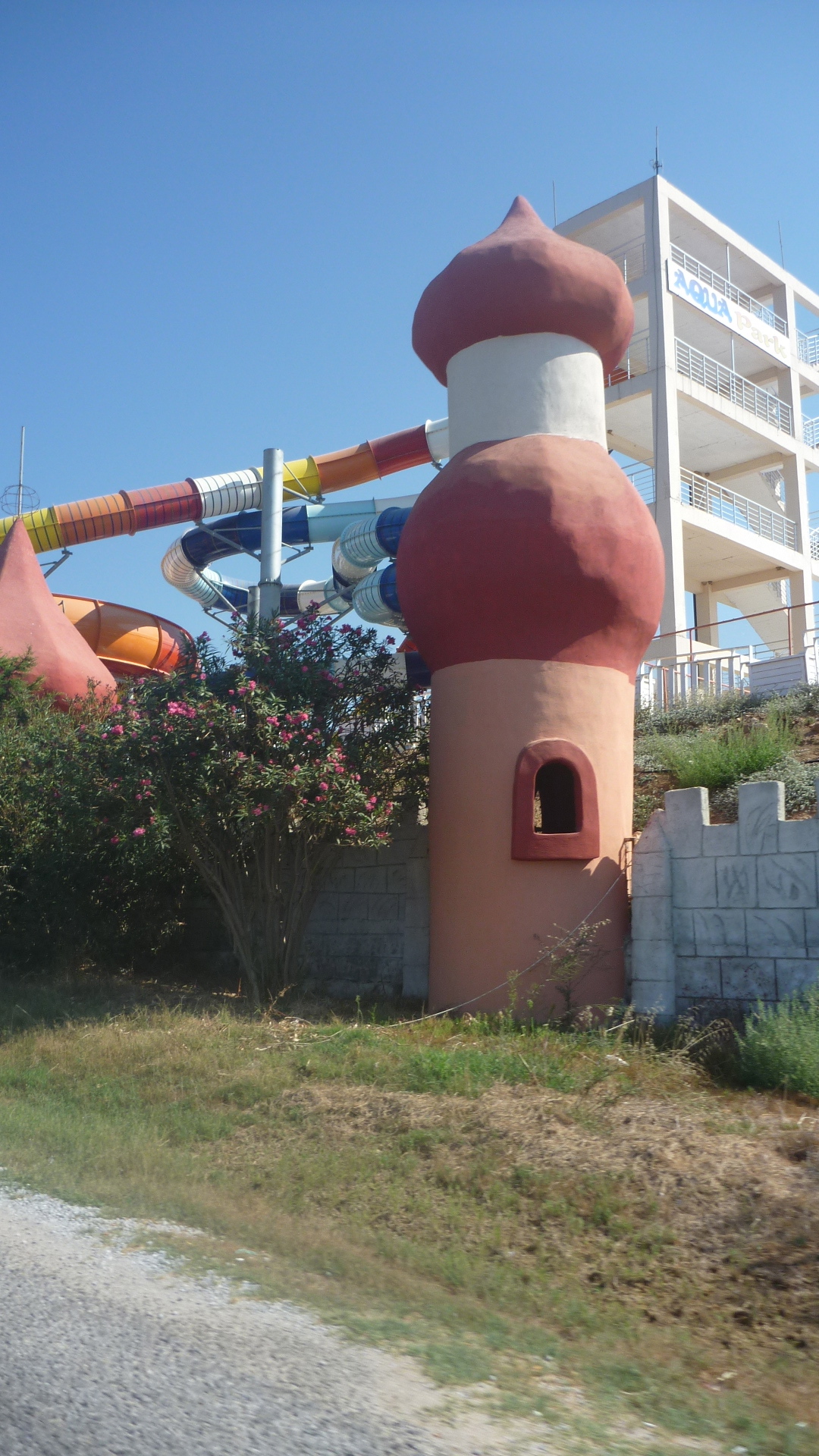
Five minutes away, the more typical signs of modern Didim and its tackiness.

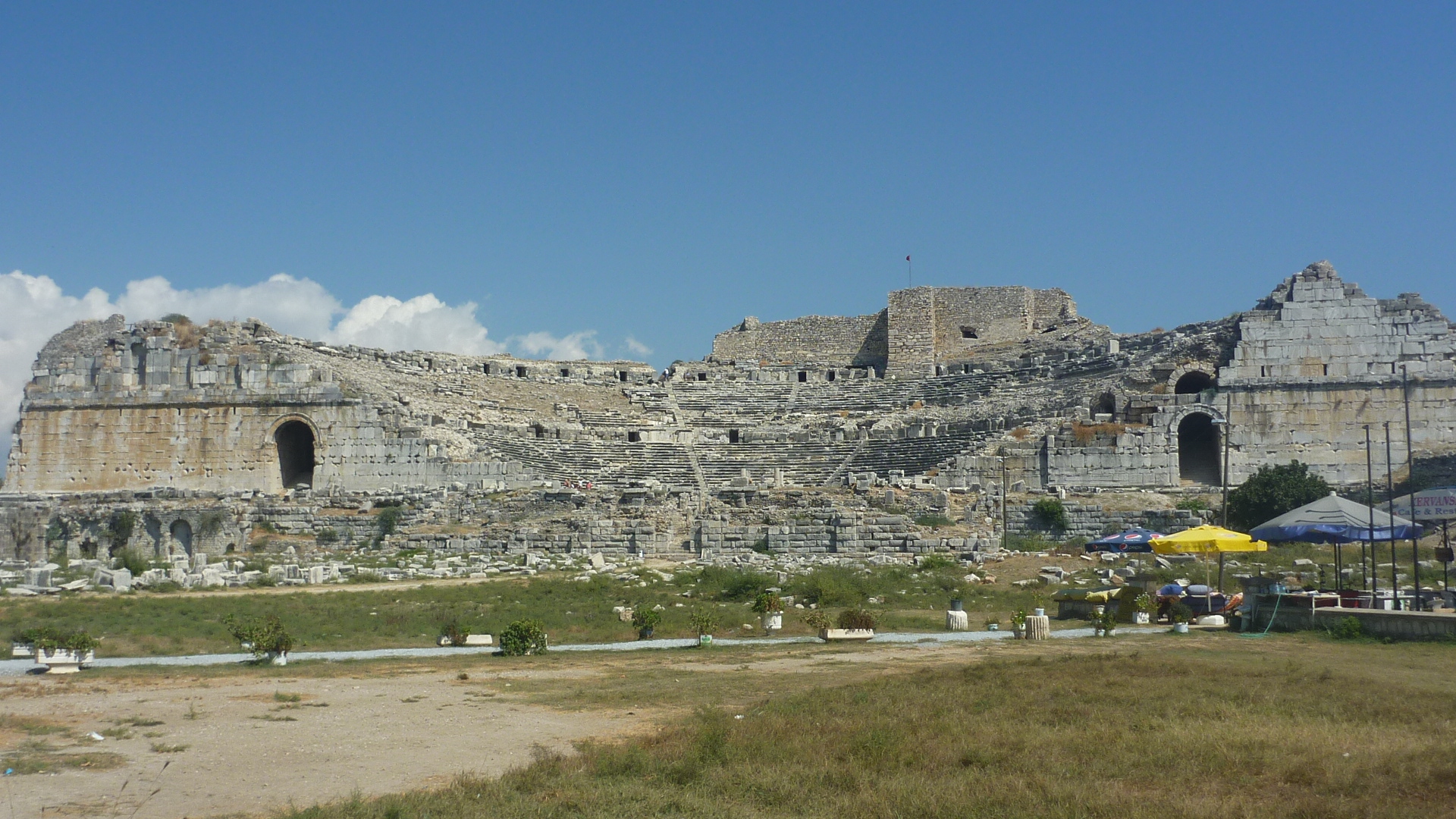
Miletos, 5km north of Didim, once the site of an important harbour city now lies many miles inland within the silted river delta.

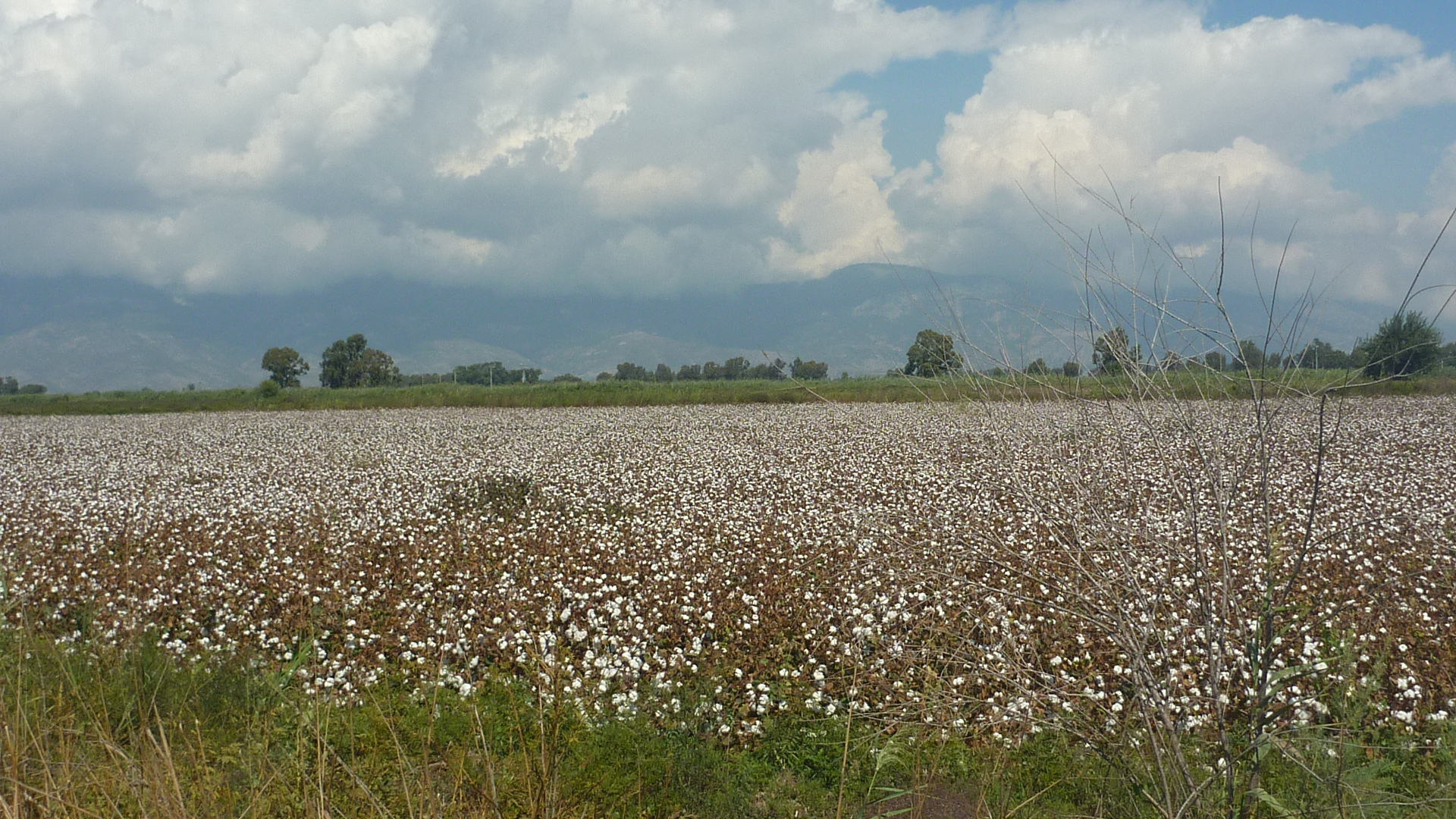
Heat and plentiful water explain the extensive cotton fields in the fertile valley – in full harvest mode in October.

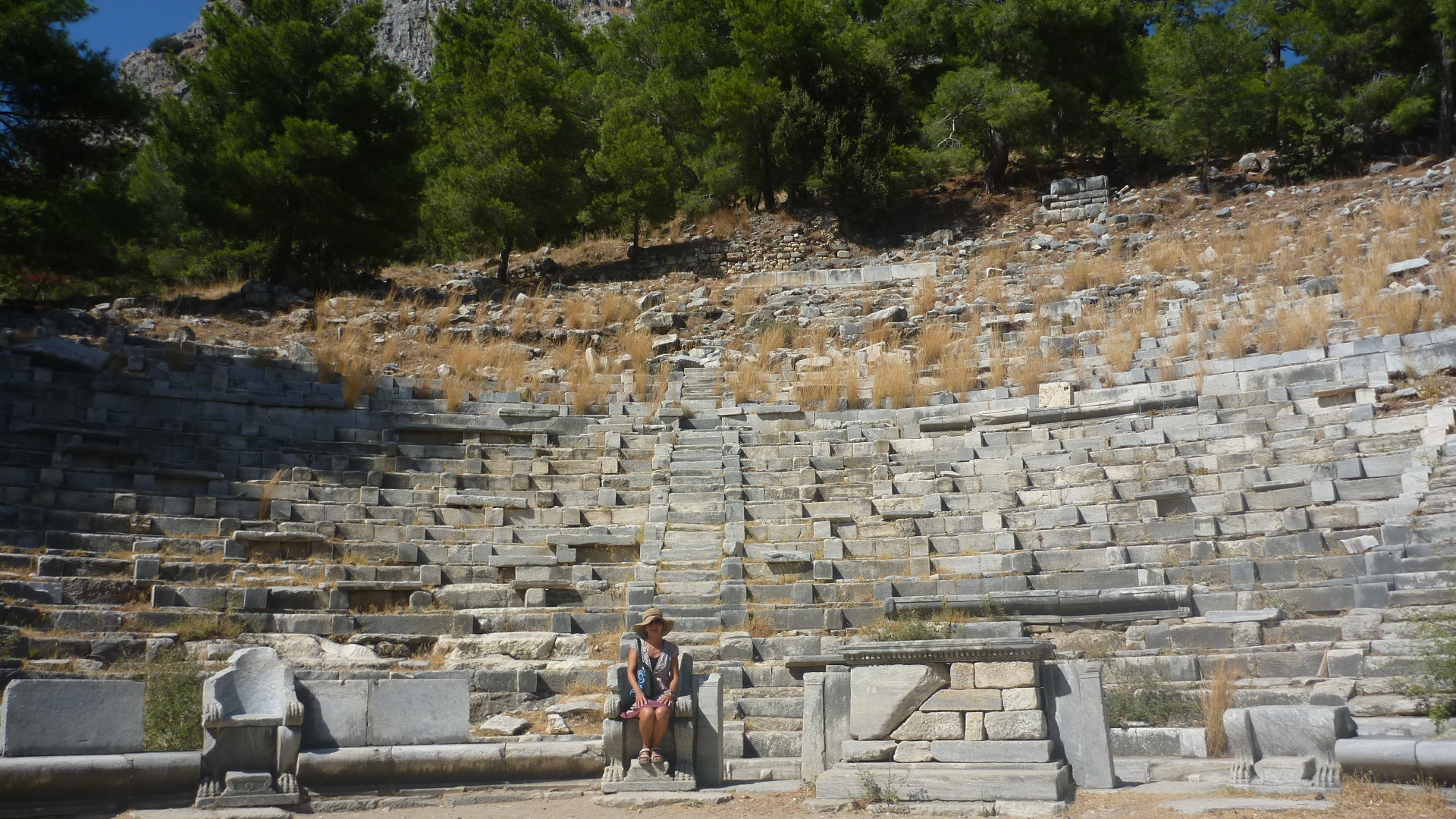
Not far from Miletus is Priene, a lovely ancient site situated on a plateau overlooking the plains has a small intimate amphitheatre – note the lion’s feet carved seats (for important people) in front row. As this theatre doubled for the oratorium the waterclock ensured that local politicians kept to their time limit.

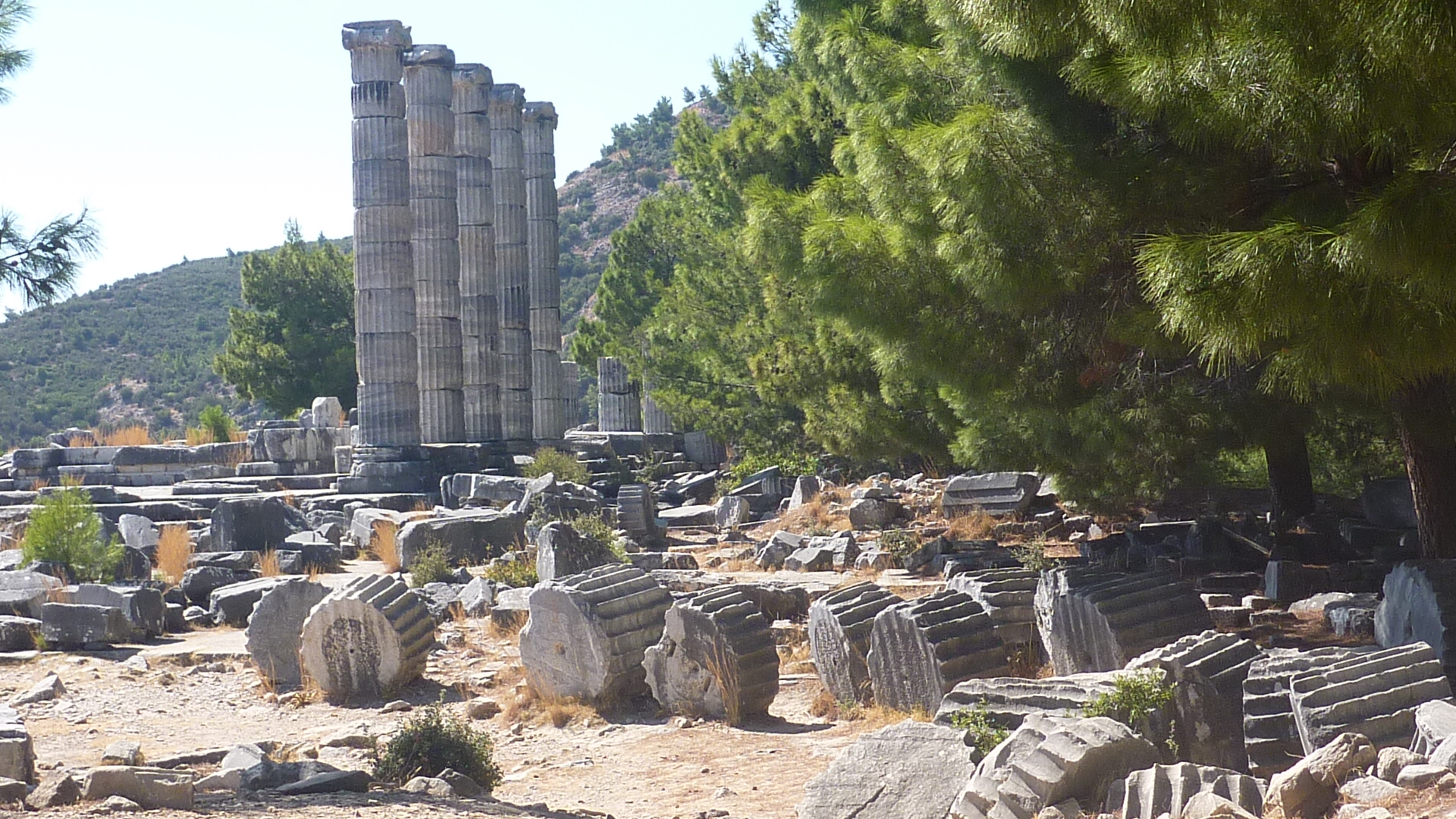
The temple of Apollo, ravaged by earthquake, is now a field of elements of the fluted columns.

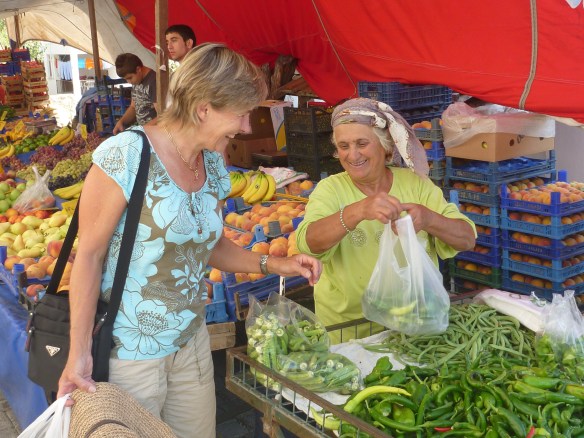
Stopped at the roadside fruit and vegies cooperative stalls on the road into Didim had the most beautiful, fresh and very cheap produce, with almost all everything less than TL1.50/kg (75 cents).

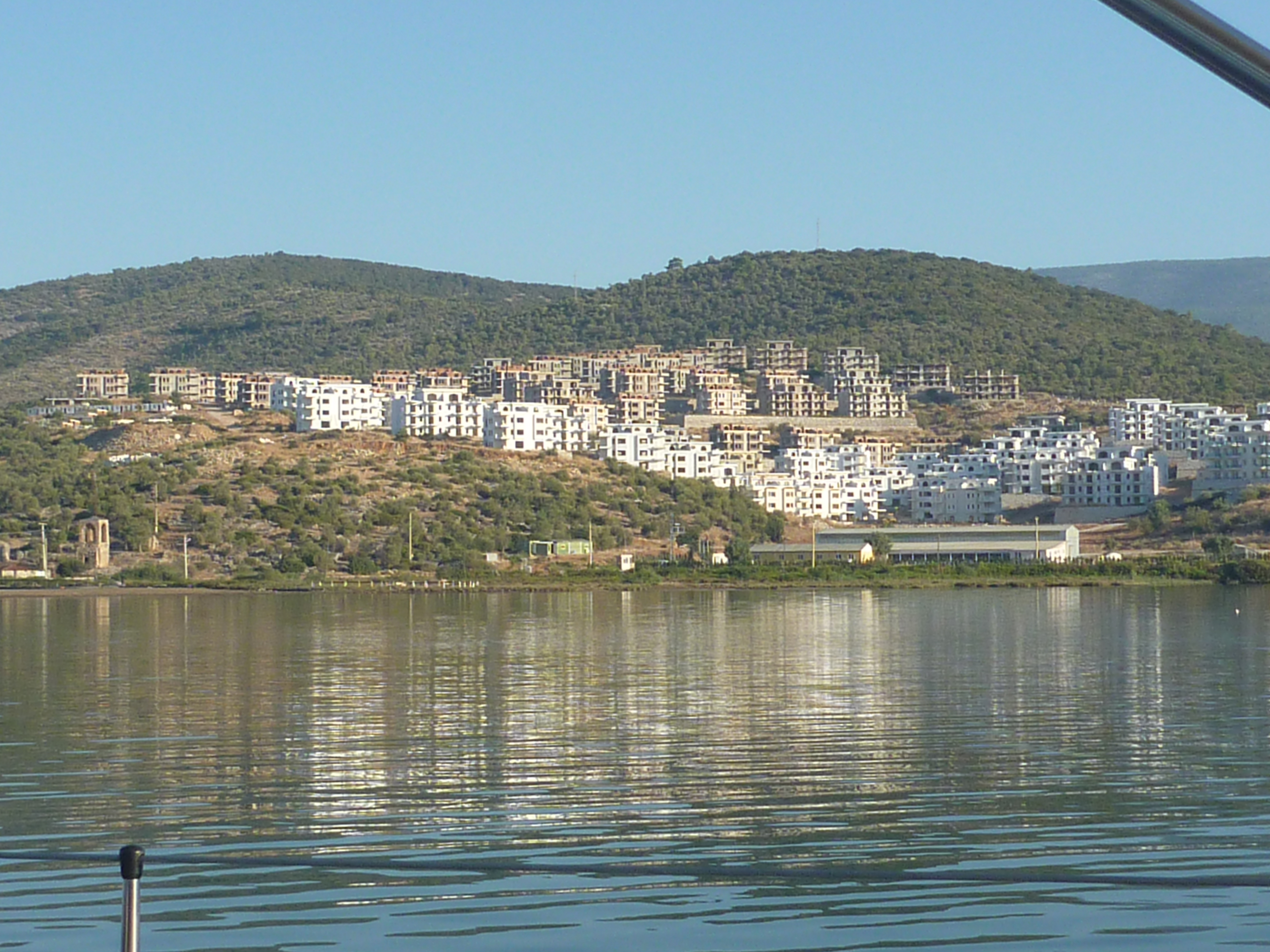
The Gulluk Gulf, between Didim and Bodrum was notable for its many fish farms. Although thankfully many of the farms have now been removed from smaller bays, the green, cloudy water  in these bays is very different to the normal pristine Turkish waters. On the up side, the fish farms and the large number of white concrete box holiday homes mean that there are few boats here, so we could anchor in isolation.

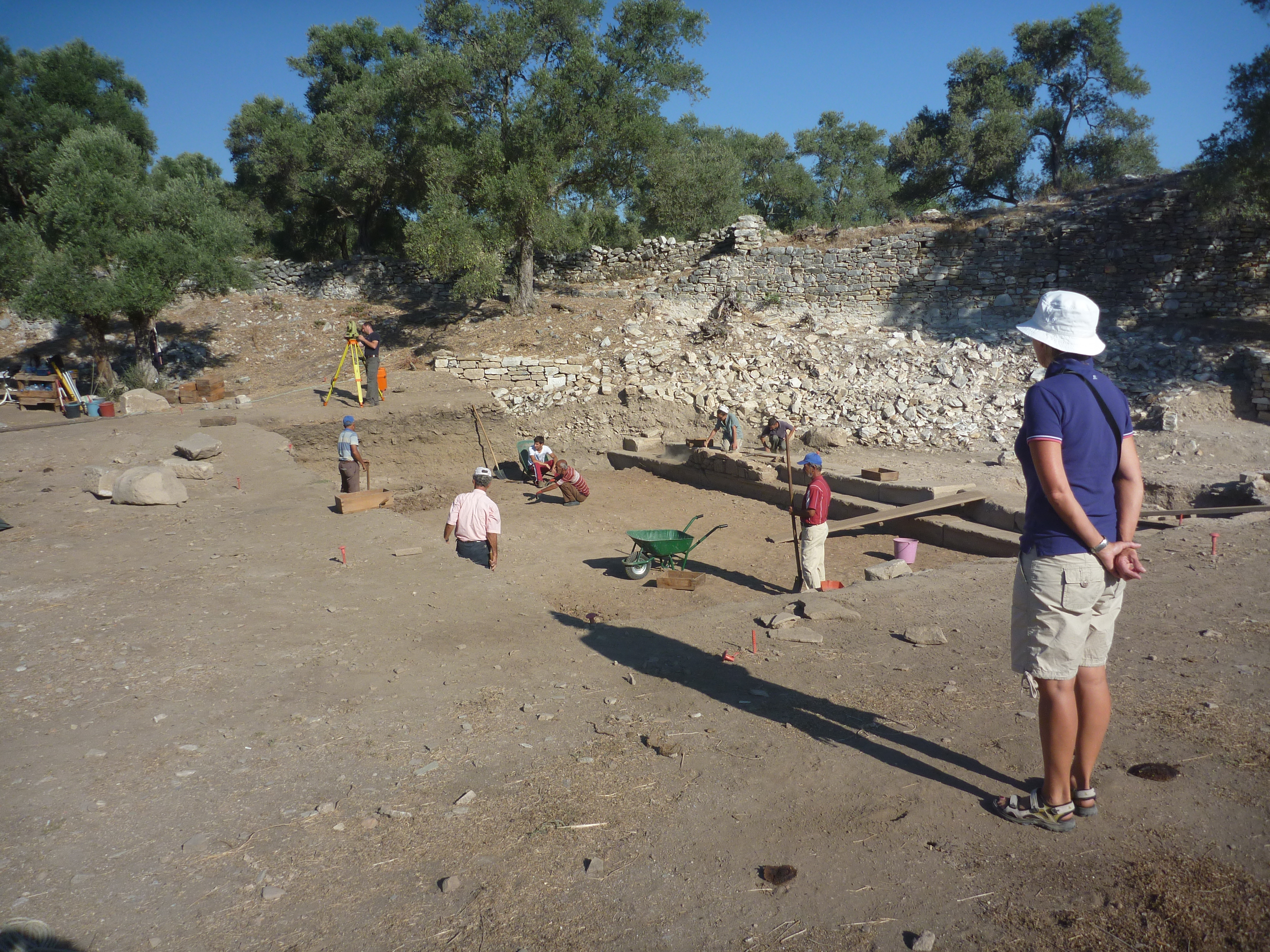
Ancient Iassos was a surprise, being a much more extensive site than we had anticipated, with a large archeological team currently at work digging.

After a few days in the gulf, swimming in the crystal clear water of Catalada was a treat. We finally made it to Datca, a place we had been meaning to visit for 2 seasons. We were very pleasantly surprised by this lovely, low -key town.

The planned one day stay turned into 2, then 3 as we had to visit the nearby Eski Datca, the quaint “old” town which has been sympathetically renovated (unfortunately mostly by foreigners).

We then had to stay for the Saturday market, to stock up with some fresh produce for our last week on Sea Cloud. Datca, famous for almonds, olives, honey and teas will be a spot to come back to in order to provision.

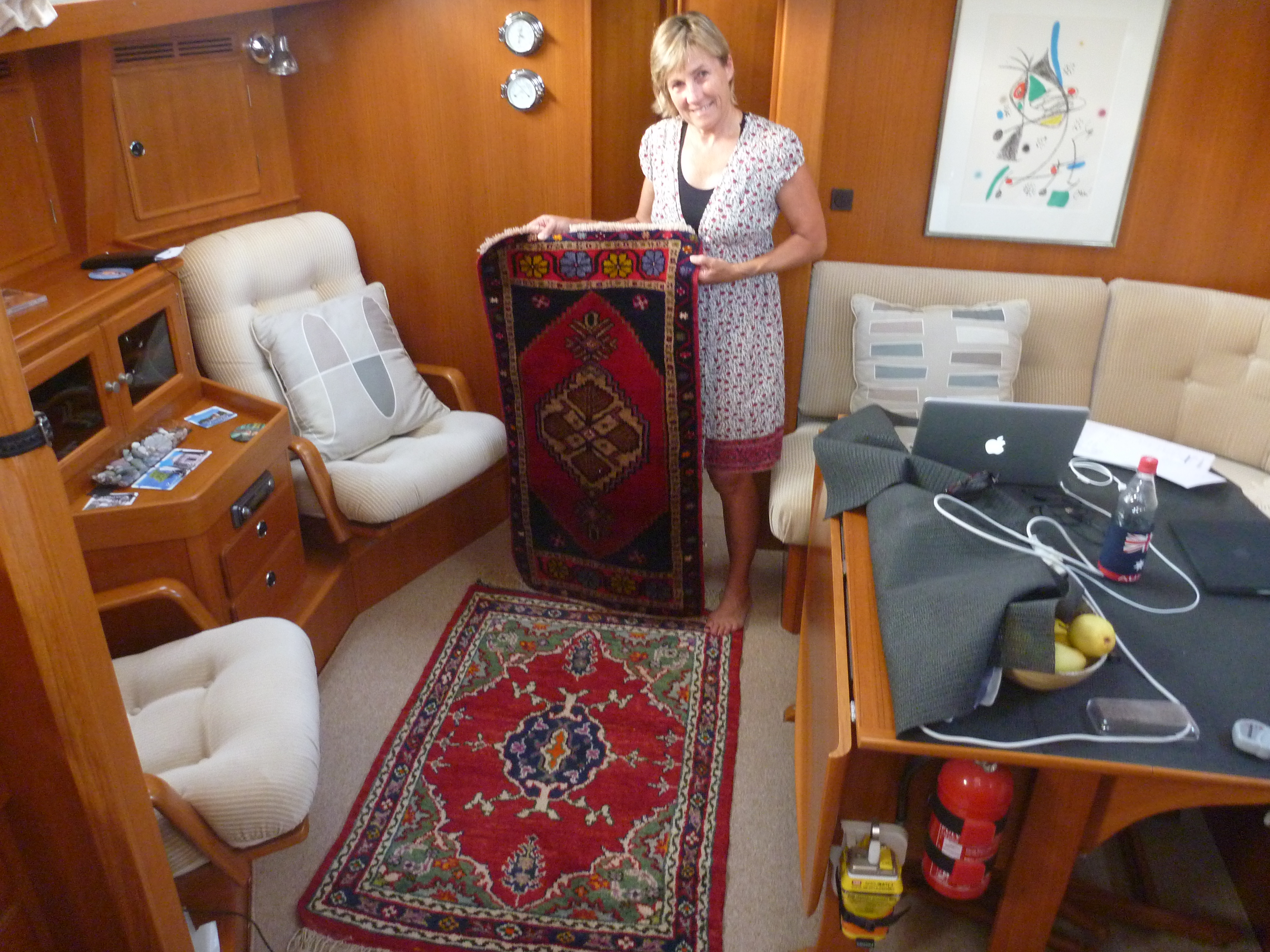
A few hours spent with Kemal, the Turkish rug trader resulted in some new rugs for Sea Cloud.

Our last visit to Kiseli Adasi & Bozburun for the season. “Captain Paradise” dropped in on queue!

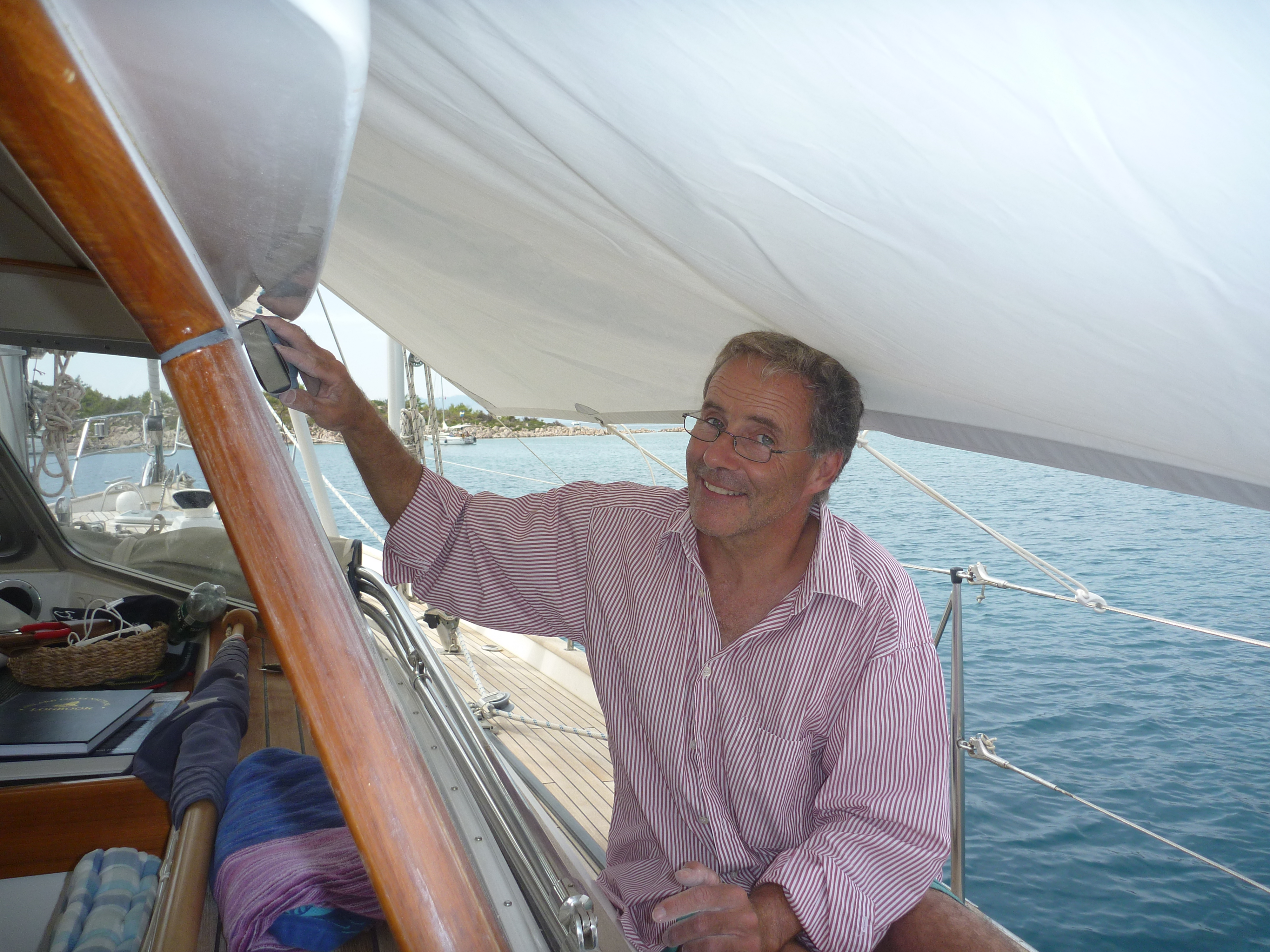
Ian educated himself in the art of rejuvenating some of the dodger’s timber with 2 part varnish – surprisingly professional for an amateur!

Our final days on Sea Cloud included overnight anchorages at Serce Limani, our favourite Kucuruk Kuruk (Sea Cloud only boat in the bay), and a surprisingly busy Yassica Adalari where we managed to see Emily’s 2 bunnies just after dusk. The last week was one of thunderstorms, fortunately not too windy, just short periods of heavy rain to wash the boat.

After a few days in the marina to finish the pre-haul out check list, Sea Cloud was lifted to spend the winter back in sheltered yard at Marinturk Marina Gocek.

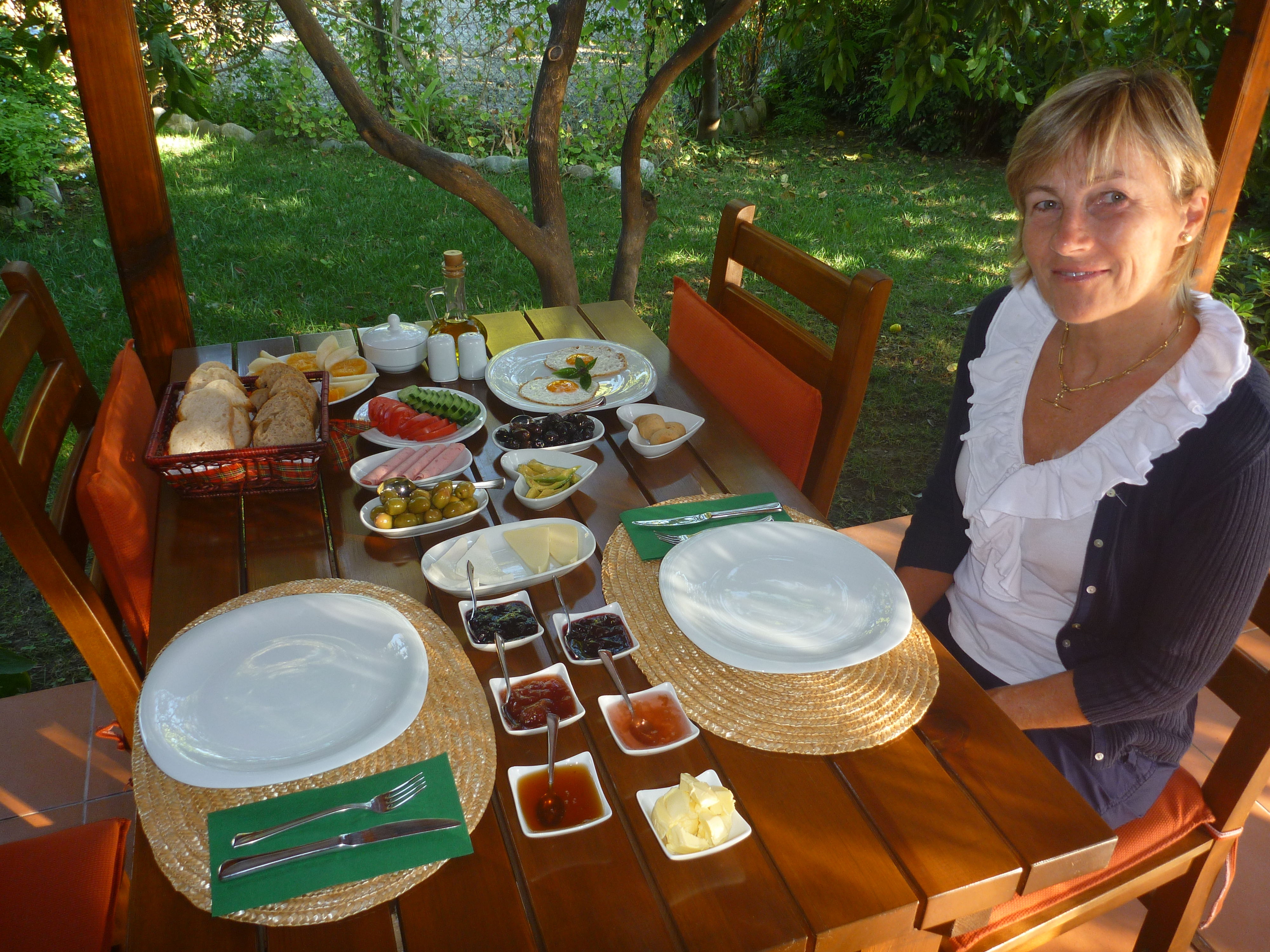
Rather than climb on and off the boat, we stayed back at Pruva Hotel, a good opportunity to enjoy Aylin and Sel’s wonderful breakfasts in their beautiful garden.

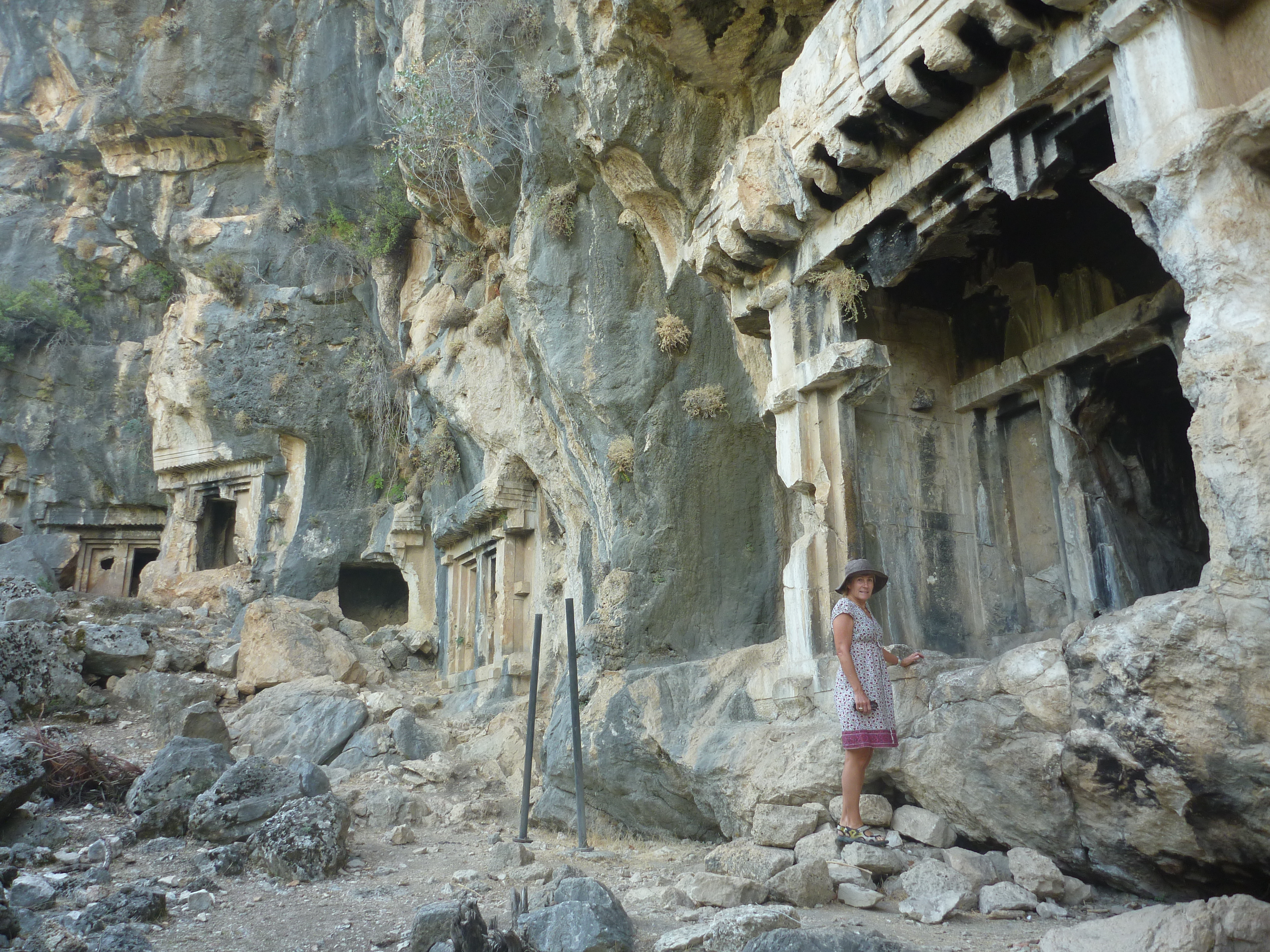
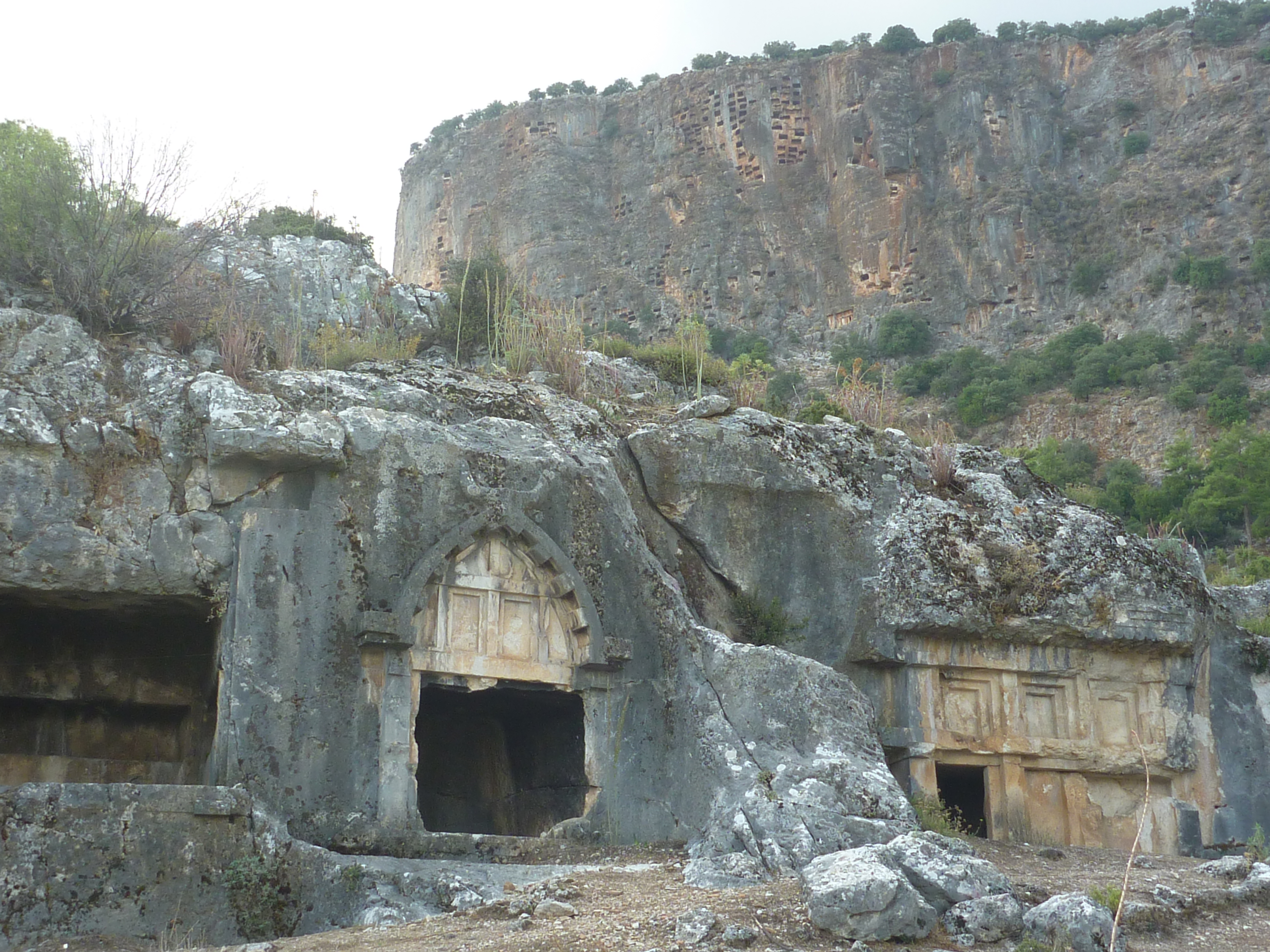
Also time for some sightseeing – the ancient sites of Pinara and Tlos, a short drive from Gocek. Pinara is accessed via a small road off the highway just north of Esen – not easy to find. The rather overgrown ruins are in a spectacular rugged setting. It is hard to imagine how the people managed to dig the large number of ‘pigeon’ rock tombs into the high, vertical rock face overlooking the site.

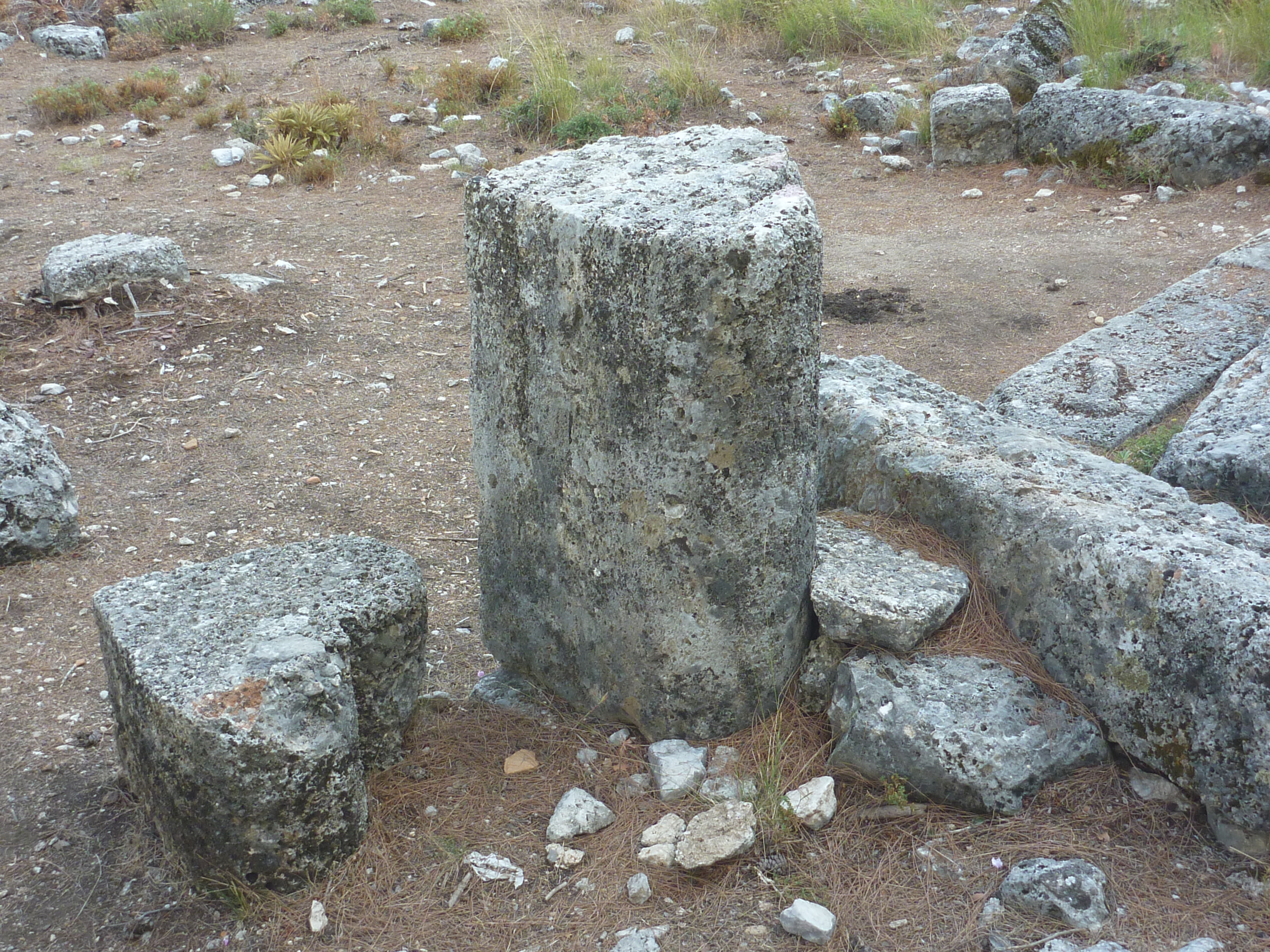
We managed to find the unusual heart shaped pillars and nearby penis relief on a column, part of the original temple to Aphrodite – who says the Greeks weren’t romantic?

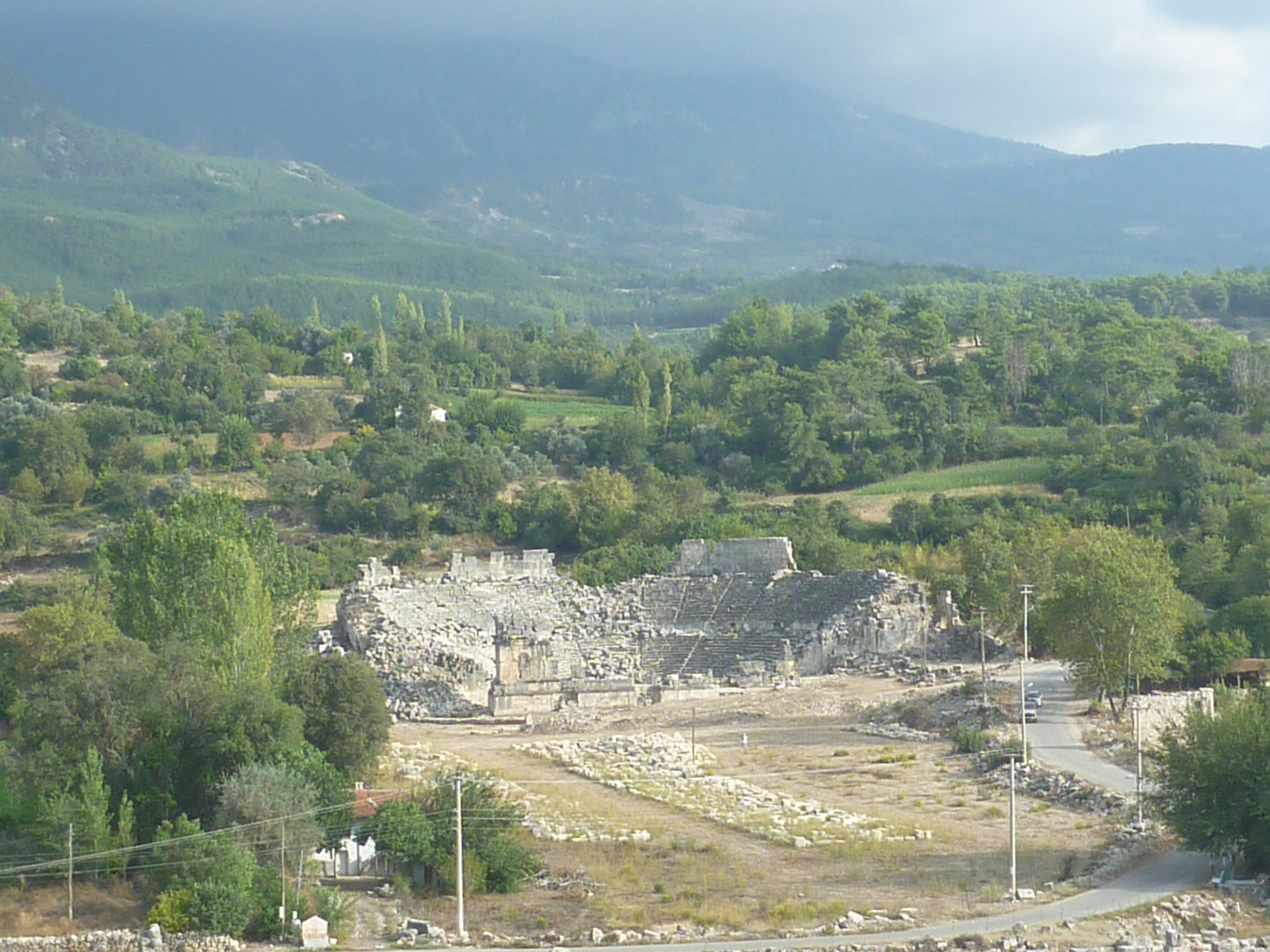
Tlos, has many intact Lycian tombs cut into the rock face in seemingly impossible places to access; the Roman baths, an amphitheatre and remains of recent (19th C) Ottoman castle atop the hill.

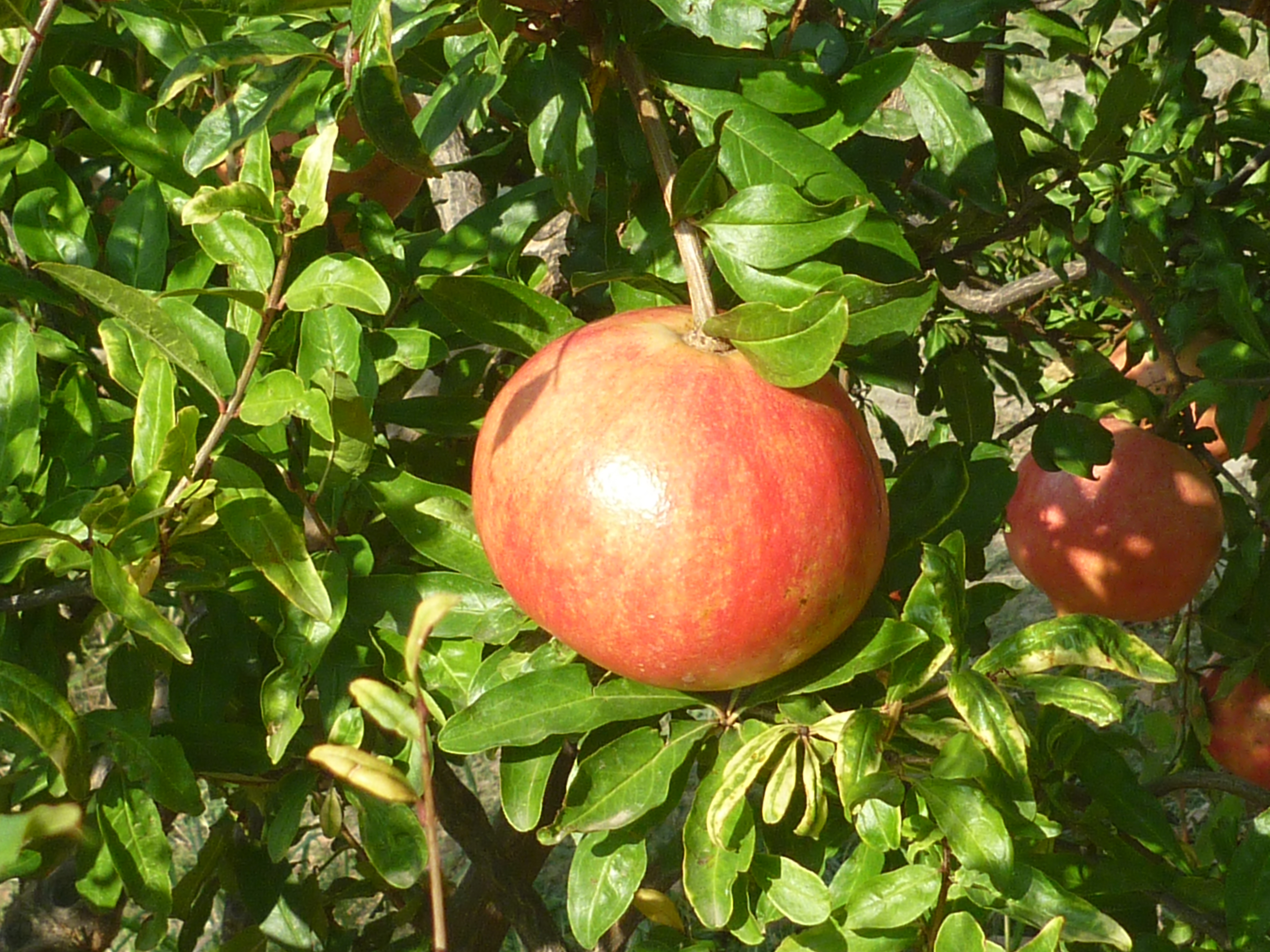
The rich, fertile farmland between the Pinara and Tlos has field after field of pomegranate trees, particularly pretty at this time of year with their colourful fruit.

It was hard to leave Gocek as the weather was still warm and sunny, with charterers still arriving for sailing holidays. Quite different from last years storm and gale force winds during our last week aboard. With Sea Cloud covered and on the hardstand we returned to jobs and families in Sydney until next April.

September in Western Turkey

September – Italy – Marmaris to Didim

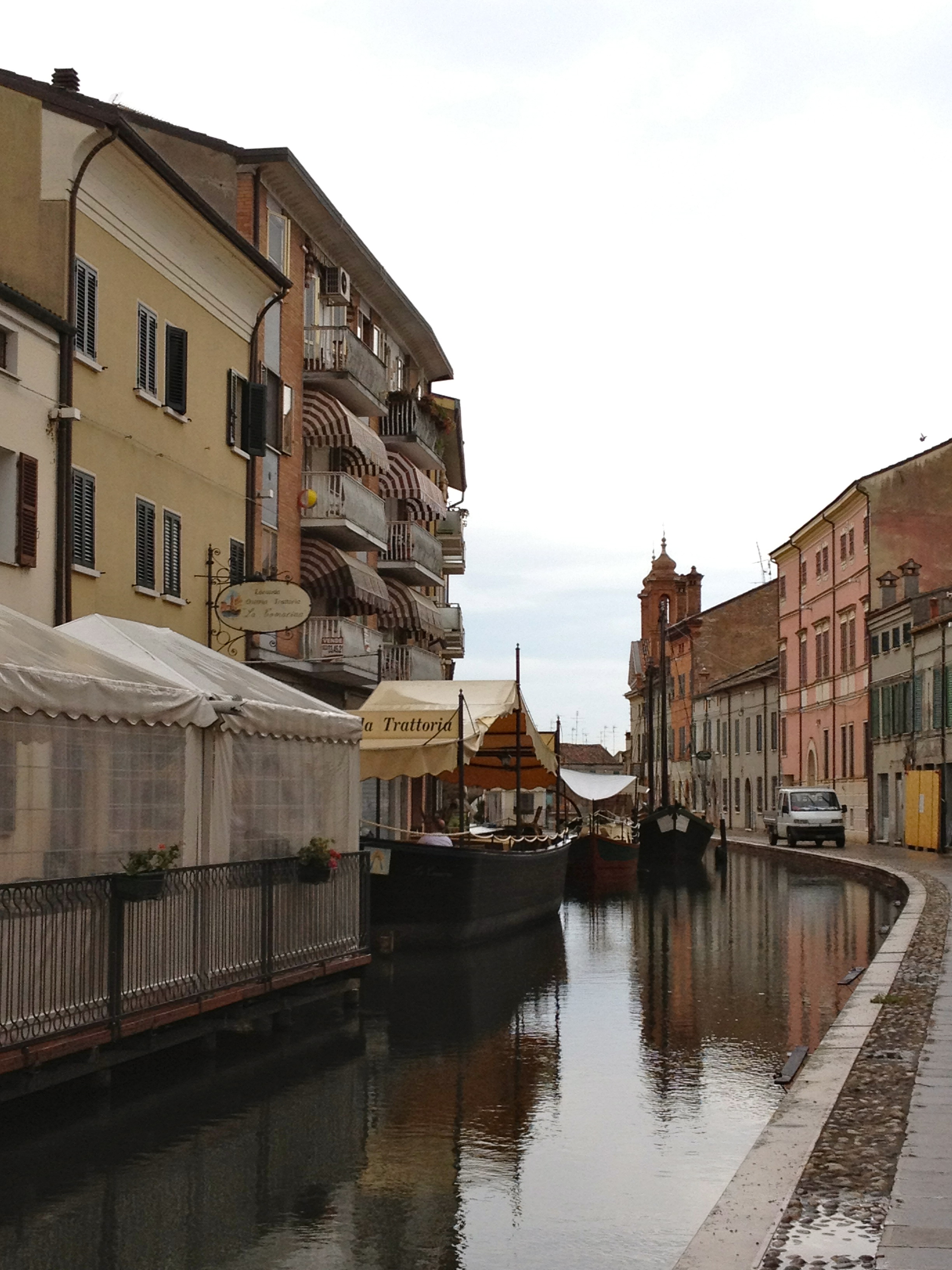
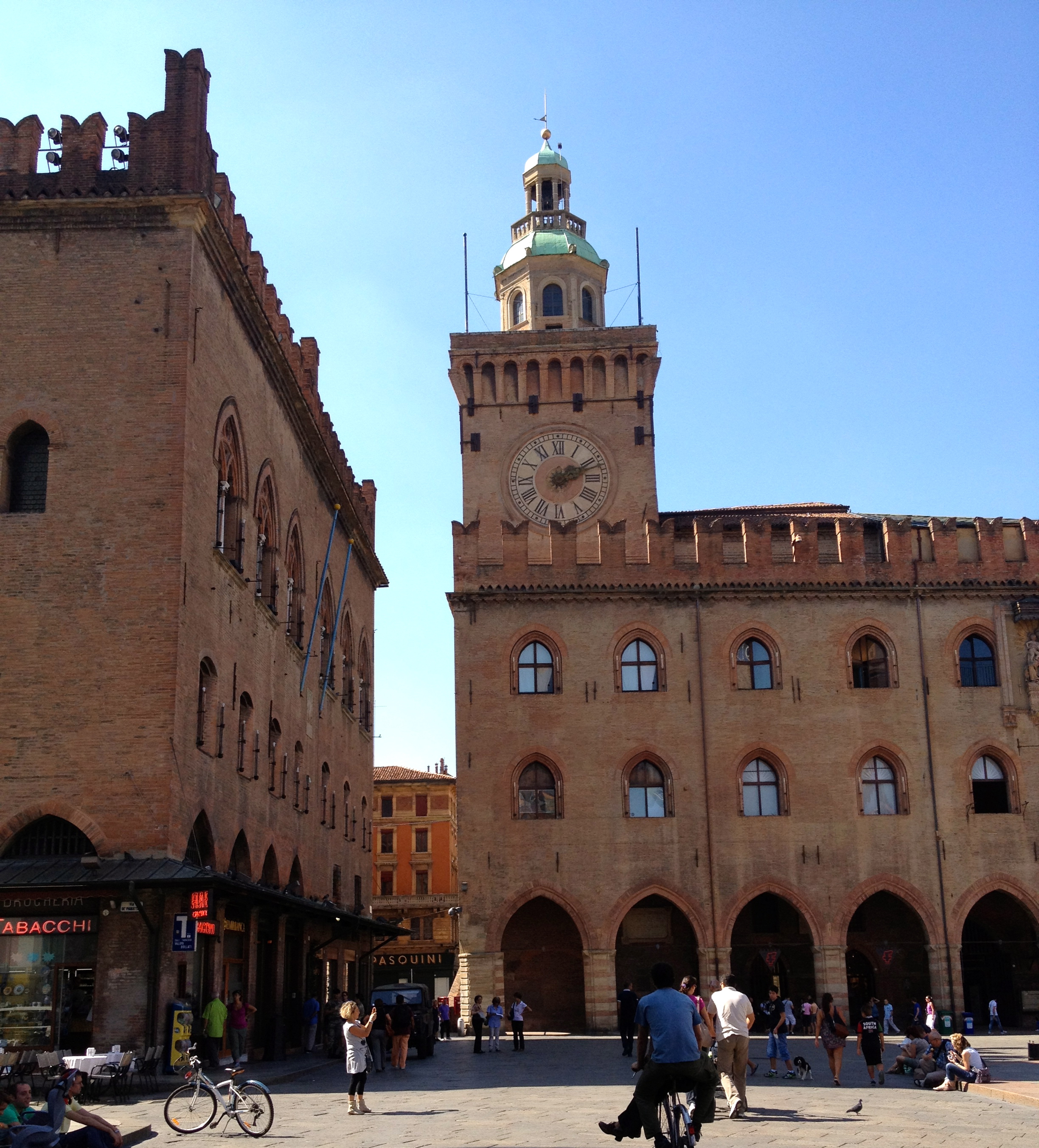
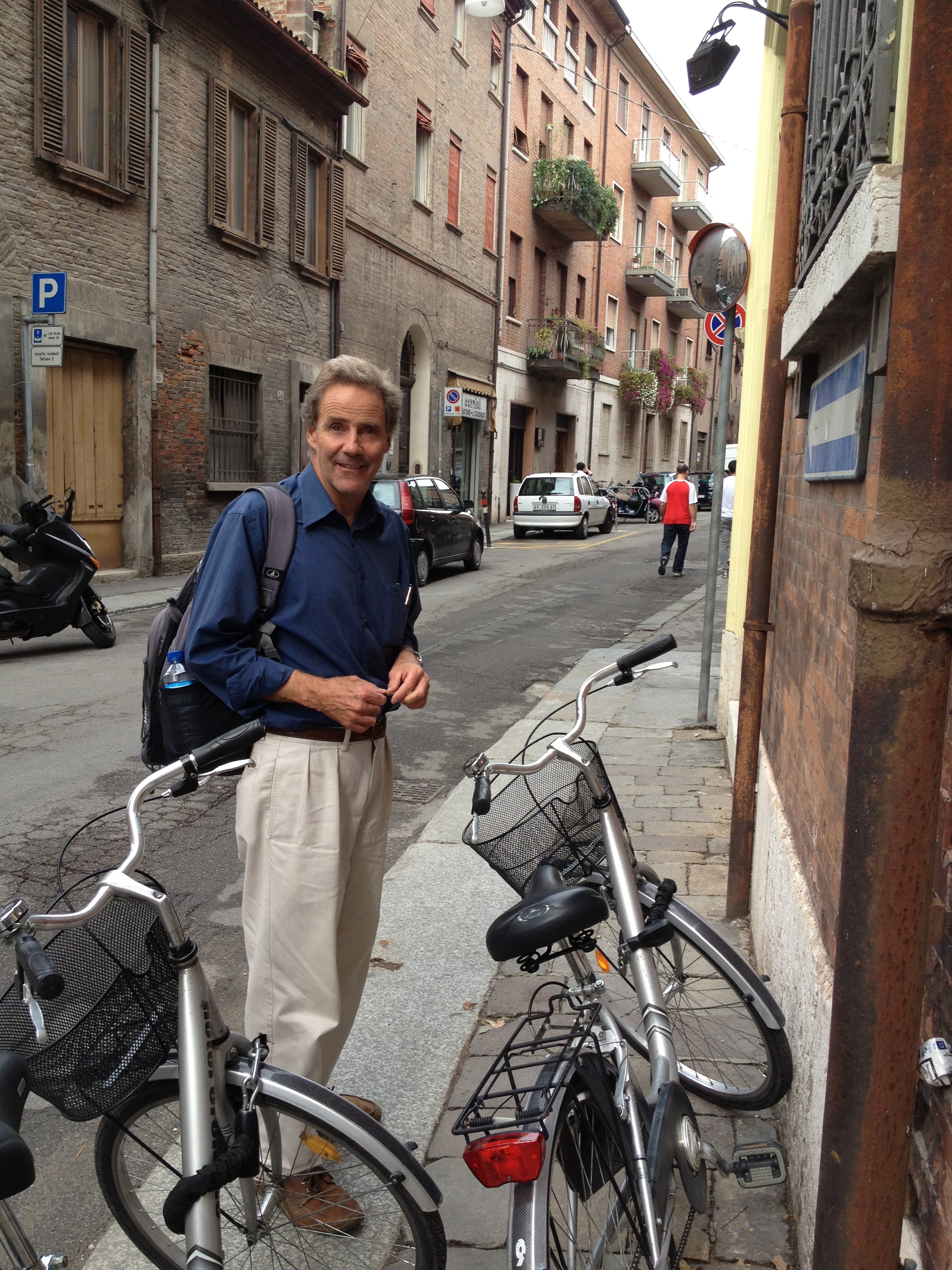
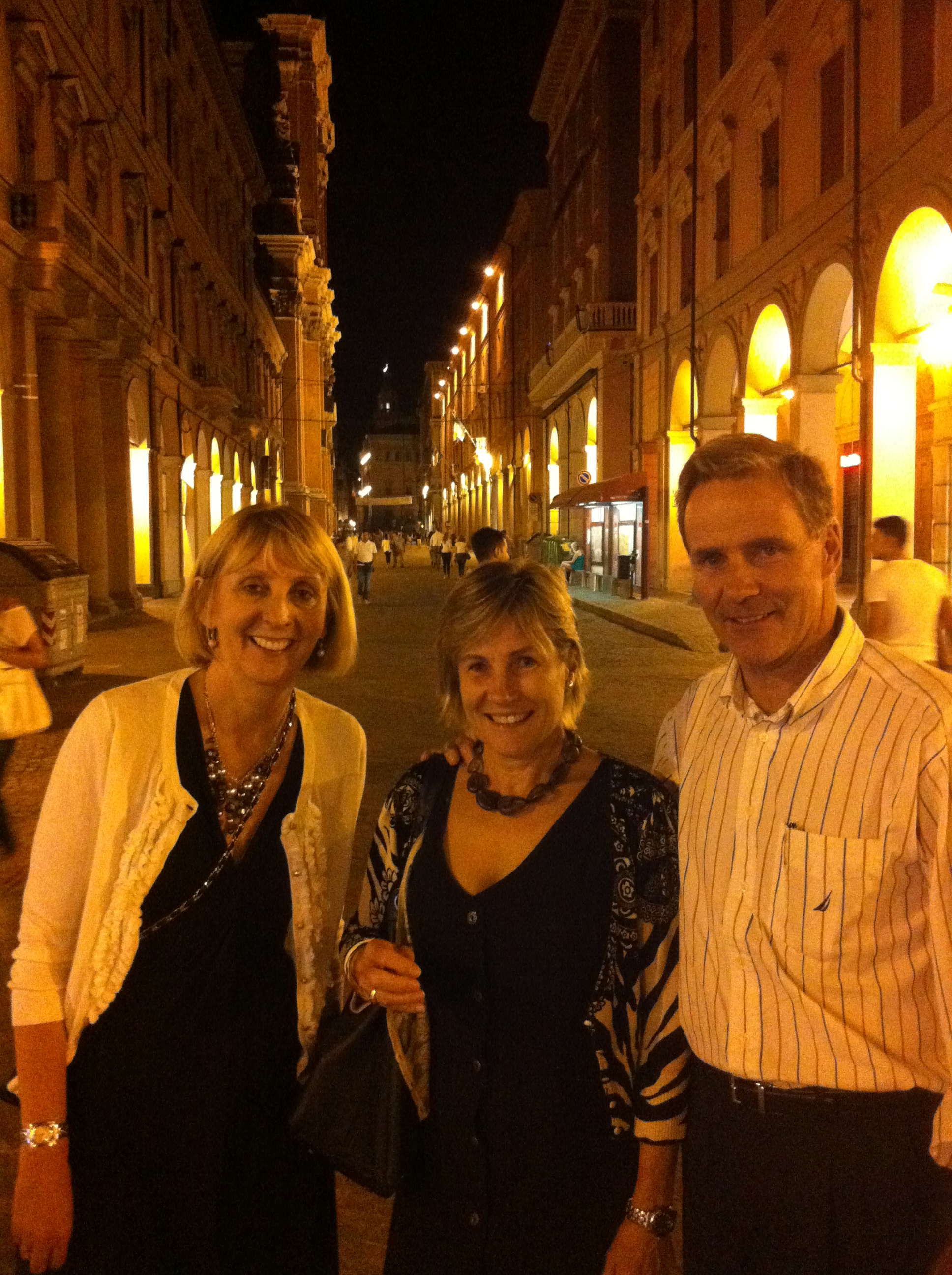
Our month of work and catching up with family and friends behind us, we returned to Sea Cloud Italy for some land content in conjunction with a conference in Bologna. We spent a few days driving, cycling and eating our around Ravenna, Ferrara and the Po Delta.  It was great to catch up with our good friends Beverley and Dwight in Bologna, in between conference sessions.

Cath’s brother David had arrived in Marmaris a few days before us, so we were all keen to get sailing. Reprovisioned and cleaned Sea Cloud in record time before a great sail to Bozuk Boku, albeit into a SW wind on the nose. There were 4 Hallberg Rassys in the bay that night, one being another Aussie HR48, Enki II (2005). It was great to finally meet  Alex and Diana with whom we had been corresponding intermittently by email for the past 18months.

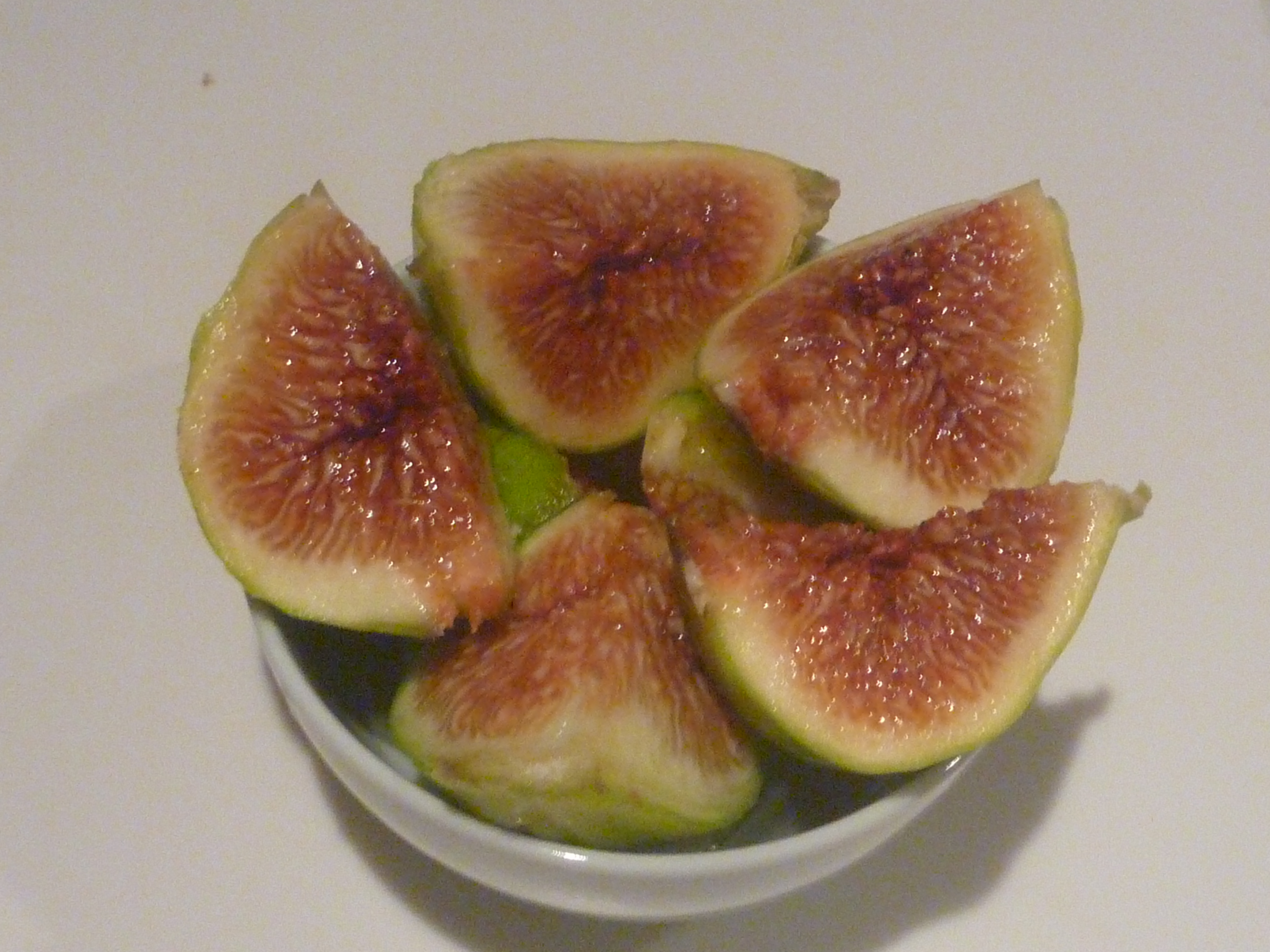
Bozburun and our favourite Kisel Adasi anchorage were the next stopping place. We were greeted as usual by ‘Mr Paradise’ in his small supply boat and the other locals who regularly visit the bay supplying us with fresh bread and this time, the most amazing fresh figs. Main problem is trying not to eat too many of them as it can give the heads quite a workout!

During our brief visit to Symi, where we anchored in Pethi (one bay south of the main harbour) we witnessed the distressing sight of a local moored yacht suddenly catching on fire. Terrifying to see how quickly the fire caught hold on this timber yacht. There was no sign of the fire brigade, just a group of nearby locals with buckets extinguishing the blaze.

Donkeys and horses are not just used to carry tourists in Greece, they are also used for lugging cement and building materials up the steep and narrow streets of Symi.

September is a great time to cruise, we were the only boat overnight in this lovely bay with its beautiful pebbly beach and just a few people camping on shore – also a good place to search for interesting coloured beech pebbles for Cath’s collection.

We had to show David Knidos and anchored in the bay in the calm to explore the ruins (originally Greek, C 350BC). The following morning the crowds were well and truly there, with gulets dumping anchors anywhere they could – often disturbingly close. That’s the price one pays for popular spots near ancient sites.

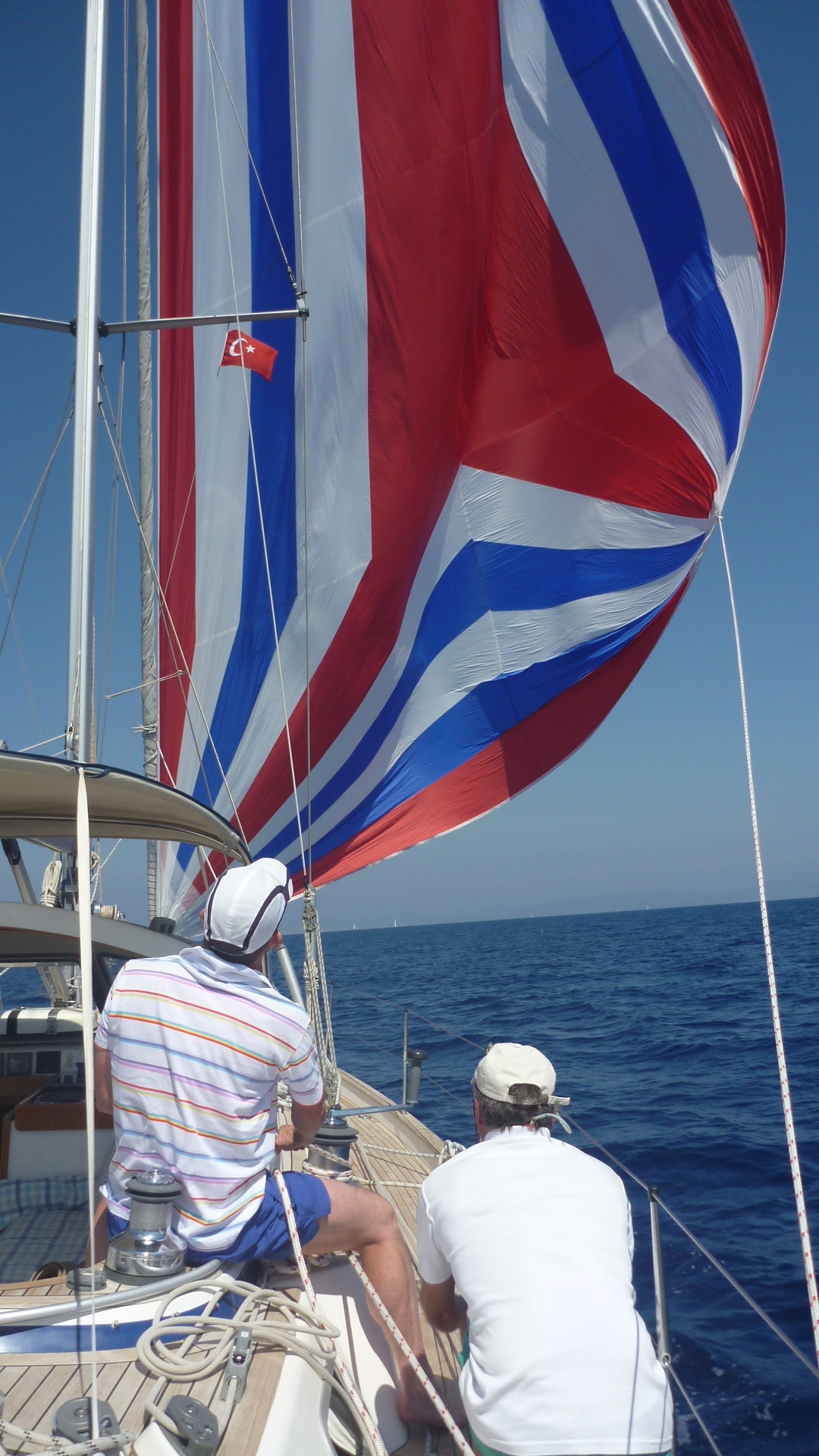
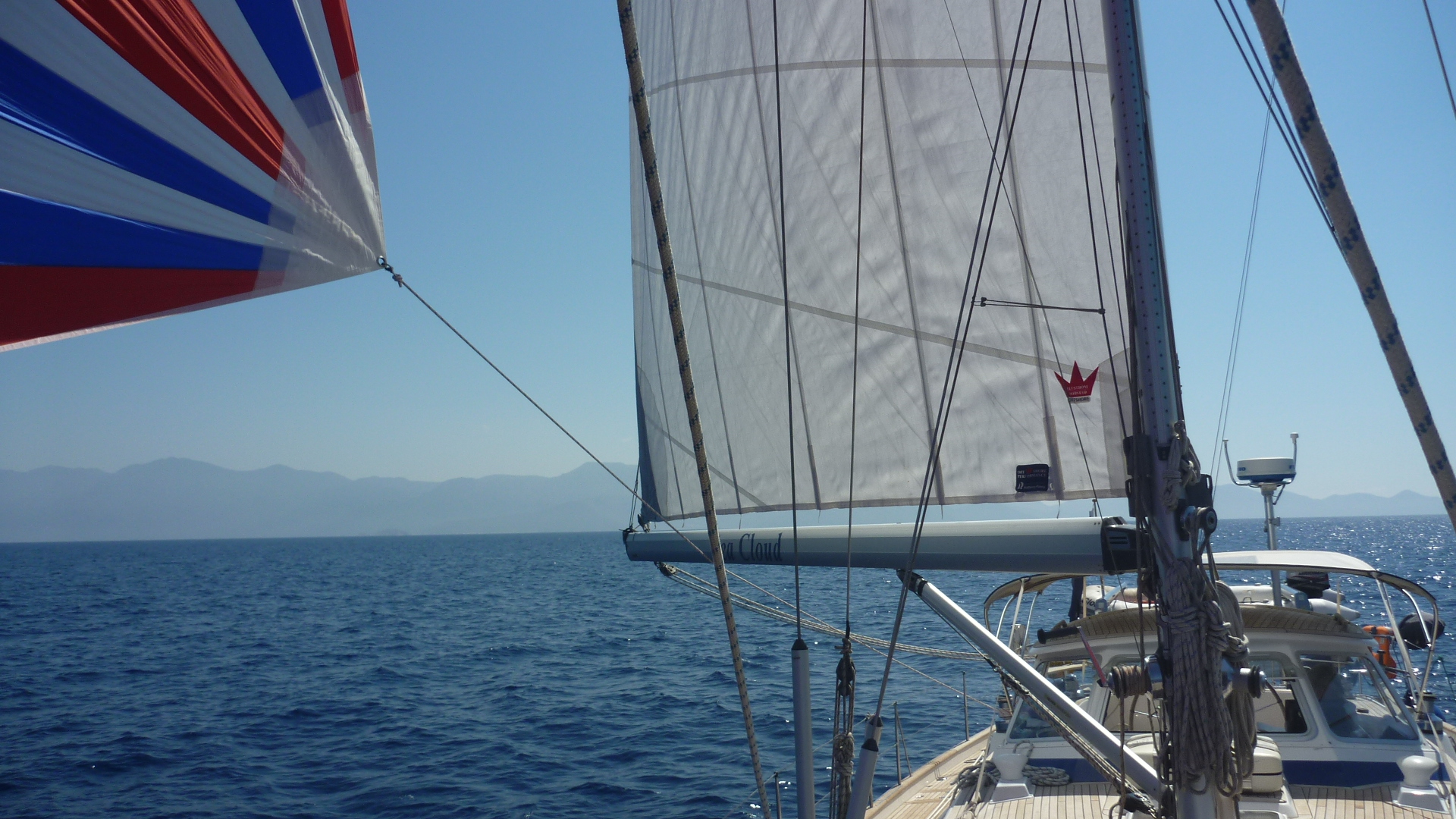
The light winds were the perfect opportunity to finally pull out the gear and put up our cruising chute. So easy to do, and such a pleasant sail in very light winds on our stern quarter.

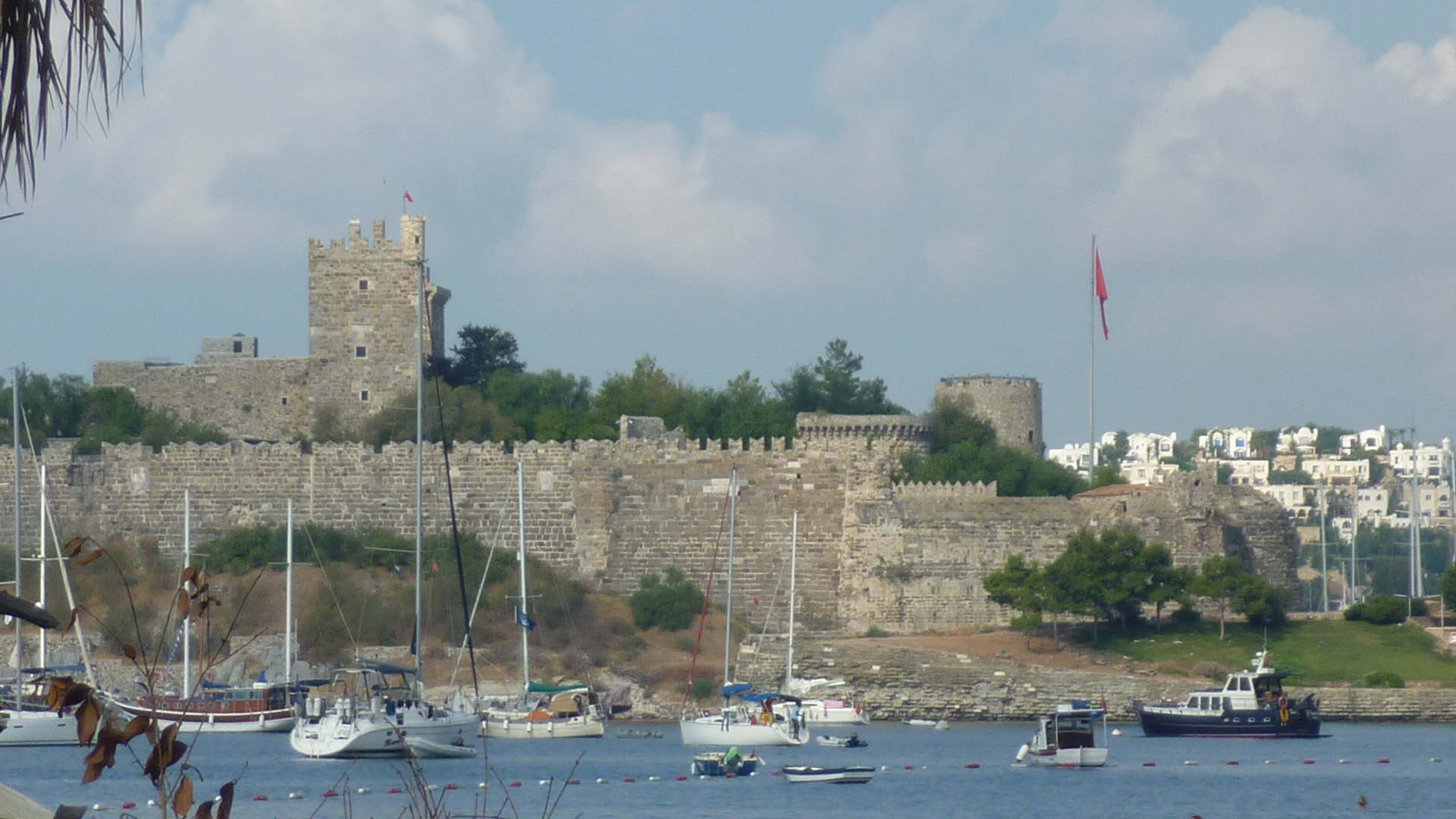
Bodrum, David’s drop off point was a good opportunity to reprovision and visit Kocadon, the restaurant we had been to previously. While David checked into his hotel, we watched the antics of a pair of very drunk, topless French girls who managed to smash glasses and dump pool furniture into the pool. The poor Turkish men staffing the hotel had to try to deal with these 2 who were only wearing very brief bikini bottoms.  Despite Ian’s enthusiasm to capture the event on film, I wouldn’t let him take photos of this for the blog! We enjoyed our view of Bodrum Castle from Sea Cloud, but didn’t appreciate being so close to the nightclubs – not much sleep that night!

With David on his way to explore more of Turkey, we escaped Bodrum to the peace and quiet of the beautiful Catalada Island where we were one of 3 boats overnight.

We had a late change of plan, heading north rather than south. We based ourselves and the new Didim Marina so that we could explore the sites of Pergamon and Ephesus and the smaller, less touristy sites around Didim (Didyma, Priene & Miletus).

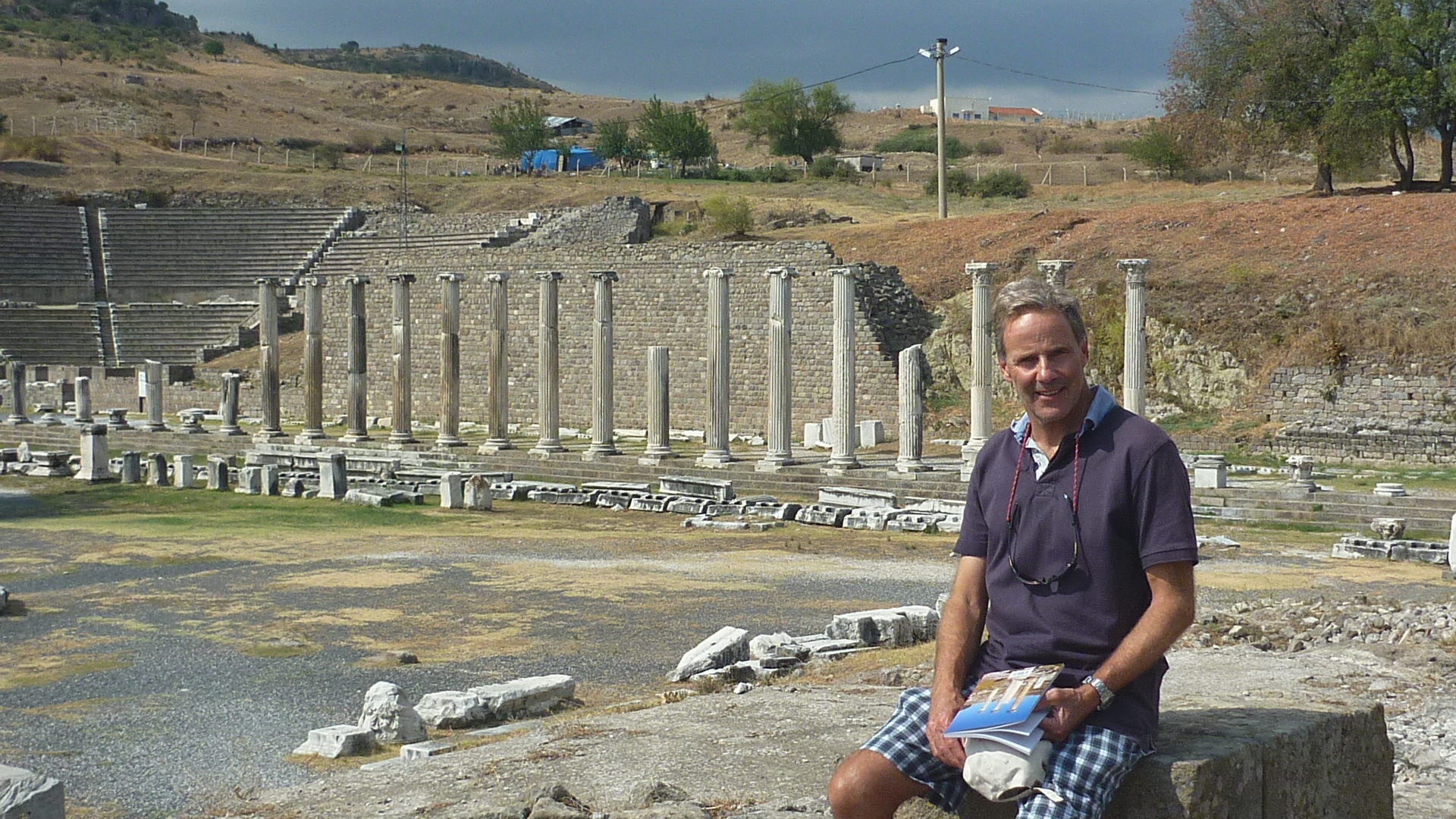
The Asclepion, on the edge of modern Pergamon, was once connected to the main Acropolis on the mountain  by a 4km long colonnaded road. It was a beautiful site, with temples, an amphitheatre and a ‘healing’ spring, now a feeding a pool occupied by tortoises.

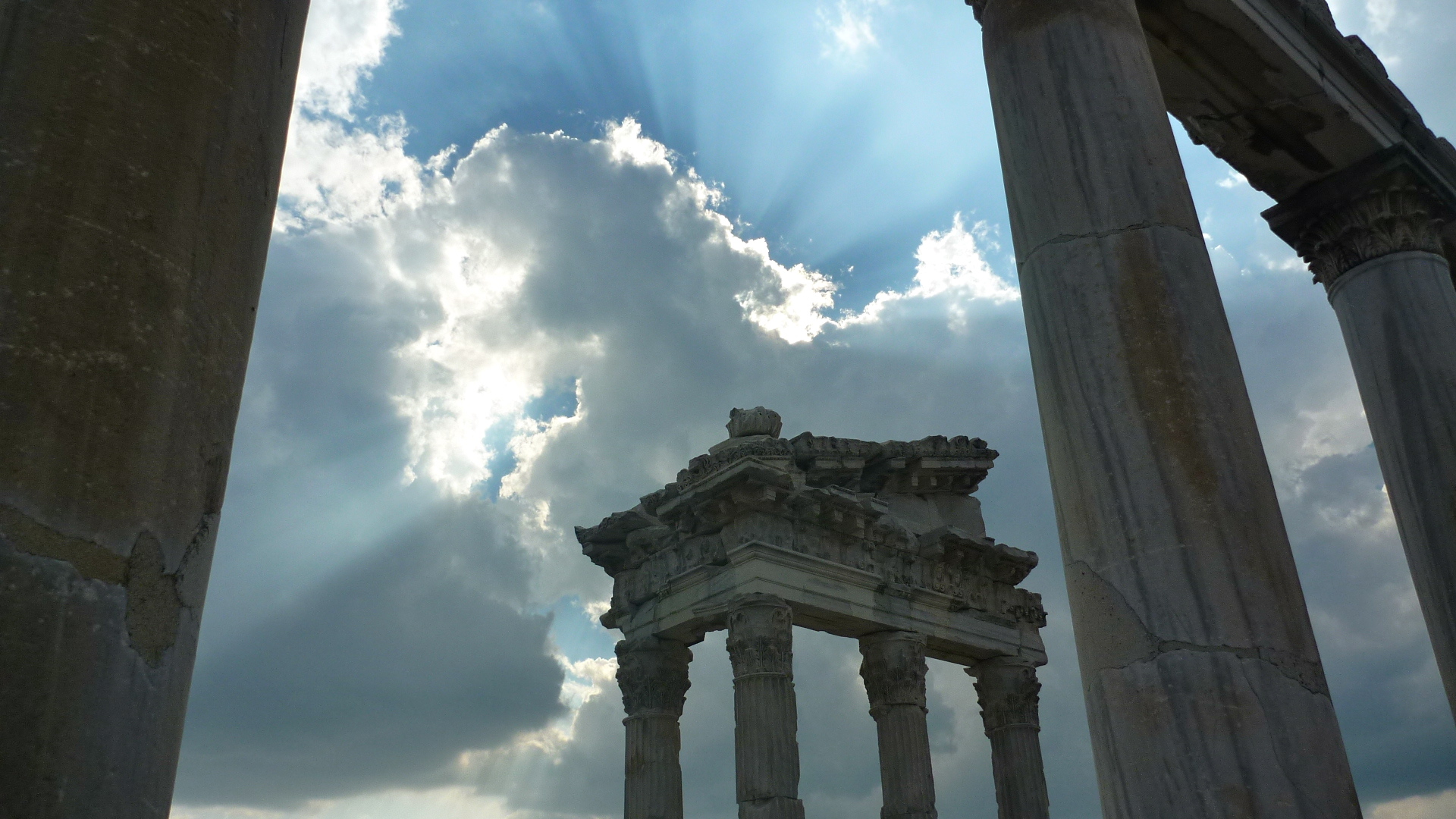
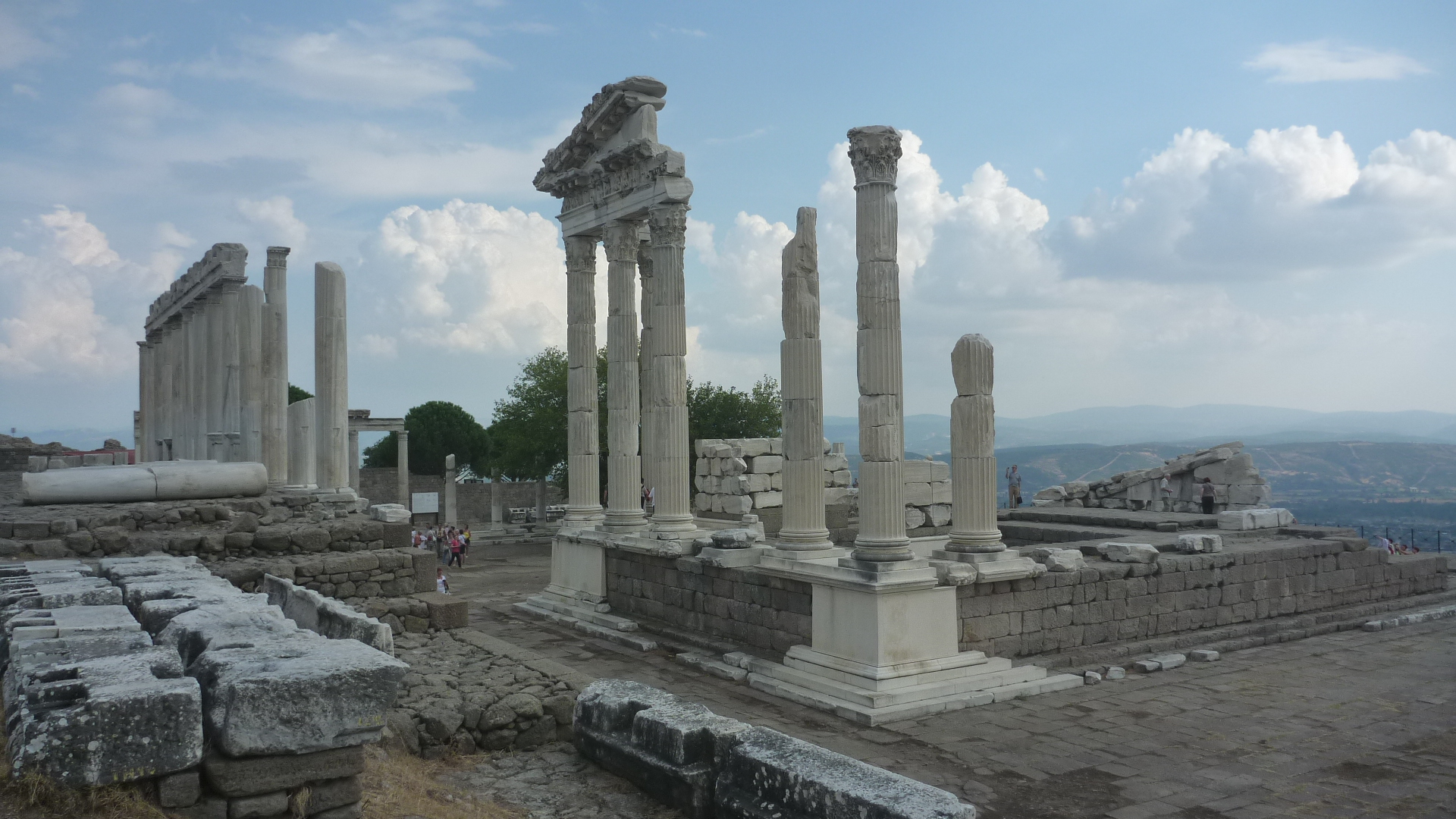
Over the temple of Apollo, the gods turned on the first clouds we’d seen in 4 months, highlighting the grandeur of the Pergamon Acropolis, a spectacular site perched on a mountain overlooking the town. We spent quite some time searching for the wonderful temple of Zeus which has been transported piecemeal and now lives in the Pergamom museum in Berlin. All that remains is the foundation and a few rocks under two trees. (PS: Pergamon museum is a must see in Berlin)

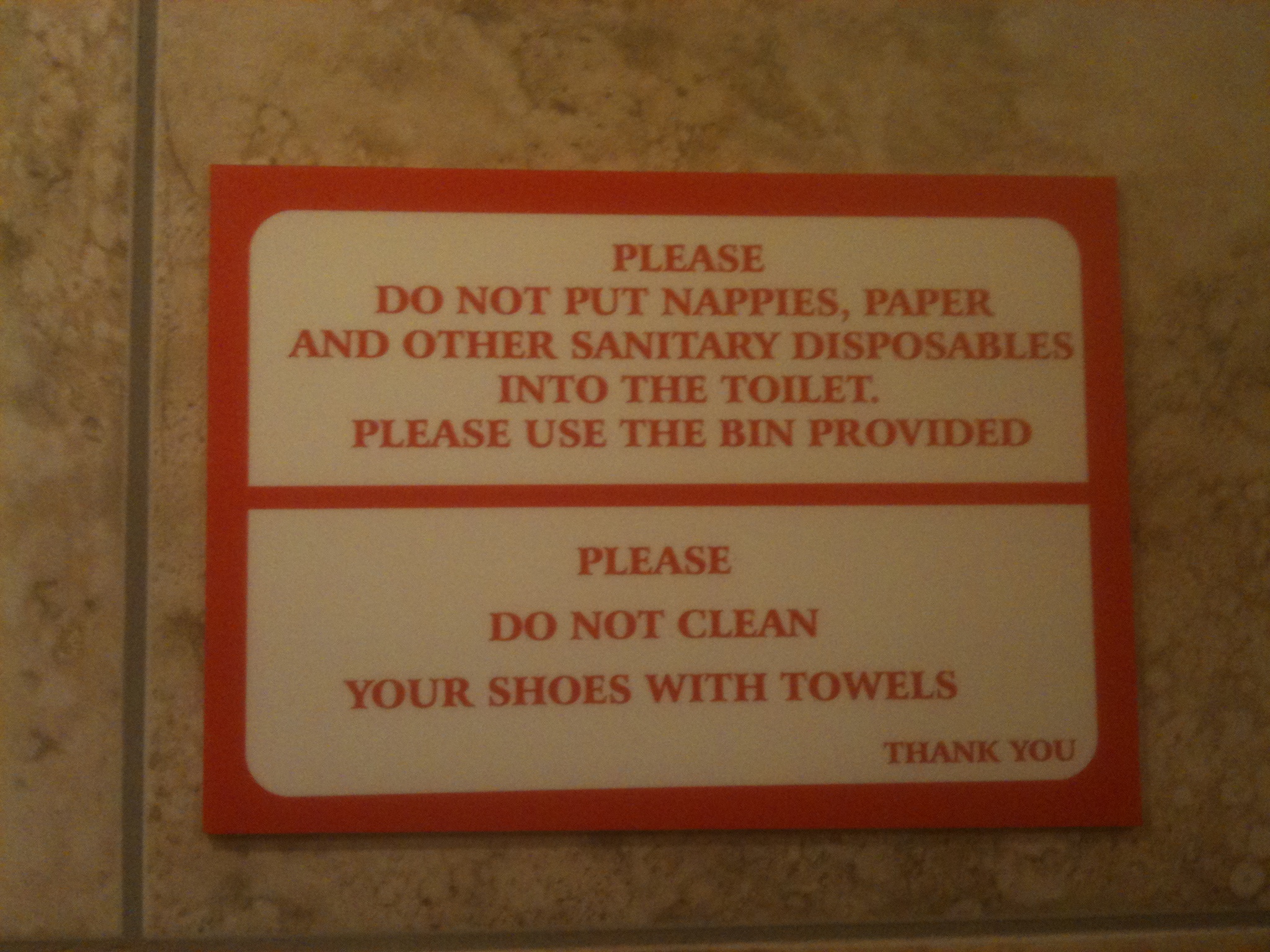
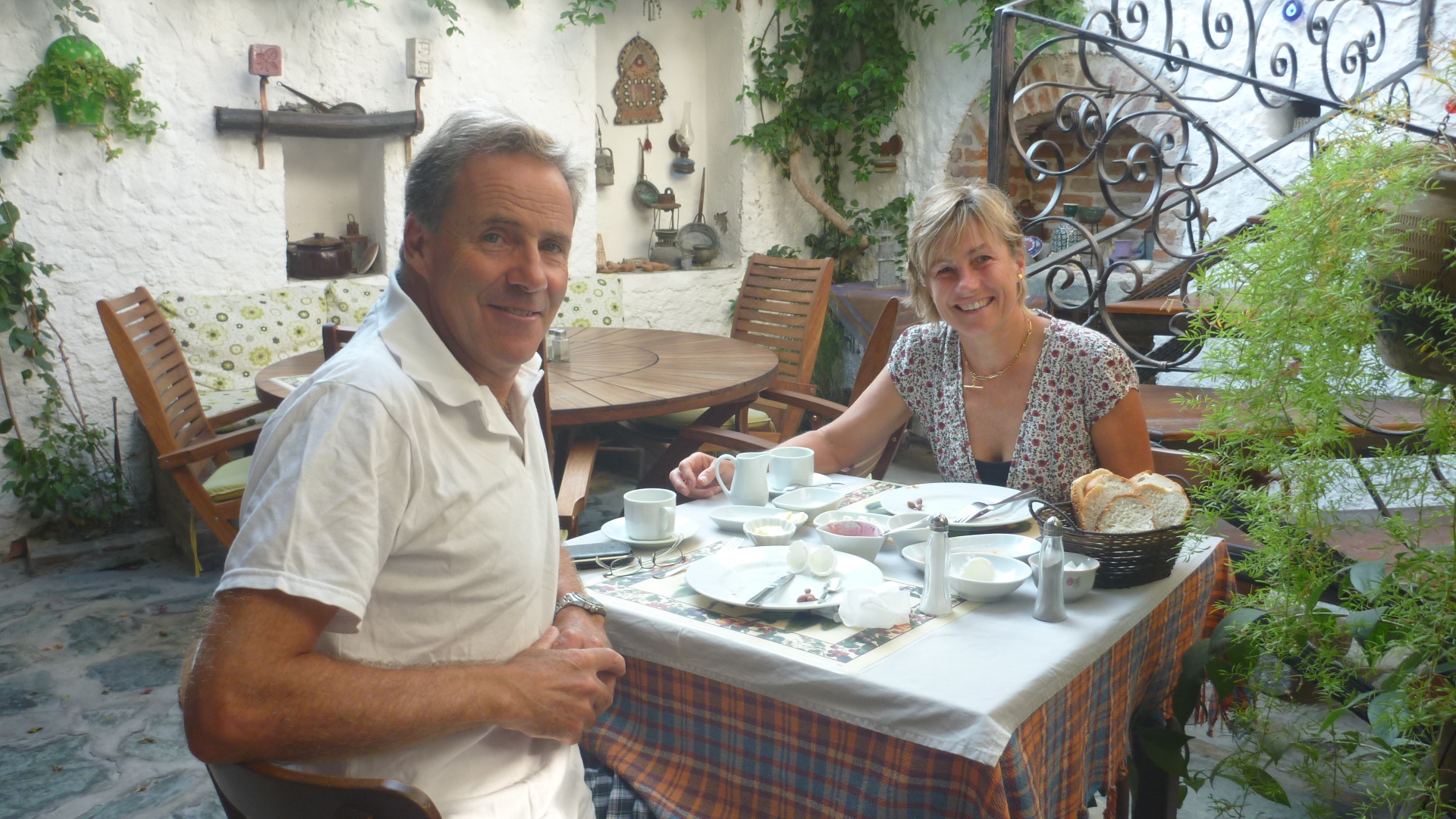
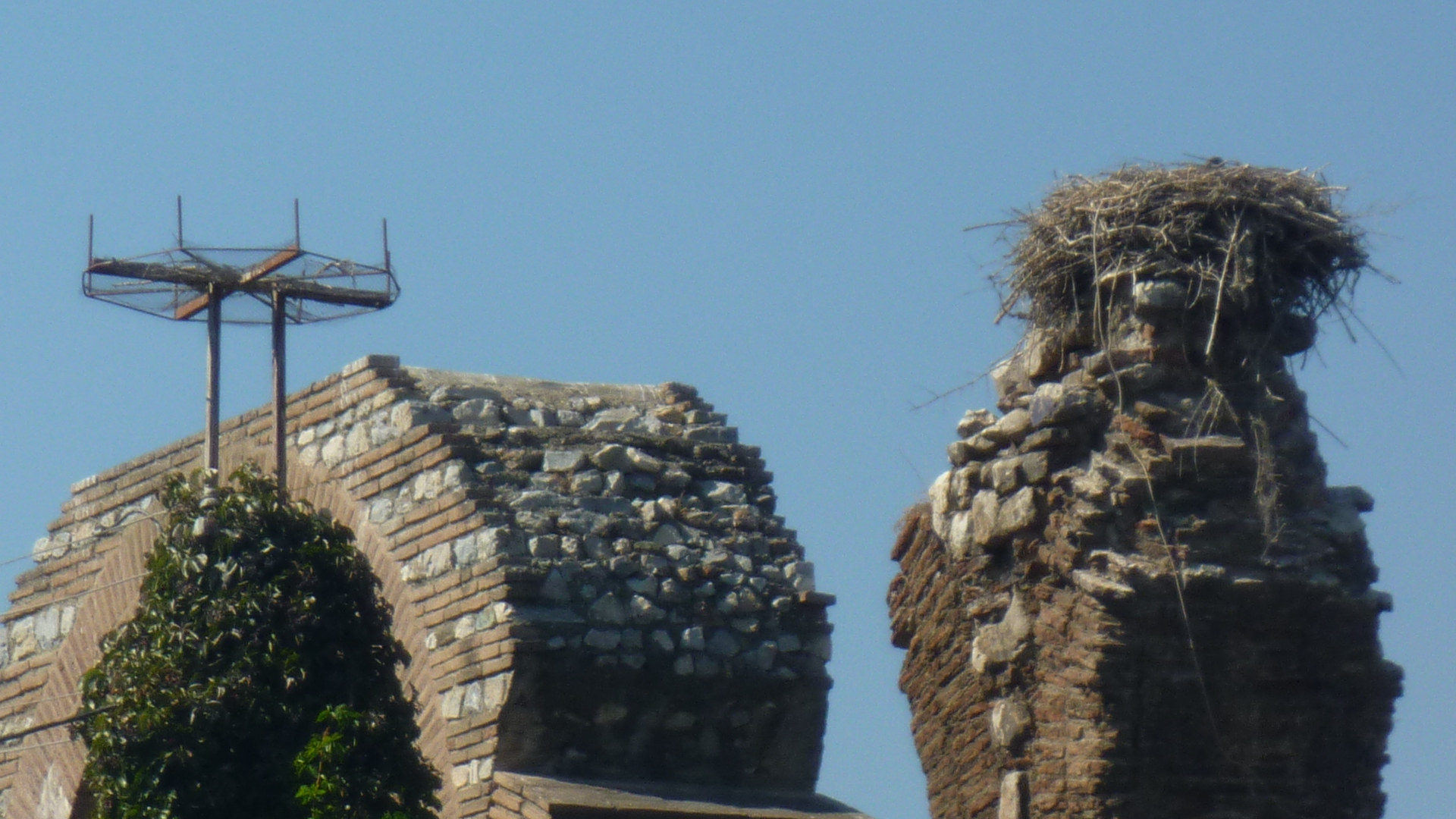
Selcuk with it famed storks nests was a very convenient land base as it was so close to Ephesus. Our cute little hotel with its pleasant internal courtyard (and interesting bathroom sign) overlooked the stork nests perched atop the Roman aqueduct running through the town. Apparently storks nest in Selcuk each summer before their southward migration, but unfortunately had left by the time we arrived. Selcuk, the closest town to Ephesus and was surprisingly peaceful, with a good range of restaurants and accommodation. Much less hectic than Kusadasi where most people stay en route to Ephesus.

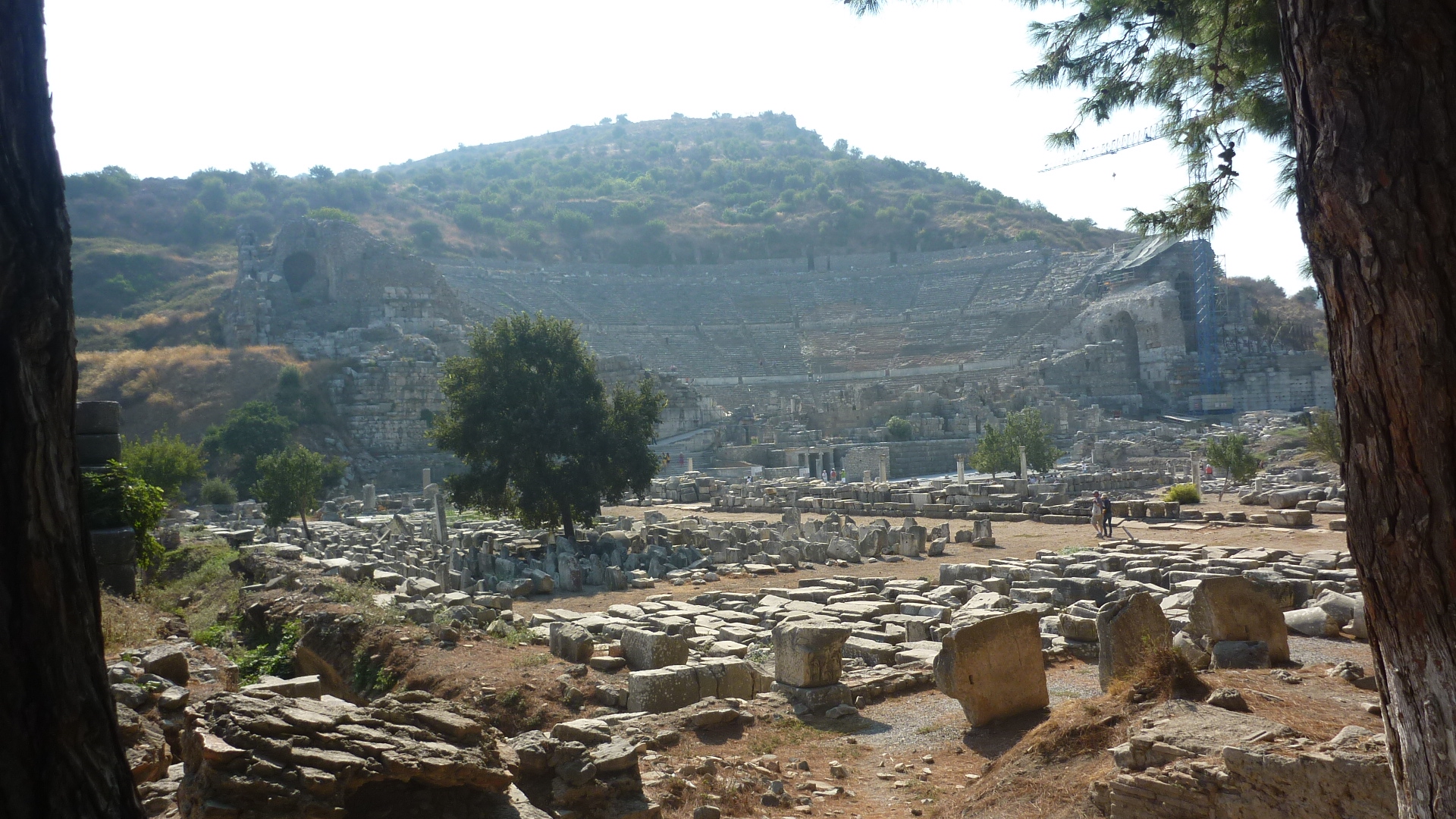
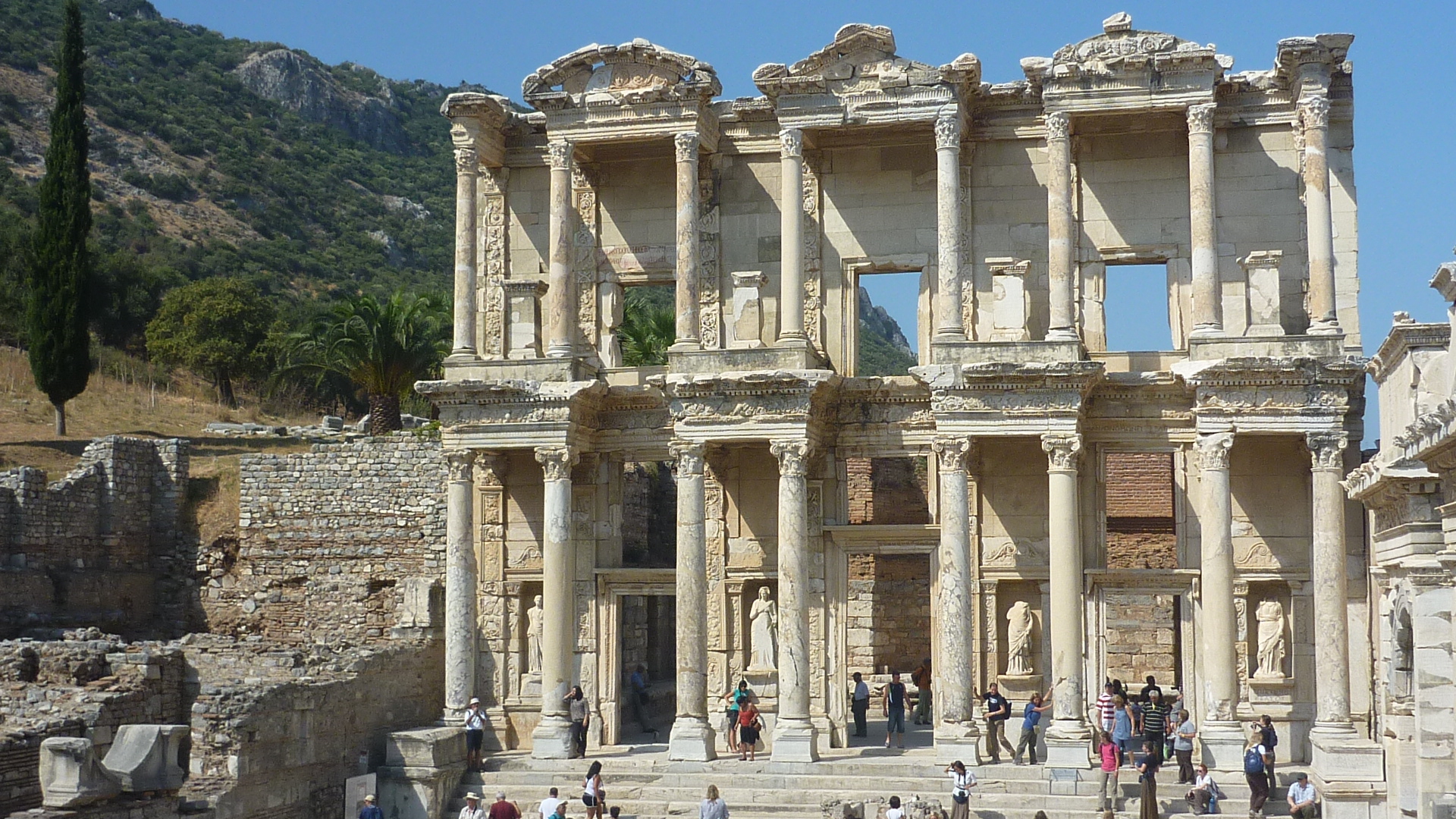
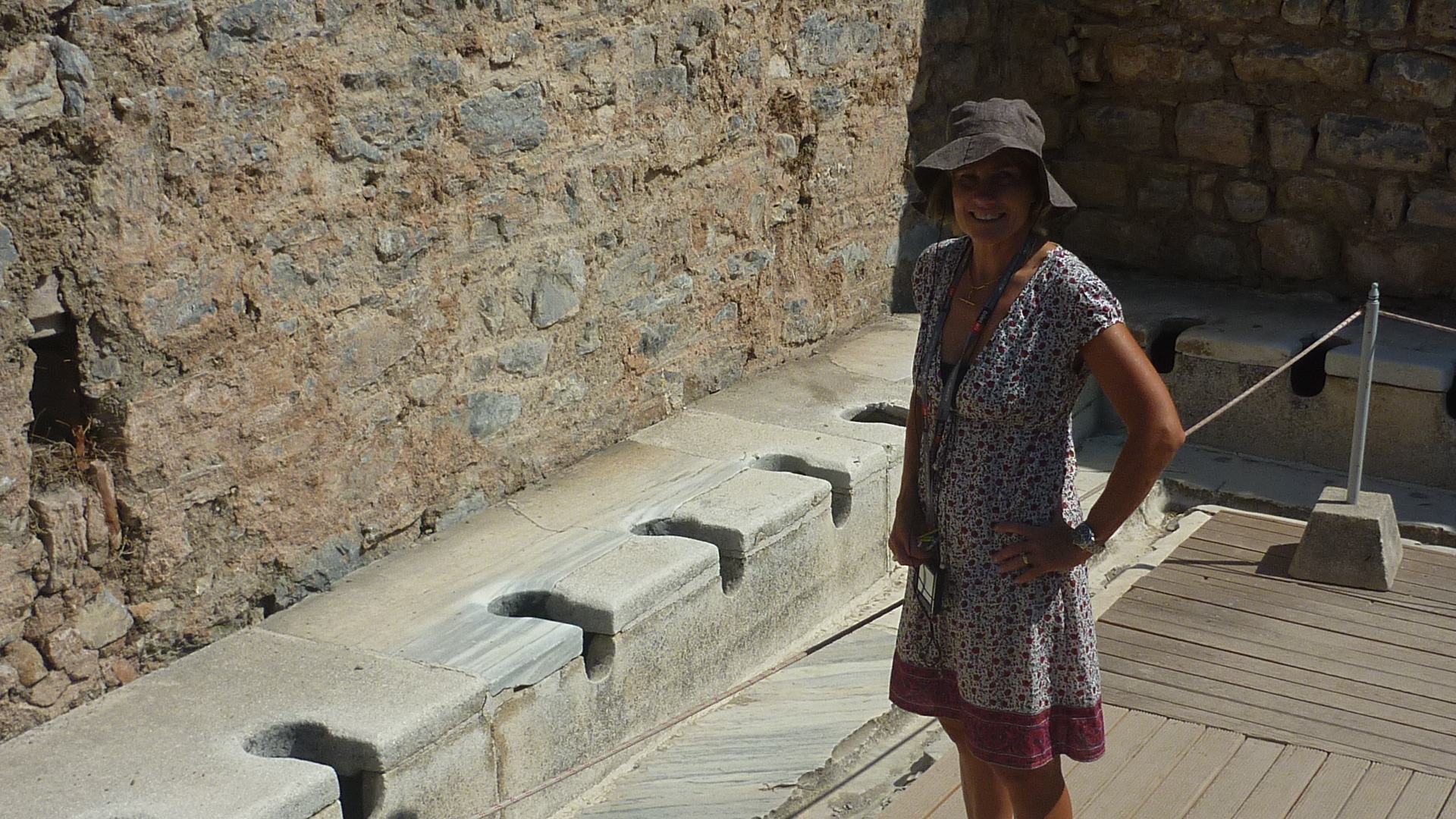
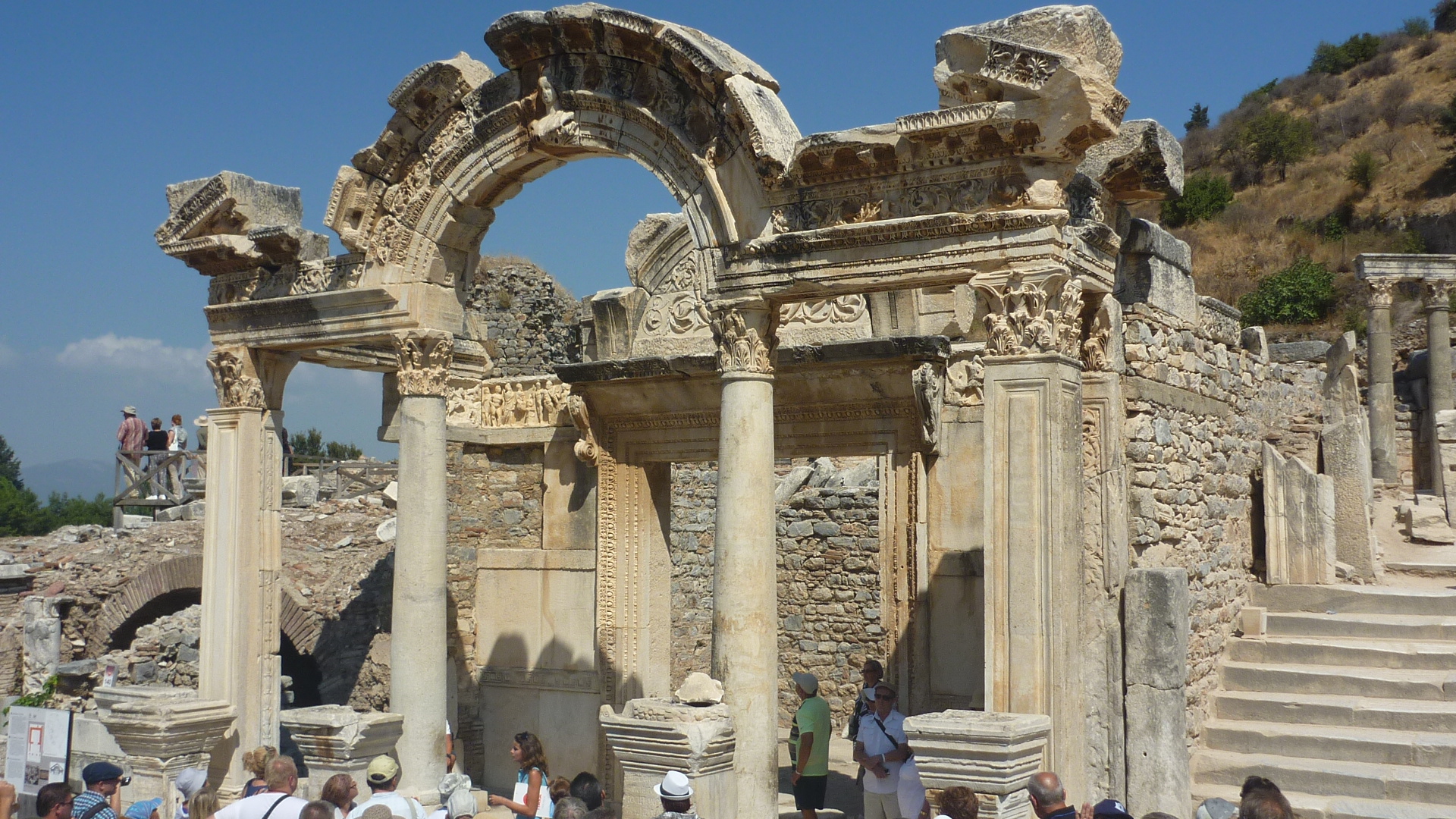
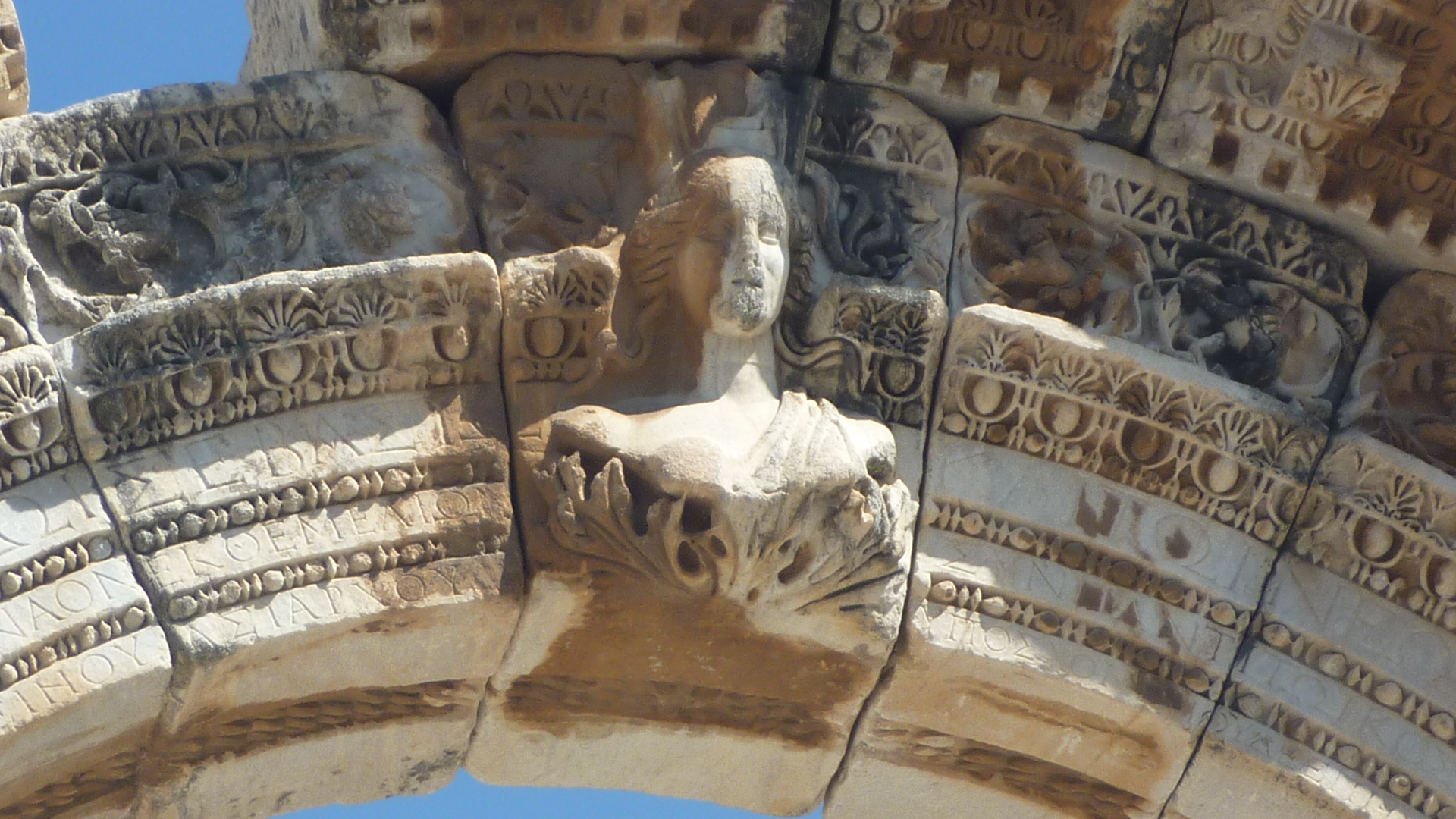
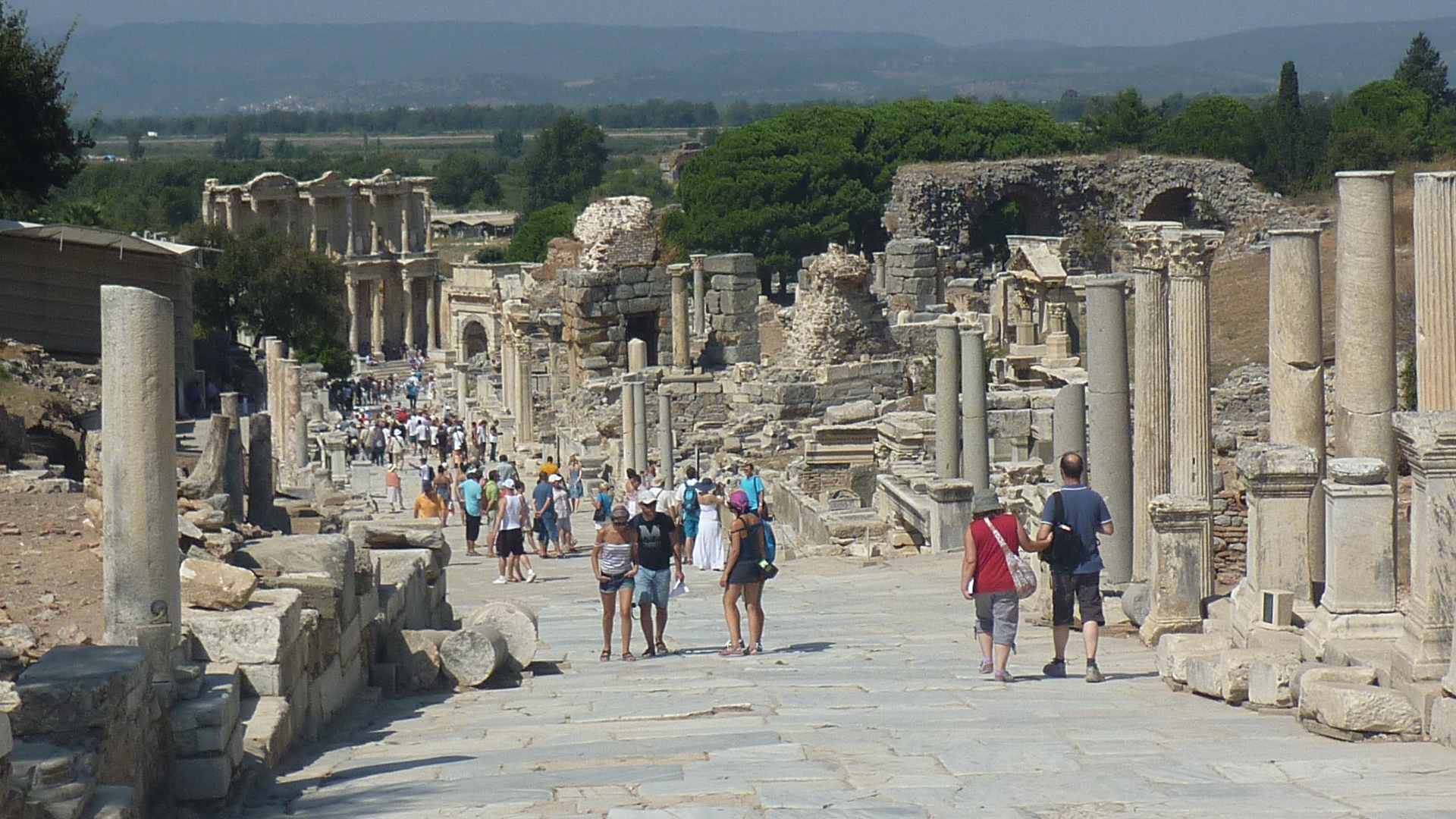
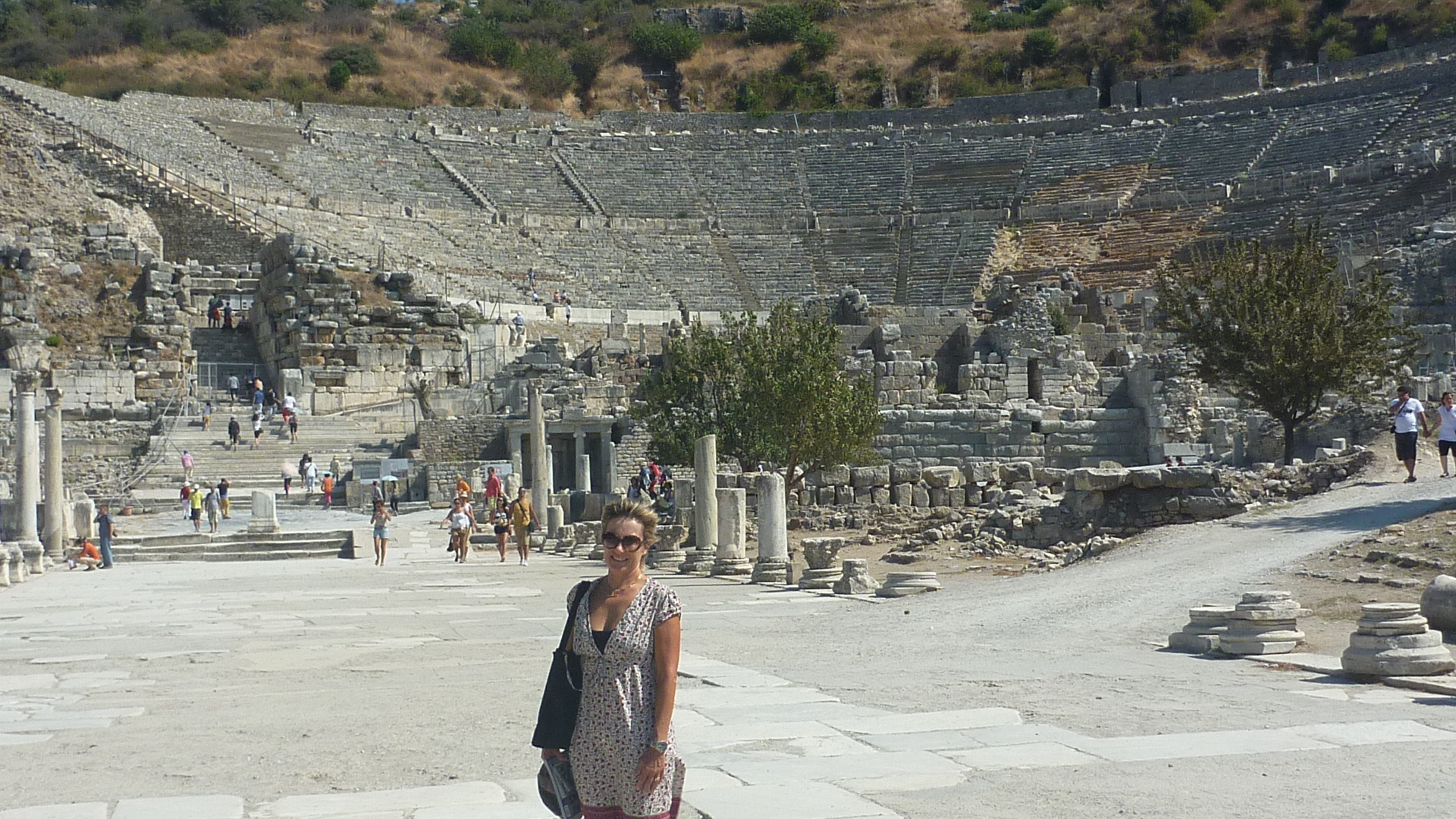
Ephesus was definitely the most extensive, but also busiest site we have visited in Turkey. Unfortunately a cruise ship had disgorged its passengers that morning. Nonetheless, this site truly incredible; very expansive with enough intact and (some say over-) reconstructed structures for one to picture the buildings and aspects of daily life here in its time.

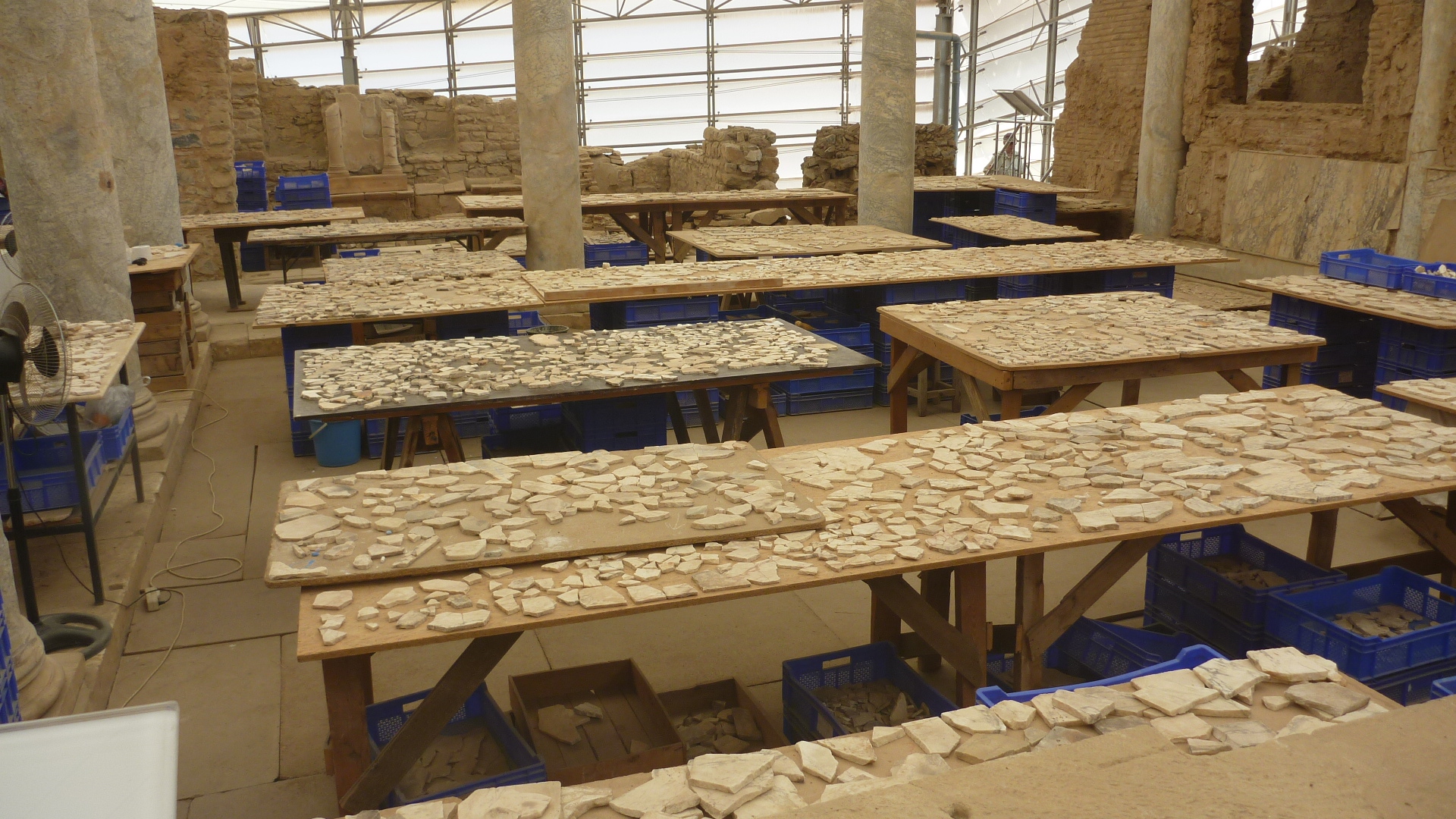
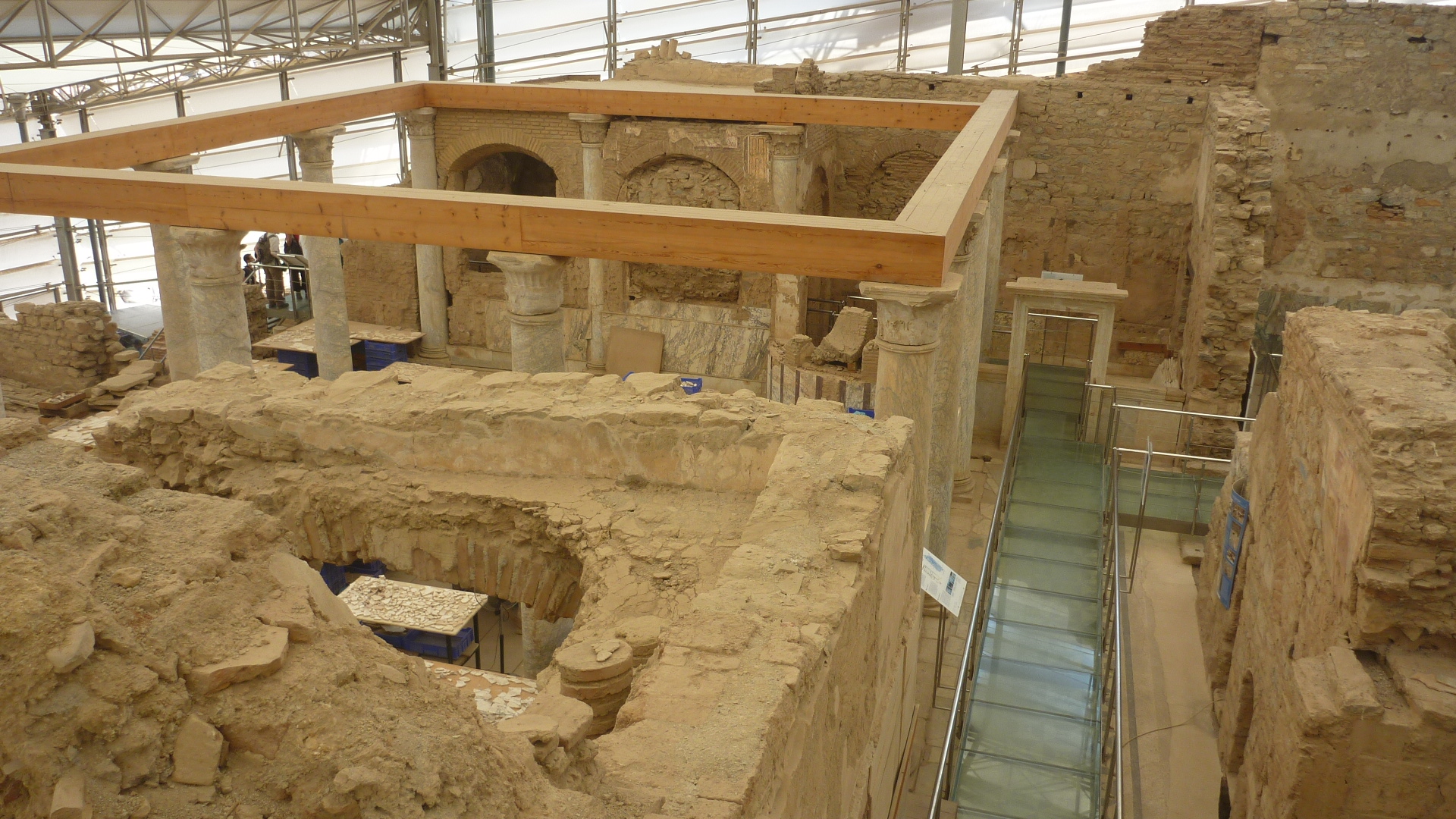
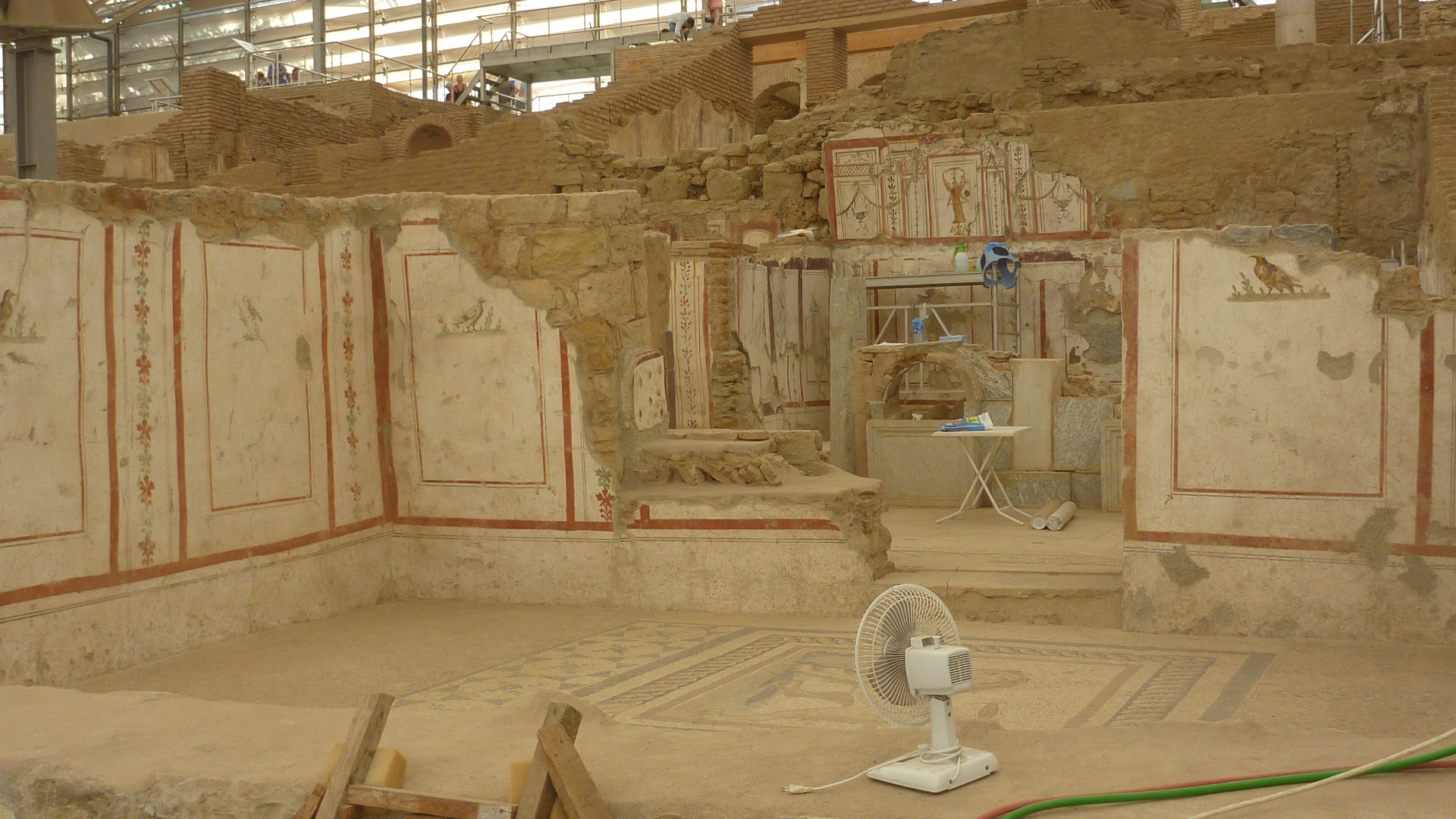
Very impressive is the covered hillside terraced houses – a glass structure (Austrian-sponsored) covering the excavated ruins of some very substantial terraced houses with surprisingly well preserved mosaics and wall frescoes. For the serious jig-saw experts, there is always a job going in order to reconstruct the marble flooring.

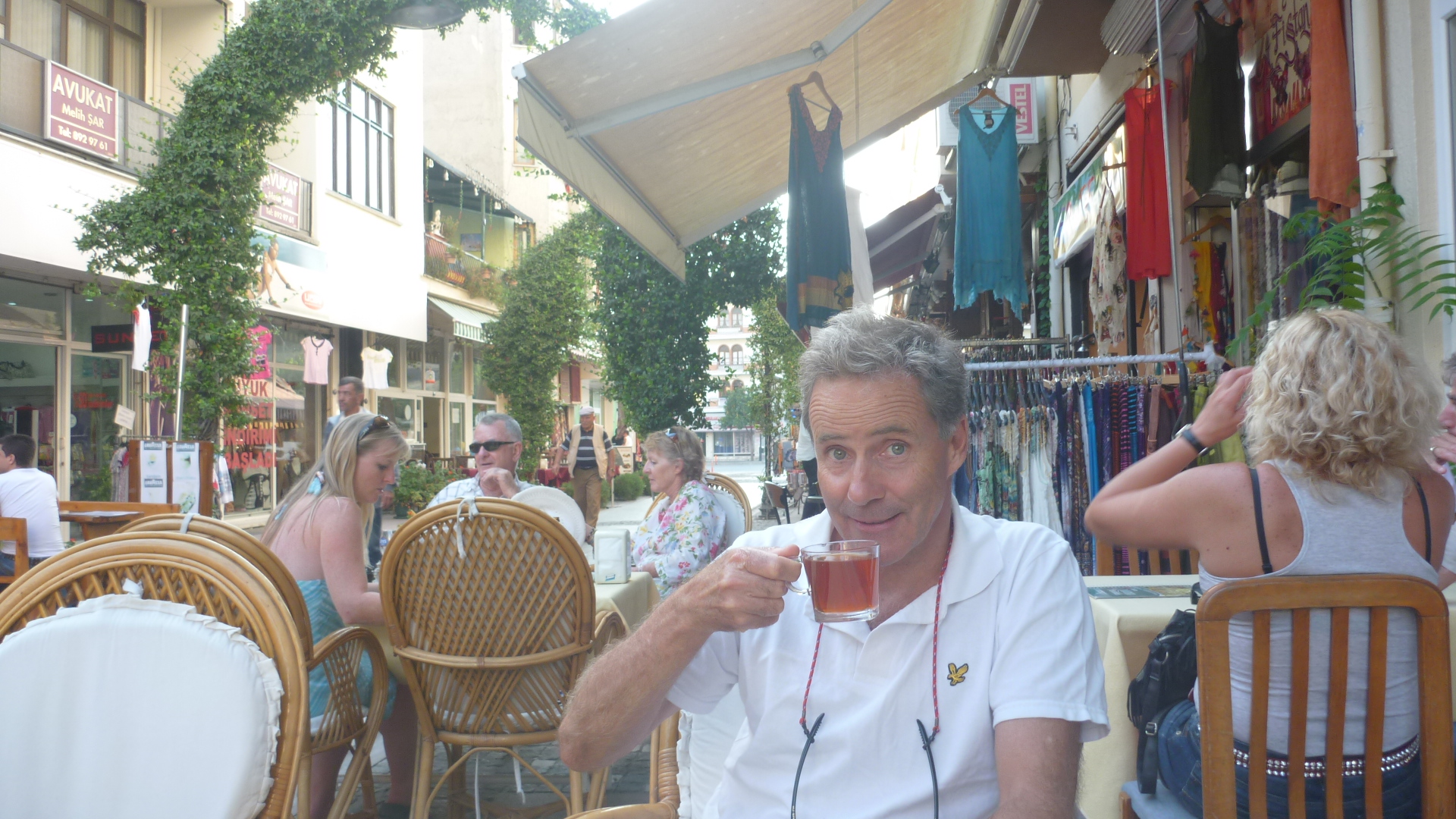
A hot and busy day exploring the site was followed by a shady lunch, a search in a carpet shop for some rugs for Sea Cloud; a final chai in Selcuk prior to the long drive back to Didim marina.

The kids in Turkey

Another much anticipated event of the season was to have  Andrew, Emily and Jack join us on Sea Cloud. The plan was to meet them in Rhodes, Greece (for a bit of history and culture) then sail across to Turkey where we had picked out our favourite places and events for them to experience.  On our way to Rhodes we had a night in Tilos, a lovely small, unspoilt island. The small harbour was really well organised by their female harbourmaster. A refreshing change for Greece!

It was great to anchor in the bay at Rhodes, just outside the city walls. The kids arrived late at night, waking the next morning to the view of this wonderful city. Ian acted as tour guide for the morning while I performed the check out formalities.

As it was Jack’s first time sailing, we had been worrying about sailing the stretch between Rhodes and Marmaris, as the swell and winds can be rather nasty. He coped admirably, it was a great sail, with winds around 20knots on our beam for the rather fast sail across to Ekincik.

Their first experience of Turkey was a boat trip up the Dalyan River, to see the turtles, the rock tombs and the ancient town of Caunos.

Good breezes between Ekincik and Fethiye gave Jack the opportunity to sail the boat under Ian’s instruction.

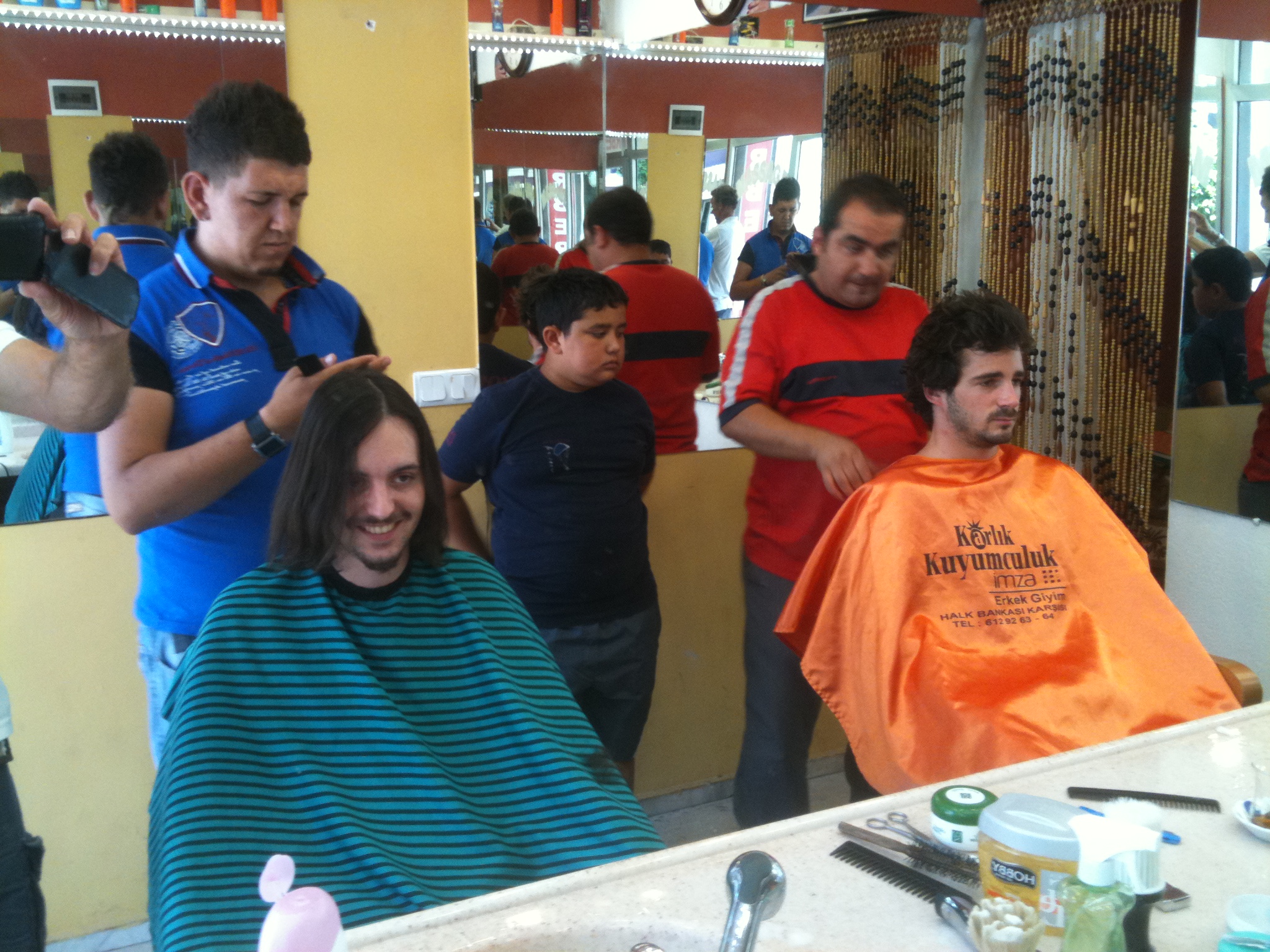
A visit to Turkey would not be complete without a visit to a Turkish barber and a hamam, a great experience for all. The small Yacht classic hotel marina was a pleasant base for a visit to Fethiye.

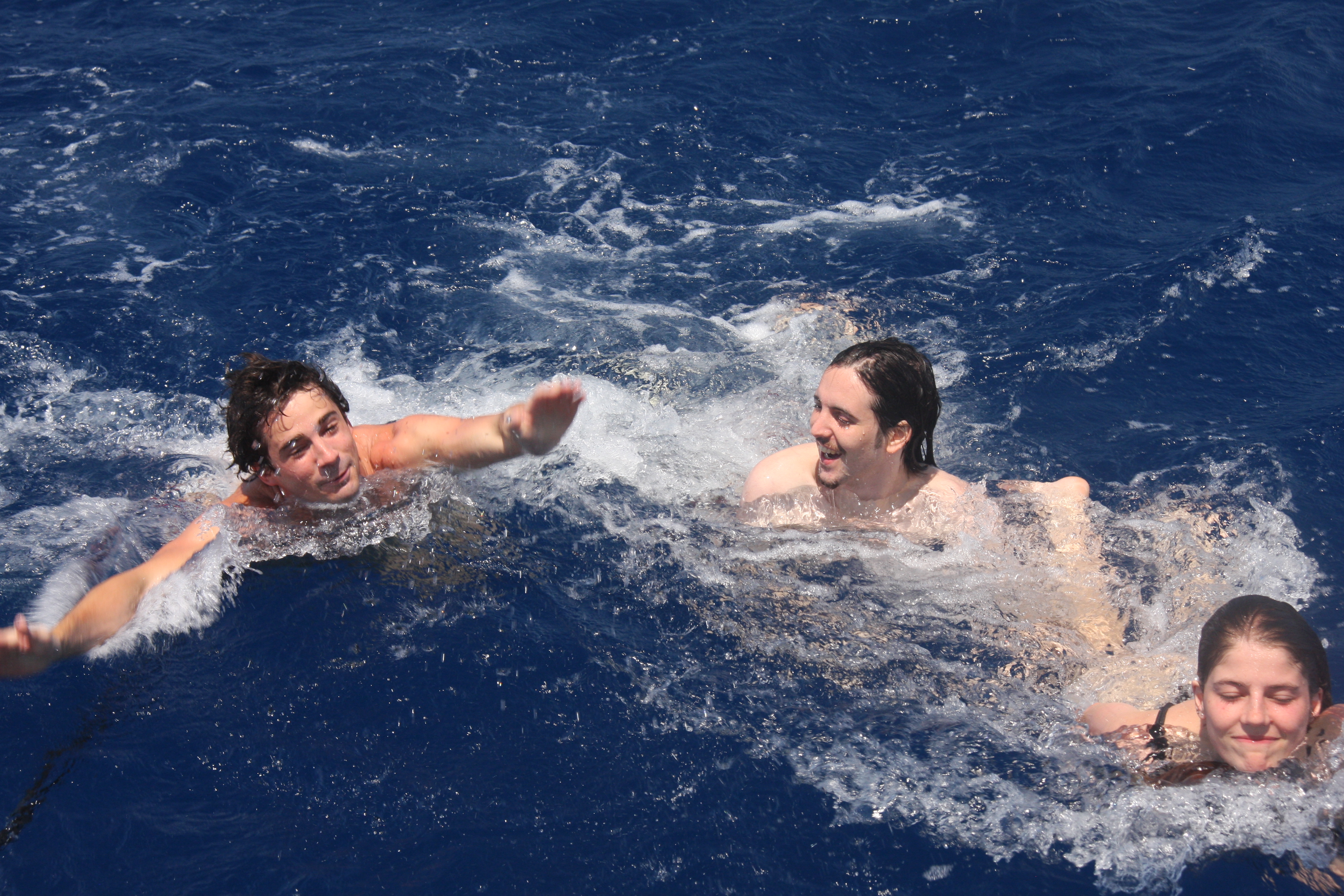
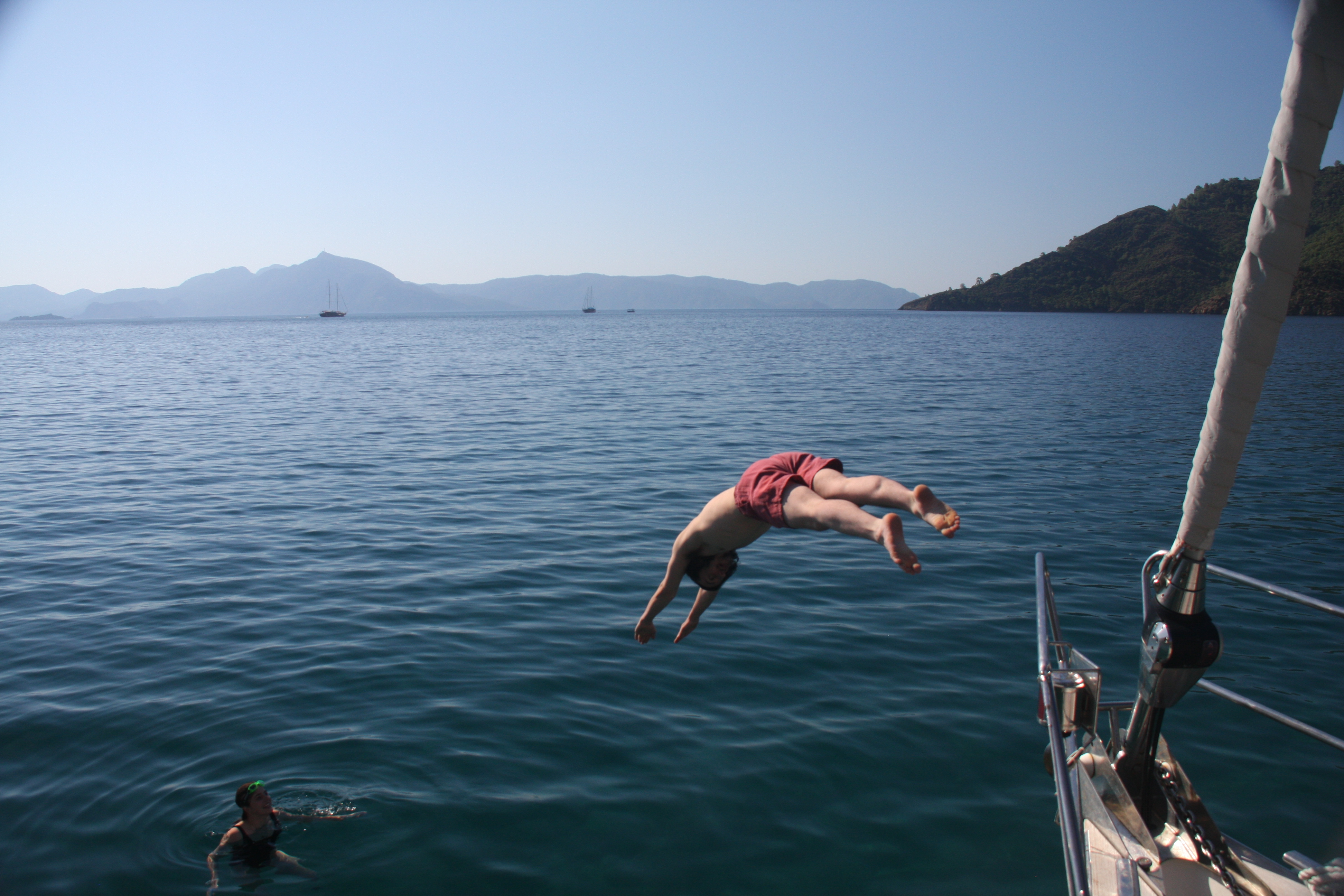
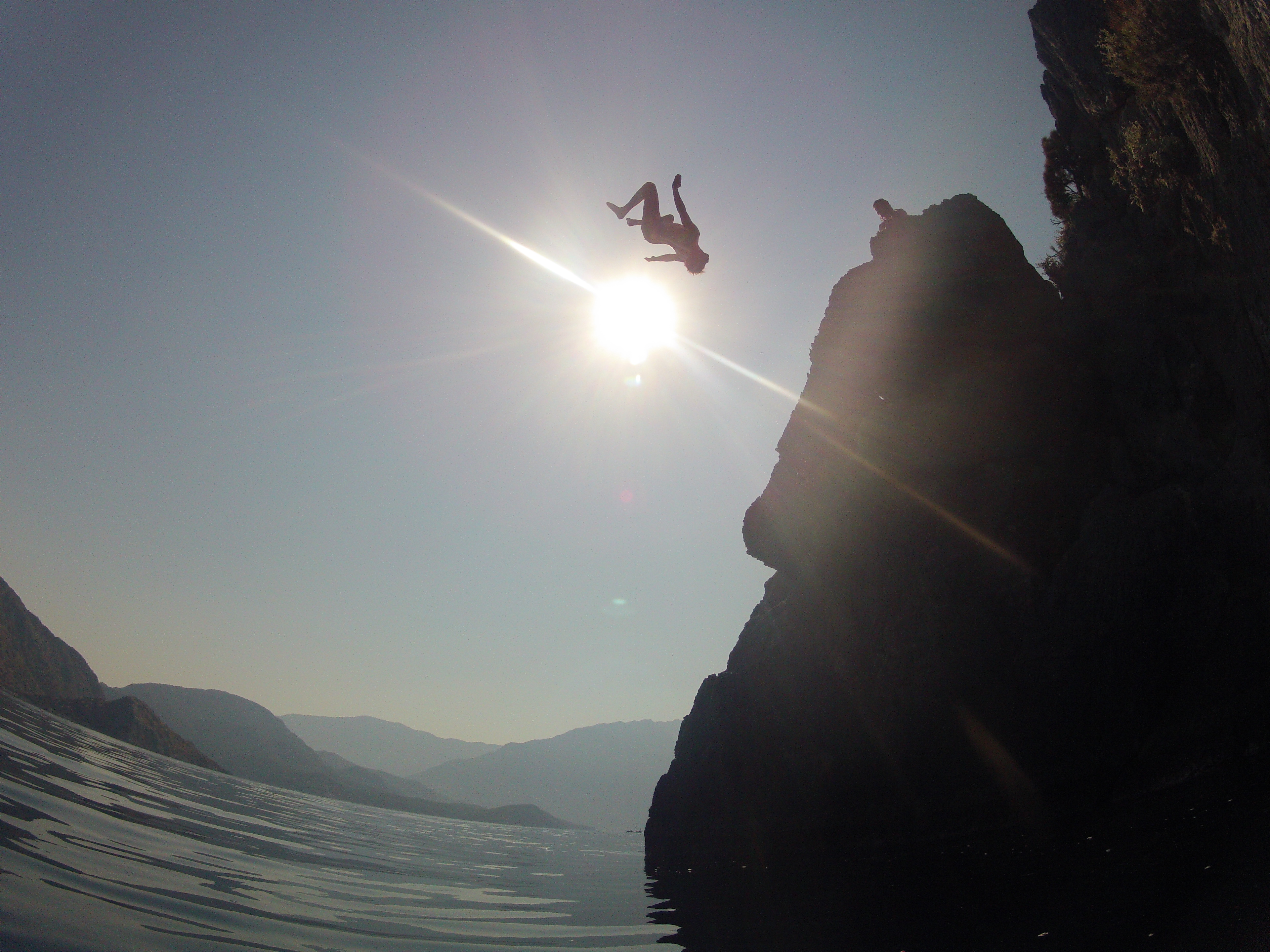
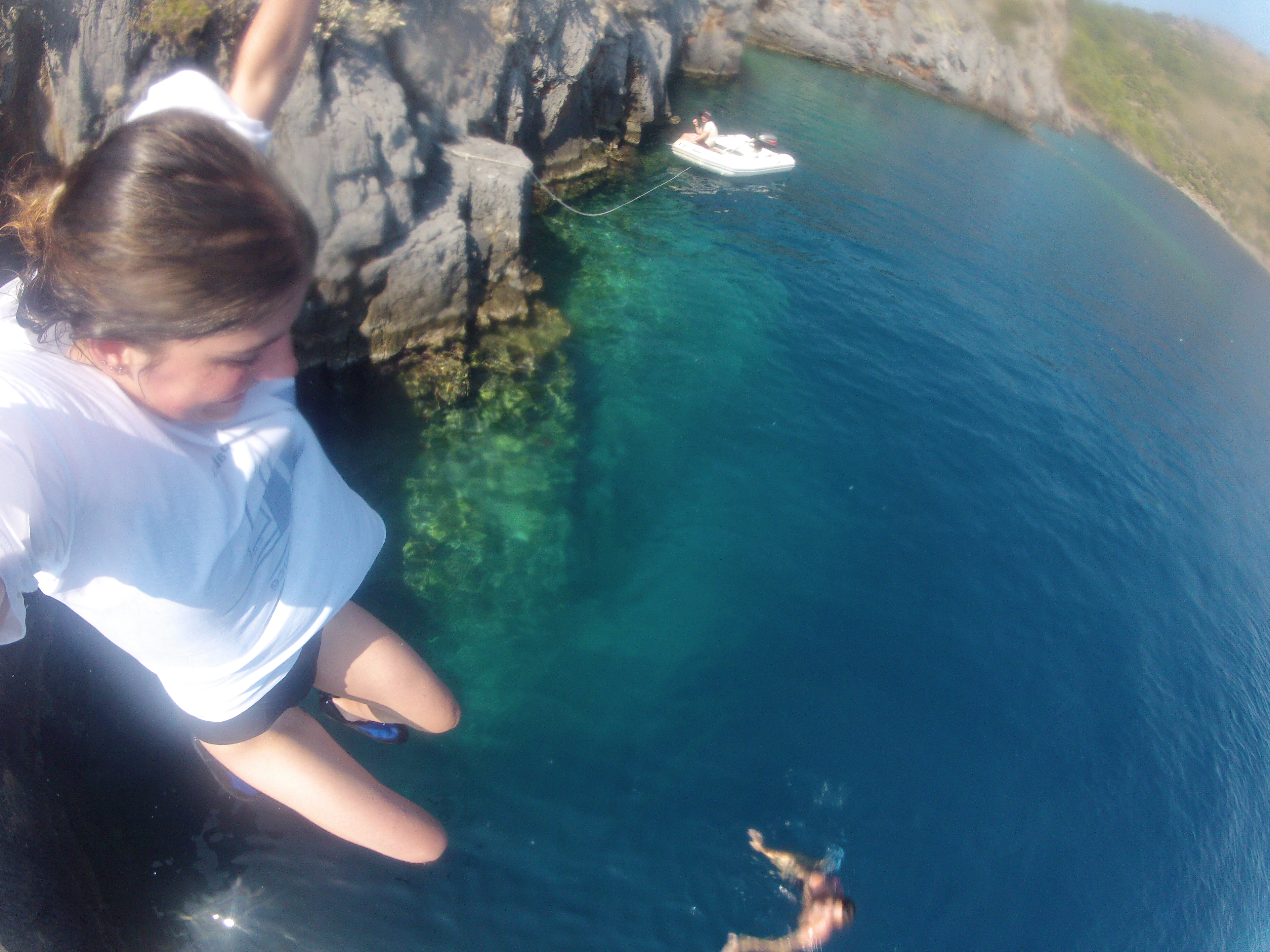
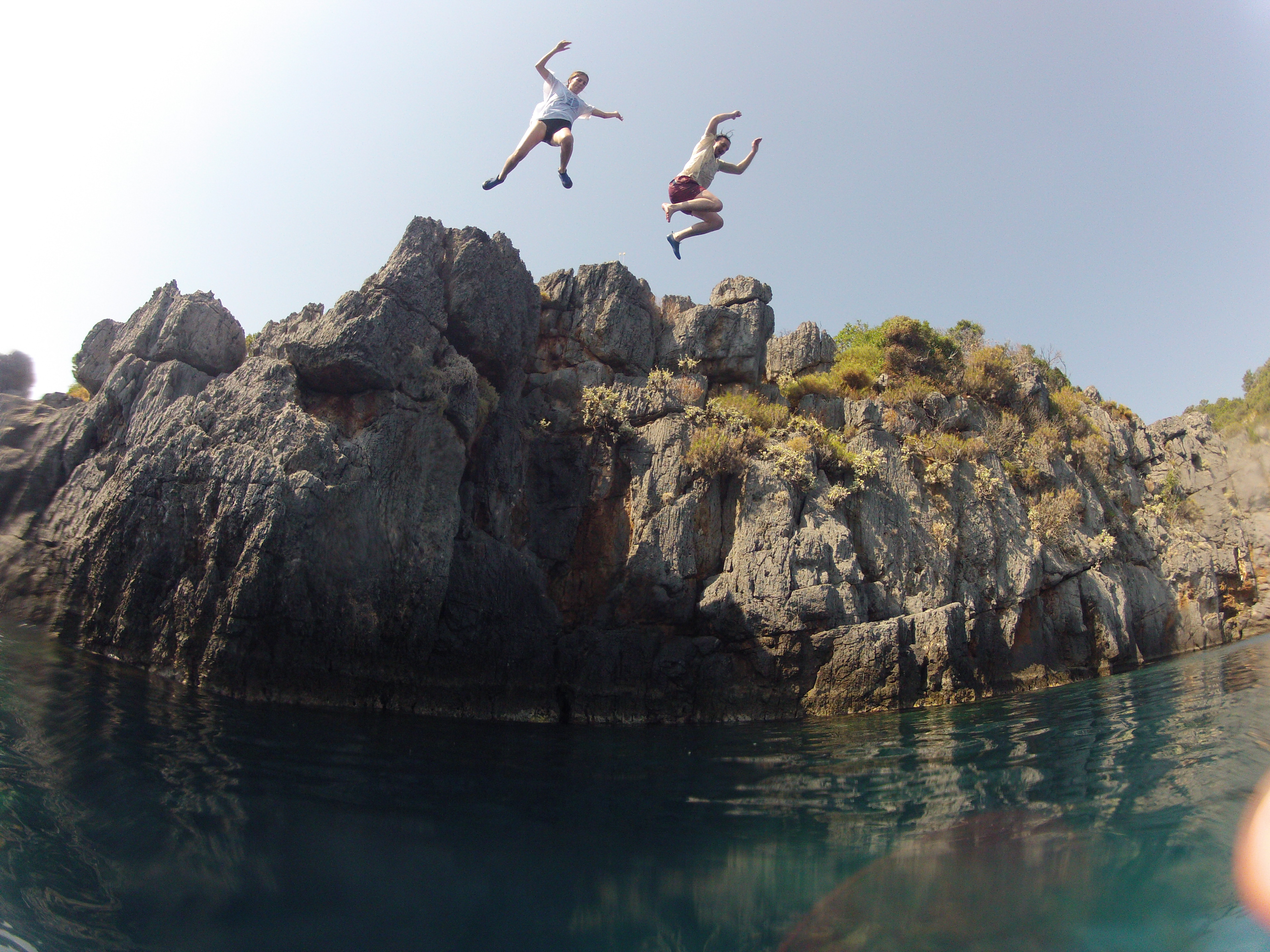
Dragging behind the boat was  a great way to cool down on a hot day with no wind on our way to Oludeniz. Diving off the boat and jumping off high rocks were favourite past times – seems nothing has changed since the Andrew and Emily last sailed with us in 2003 when they were nearly 10years younger!

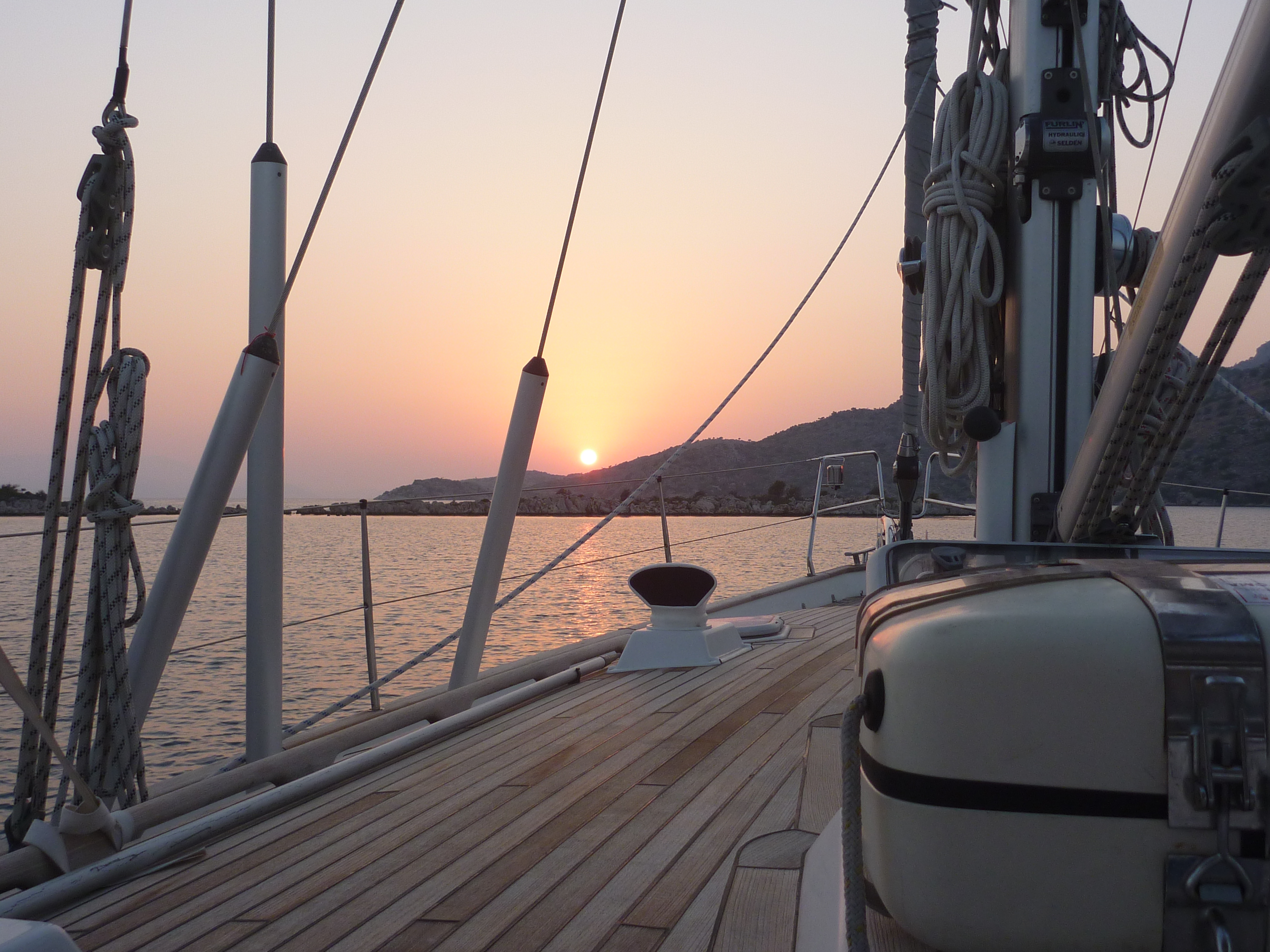
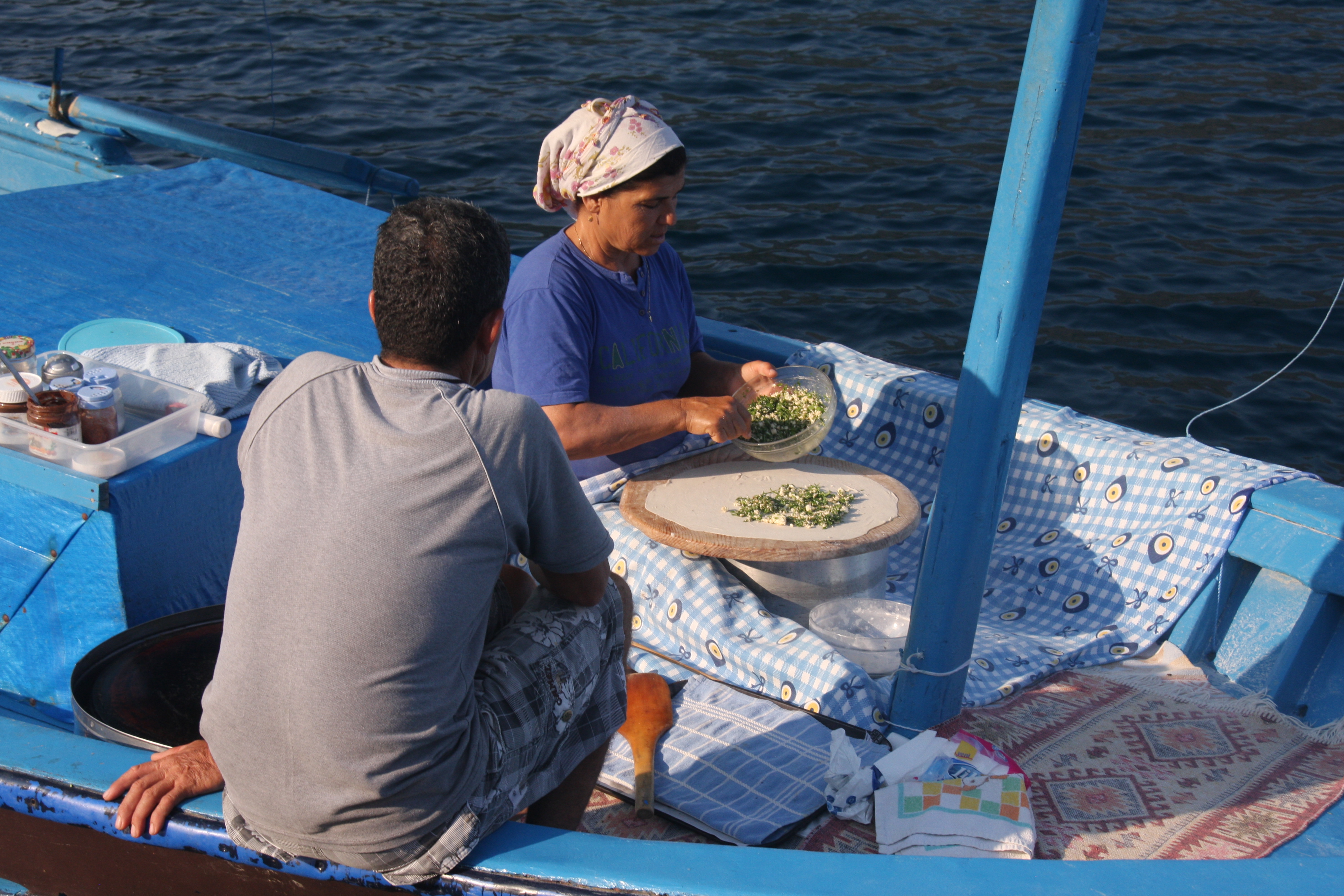
The isolated bay in which we anchored had  regular visits from the couple making gozleme and beautiful sunsets and sunrises.

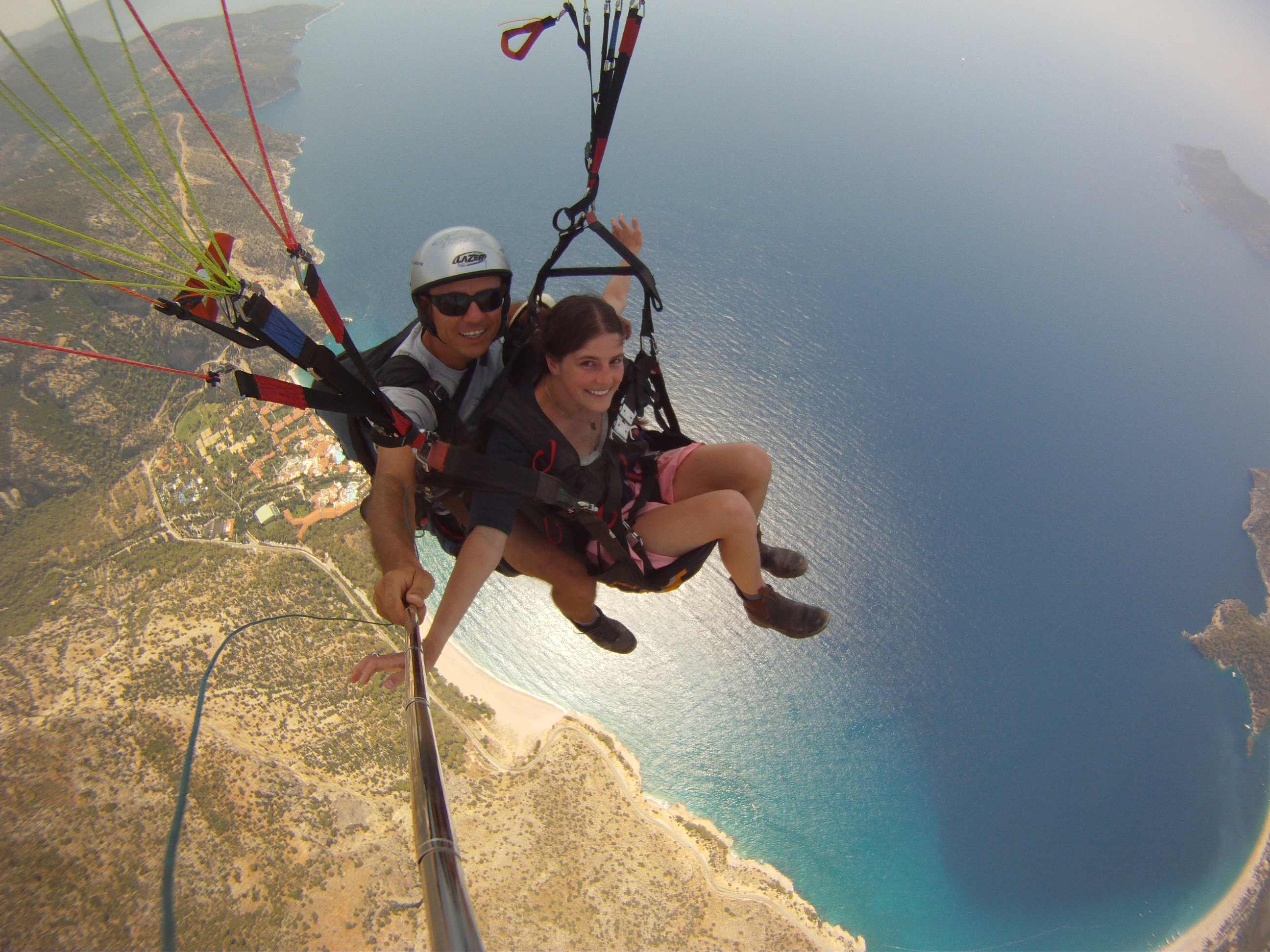
Andrew, Emily and Jack enjoyed paragliding at Oludeniz as much as we had last year.

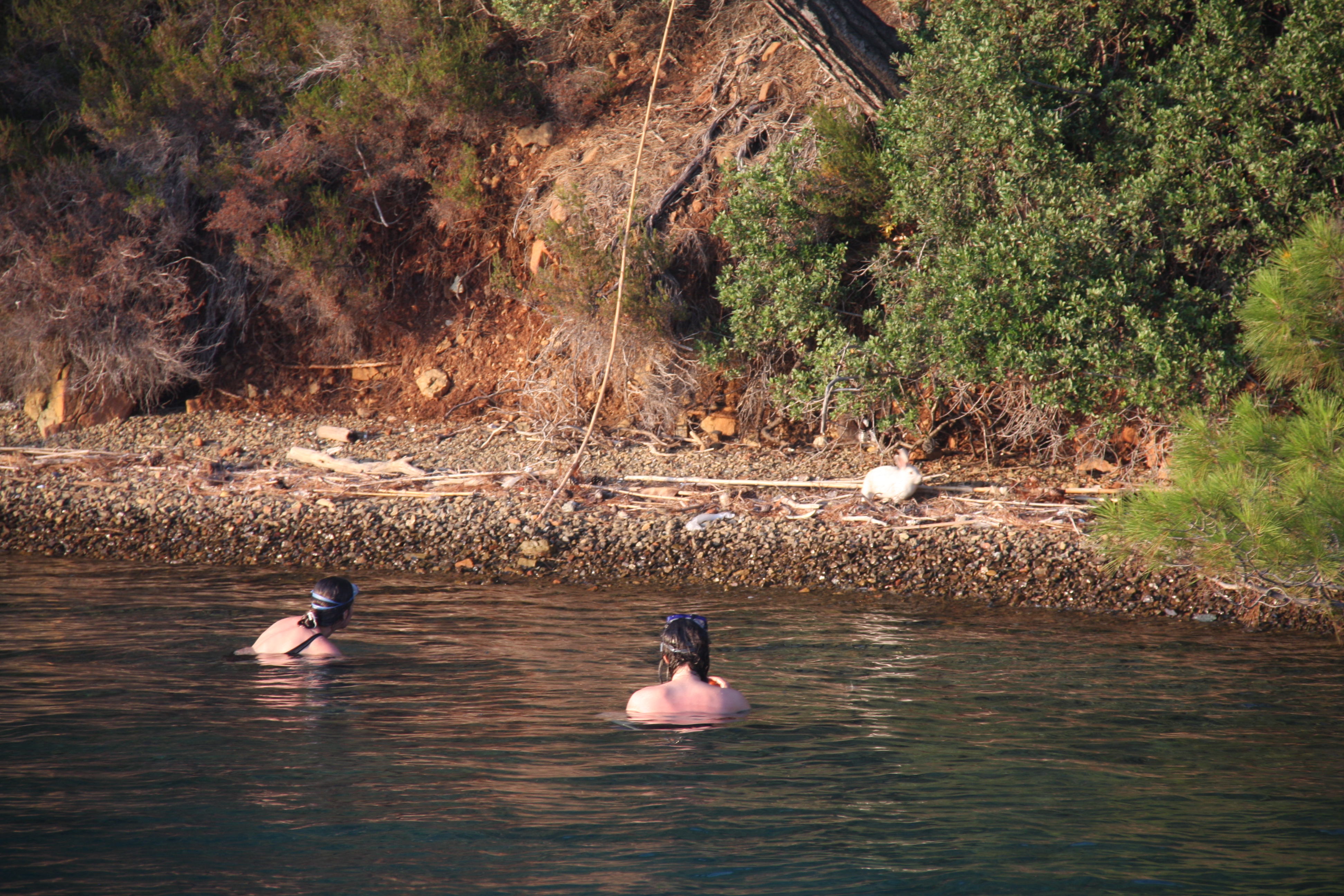
Our last few days before Emily and Jack headed for Berlin were spent in Fethiye Bay, where they even found some rabbits like Dolly on one of the islands!

As Andrew was leaving us in Marmaris a few days later, we had time to find some wonderful anchorages and for father and son bonding (this was a good day).

The afternoon winds in Fethiye Bay were surprisingly good, especially as the wind forecast was never for more than about 8 knots in the area.

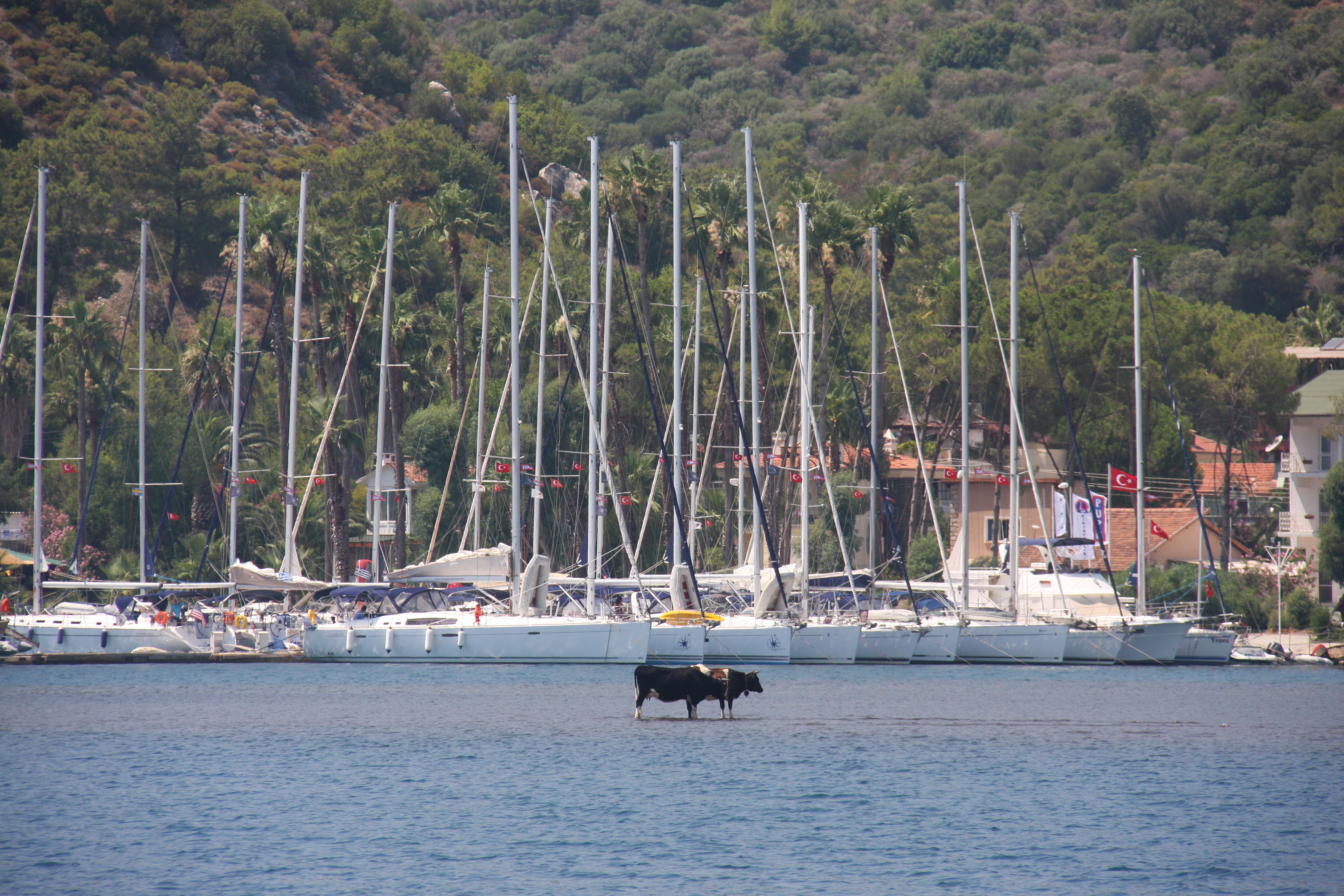
Temperatures in the high 30’s meant that even the cows in Marmaris bay take to the water.

The aim of our last 2 weeks left before heading home was to find relatively uncrowded bays (if possible in July) where we could swim, relax and get some jobs done. Kiseli Adasi, near Bozburun was ideal with its crystal clear water, enough breeze, relative peace and quiet, daily deliveries of fresh bread, and of course a herd of goats on shore.

The nearby Sabrina’s Haus was  a lovely spot for a special dinner.

Santorini and back

Following the departure of Pat and Sandra, we had 11 days to get to Santorini for the wedding (220Nm round trip). Sounds simple but the forecast tells us the first big meltemi for the season will arrive in the central Aegean in 48hrs – meaning we’d motor all the way to Mykonos or Paros only to sit there for 5 days in a force 8 gale. Instead we decided to spend the next week exploring Patmos, Agathonisi, Arki and then, when the high winds hit the Dodecanese, we’d wait it out in Leros and review the situation. (Winds off Leros gusted to 48kts, vindicating our decision!)

 Image

Image

Image

Grikos Bay (Patmos Is) – fantastic swimming spots

 Image

Sunset – Yeoriyos Bay (Patmos Is)

Image

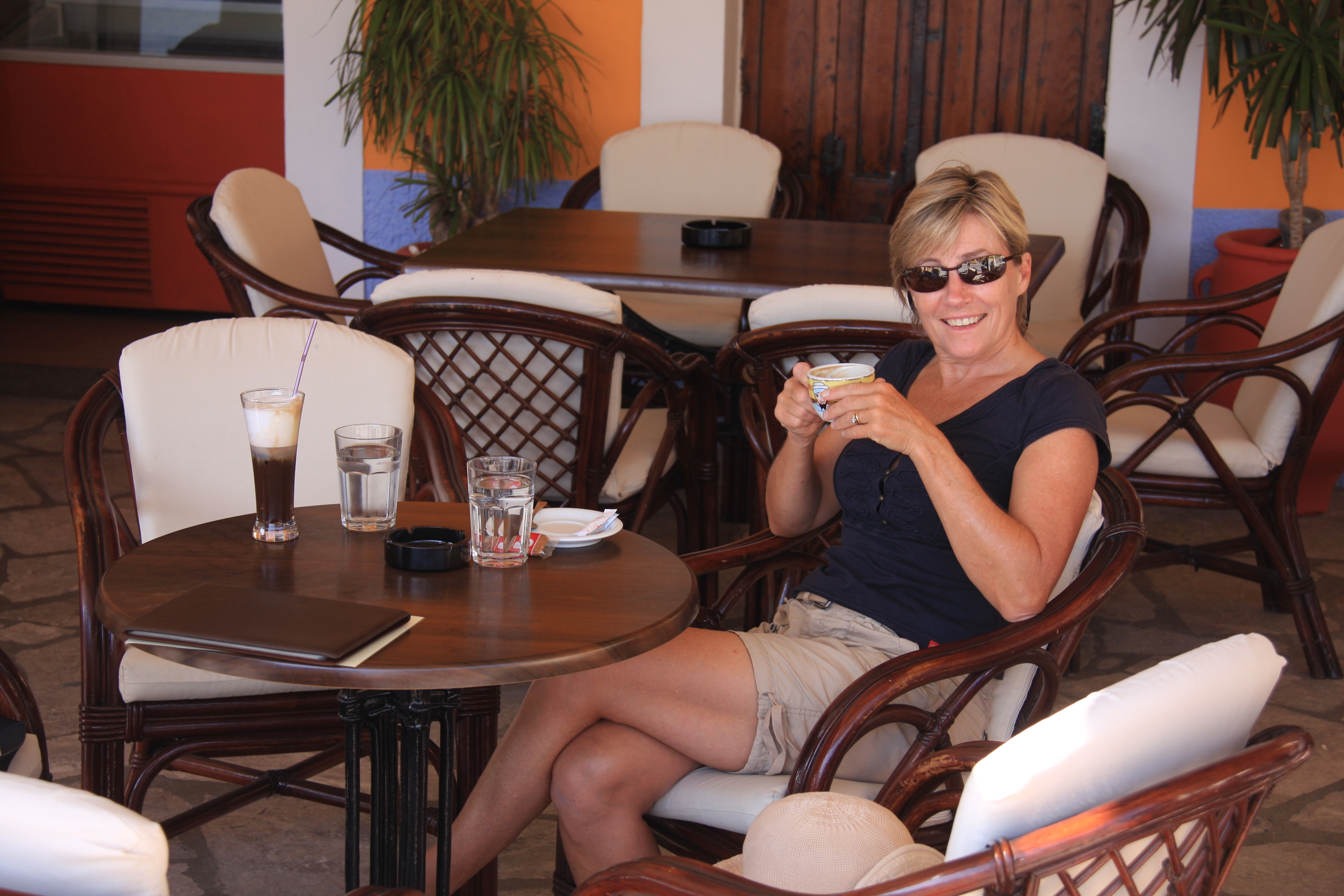
Paradisos Bar, Pandeli became our favourite haunt when waiting out bad weather. Low key place with great freddo cappuccinos and good WiFi.

Finally, the winds between Leros and Amorgos dropped sufficiently to consider setting out on the first leg of our trip to Santorini – although we knew it would still be pretty brisk. Good sailing with 22 – 25kts (nasty little 1 – 2.5m waves with short wavelength) on the first leg to Levitha WSW of Leros.

 Image

Levitha anchorage is only 50m across, long and narrow with 12 laid moorings in 2 parallel lines – those furthest in to head of inlet only in 2m of water, but even those in 3-4m looked horrifyingly shallow as we headed up the “alleyway” (only a couple of boat lengths wide) between the moored boats with 25kts of wind behind us. Manoeuvring in this tight section was very difficult because Sea Cloud’s turning circle grossly exceeded the space available! Managed to get in, a goodly collection of boat hooks clearly visible on the bottom says that we’re not the first to have a couple of shots at this!

 Image

Levitha is a tiny windswept island owned by 2 families, one of which runs a small taverna for passing yachties, and has hundreds of goats and sheep searching for occasional scraps of vegetation. Cathy heads for the taverna up the hill and gets an inkling of what’s on the menu.

Next leg Levitha to Ios passing south of Amorgos (60Nm). Probably a good thing we couldn’t get forecast update (no internet on Levitha) as a Force 8 gale came up late morning – by which time we were well on the way to Ios. Nonetheless, we’d known for days that he stretch from Levitha to Amorgos was going to be pretty hectic with strong winds and wave heights > 2.5m predicted. Wind strengths averaged 25 – 33 kts with gusts to 38kts. Once west of Amorgos we should have been through the worst of it – instead the wind increased further to constant high 30’s as we approached Ios. Sea Cloud handled the challenging conditions throughout day beautifully as we thought she would but had never seen her do it!

Finally anchored in Manganari Bay on very southern tip of Ios in 33kts. “The pilot book says right here that this bay provides “good shelter in a Meltemi” – why is it blowing 40kts?” asks Cathy. Wind continued to howl with gusts up to 40k till around 3am. Managed to sleep like babies knowing our anchor totally buried in sand, with anchor alarm on and with miles of open sea to leeward!

Ios (Manganari Bay). Awoke next morning to a calm, beautiful, crystal clear, sparkling, emerald green bay.

Took the opportunity of a brief break in the wind to get ashore, stretch the legs and have a swim on a lovely sandy beach followed by a hearty breakfast at the local beachside café. (The blue fishing boat in the foreground was blown up there in a southerly gale 4 weeks earlier!). The weather forecast predicts the meltemi to continue for next 24hrs at least – sure enough it was blowing dogs off chains again by midday and throughout the night.

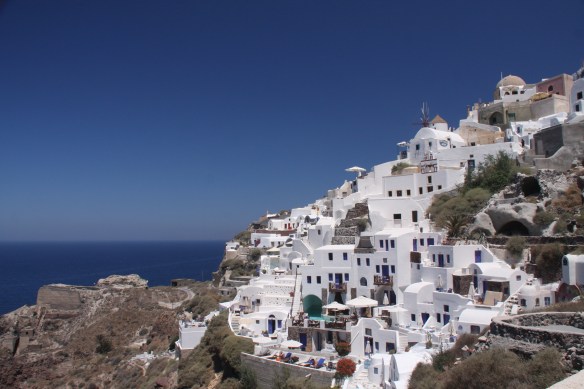
Toby and Ellie’s wedding day in Santorini. Mustn’t be late! Short 12Nm sail south to Santorini from Ios with 24kts of breeze on stern quarter. Passing the rugged north tip of Santorini early morning.

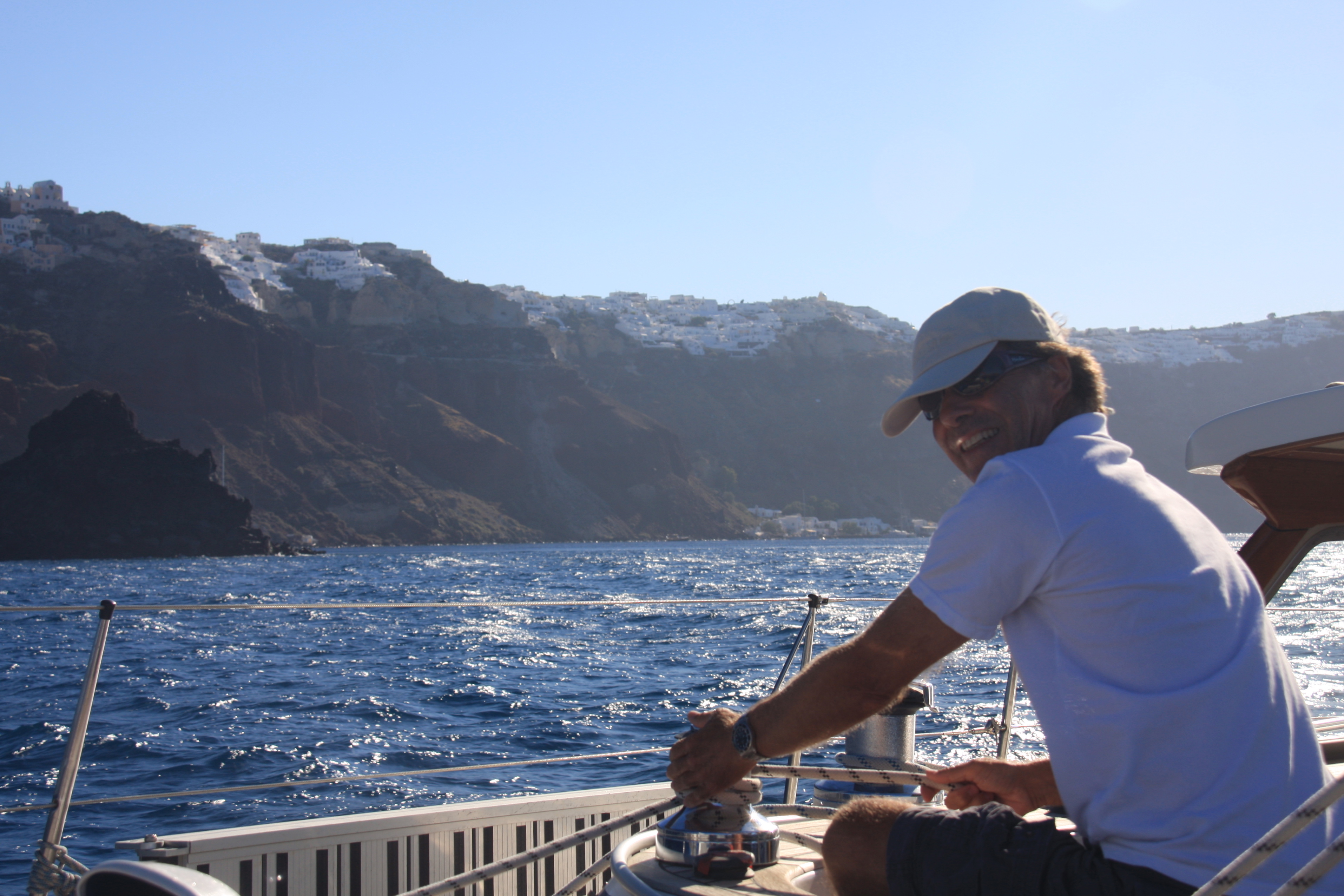
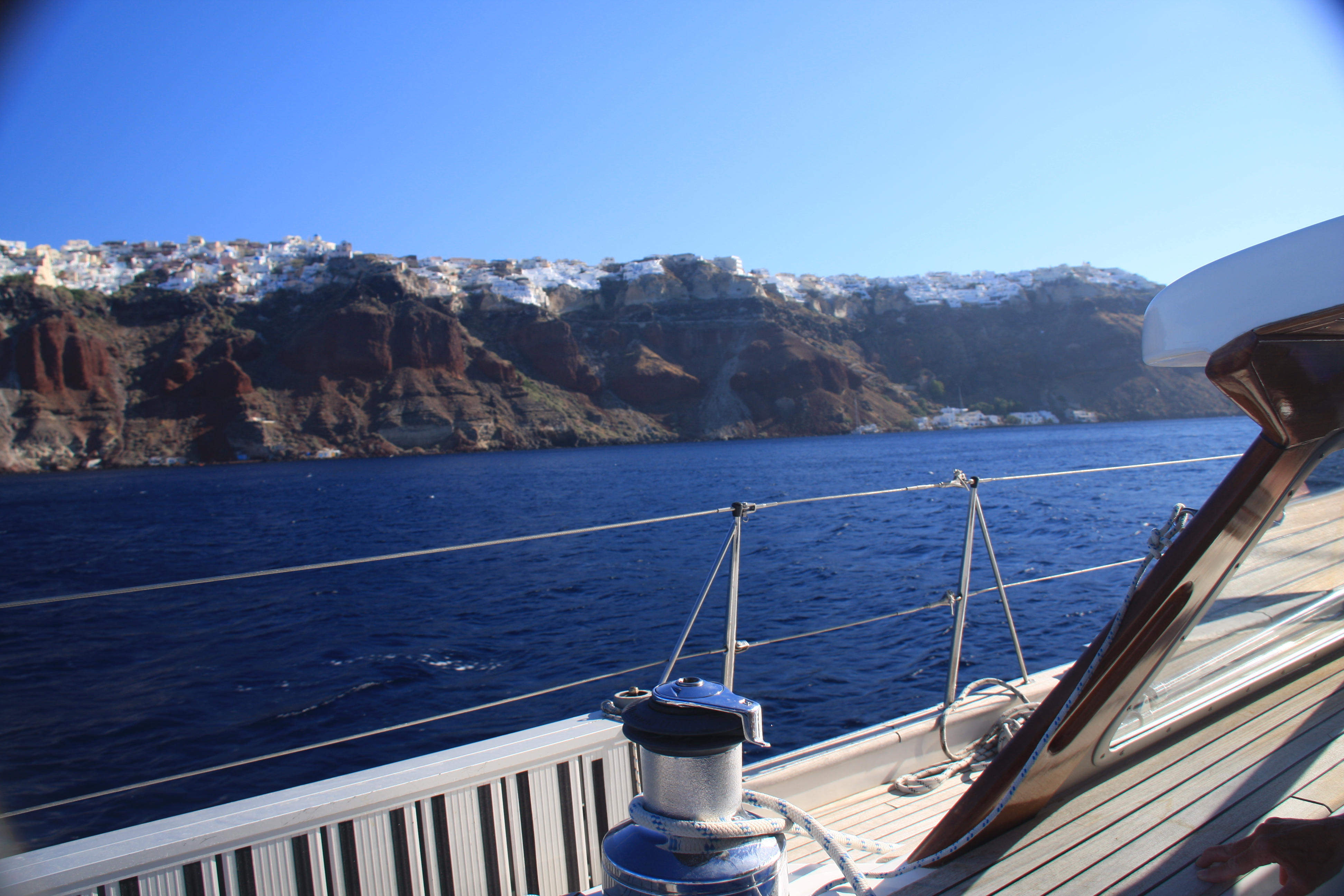
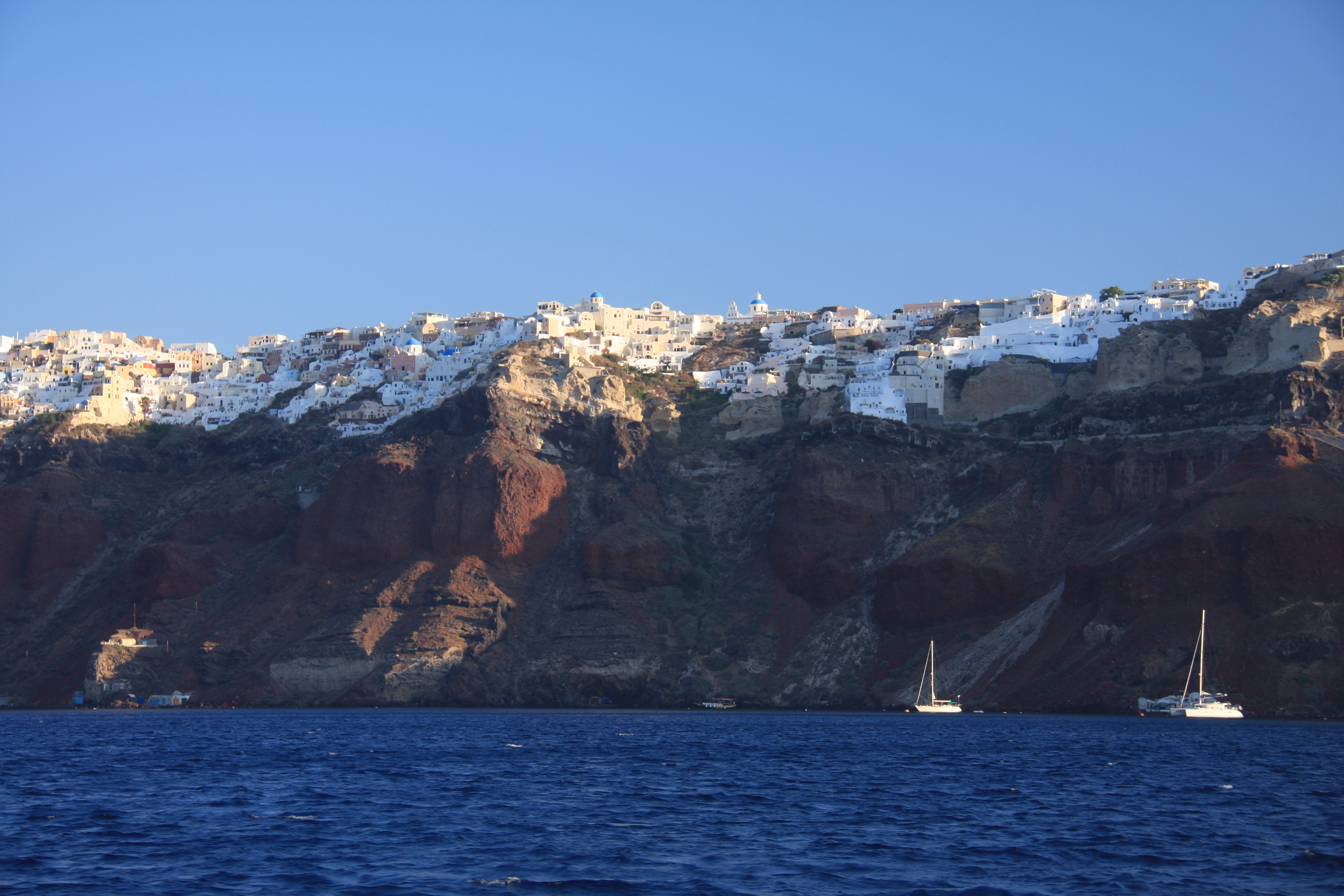
Arriving into the caldera of Santorini under full sail – a very exciting moment!

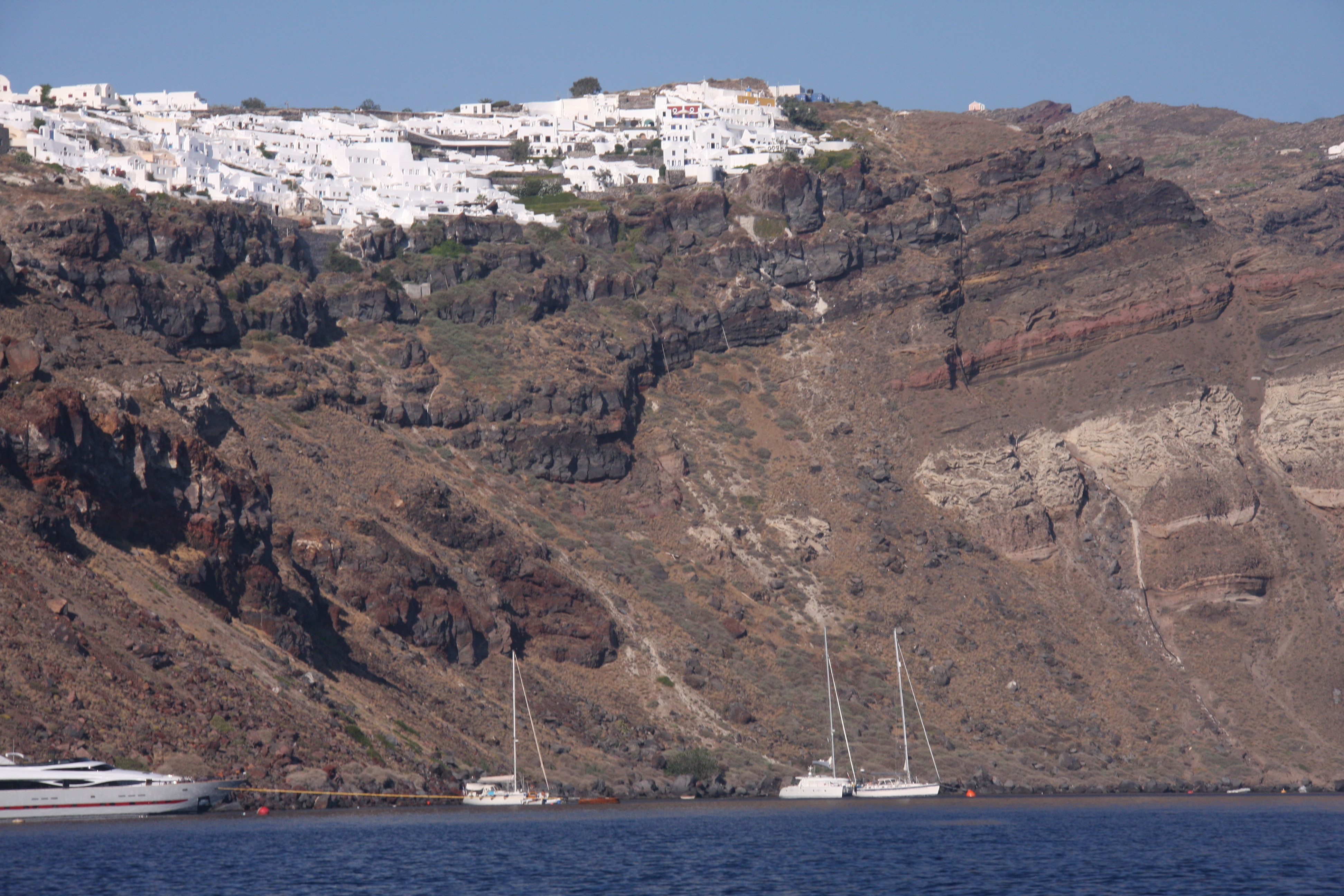
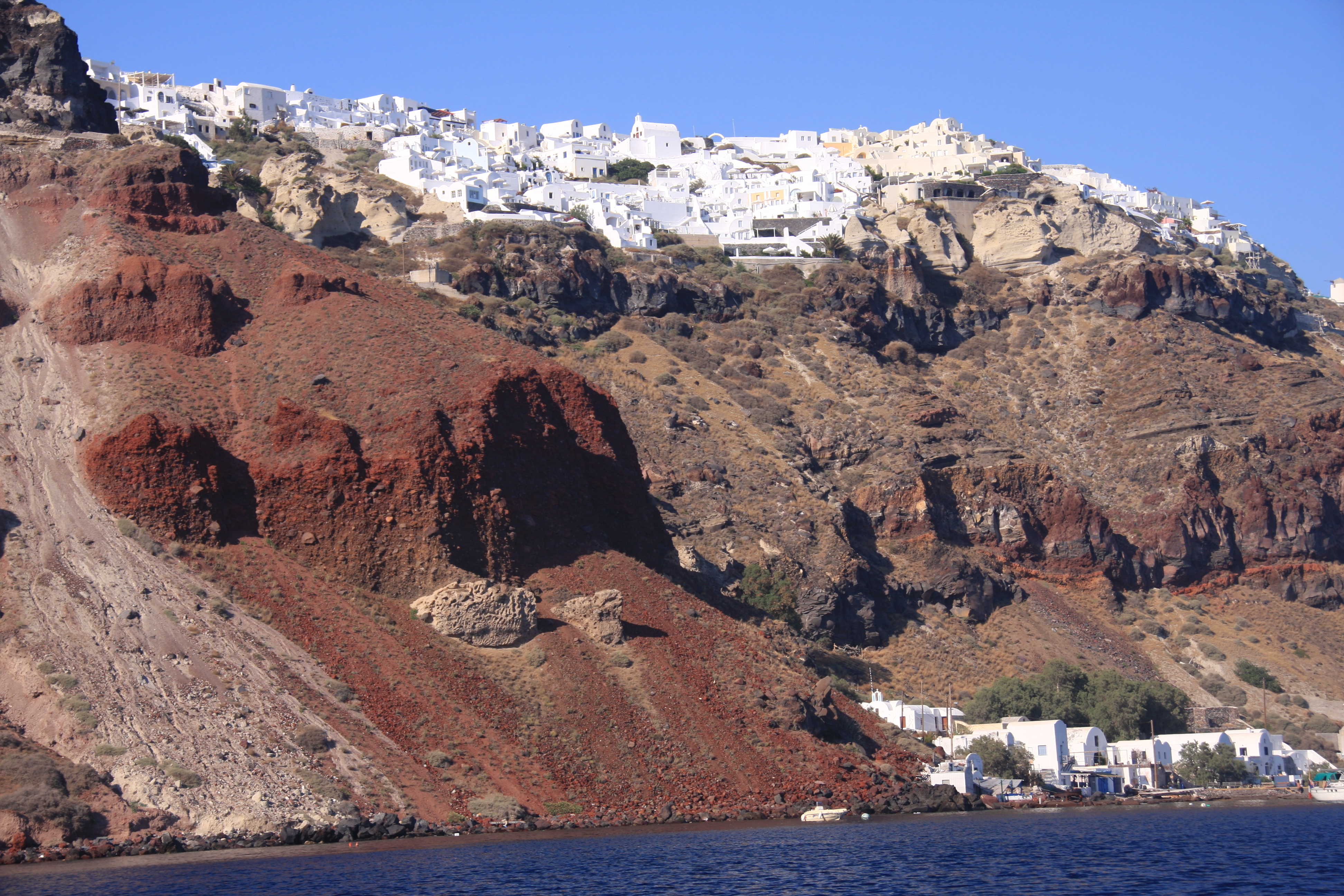
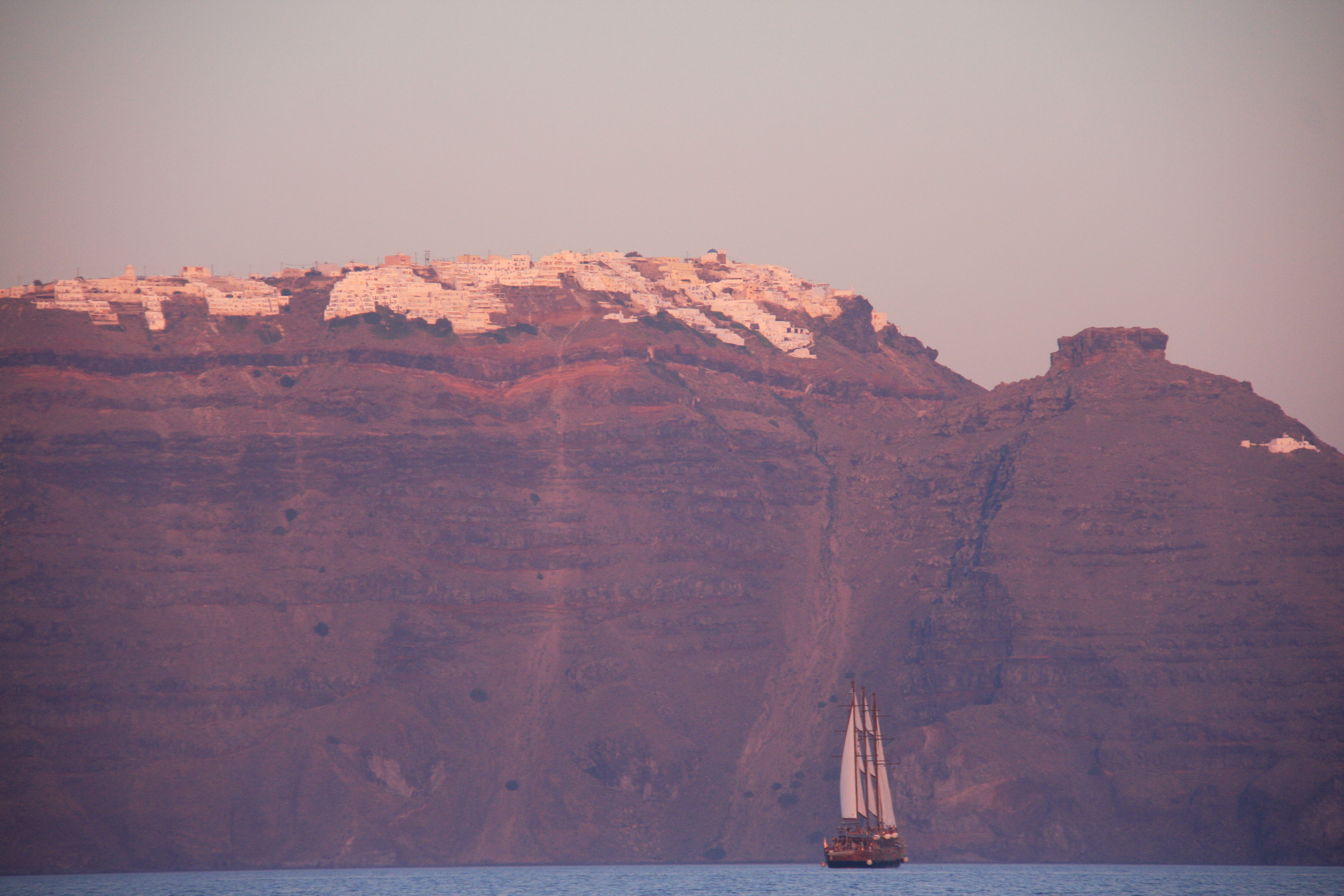
The sheer grandness of it all towering above us and the myriad white washed houses along the ridge line hundreds of metres above us was spectacular.

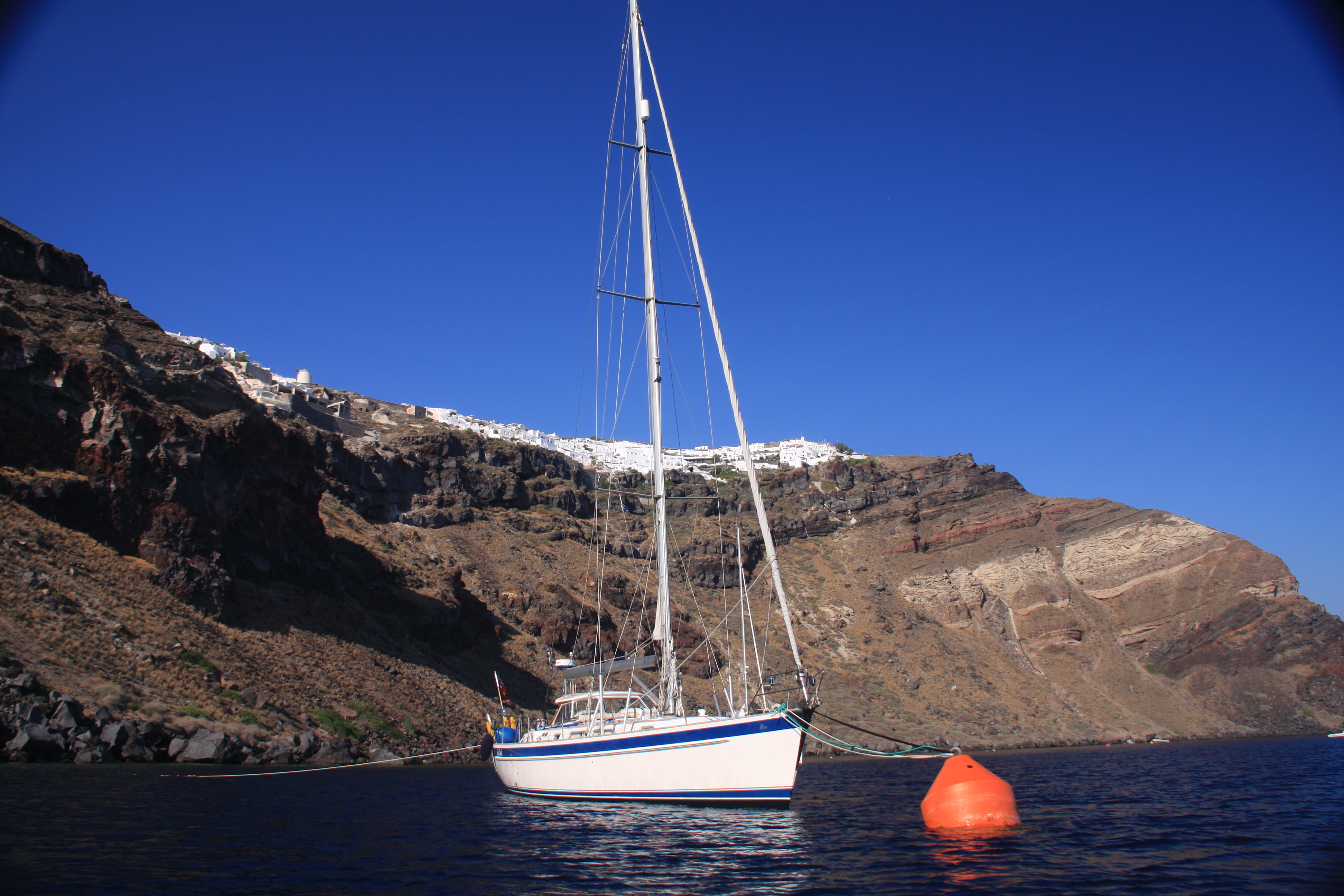
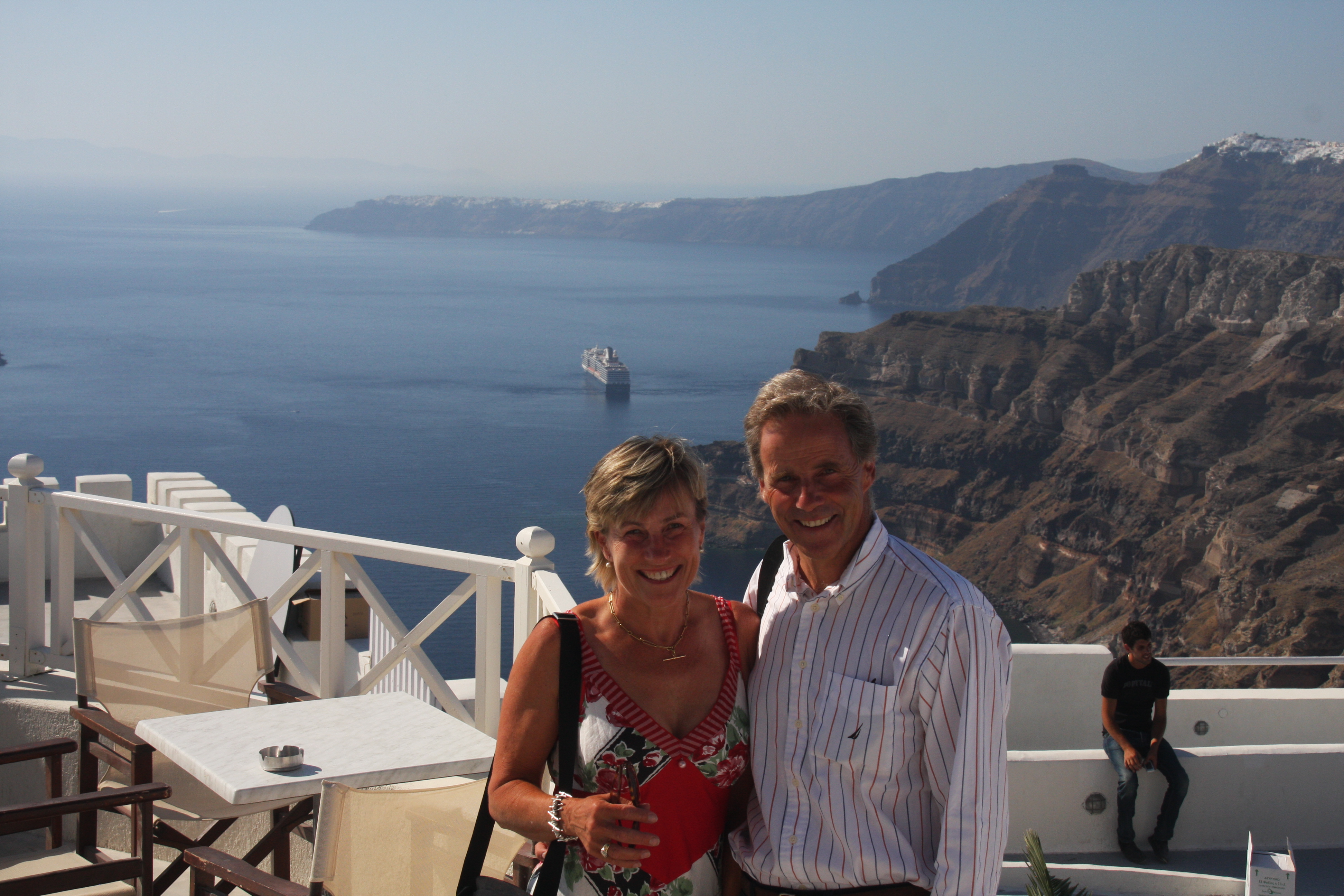
Where/how to anchor in a volcanic caldera 300m deep in the centre? Getting a secure anchorage in Santorini can be a challenge. We’d phoned the harbour master who advised the weather had prevented the dredging of the sand bar at the entrance to the small marina on the south coast. With depths of only 1.8m that was not an option. Inside the northern tip of the island, off the hamlet of Oia, we found 10 substantial looking moorings – about 6 clearly for commercial use and/or occupied. We first picked up one vacant mooring in 10m of water but after diving on it I was horrified to see not chain but rather 6 frayed lengths of rope that had been successively added to over time. Additionally, the top shackle had half rusted through and the bottom end of the ropes disappeared into the depths rubbing & fraying over a sharp volcanic ledge 8-10 m below!) Quickly moved to another very large mooring in 30m with very substantial chain in good nick. Unfortunately couldn’t dive deep enough to get a look at the bottom, but felt pretty confident it was OK and verified this with local tour boat operator.

Sea Cloud finally safely moored in 30m of water under OiaTime was slipping away and we have to get to the wedding – next problem – how to get up several hundred meters to the top of that cliff? Not as easy as it sounds as the usual steep switchback track collapsed last year (landslide left of picture) killing 2 people and their donkey so the track is now impassable.

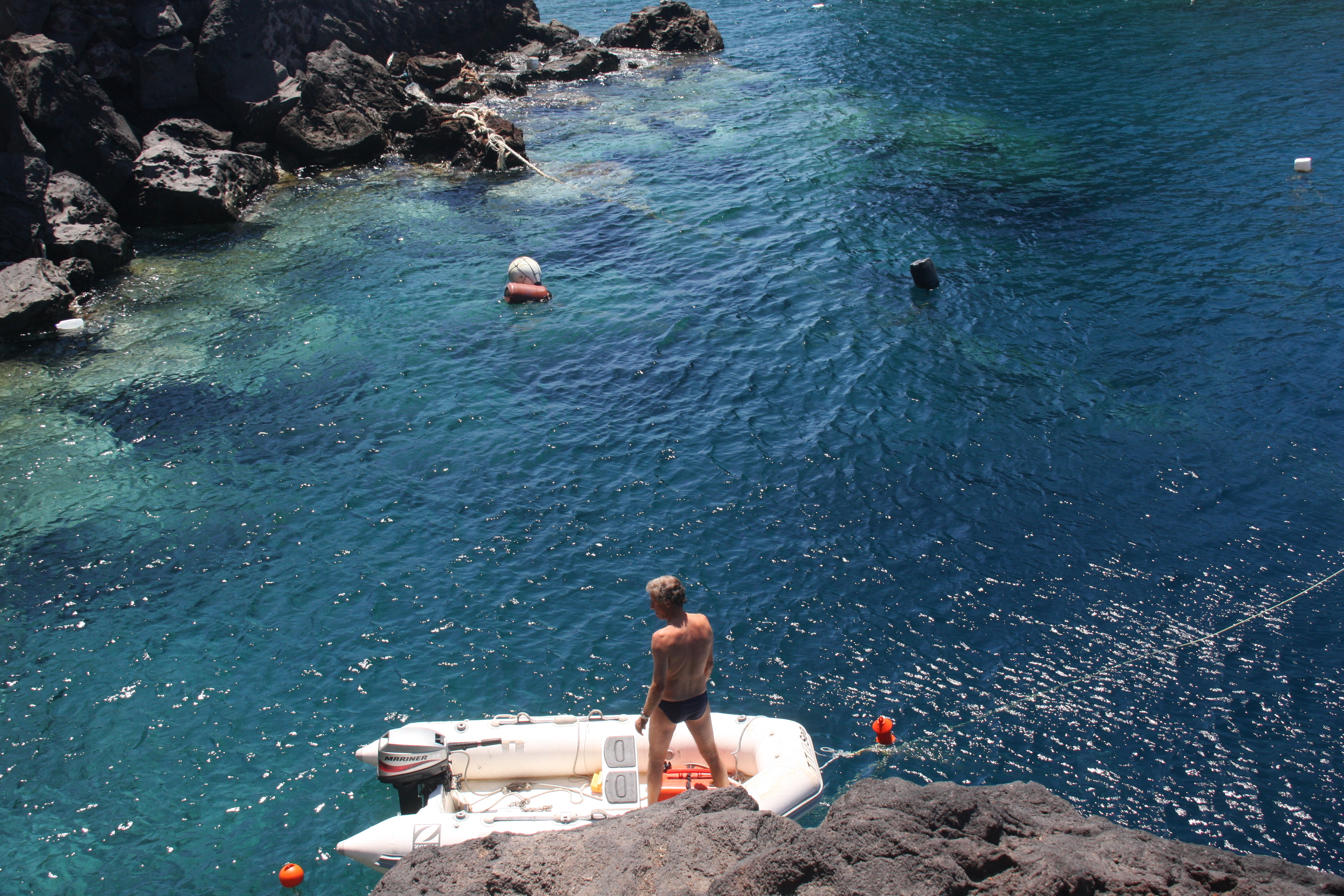
Smugglers cove: We threw some glad rags into a back pack and took the tender around the north corner towards Ammoudi Bay – just south of which was a small “smugglers” cove –surprisingly calm considering its relatively exposed location. Dropped Cathy and the bags ashore on the rocks, chained the dinghy to one of the lines presumably used in calm conditions by local fishing boats – sufficiently far from the rocks to avoid damage to the dinghy and outboard amongst the swell. Swam ashore (with fingers crossed the dinghy would be in one piece upon return!)

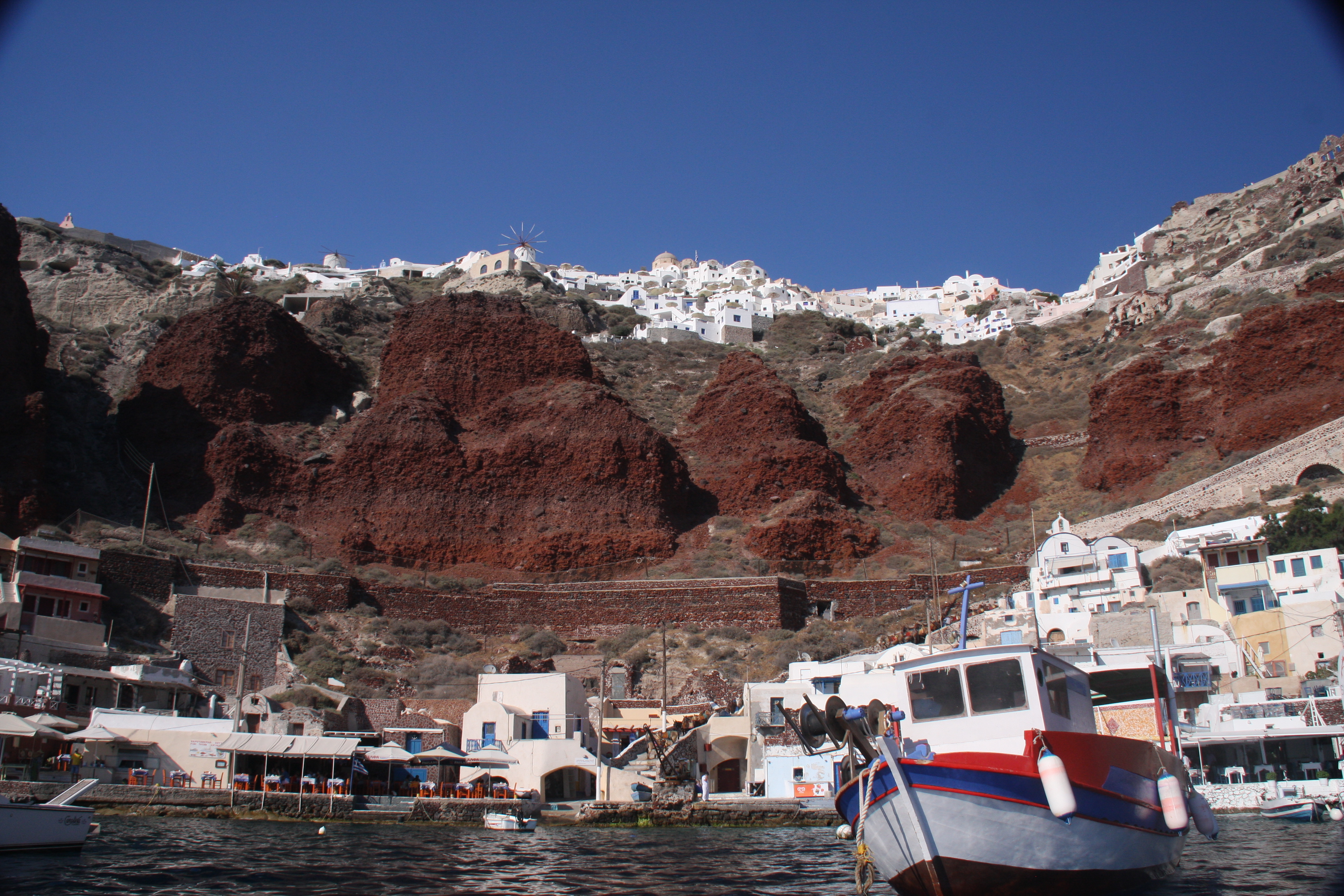
Ammoudi bay looking up. Still running late and how to get up to the top to meet Suzie and Paul?

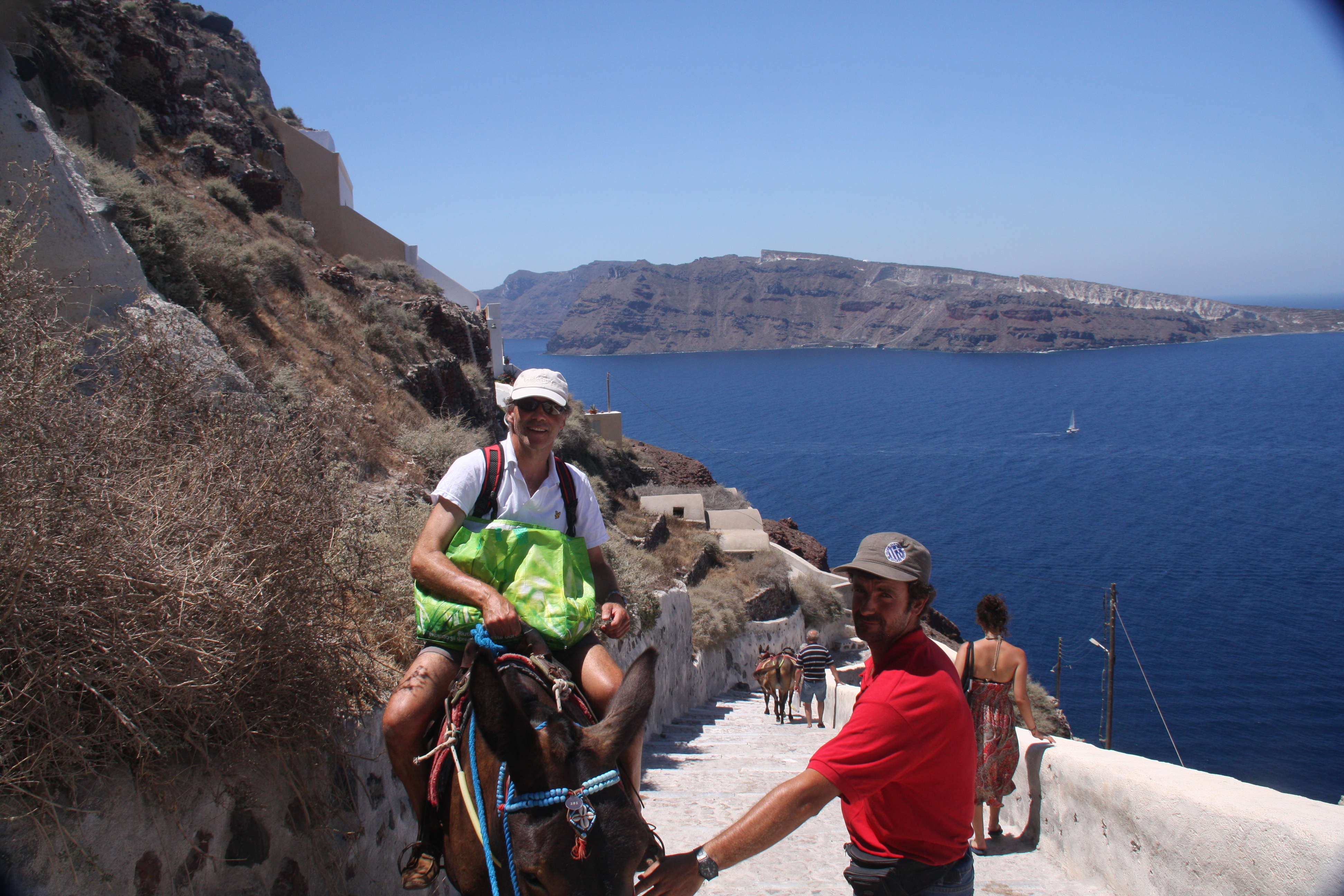
…… by donkey of course! It’s the best 5 Euros you’ll ever spend skipping up to the top on a frisky donkey as he lurches around the edges rubbing your legs against the wall and giving you a more than ample view of the precipitous drop below you!

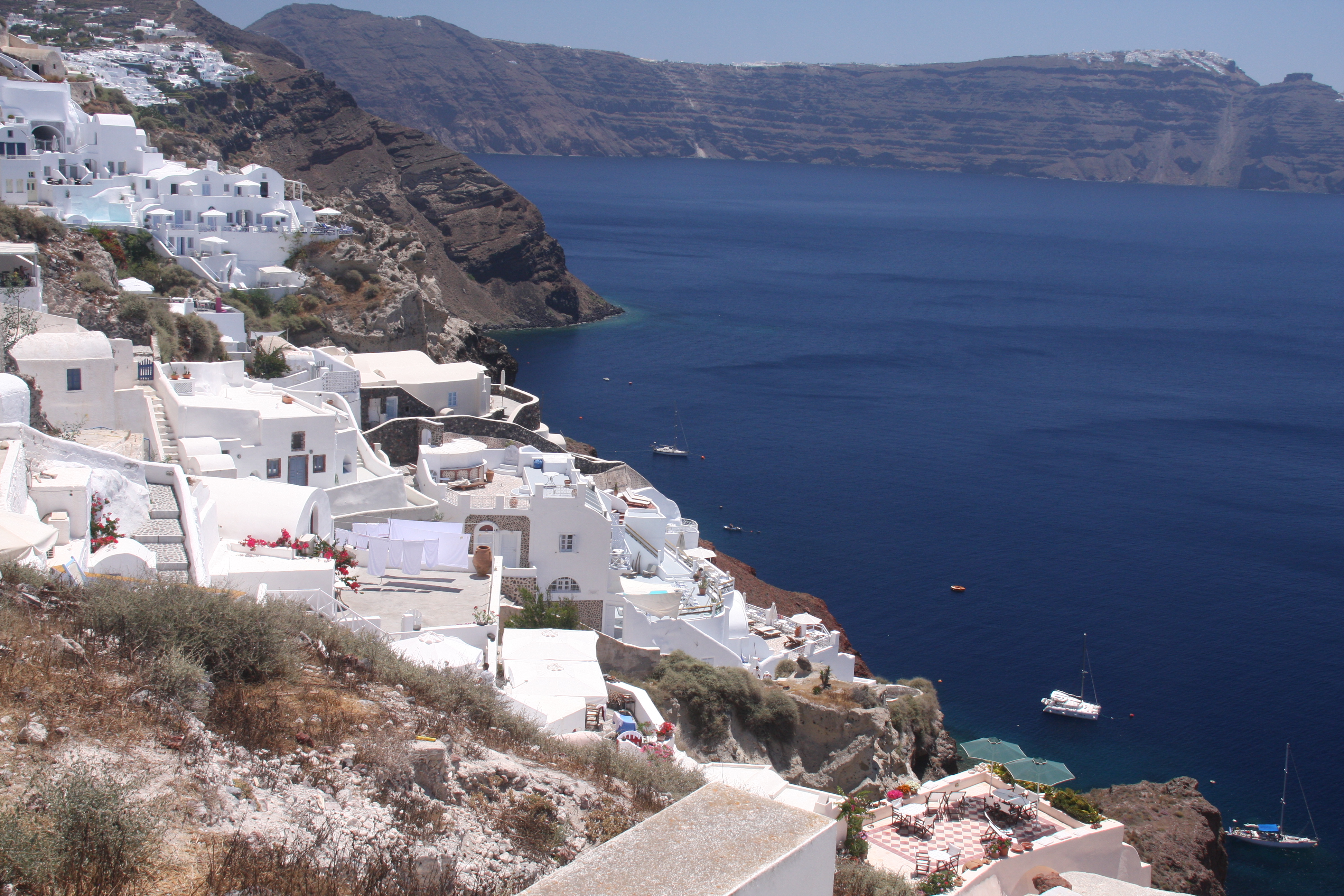
Spectacular view of Oia looking north – and still not quite to the top


Oia looking south into caldera. Sea Cloud moored a long way below.

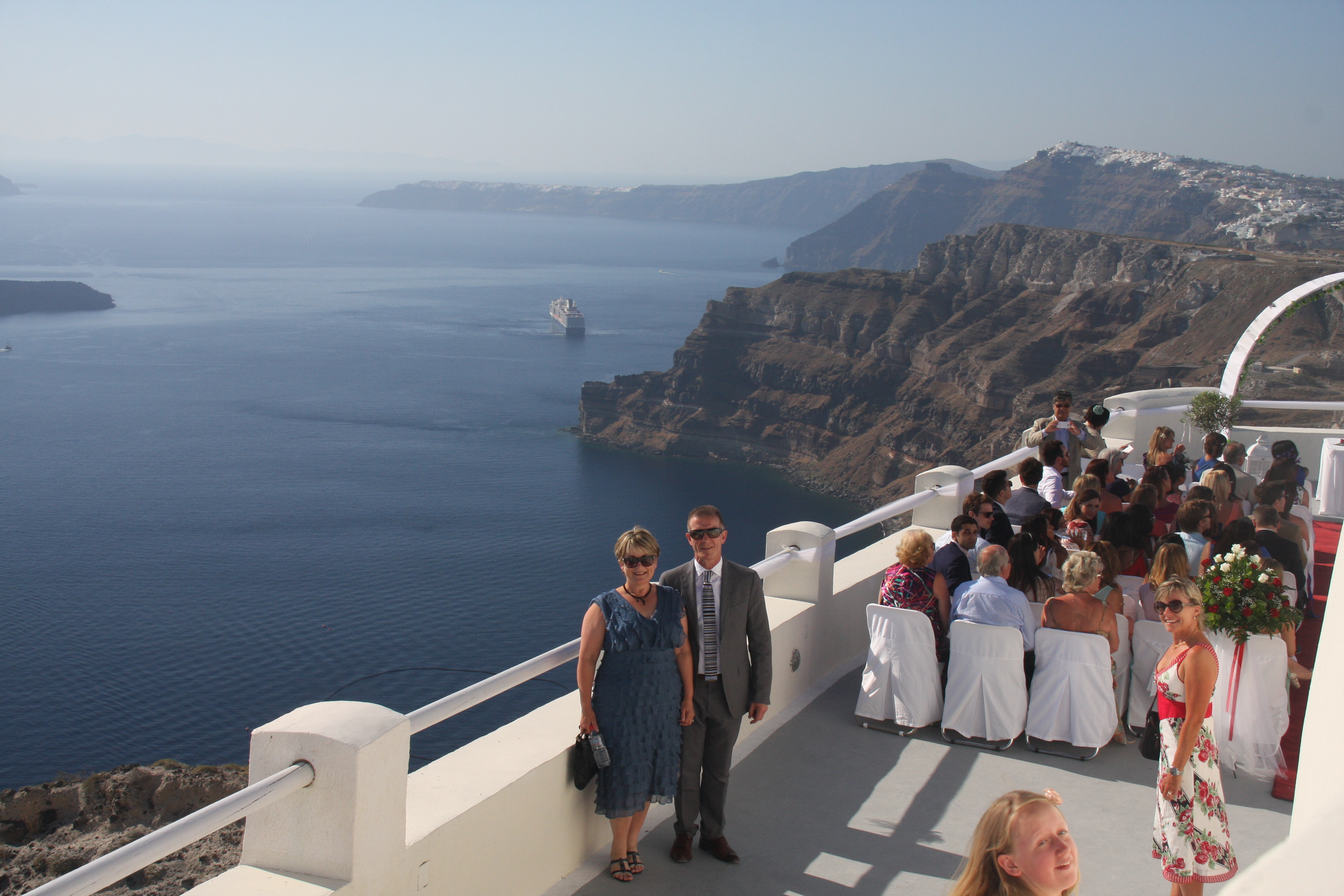
Rendezvous with Suzie and Paul – the proud parents of the groom in the most spectacular spot for a wedding ceremony

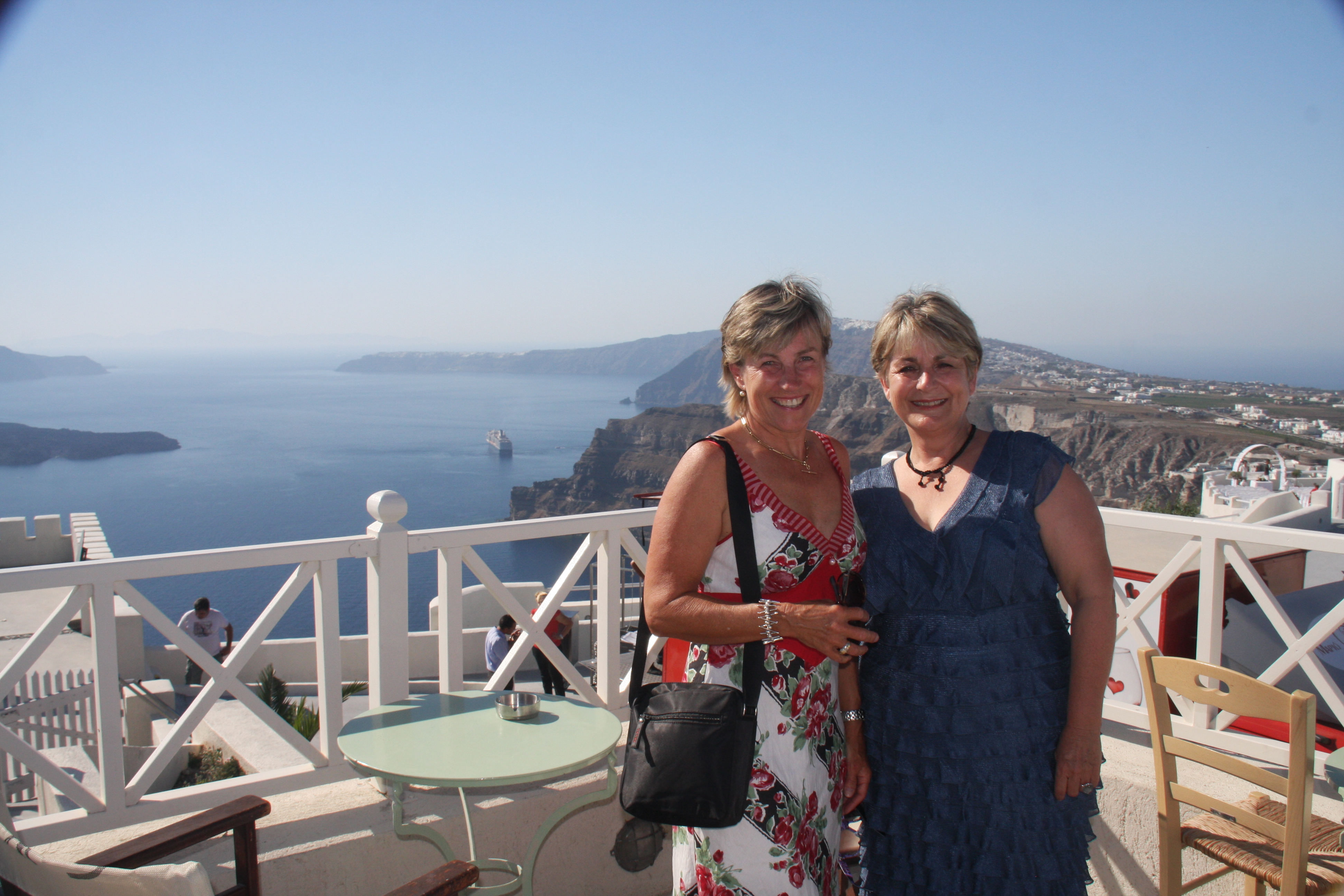
Sea Cloud’s sea dogs scrubbed up sufficiently to meet the “summer elegance” dress code for the occasion.

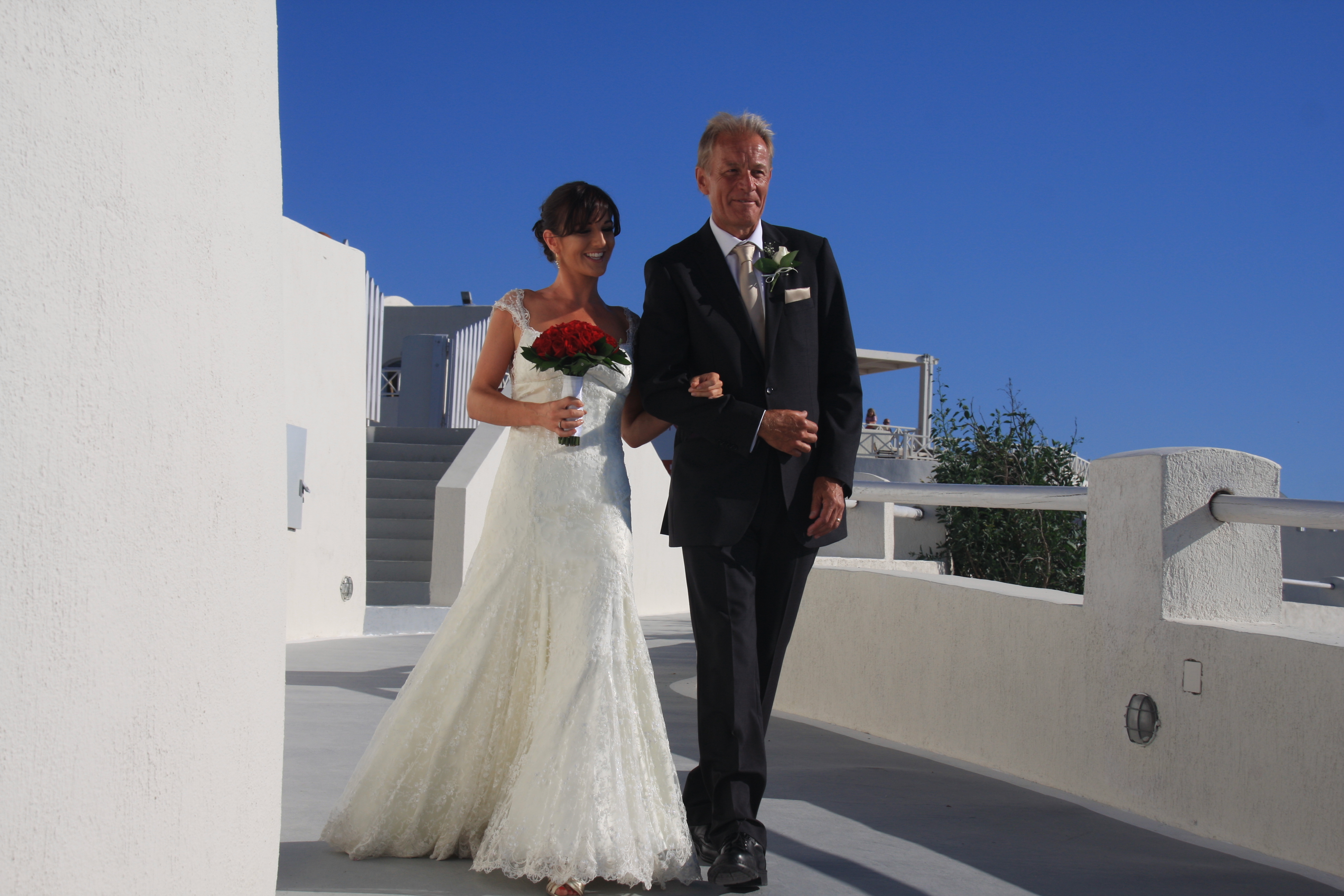
Ellie and Merv the proud father of the bride

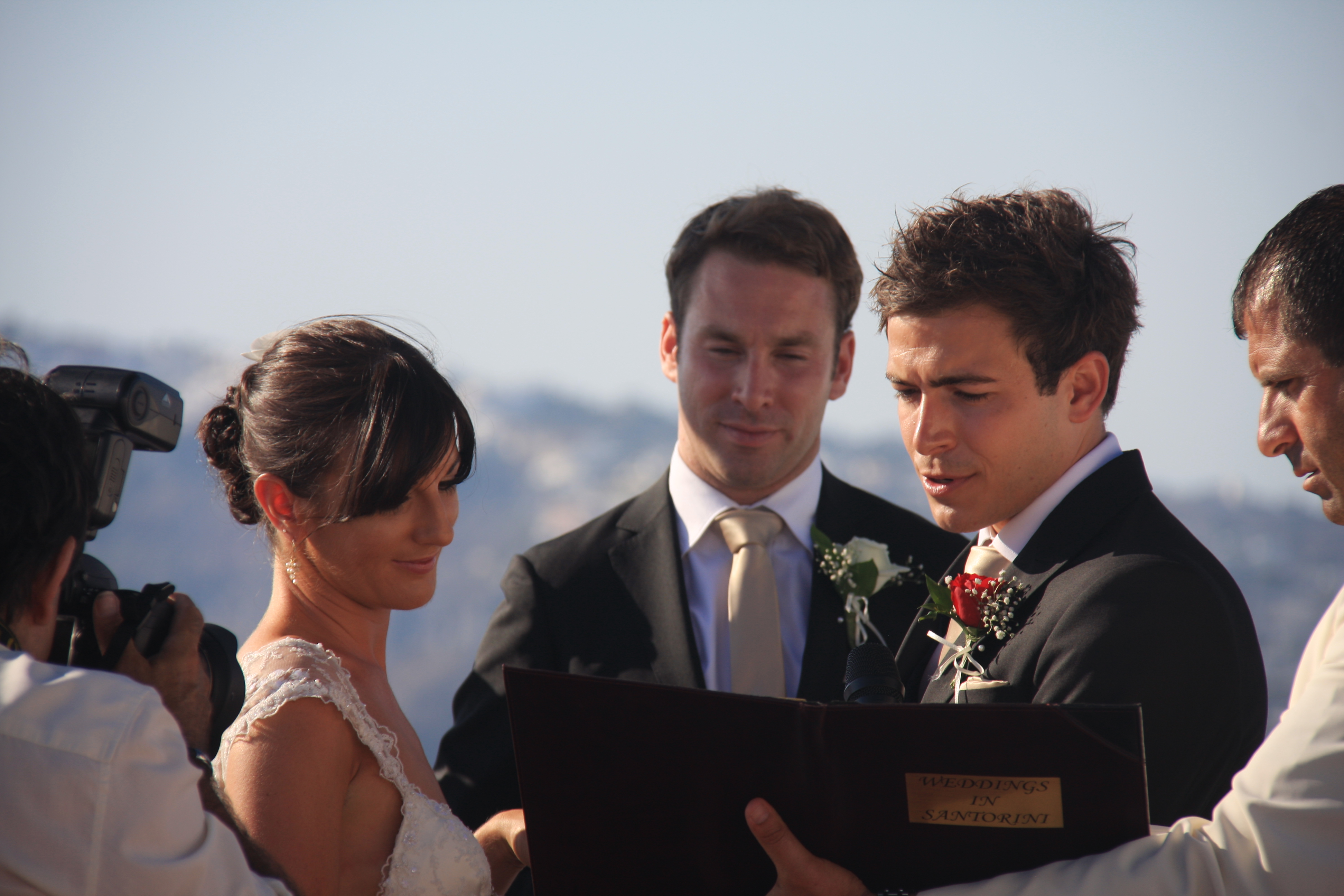
Ceremony – Ellie, Toby and best man Patrick.

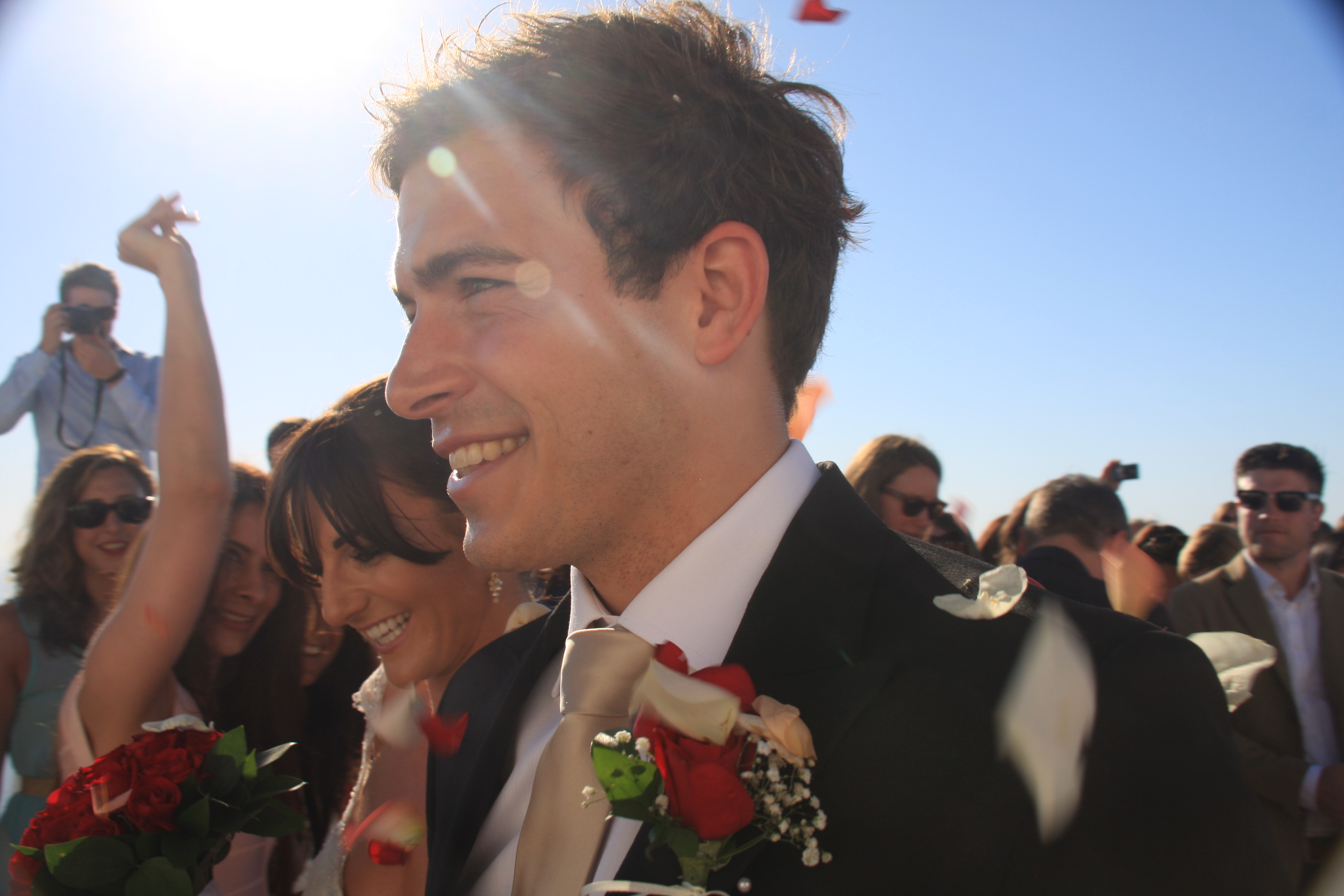
Mr and Mrs Tait!

Three of the many divas attending the wedding – Annabelle and Suzie Tait with Cathy set off the classic Santorini afternoon. The reception followed at the Wave Bar on the south coast at Vlychada beach. In typical Greek style, music and dancing kicked on till dawn.

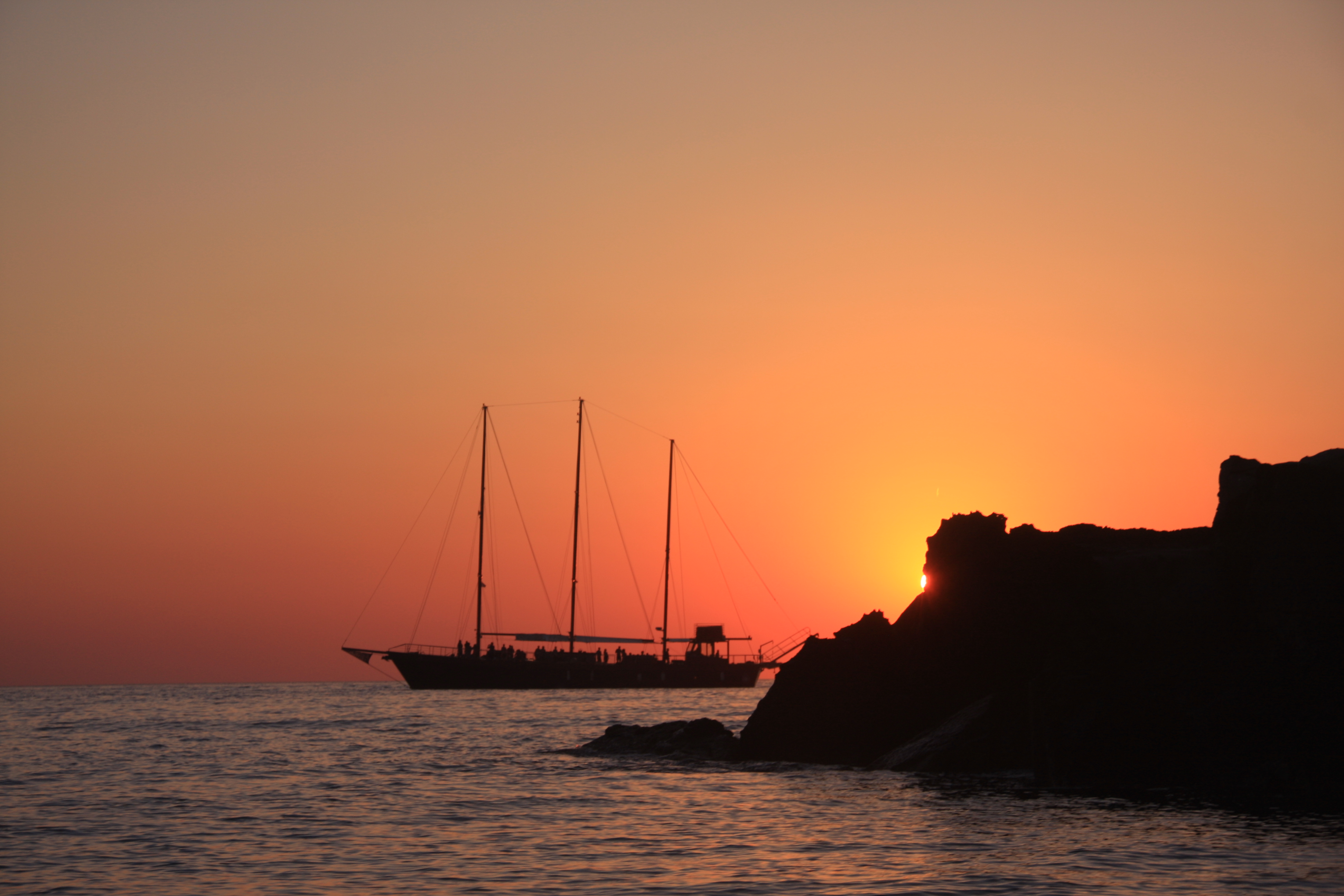
The day after the wedding and post-wedding after parties, back to Sea Cloud (boat and dinghy all in good shape) in time to take in the sunset into the Aegean followed by some R&R, sipping a Campari soda on Sea Cloud lying peacefully at anchor while contemplating the amazing events of the past few days.

Farewell to Santorini as we sailed south across the caldera in the early morning light. Once out of the caldera it was a 64Nm sail NE to Astipalia on a beam reach in 11 – 16kts.

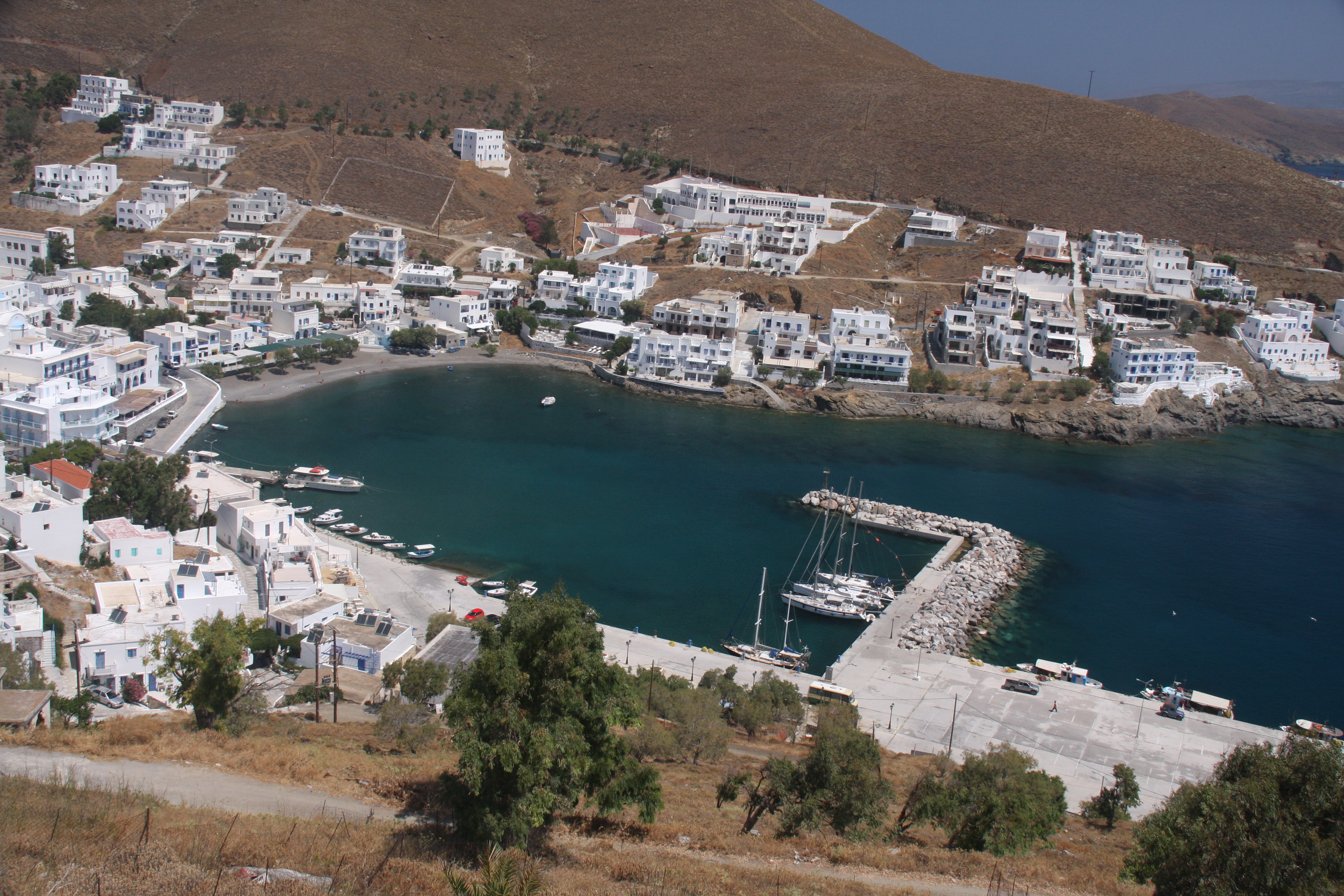
Arrival in Astipalia – spectacular chora and fort on the hill overlooking the harbour.

Astipalia harbour – spectacular for its complete lack of organisation and disinterest from port police in the daily anarchy; half closed for repairs; small craft in deep sections of harbour; power and water on the opposite wall to the boats etc, etc. Examples of Med mooring displayed here were off the idiocy scale – even Cathy was on the bow gesticulating. High point for the evening was rescuing a cormorant from drowning – freed it from a fisherman’s net left lolling in the water while the bird bit little holes in Ian’s fingers.

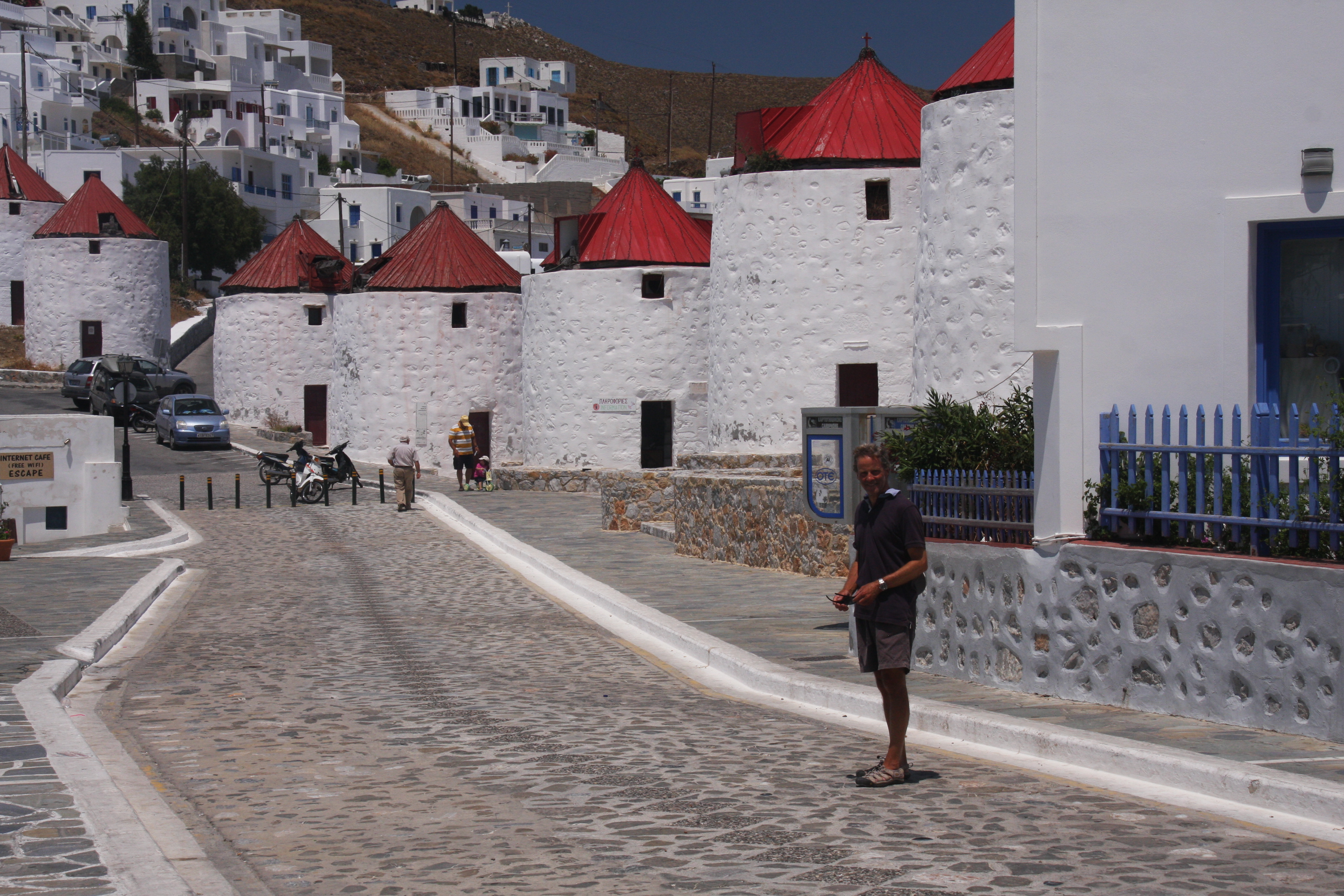
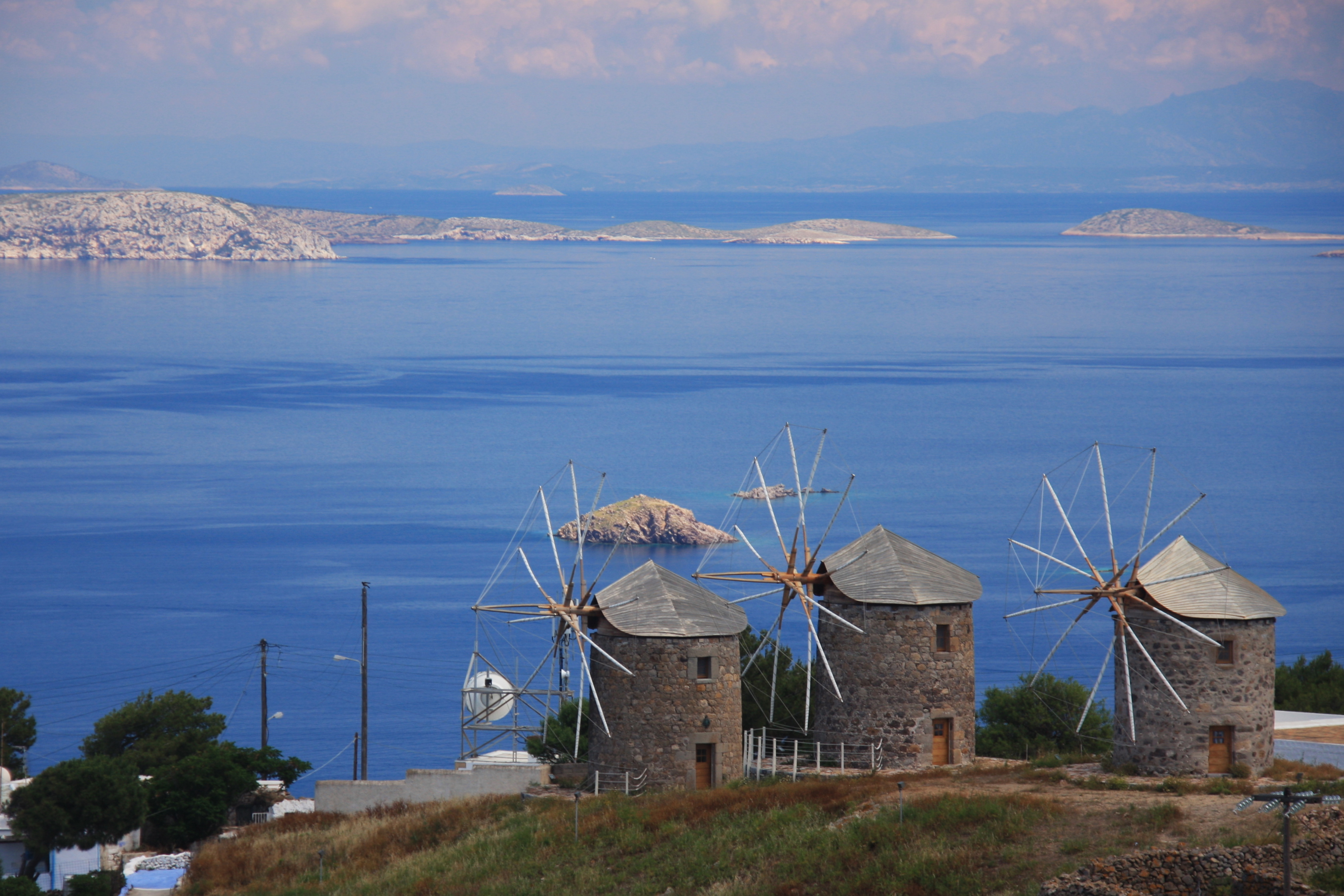
The line of windmills right through the middle of town gives a clue to the fact that strong winds blow in Astipalia nearly constantly.

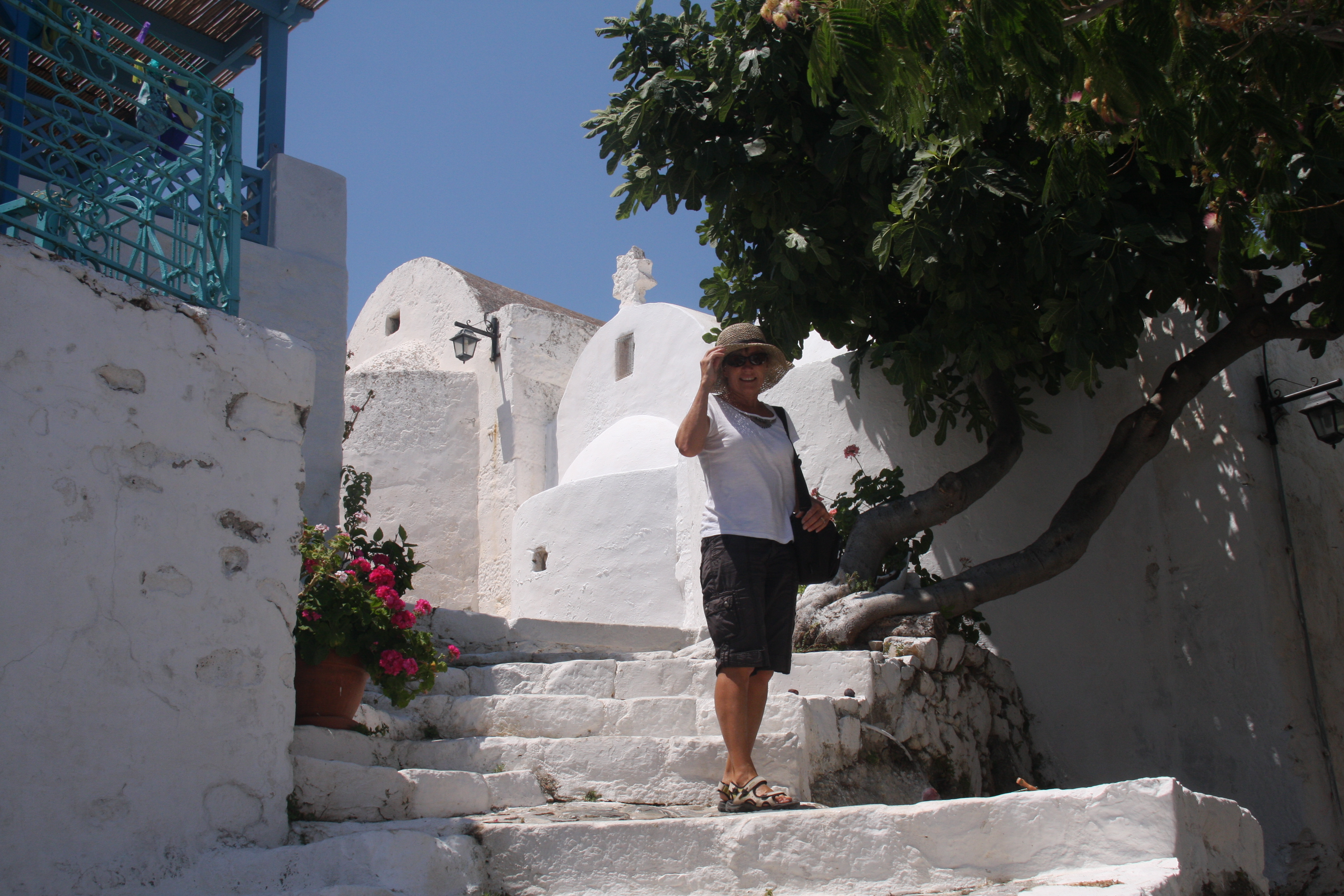
Walk up to the chora and fort provides wonderful views of the coastline of Astipalia.

Sailed from Astapalia back to Leros (46Nm). Pandeli Bay has become a bit of a base in recent weeks – with the best Mojitos in the Dodecansese – why not?

June 2012 Dodecanese Islands

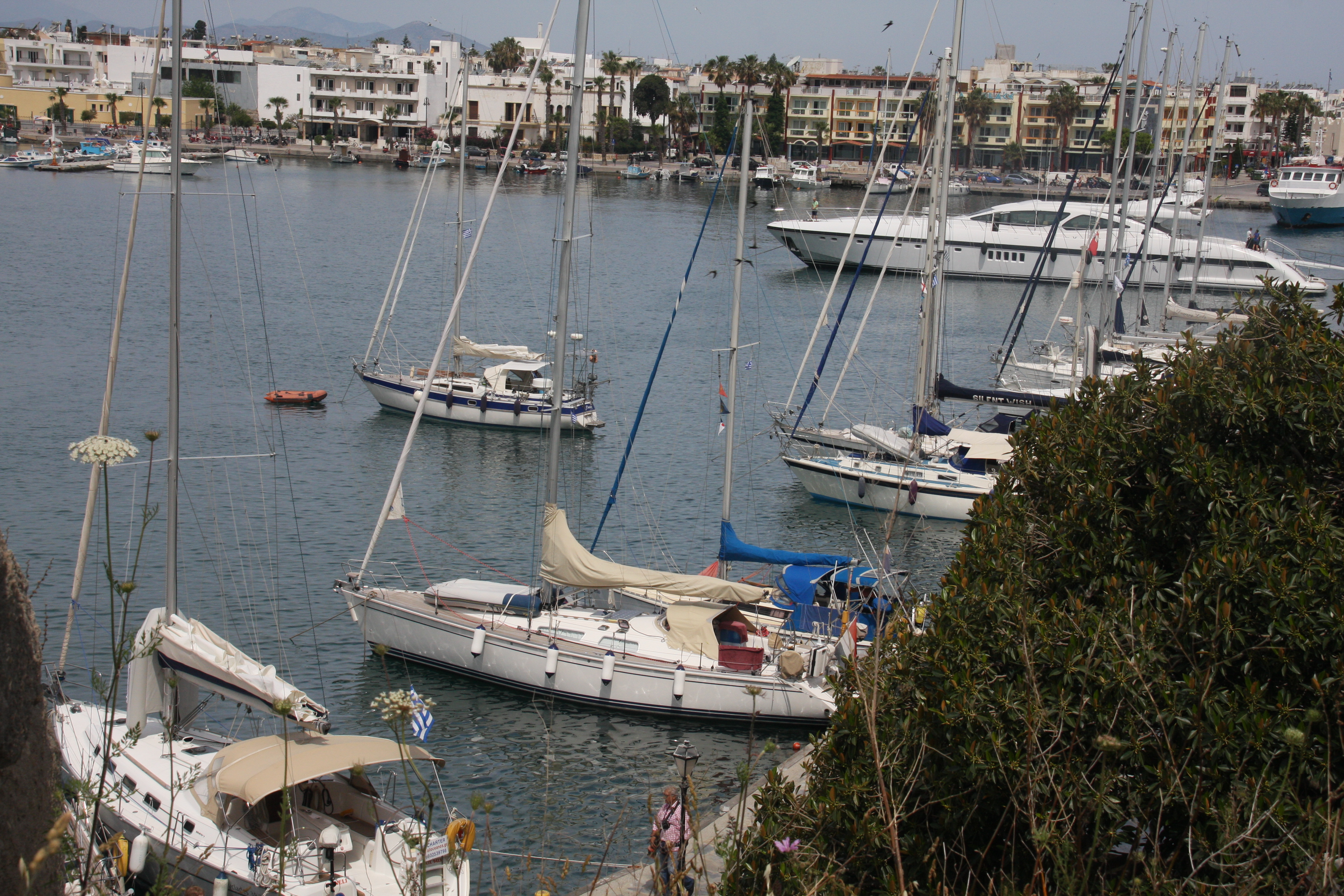
Arriving in Kos – a short (less than 20Nm) sail from Bodrum, we anchored stern to the wall in ancient Kos harbour. So nice being here so early in the season as there was only a small handful of yachts in this usually very hectic harbour. As much of the island (particularly the coastal roads) is flat, it’s a great place to cycle. The concept has been embraced by the community as dedicated bike paths have been built all around Kos town and the rural roads seem safe enough.

Image

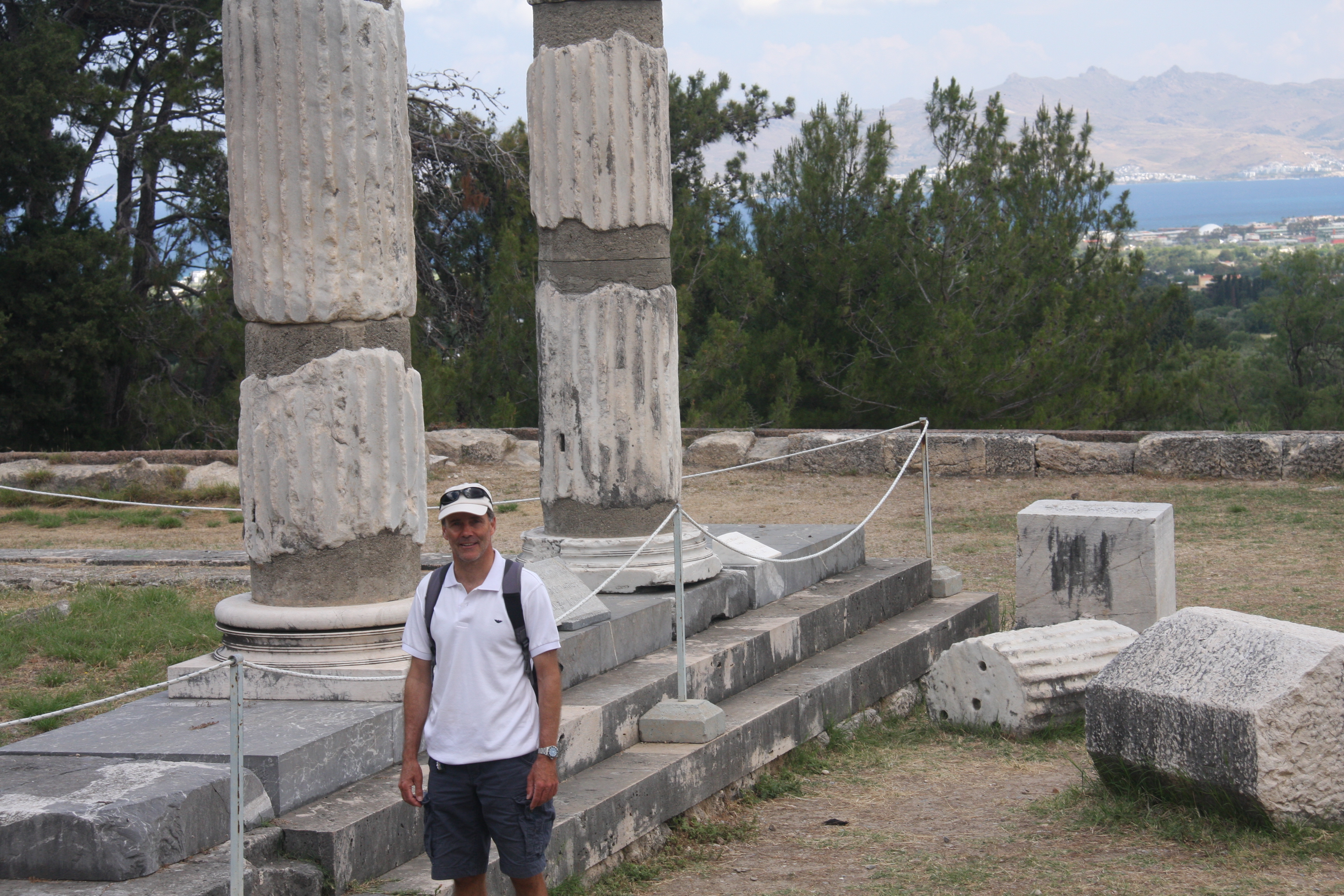
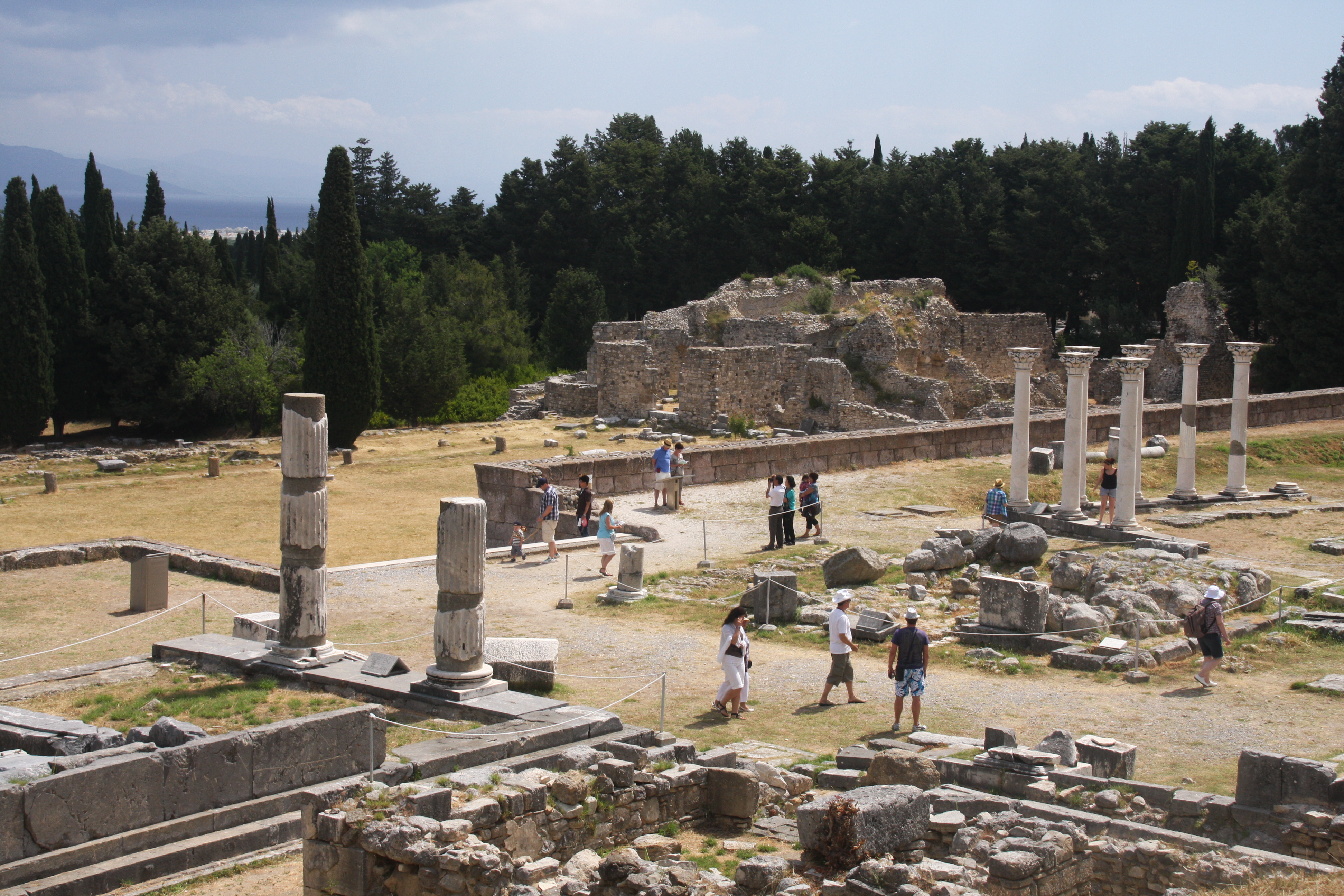
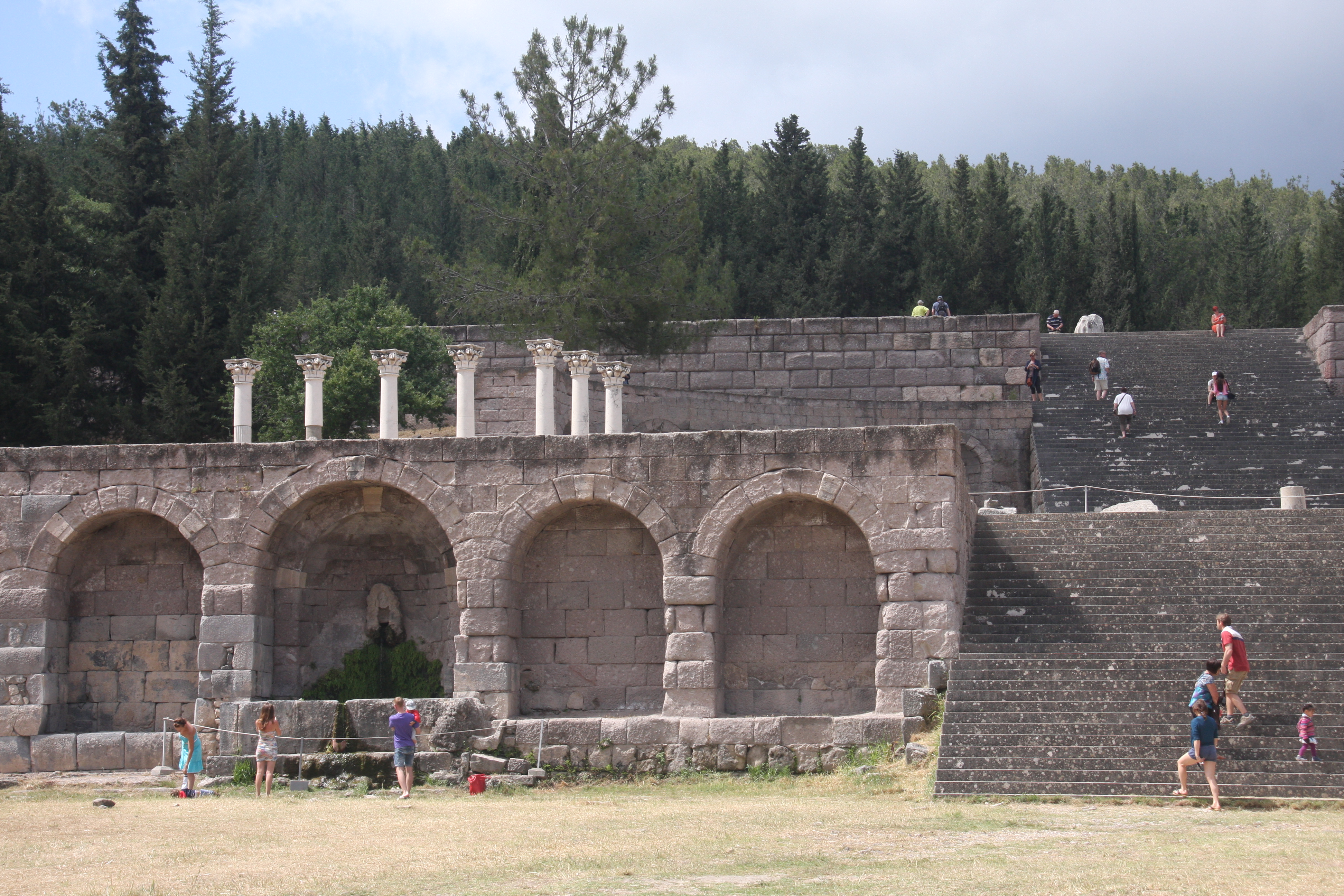
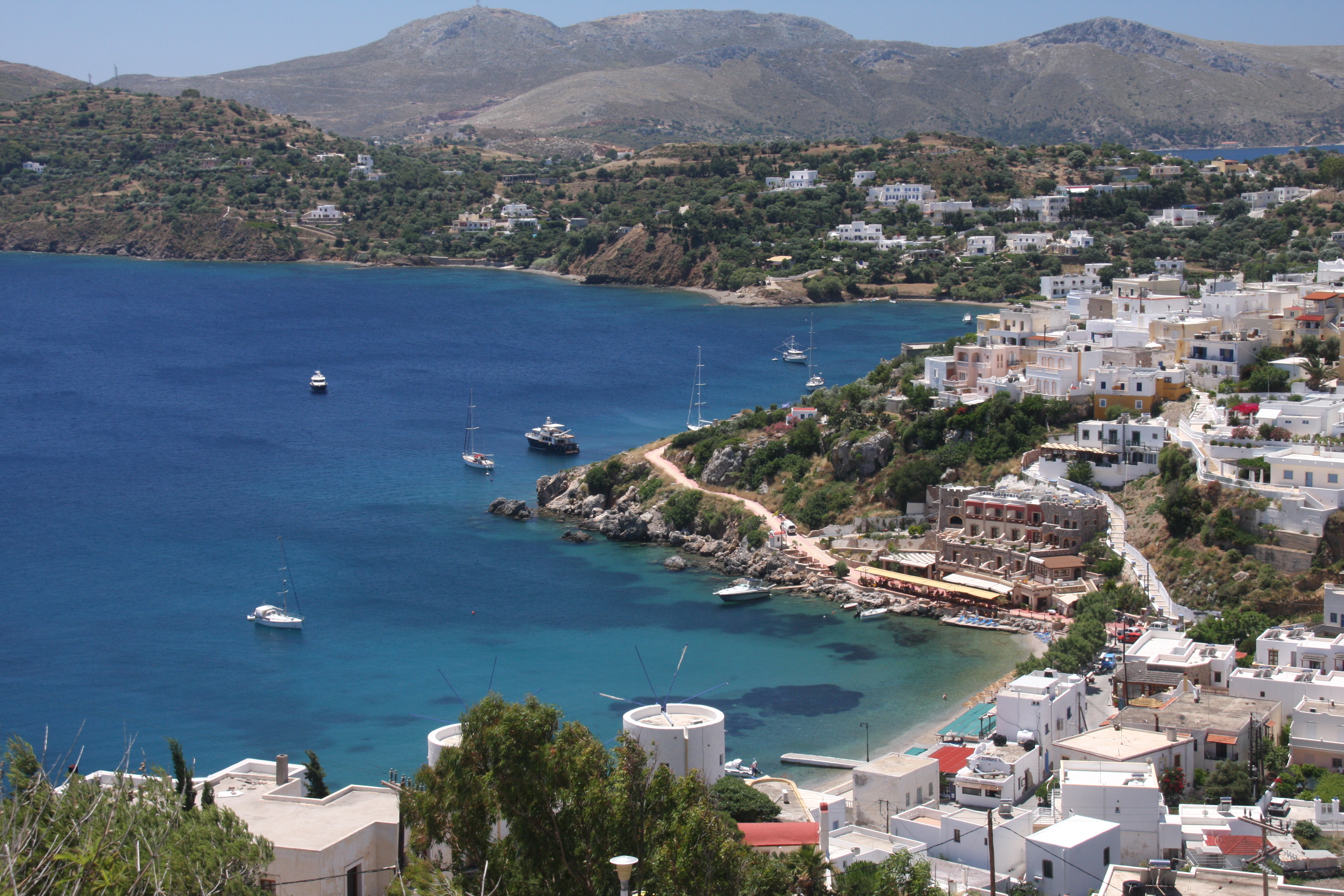
Kos has significance for the medical historian. It was here that Hippocrates focussed on his practice and teachings in the 4th century BC. The plane tree in the central square near the fort has certainly been replaced many times since he originally taught under it, but the current tree is very old and revered nonetheless. A 1 hour cycle up the hill to the north brings us to the Aesklepion – a temple complex dedicated to the healing cult of Aesclaepius built by the Greeks in 4th Century BC and added to as always by the Romans 300-400 yrs later. After a morning of cycling, the café near Hippocrates’ shady plane tree was a wonderful spot to relax. Taking advantage of the southerly winds we sailed north to Alinda – a bay on the east coast of the Island of Leros. We were the only yacht anchored in this part of the lovely bay with views of the Turkish fort high on the cliffs overlooking the fishing village of Ay Marina on the other side of the bay. Ay Marina has the best coffee so far! Pleasant walk back through the town, up to the saddle where Platanos (capital of Leros) overlooks Ay Marina to the north and Pandeli to the south. Memorable lunch by the old mill at the Mill restaurant, right on the water between Ay Marina and Alinda. In the calm, we anchored Sea Cloud off Mirties between Kalymnos Is and Telendos Is before searching out the world famous Babi’s Bar and Grill on shore. Babi played host but Dianna was away tour guiding in Rhodes and Kos. A long walk up to the hill was worth the fabulous views over the town and the adjacent Telendhos Island which apparently split from Kalymnos in an earthquake around 400AD.

It was a wonderful calm weather anchorage although as Telendhos is now, as is most of Kalymnos, a rock climbing destination and a very popular lunch/dinner spot) we were subjected to the constant traffic of the tripper boats between the two islands. Vathi on SE of Pserimos Island was a lovely anchorage, the smell of wild thyme wafting into the bay and the goats’ bells clanking in the evening and early morning. We liked it so much we decided it was a safe spot to be for the predicted southwesterly blow the following morning. Unfortunately, the wind came early and from the east – putting us on a lee shore. A hasty departure pulling up anchor in 1m waves and 20knot breeze was not fun!
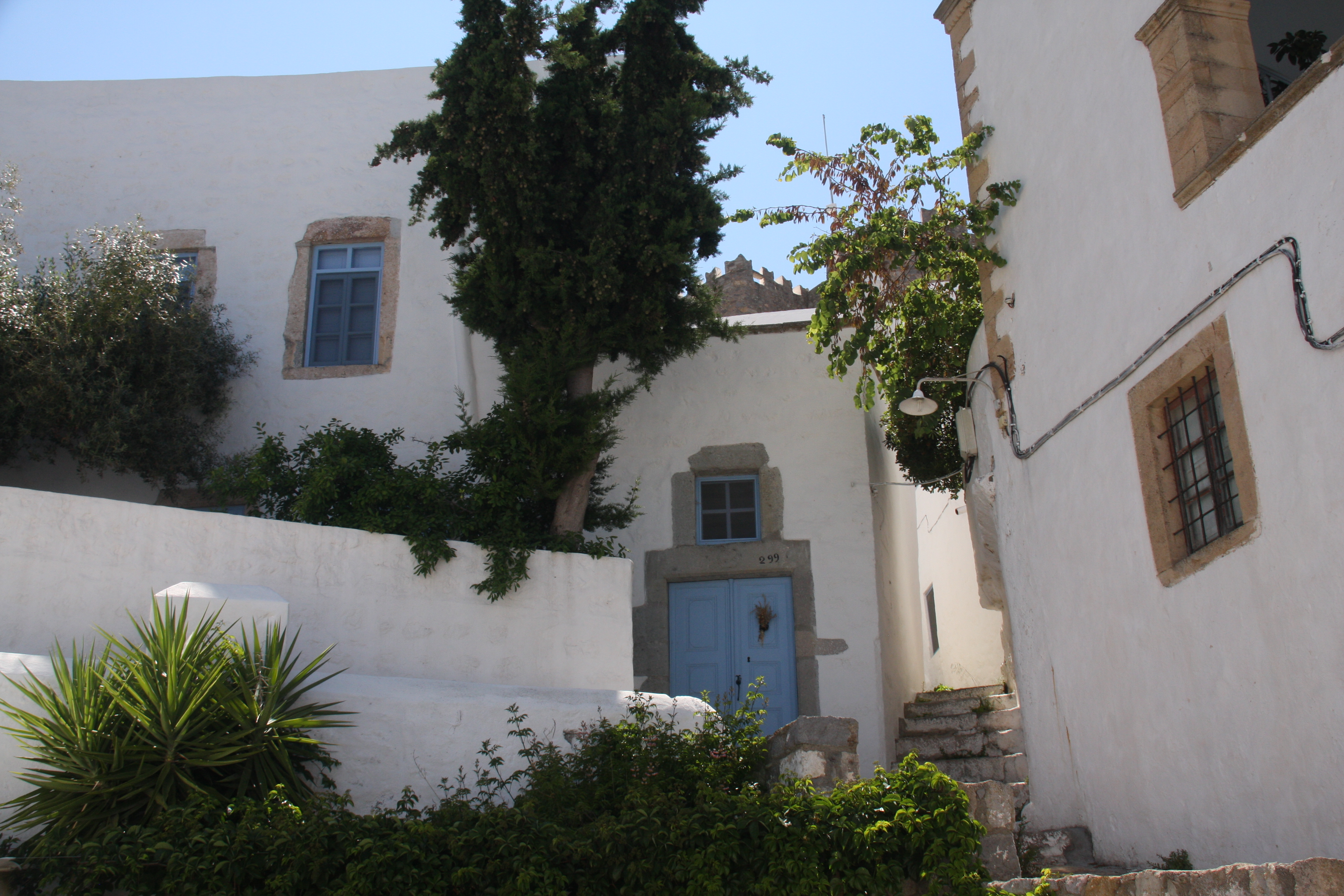
Patmos deserves its Michelin 3 stars with its highly significant hilltop monastery and fortifications, the old Chora and wonderful isolated, picturesque bays with clear water. A great place for a few days. The town wall, although noisy with ubiquitous motorbikes sporting inadequate mufflers was a good place to meet other sailors, 2 Aussie boats encountered here.

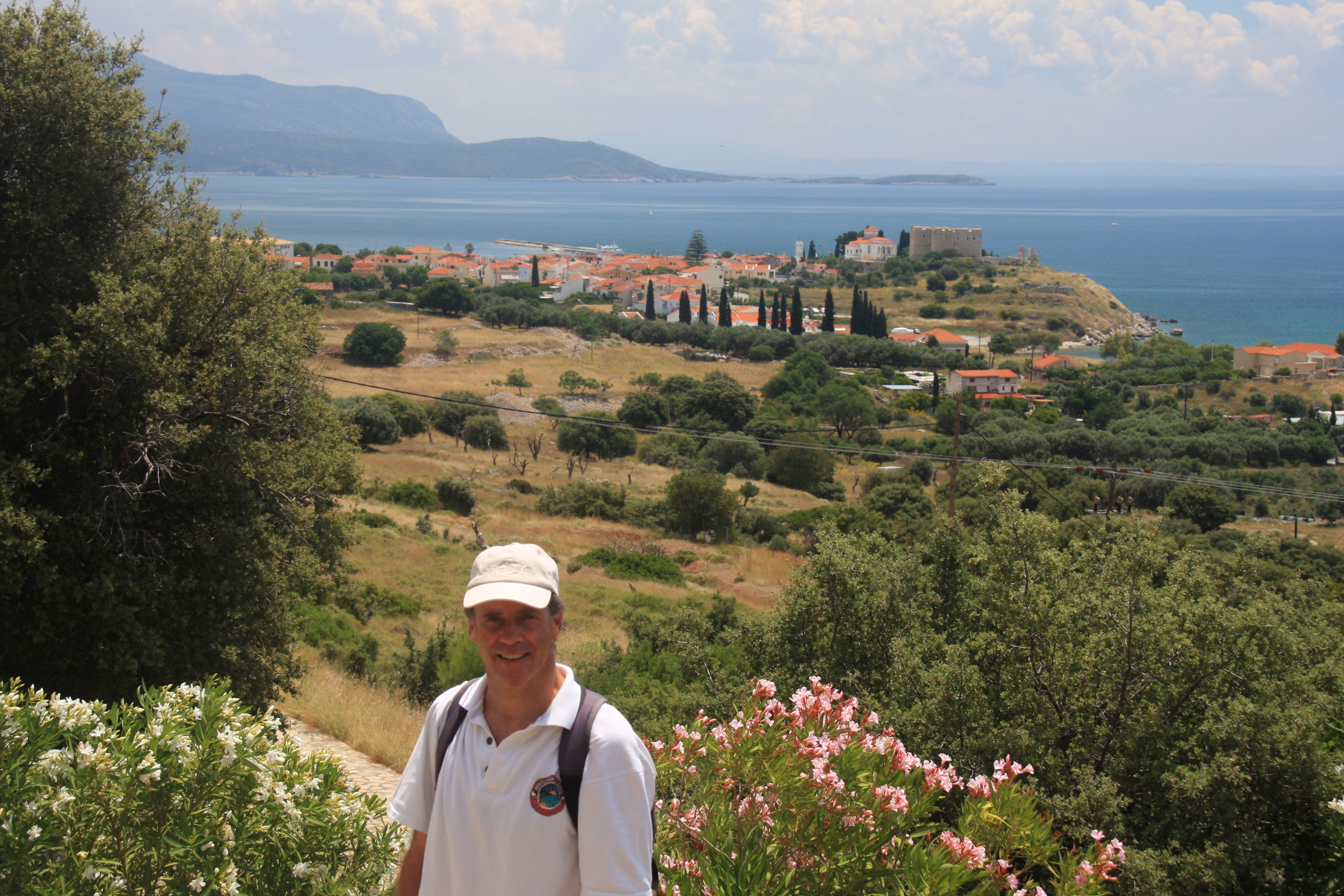
Pithagorian on the south coast of Samos where we were to meet our friends Pat and Sandra Chick was a pleasant surprise – a lovely bay to anchor, good fun town wall (notwithstanding the circus of crossed anchors each morning). Good restaurants, pleasant waterside cafes and walks.

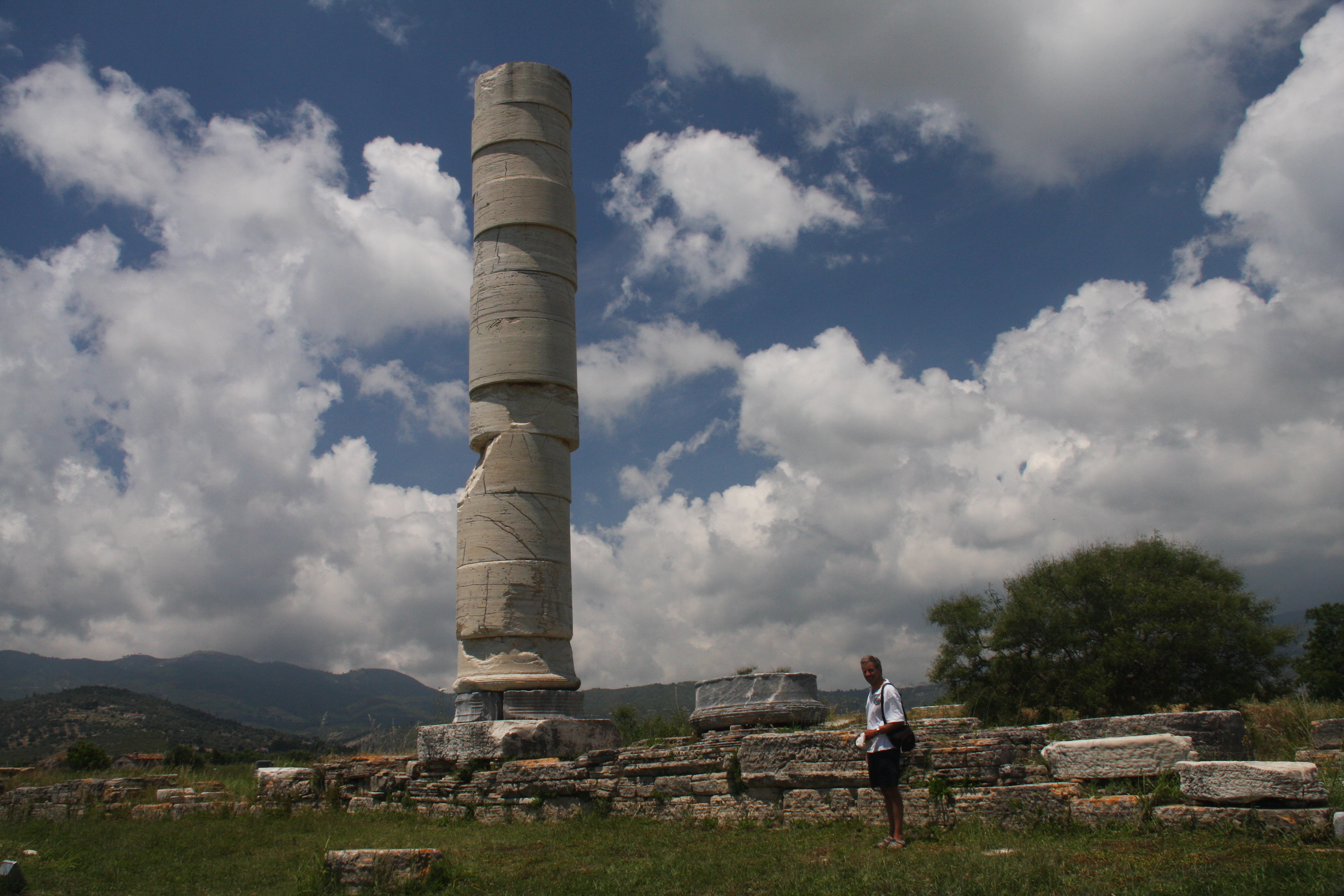
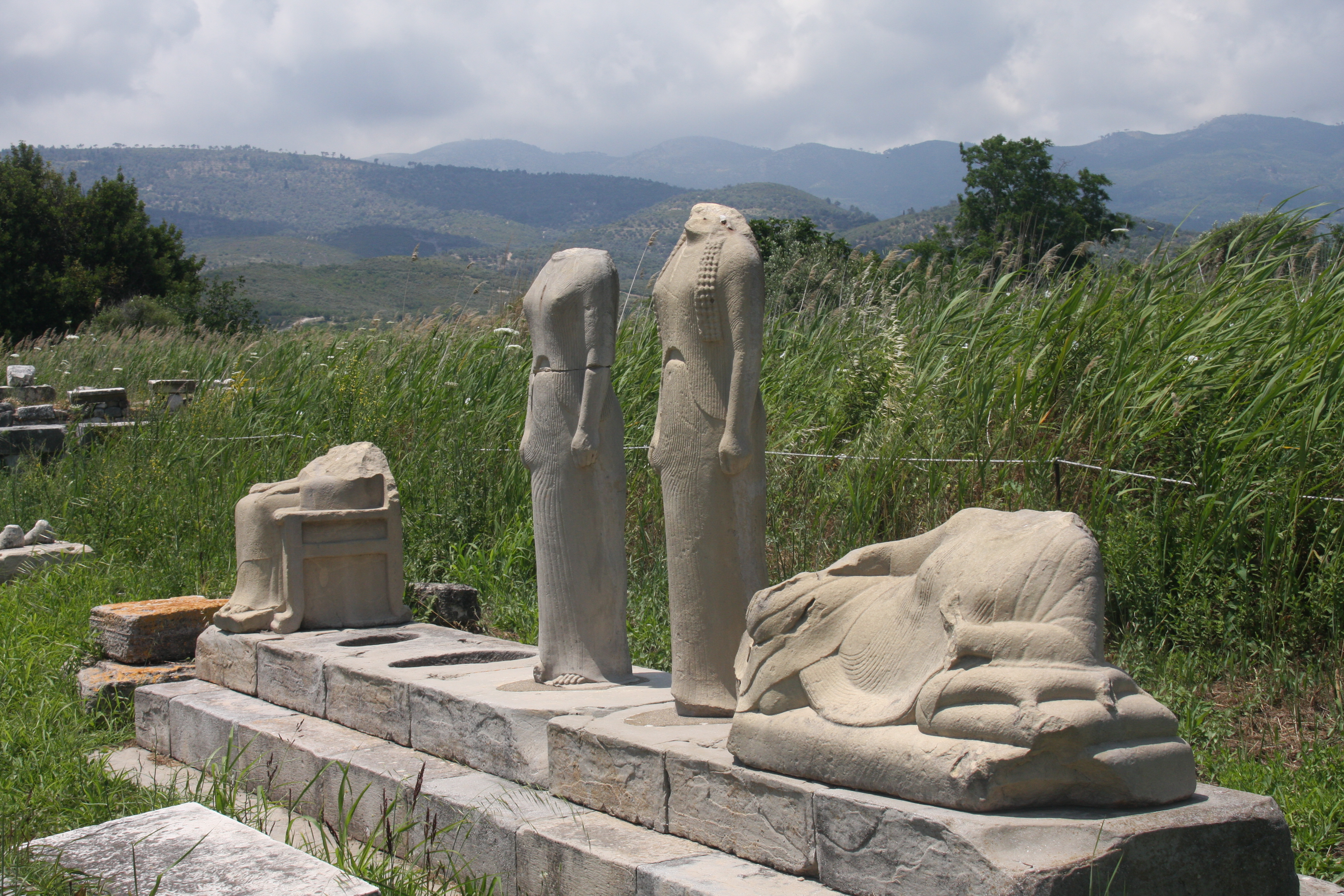
The Epualian tunnel – an 8 km long underground aqueduct/tunnel built in 500 BC was incredible. How did they manage to dig such a structure through 8km of rock, starting at both ends and manage to meet in the middle? Pithagorian was named after Pythagoras who was born here (although he spent much of his life as philosopher and mathematician elsewhere in Greece). Ruins of the temple of Hera, built 400BC and twice the size of the Parthenon, can be found just outside the city. It has clearly been an important location for a very long time.

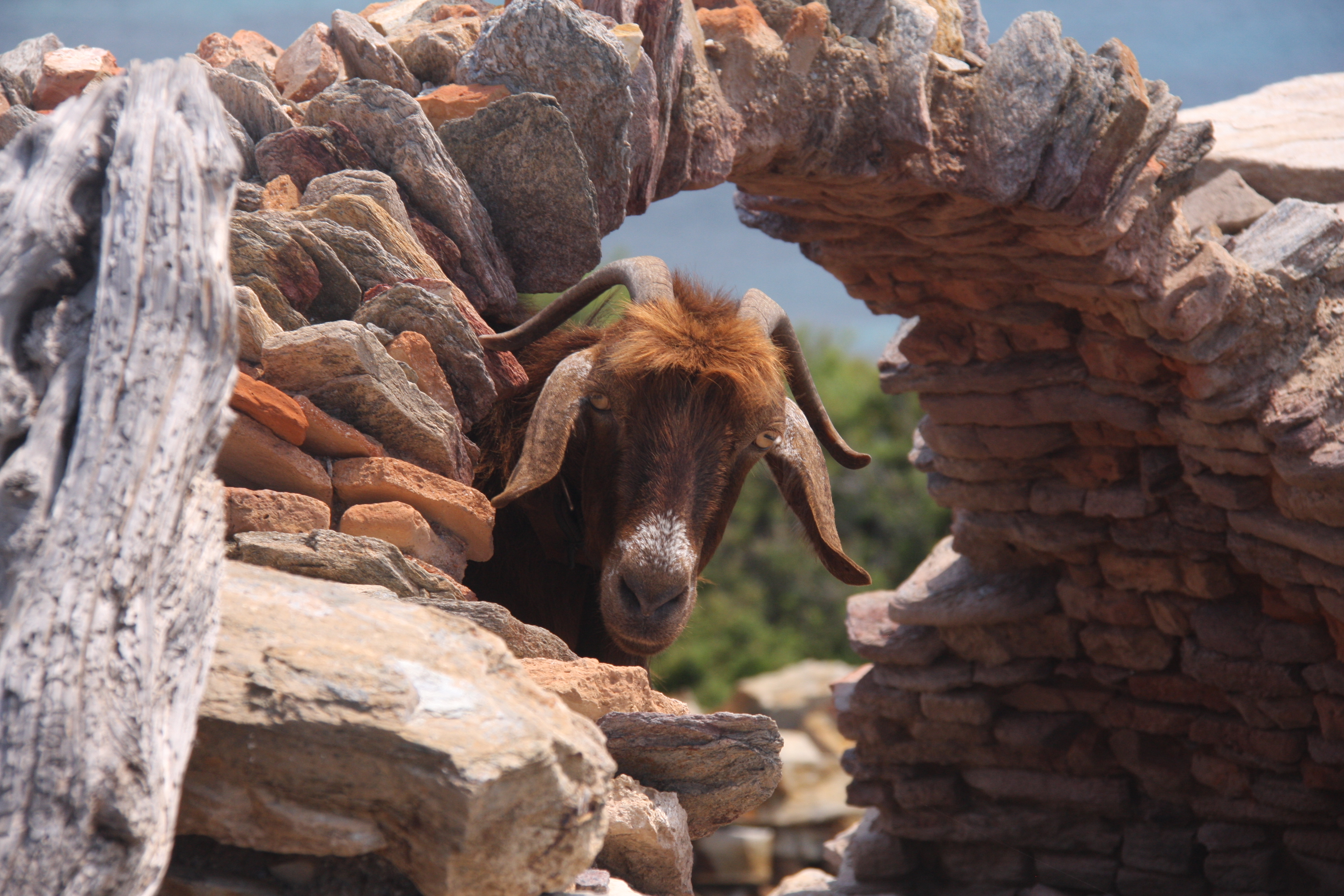
The mooring buoys off Marathani Island were a good base for dinner ashore and a wander around the island, the home to many photogenic goats and the obligatory blue domed chapel on the hill.

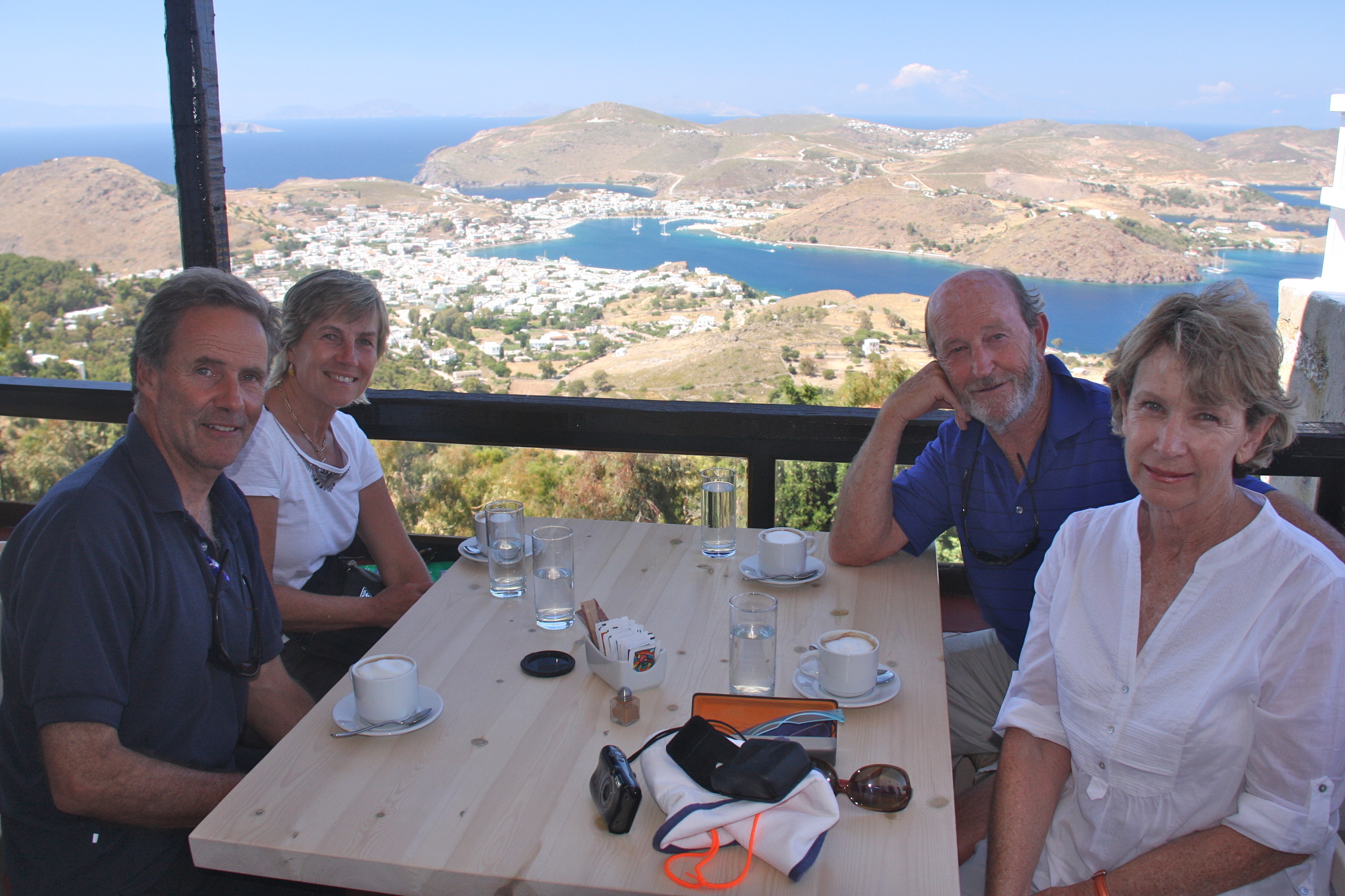
Of course we had to visit Patmos again and have a drink at Jimmy’s Balcony with its wonderful view over Patmos Harbour and expansive views to the bays to the north.

Pat and Sandra’s last few days were spent at the idyllic Pandeli Bay on Leros where we took advantage of the good restaurants. Pat’s Yachtmaster qualifications were put to good use refining our man overboard retrieval procedures.

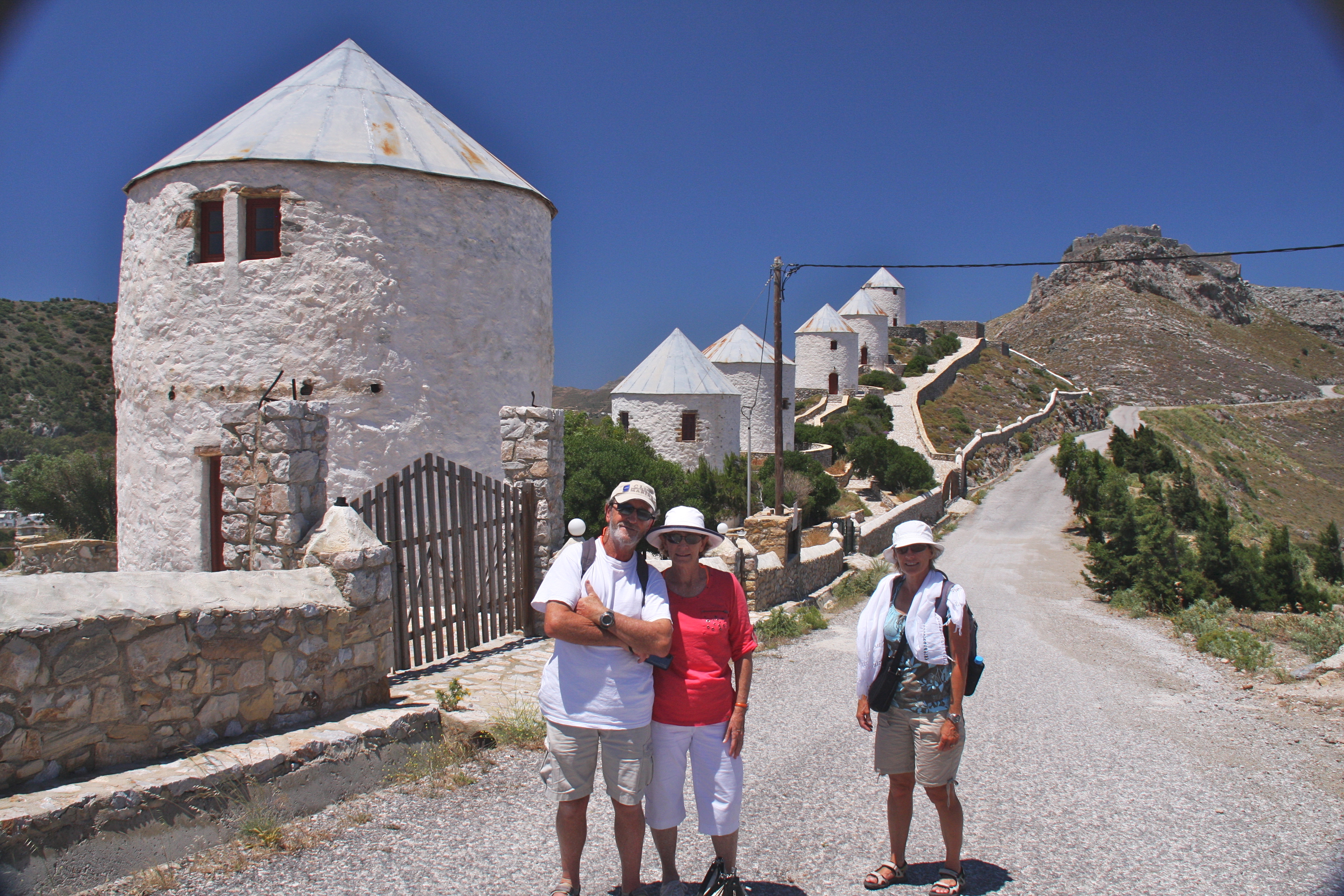
With Sea Cloud safely anchored in the bay, we trekked to the fortress on top of the hill  overlooking Pandeli and Alinda bays to justify another lunch again at the fabulous Mill restaurant on the water in Ay Marina.

We have thoroughly enjoyed the Dodecanese Islands. There are many picturesque and safe anchorages, and no crowds! Following Pat and Sandra’s departure we plan to spend a little more time here before hopefully braving the winds of the Aegean and sailing across to Santorini.
May – Turkish Coast

May, 2012


Our plan for May was to sail towards Bodrum and explore the Gokova Korfezi, the large bay east of Bodrum, before heading to Greece. Leaving Gocek  and the Fethiye Bay behind (note snow still on the mountains!), our first stop was Gerbeske Bay. Although we were hoping to free anchor in this fairly shallow bay, the 2 other boats had already tied off stern to, so we were obliged to do the same, with Ian acting as ‘deckie’ for a change.

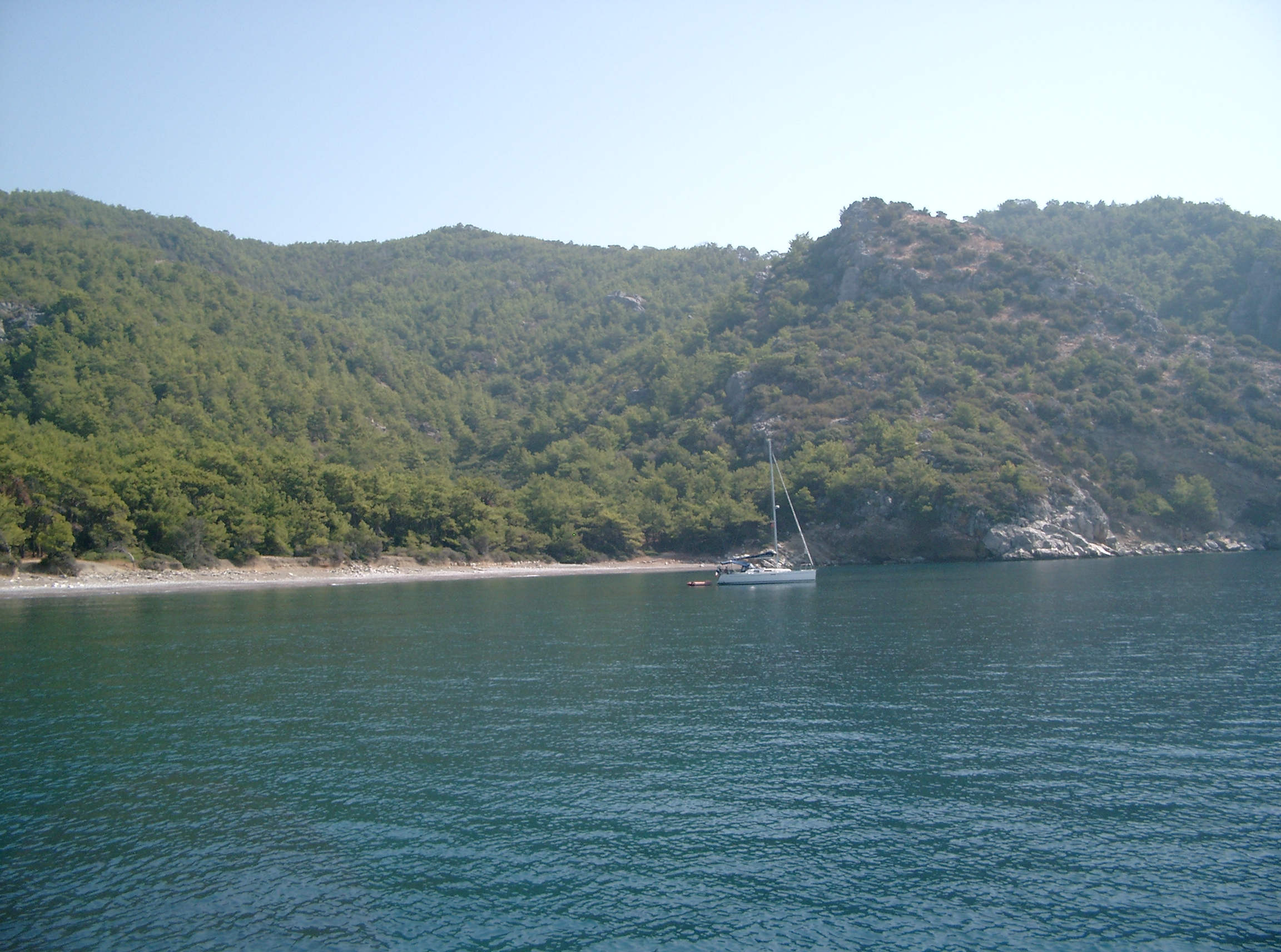
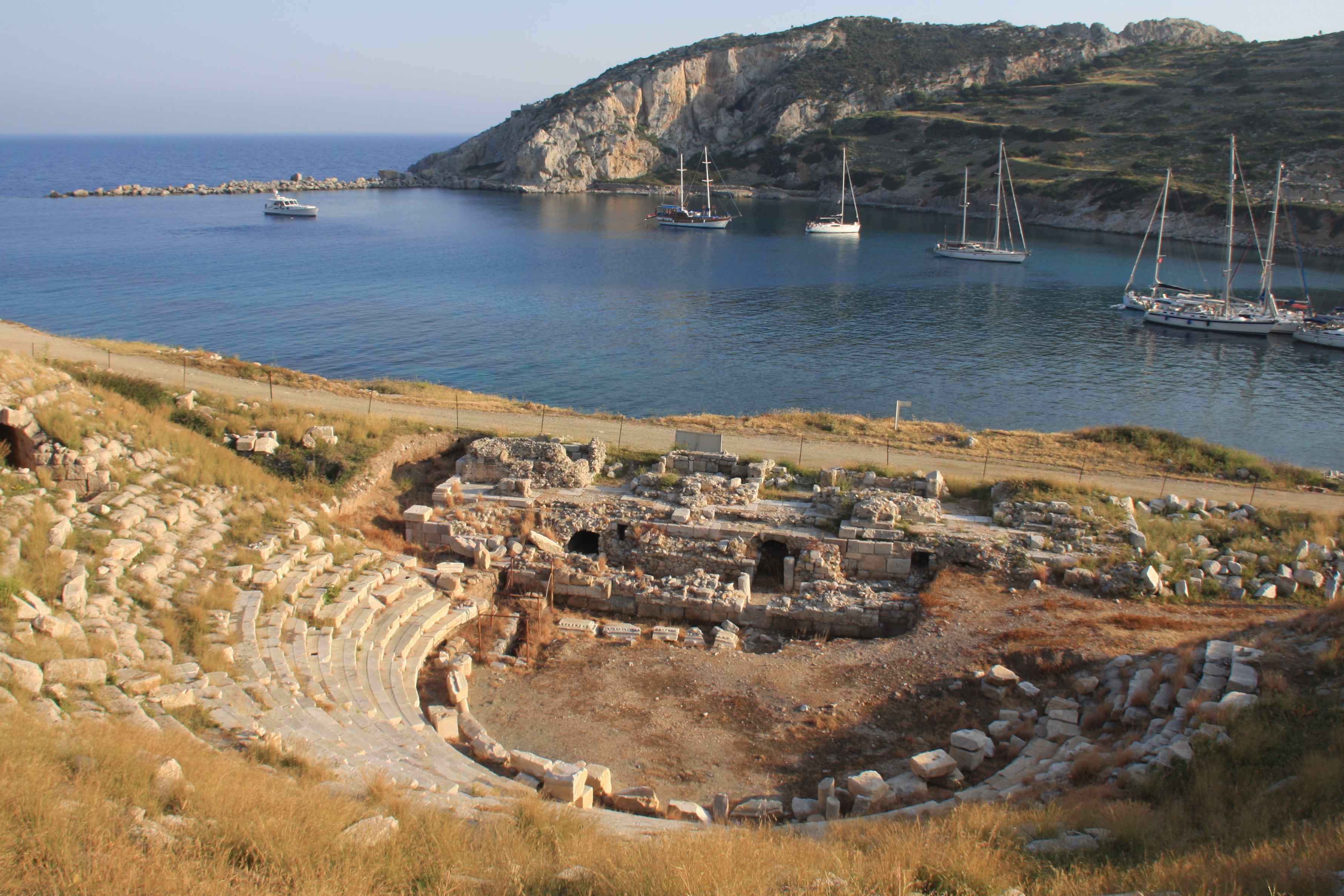
Lumpy seas and winds on the nose, we had a long day of sailing and motor-sailing to reach the lovely bay of Knidos – right on the very wetern tip of the peninsula.  The beautiful, mainly Greek ruins (C 400BC) and the remnants of the city walls coming right down to the Bay, looked wonderful in the afternoon light – an incredibly sophisticated settlement in such an isolated location.

We were surprised by the large number of boats here (12 rafted up on the jetty) – as everywhere else so far had been so quiet. After chatting with the friendly skipper next to us (one of 11 Russians on a Bavaria 44!) we found out that is a 2 week Russian holiday. As we ate dinner in the local restaurant, they cooked theirs on BBQs suspended on boards between 2 boats!

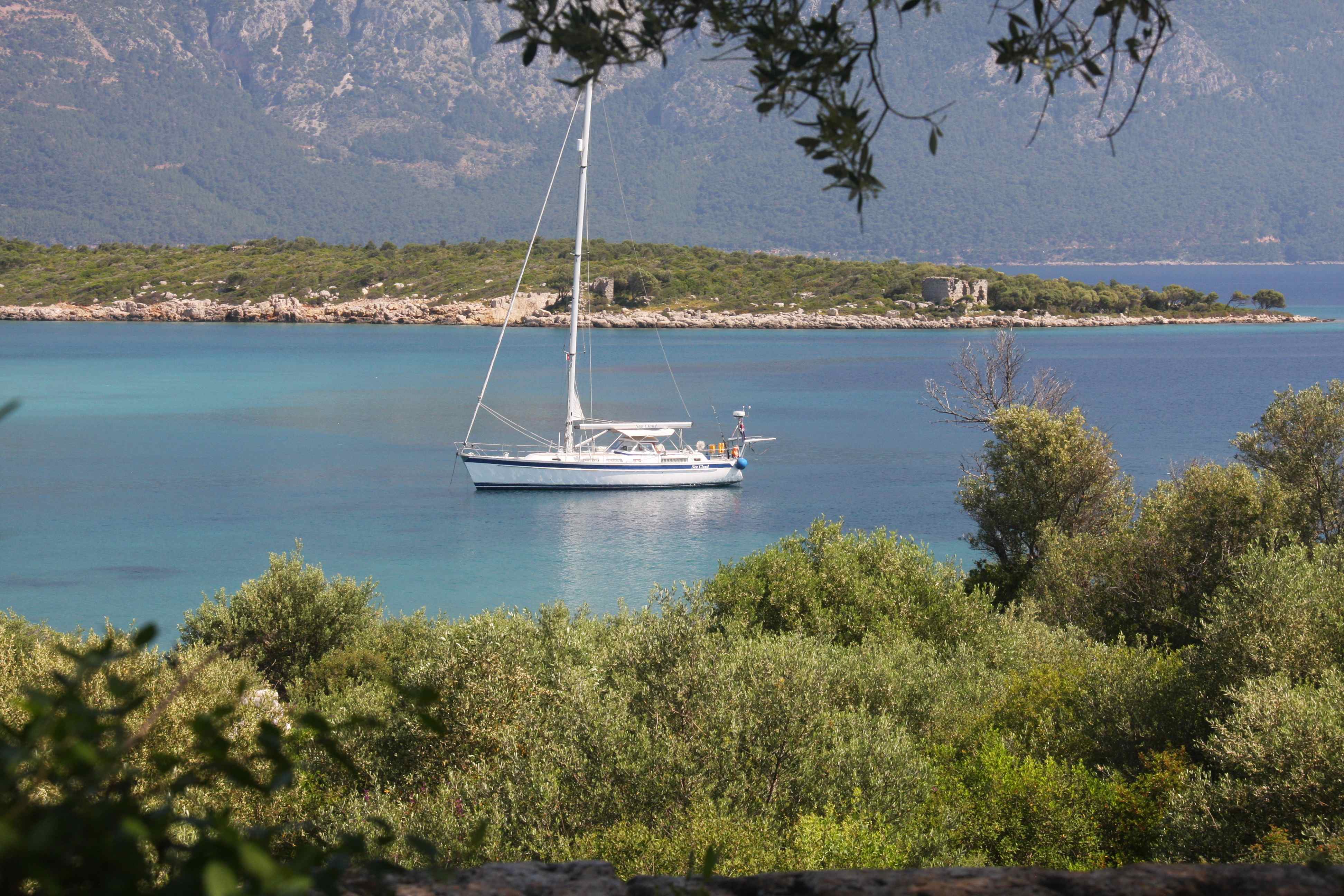
After a very long day with little wind we arrived in Sehir Adasi, (Castle Island), thrilled to be the only boat in the bay. First swim of the season, the water is already 21 degrees, so very pleasant.

Sehir Adasi- Castle Island

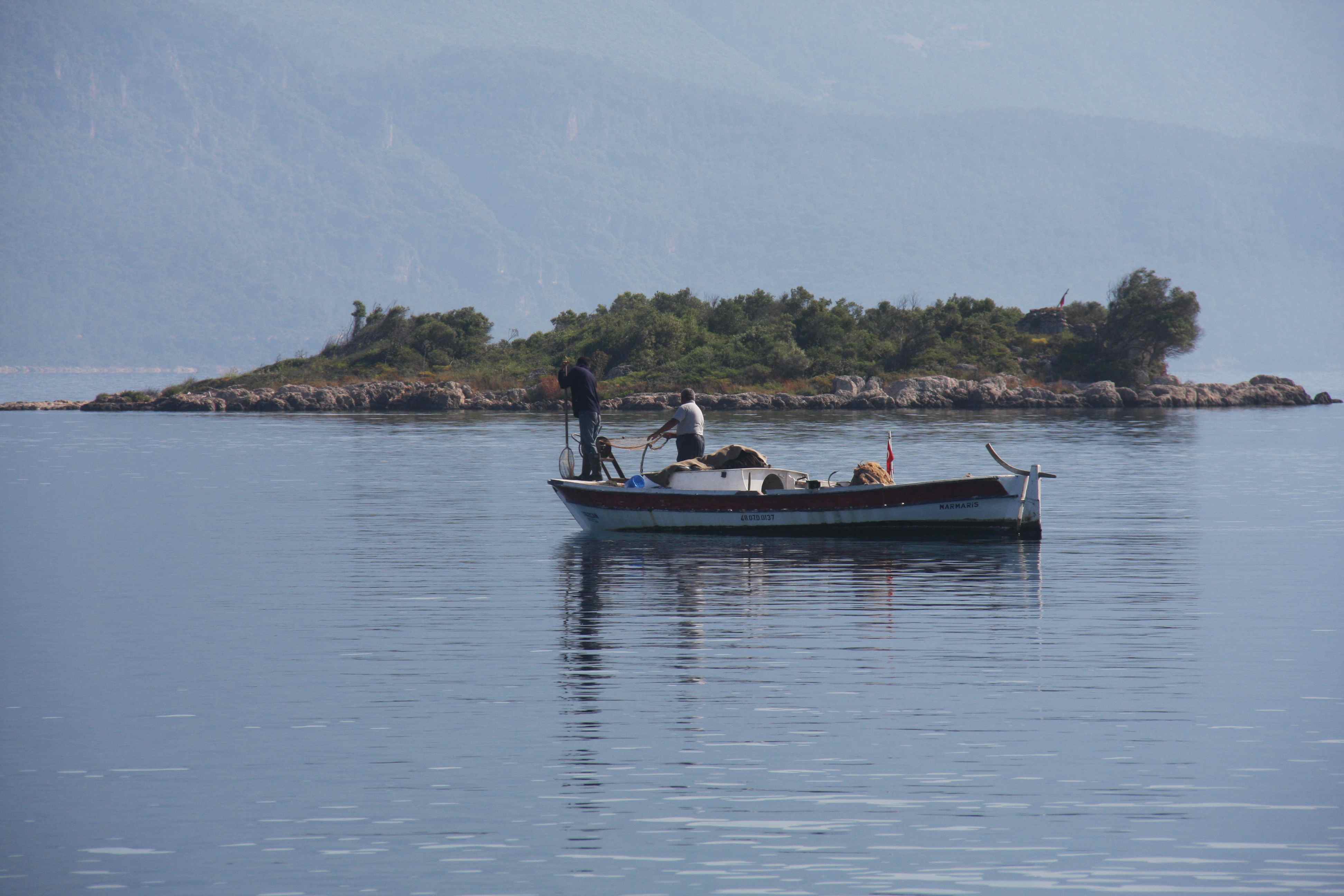
After watching the fishermen haul in their largely empty nets in the bay over breakfast, we still managed to get ashore before the first of the many tripper boats to explore the ruins on the island. Again surprising that a Greek settlement on an island smaller than Scottie, in 400BC “needed” an amphitheatre seating 2,500 people.

The island is famous for Cleopatra’s beach. It is rumoured that Cleopatra brought the sand from Egypt. The ‘special’ white sand beach (like we have on most beaches in Aus) is roped off to prevent  visitors ‘souveniring’ the sand in their pockets.

The water around the island is wonderfully clear and blue. Another night in the bay, still only 3 boats here on a Saturday – this is the time to visit Turkey.

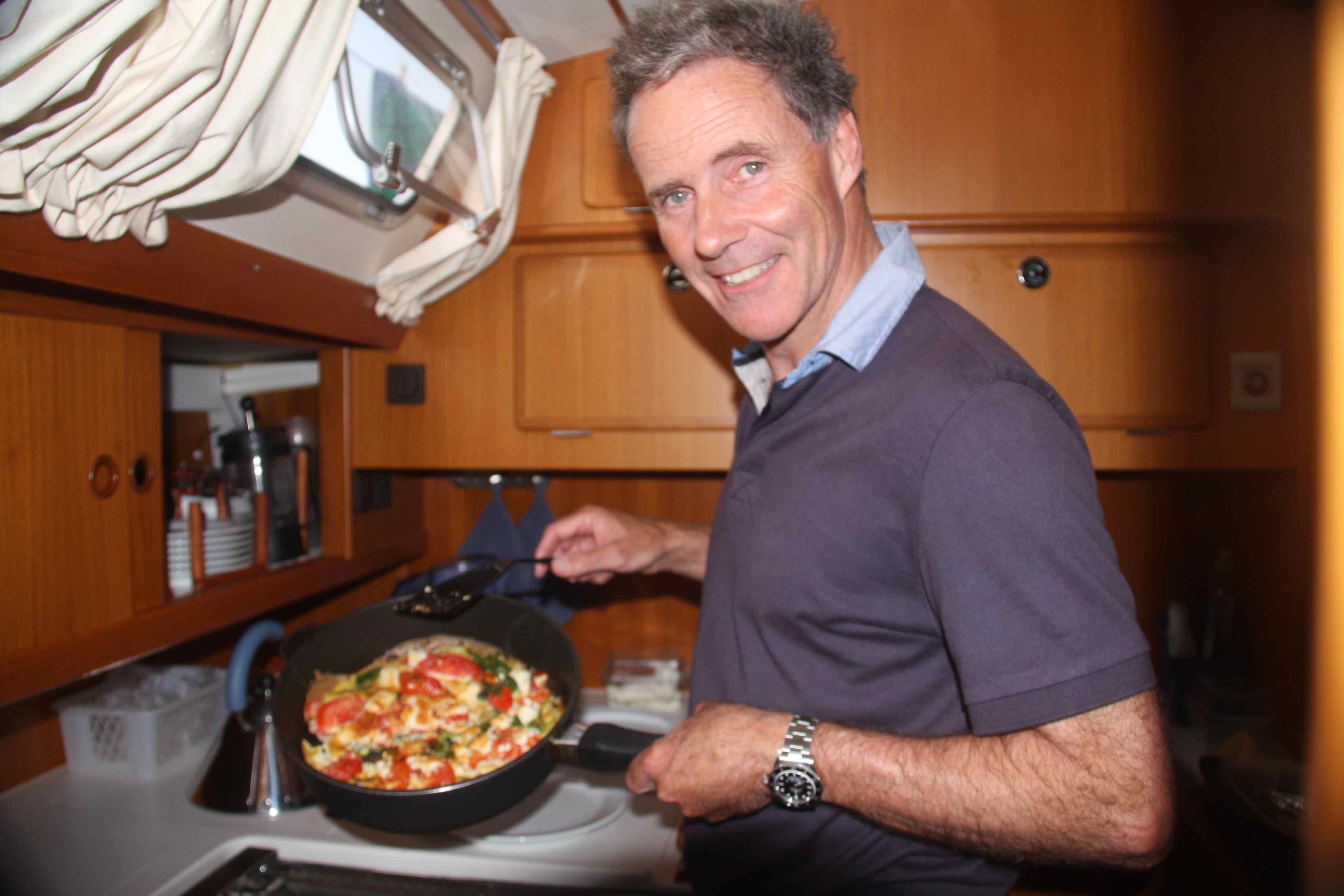
A few more nights in the isolated and peaceful anchorages of English Harbour and Tuzla Koyu, meant that Ian could practice his cooking skills.

Sea Cloud through her paces on a work into the 20+ knot northwesterly to Cokertme on the northern shore of Gokova Korfezi.  A large bay with sand and weed and nice to be able to simply free-anchor without lines ashore.

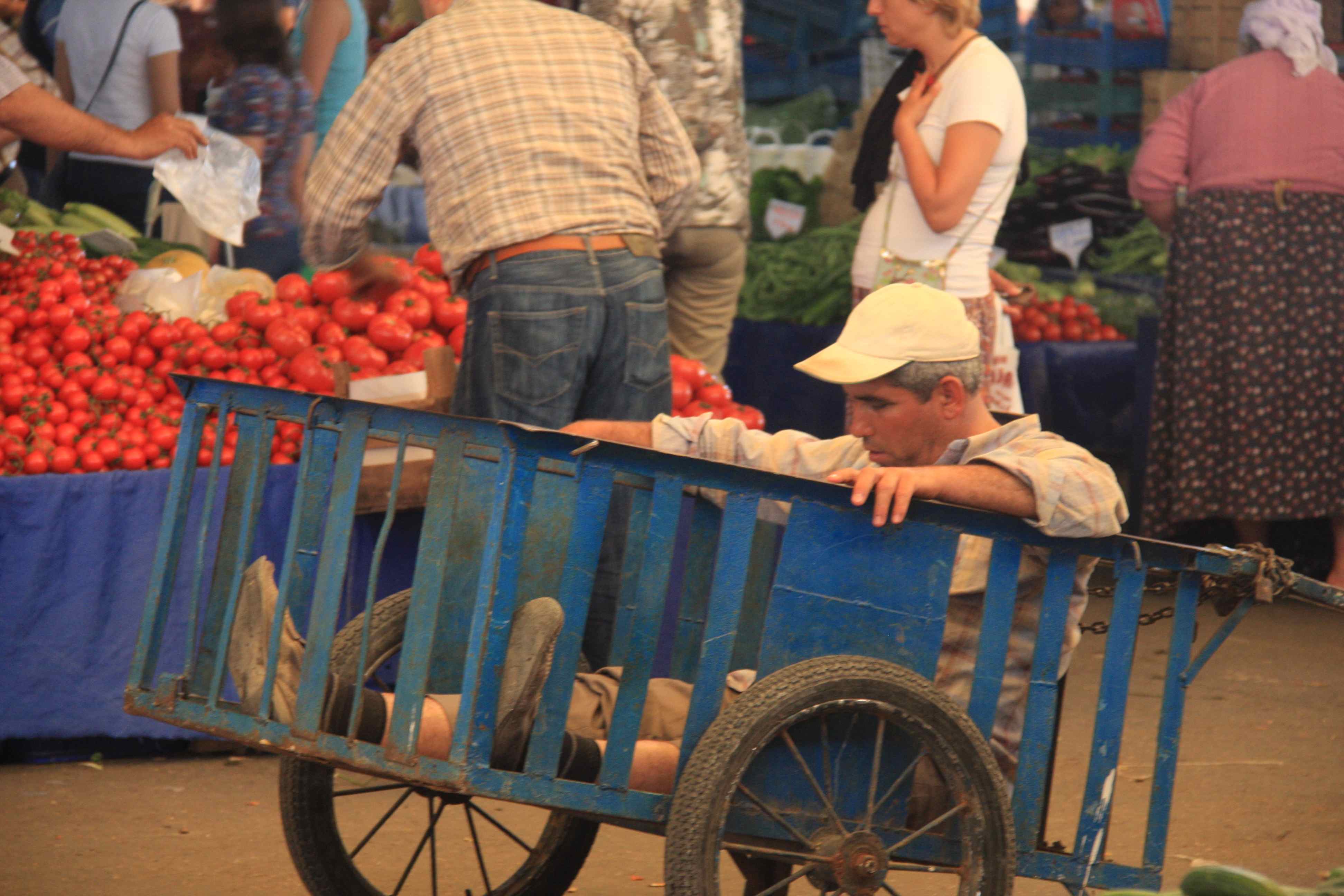
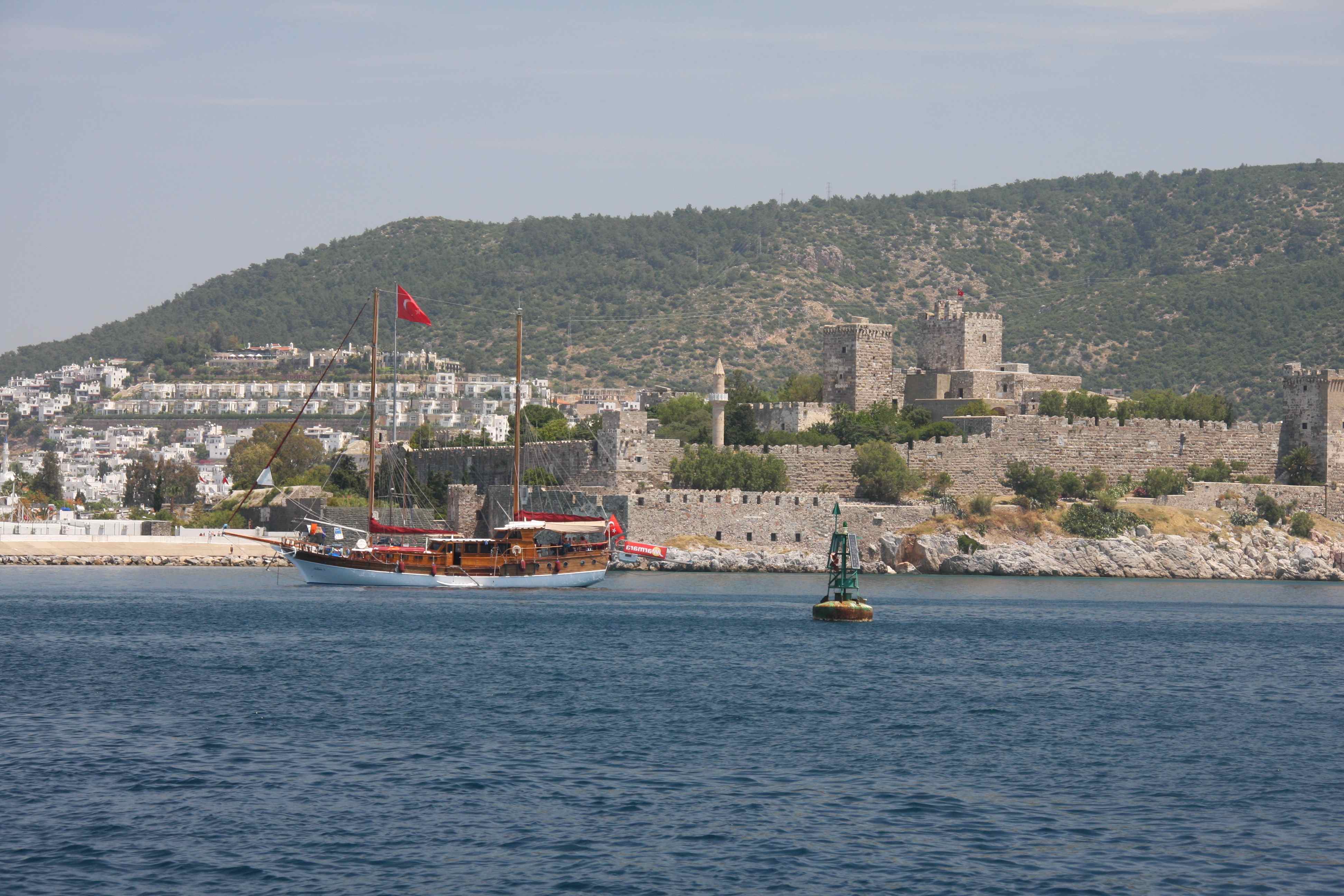
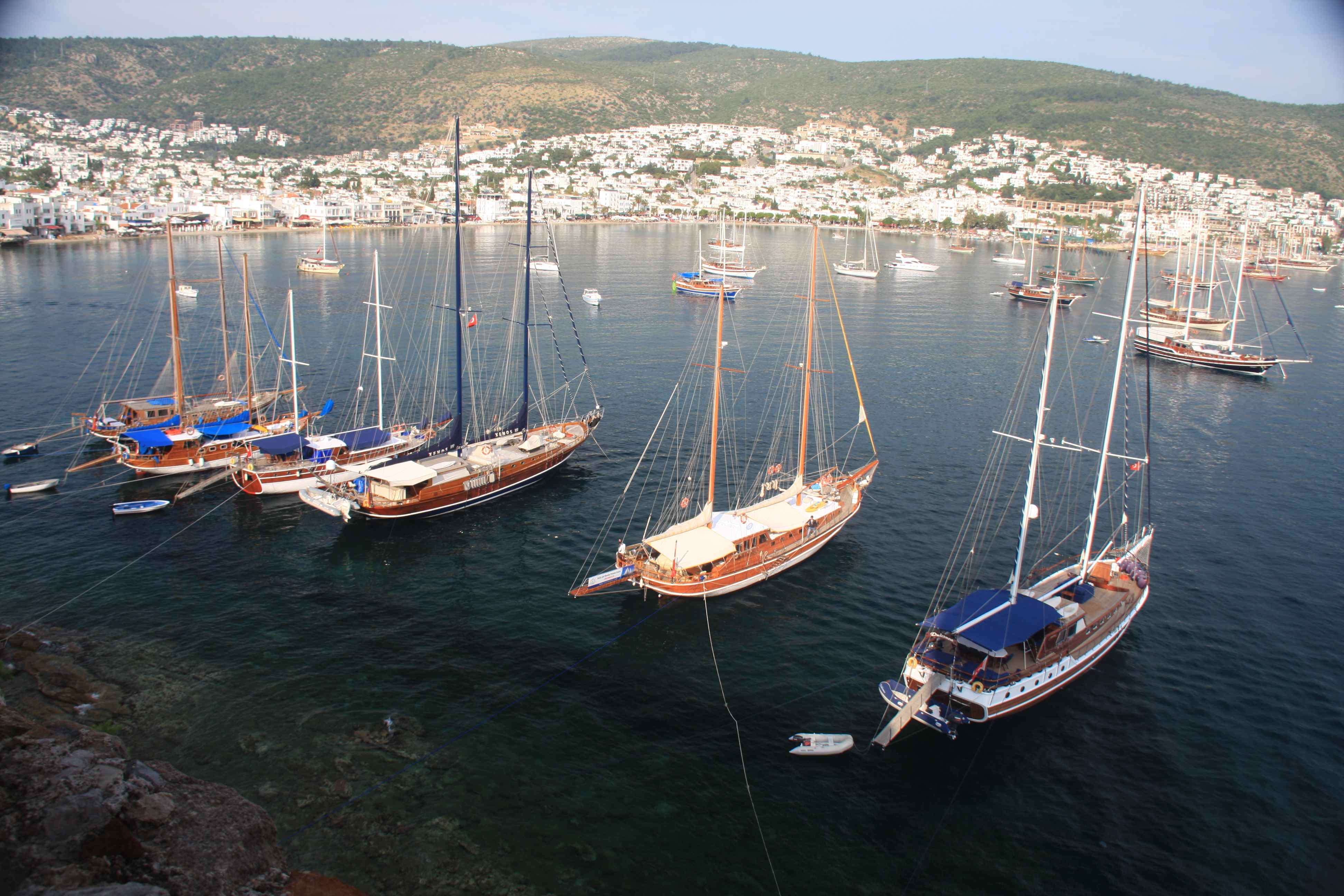
Arrived in the large but very attractive and friendly town of Bodrum. We were lucky to get a spot for Sea Cloud amongst the super-yachts in the very busy Bodrum Milita Marina. The marina is in a great position, right in town, with great views of the castle.  Being Friday, we hurried to get to the fruit and veg (and live animal) market before closing, obviously it had been a very long day for some people!

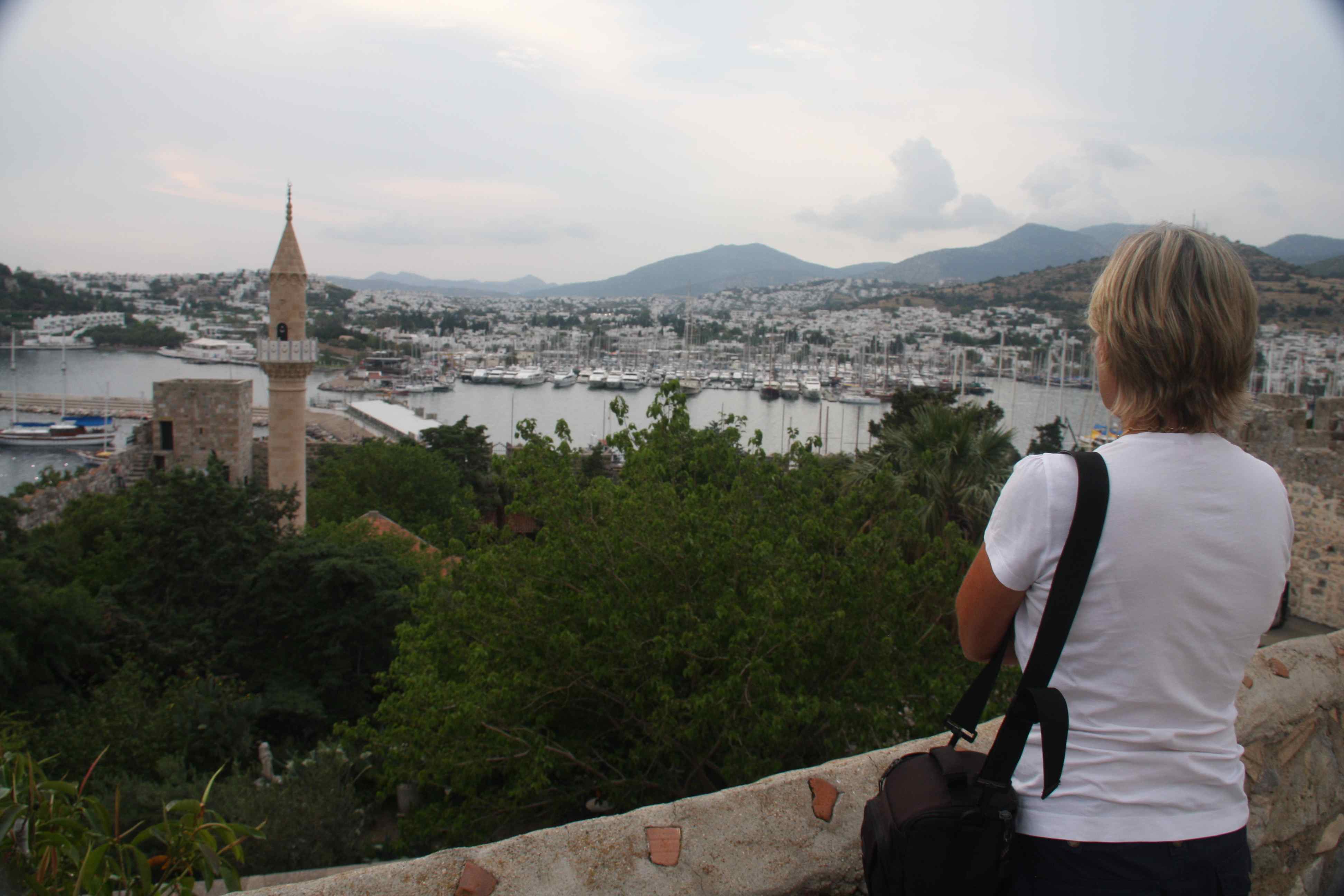
The castle, which now contains the archaeological museum of underwater treasures and artefacts from ship wrecks dating largely to 500 BC but some as far back as 1500BC, was well worth a visit. The re-creation of ancient sailing vessels from retrieved and preserved planks, as well as the display of their contents, was exceptionally well done. The peaceful gardens with their peacocks and views of Bodrum and the harbour below were worth dwelling on. Gulets stacked the bay outside the harbour walls. Seeing the number of boats here now, it is difficult to image what it would be like in the season.

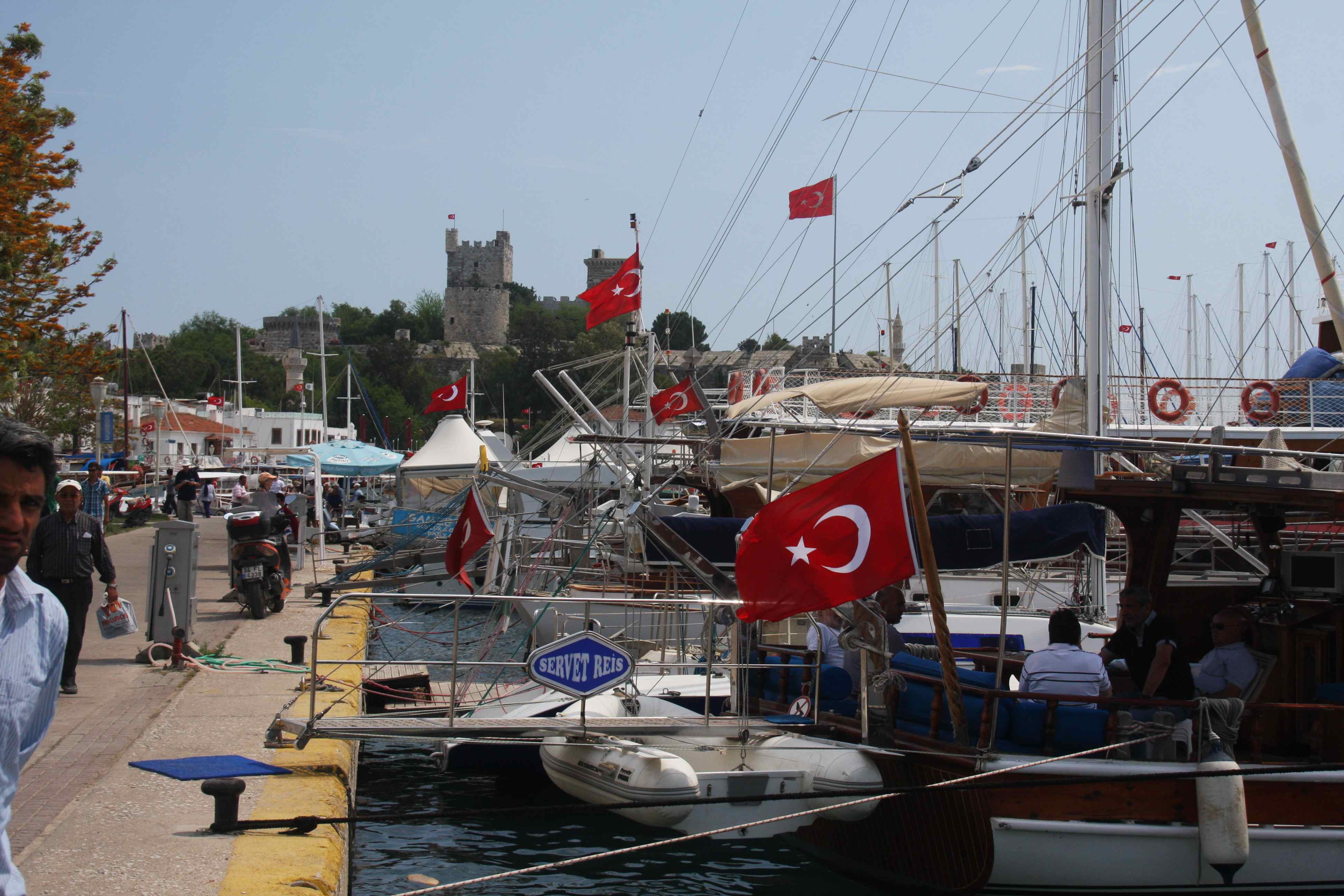
Check out of Bodrum (by the agency at the Marina), and last shopping expedition completed, we set sail for Kos, only 13Nm across the water from Bodrum where we would enter Greece.